David Malin started his working life in 1957, aged 15 years. He had an interest in science, especially chemistry, and was recruited as a laboratory assistant with the Ciba-Geigy company, near Manchester, UK. He initially worked on pesticides, particularly DDT, which was a powerful insecticide. However, Rachel Carson's book Silent Spring (1962) put an end to that job.
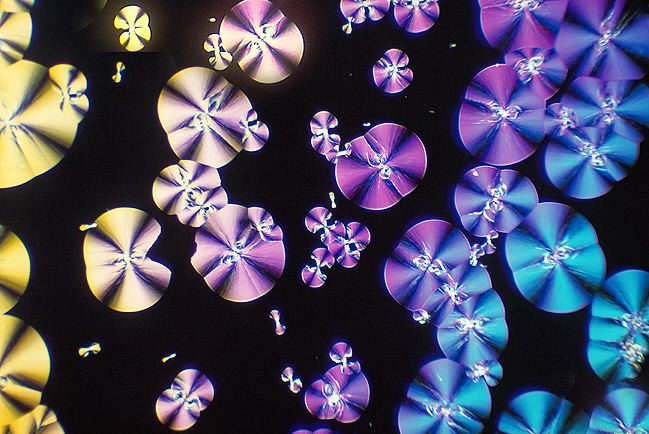
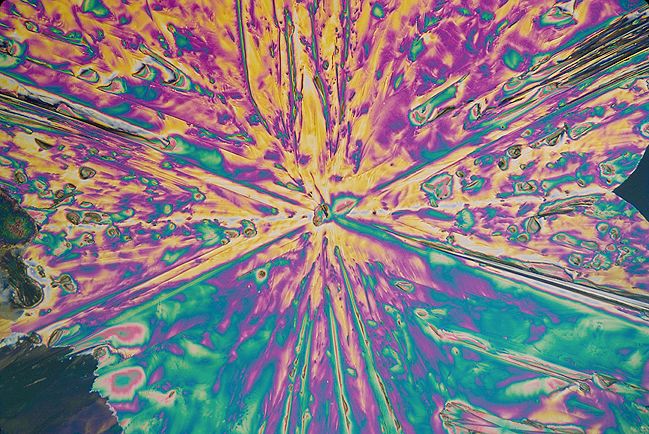
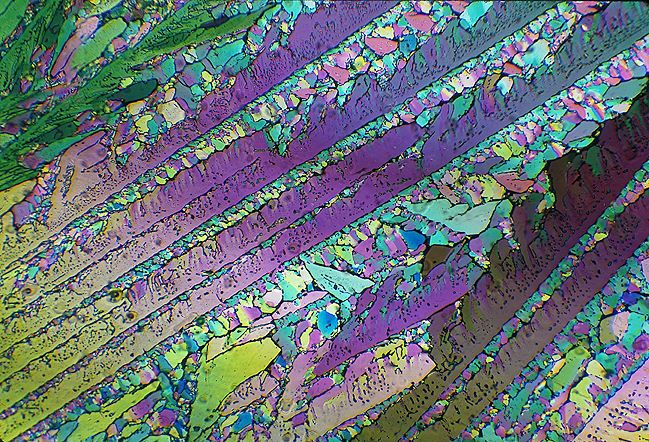
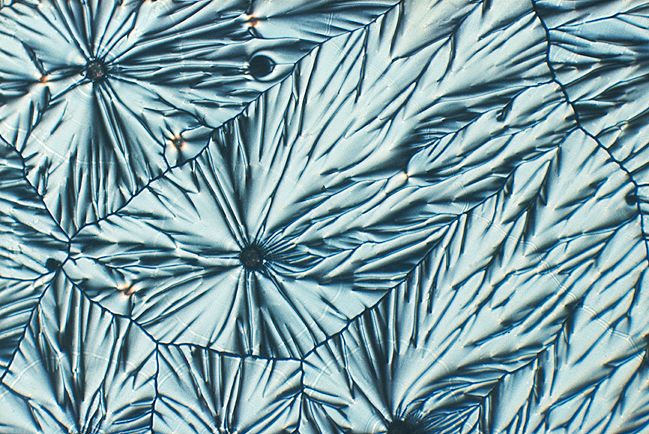
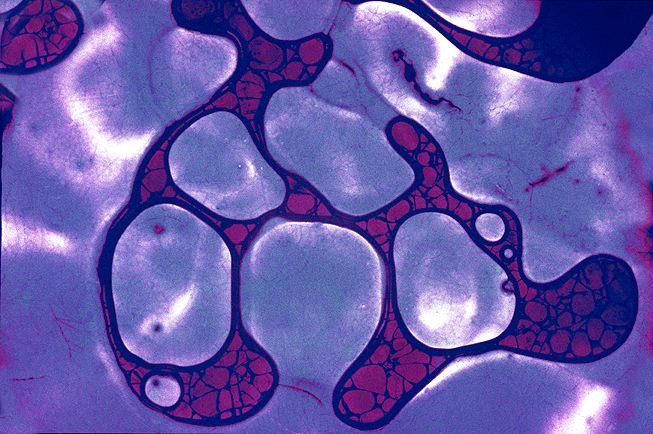
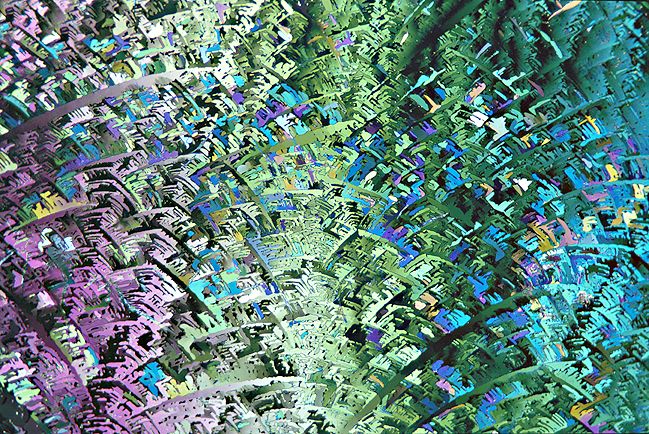
Malin was transferred to another laboratory that dealt with pigments and dyestuffs, especially their physical properties, and used optical and electron microscopes, as well as X-ray diffraction to improve the products. These devices used specialised photographic methods to extract useful data, several of which he invented himself. He also enjoyed the shapes and colours under the optical polarisation microscope, and used many of the chemicals in his lab to make images for the sake of art.
Within a few years Malin was in charge of a lab of four people, and it made several useful discoveries, leading to two patents to his name. None of this impressed the Director of Research, and, since he didn't have a PhD, and a growing family he started looking around for other opportunities. An advertisement in the back pages of Nature for a specialist in scientific photography, for the newly opened Anglo-Australian Telescope brought a career change. The telescope was in Coonabarabran, in outback Australia, with a significantly higher salary.
Malin soon invented ways of amplifying faint smudges on specialised astronomical photographic plates, and revealing them as distant galaxies. One of these galaxies was named 'Malin-1', and is still the largest known spiral galaxy. He soon developed a way of extracting faint, objects using glass plates, and devised a method of making true-colour images. This was also a first and led to many publications and popular books.
However, chemical photography was gradually overtaken by electronic methods, and Malin retired in 2001, to travel, to write and give popular talks around the world.