Martin Oeggerli aka Micronaut sees the world through the dual lens of science and art. He was born in Switzerland in 1974, and holds a PhD in medical molecular biology from the University of Basel. He has worked as a freelance science photographer since 2005.
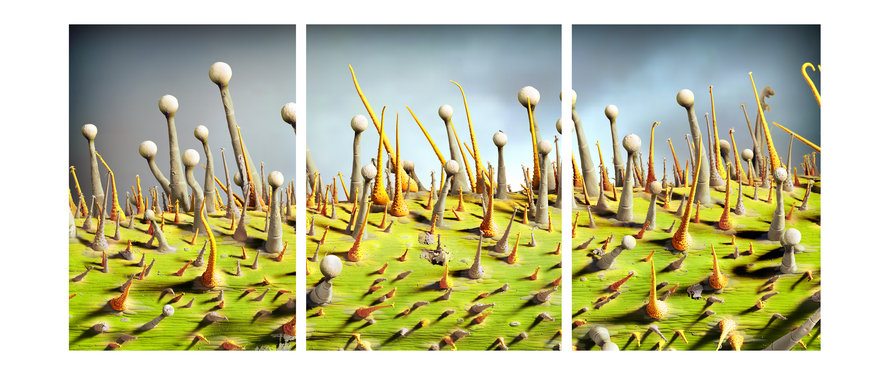
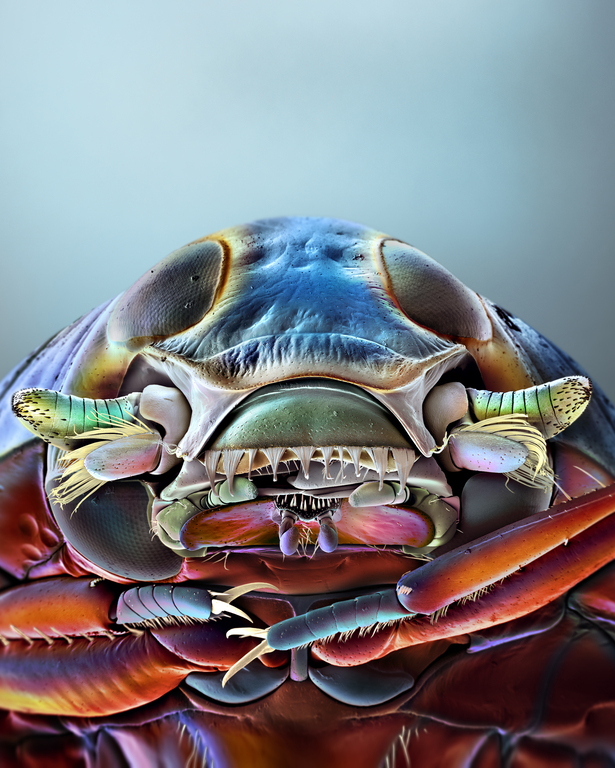
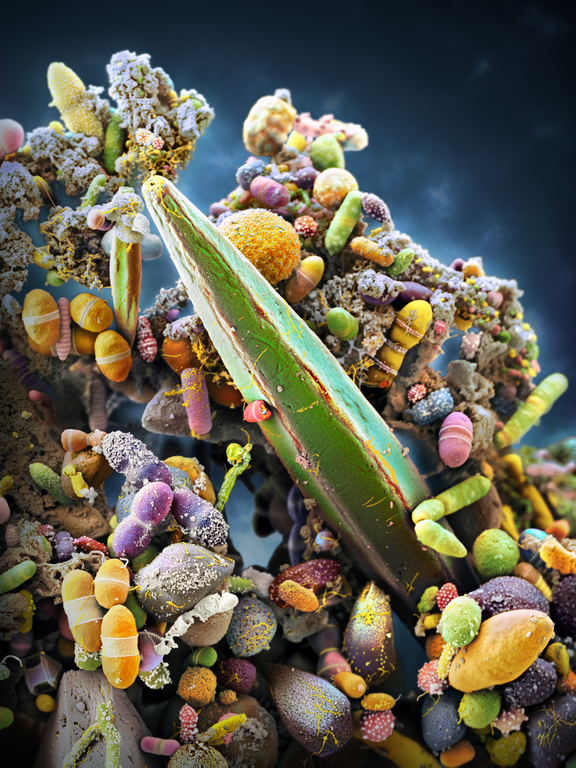
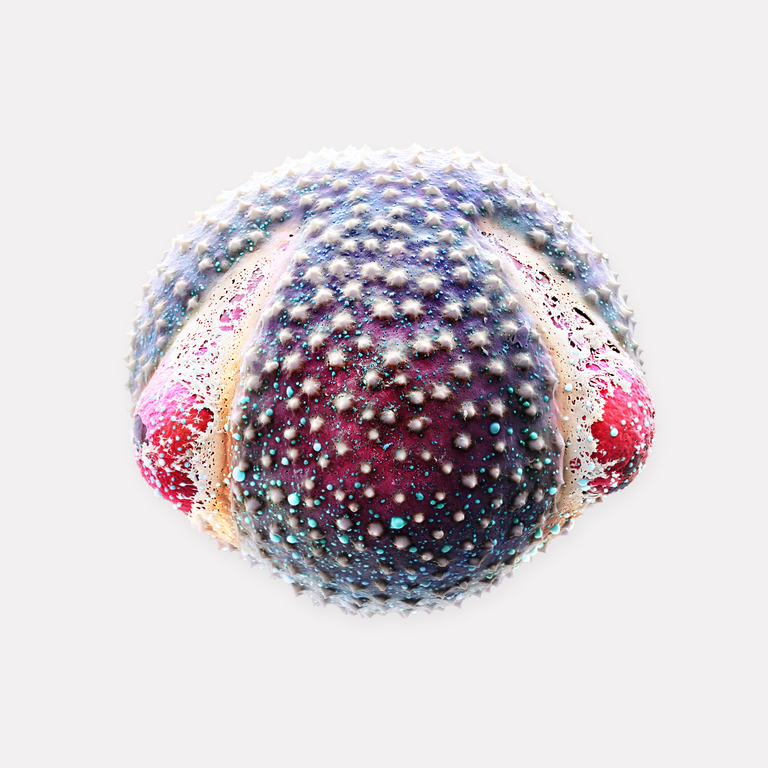
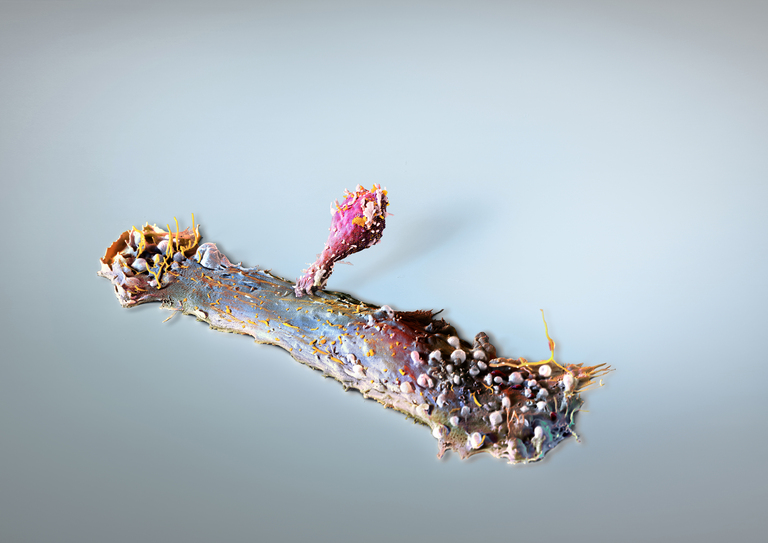
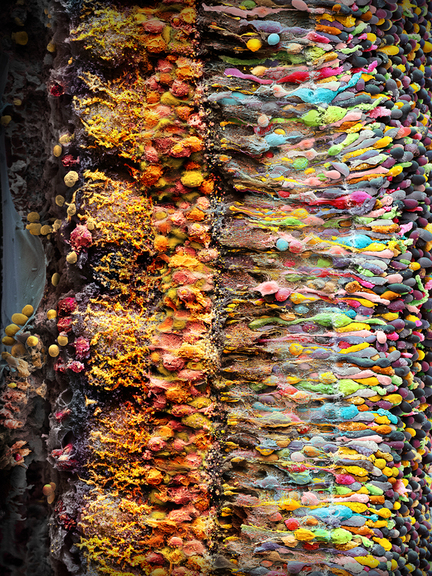
Martin’s work focuses on the earth’s smallest living organisms - bacteria, pollen, insect eggs, mites - captured using scanning-electron microscopy (SEM). SEM techniques magnifies structures up to 500,000 times using electrons instead of light. Having secured an image Martin spends significant time post-processing to add colours to his works.
Being a scientist as much as an artist, his images present unique insights into scientific phenomena and highlight scientifically important structures in colour. However, the purpose of his work goes beyond the exhibition of beauty. He says: “It seems to me that nature produces the greatest richness in small forms. But we tend to overlook and even fear what we don’t know. That's why I share my complex scientific findings beyond an intellectual elite, making the facts available for everyone to let you look at the world with other eyes.”
His work has been published by leading outlets, including National Geographic, BBC, Nature, Science, Cell, VOGUE, and GEO. His collaborations span Hollywood and academia, including the world’s first moving 3D-IMAX SEM sequences (Unseen World) with National Geographic, for whom has produced multiple feature articles. His iconic work Streptococcus colony has further decorated the prestigious cover of the 125-year anniversary issue of National Geographic.
He has received numerous accolades, such as the International Photography Award (IPA/Lucie Awards), the German Prize for Scientific Photography, and the Lennart Nilsson Award from the Karolinska Institute in Stockholm (2022). In 2020, the Swiss Post commissioned him to create a special stamp series, and in 2024, he was honoured with the 'Fotografiepreis' by his home state of Solothurn, Switzerland.
His work continues to bridge the gap between scientific observation and artistic expression, revealing the hidden beauty of life at the microscopic level.