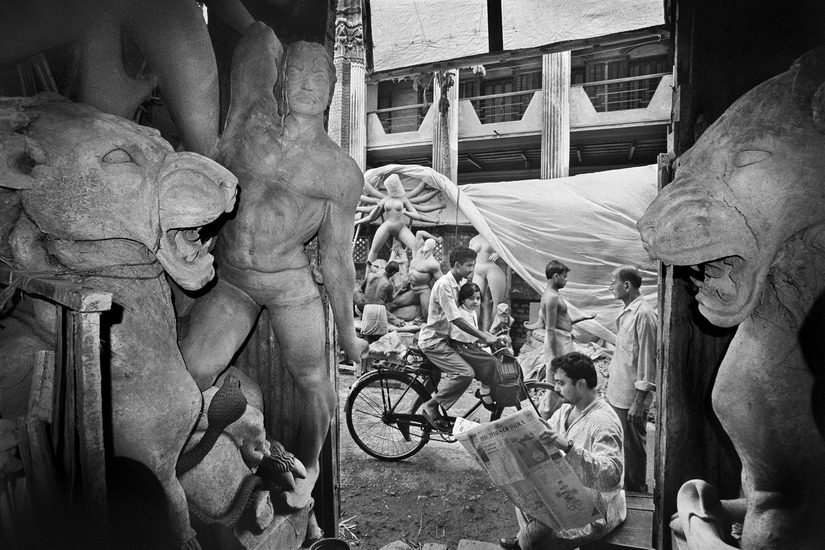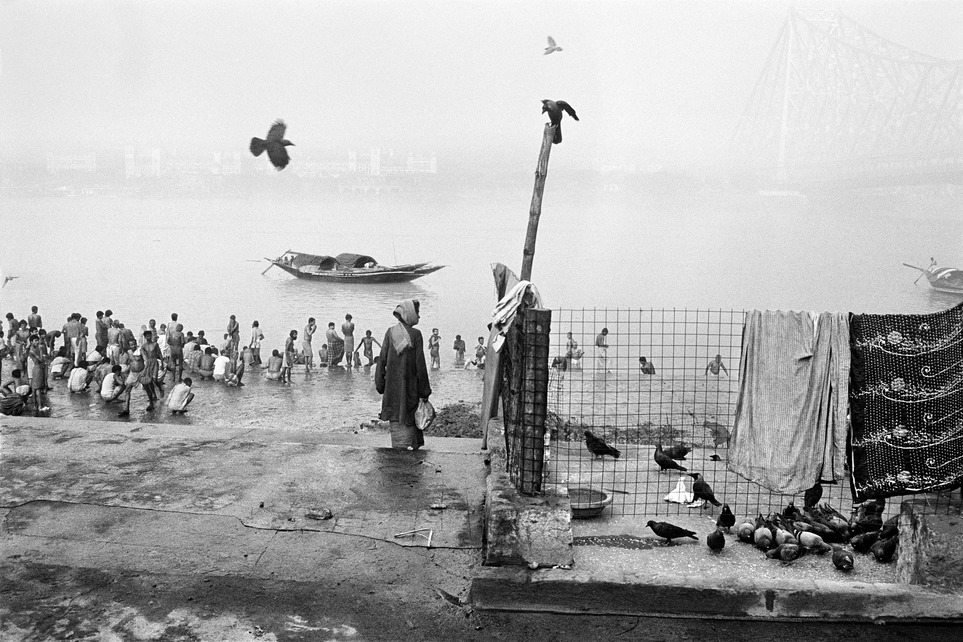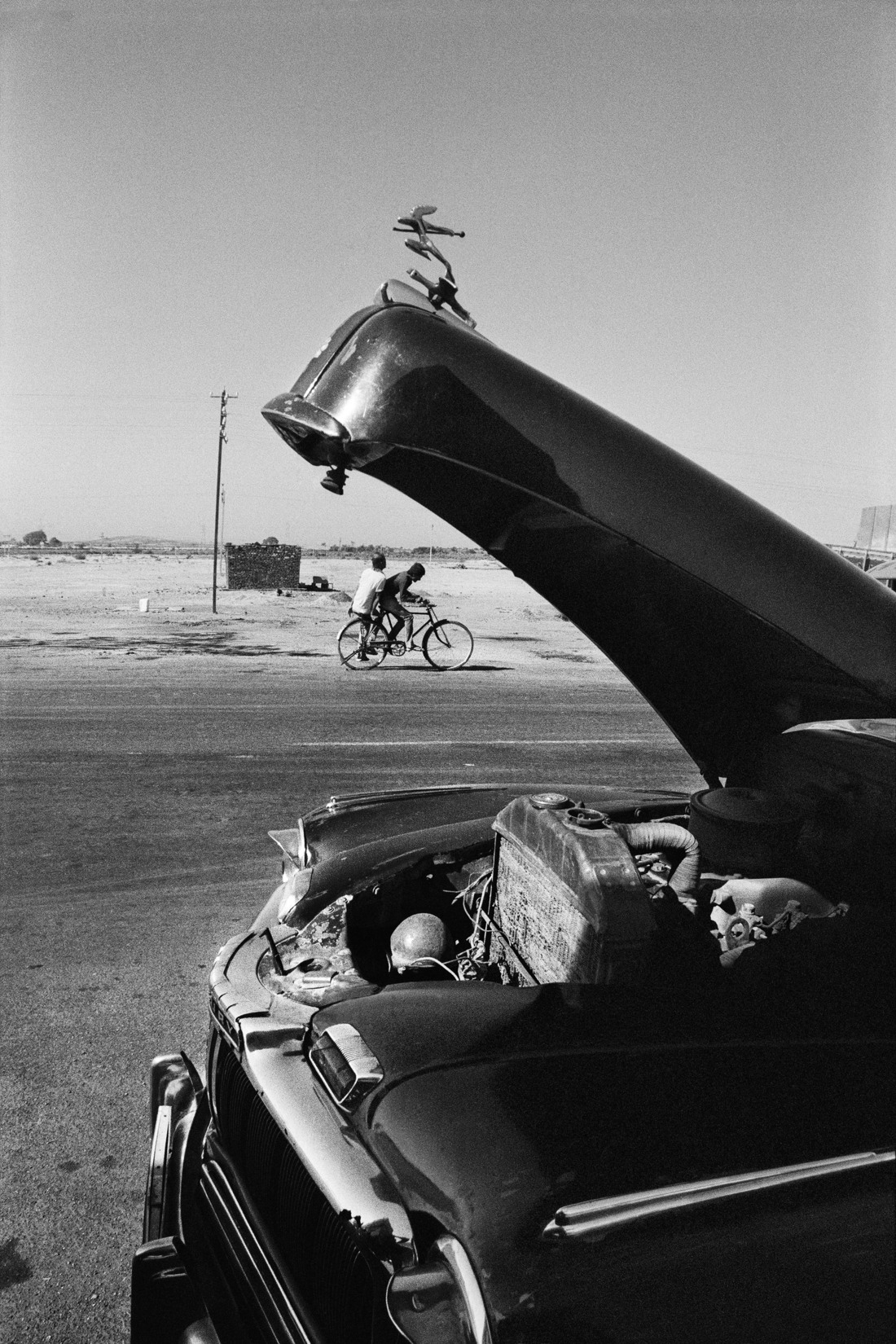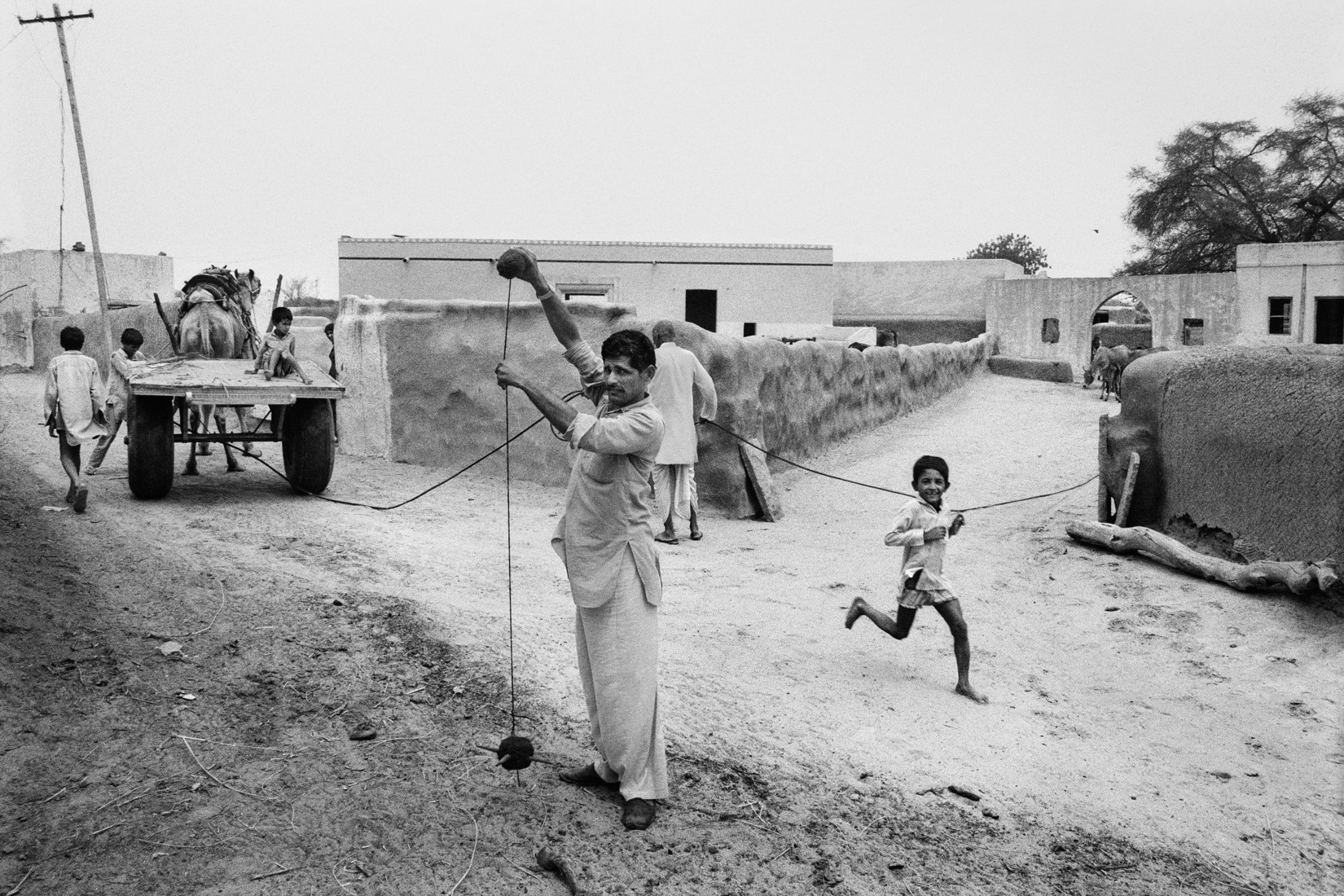
Raghu Rai qualified as a civil engineer, but turned to photography when he was 23 years, in 1965. He joined The Statesman newspaper as their chief photographer between 1966 and 1976, and was then Picture Editor with Sunday - a weekly news magazine published in Calcutta between 1977 and 1980.
After completing a Thomson fellowship in England, he worked with The Times in London. In 1972, impressed by Rai’s exhibition at Gallery Delpire, Paris, Henri Cartier-Bresson nominated him to Magnum Photos, the world’s most prestigious agency. Rai continues to be a part of Magnum.
Rai took over as Picture Editor-Visualiser-Photographer of India Today, India’s leading news magazine, contributing trailblazing picture essays from 1982-1991.
He was awarded the ‘Padmashree’ in 1972, a civilian award, the first to a photographer for the body of works he produced on Bangladesh refugees and the war. In 1992 he was awarded Photographer of the Year in the United States for the story ‘Human Management of Wildlife in India’ published in National Geographic. In 2009 he was conferred Officer des Arts et des Letters by French Government and received a lifetime achievement award in 2016 in India.
His photo essays have appeared in many of the world’s leading magazines and newspapers. He has done extensive documentation of 1984 Bhopal tragedy and its continuing effects on the lives of gas victims under a special assignment from Greenpeace International, compiled into a book and three exhibitions travelling in Europe, American and Southeast Asia.
In 2012, Raghu Rai with his son Nitin Rai initiated the Raghu Rai Center for Photography to share his fifty years of knowledge and experience with the young generations.
Rai has done more than 60 picture books on different themes of India including some of the world heritage sites in context to the socio-cultural landscape of his homeland. And there are more than a dozen books in the pipeline.
Raghu Rai lives in New Delhi with his family.