
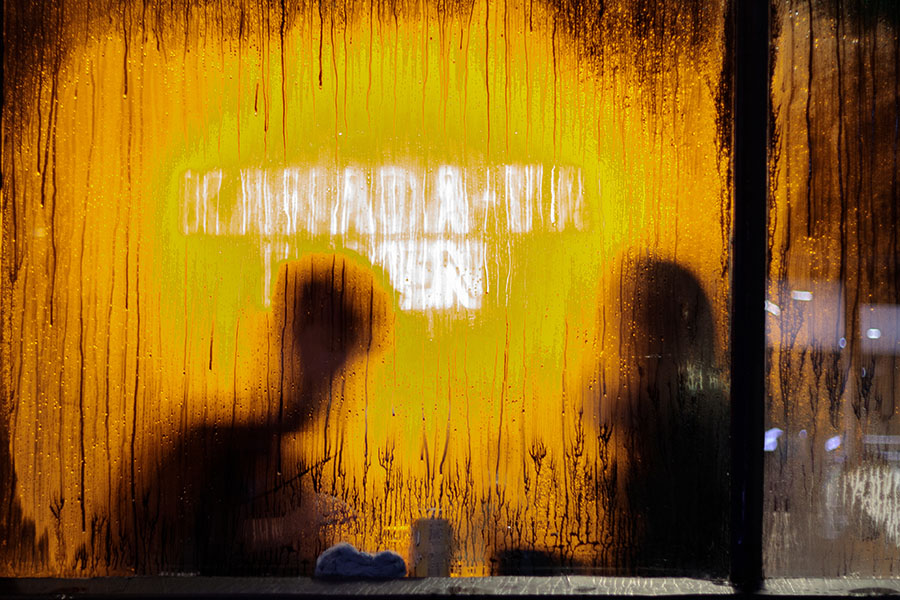
Your ability to recognise and use light effectively, whether it is available light, introduced by you or modified in some way.

The Licentiate of the Royal Photographic Society (LRPS) recognises a sound foundation in photography.
You do not need to have a particular photographic style or specialise in a particular type of photography. Licentiate is about showing that you understand and can use the technical and visual foundations of photography purposefully and consistently.
Before you apply, you will be able to see the dates for each stage of the assessment cycle, so you know the timetable in advance.
Current Licentiate assessment cycles, dates, fees and information about how to apply will be published in the next Distinctions programme update.
Licentiate recognises technical and visual understanding. It confirms that the applicant can apply the technical and visual foundations of photography purposefully and consistently across a submission, with appropriate control, selection and presentation.
In practice, Licentiate asks you to show that you can make considered photographic decisions and apply your technical and visual skills effectively across a set of 10 photographs.
Your ability to recognise and use light effectively, whether it is available light, introduced by you or modified in some way.

Your ability to control exposure and make appropriate choices about tone and, where relevant, colour.

Your ability to make purposeful choices about focus, depth of field, sharpness and the way movement is shown or controlled.

Your ability to make appropriate choices when making, processing and presenting your photographs.

Your ability to make purposeful choices about framing, viewpoint, perspective and how visual elements are arranged within the photograph.

Your ability to apply your technical and visual understanding successfully and consistently across the different photographic situations.
These abilities can be demonstrated through any subject, genre or photographic approach. How you demonstrate them will depend on the photography you make.
Licentiate may be right for you if you have developed your photographic skills and understanding and are ready to demonstrate them through a complete submission.
There is no single route to being ready for Licentiate. You may have developed your photography through your own practice, RPS activities, a camera club, formal education, online learning, professional experience or a combination of these.
Your Licentiate submission is formally assessed against six criteria.
These criteria help Examiners consider different aspects of your photography and decide whether your submission demonstrates the Licentiate standard. They are considered together and are not scored individually.
Assessment criterion: Intention and purpose
Examiners consider whether your photographic choices are purposeful and appropriate to what you are trying to achieve.
At Licentiate, you are not expected to present a complex artistic concept or project statement. Your purpose may be straightforward and may be clear from the photographs themselves.
Assessment criterion: Photographic and technical realisation
Examiners consider how effectively your photographic, technical and material choices help you achieve what you intended.
This includes the choices you make about light, exposure, focus, movement, composition, processing and presentation, where they are relevant to your photographs.
Assessment criterion: Visual communication
Examiners consider how your photographic choices affect what a viewer sees, understands or experiences.
Photography can communicate in many ways. A photograph might describe, record, suggest, question, express, inform, evoke a response or explore visual ideas.
Assessment criterion: Coherence and development
Examiners consider how the photographs work together and whether the submission shows a consistent level of technical and visual control.
You do not need to photograph lots of different subjects simply to show variety. However, your submission should give Examiners enough to see that you can apply your skills beyond one narrowly repeated photographic situation or technical solution.
Assessment criterion: Independence, context and voice
At Licentiate, Examiners are looking for evidence that you are making your own photographic decisions.
This can be seen in what you photograph, how you approach it, how you respond to photographic challenges, which photographs you select and how you present your final submission.
Assessment criterion: Editing, sequencing and presentation
Examiners consider the photographs you have selected and how you have chosen to present them.
Assessment is holistic. This means Examiners consider your complete submission against the Licentiate standard, using the six assessment criteria to support their judgement.
The criteria are not scored separately, and you do not need one photograph for each criterion or photographic skill described. A single photograph may demonstrate several aspects of your capability.
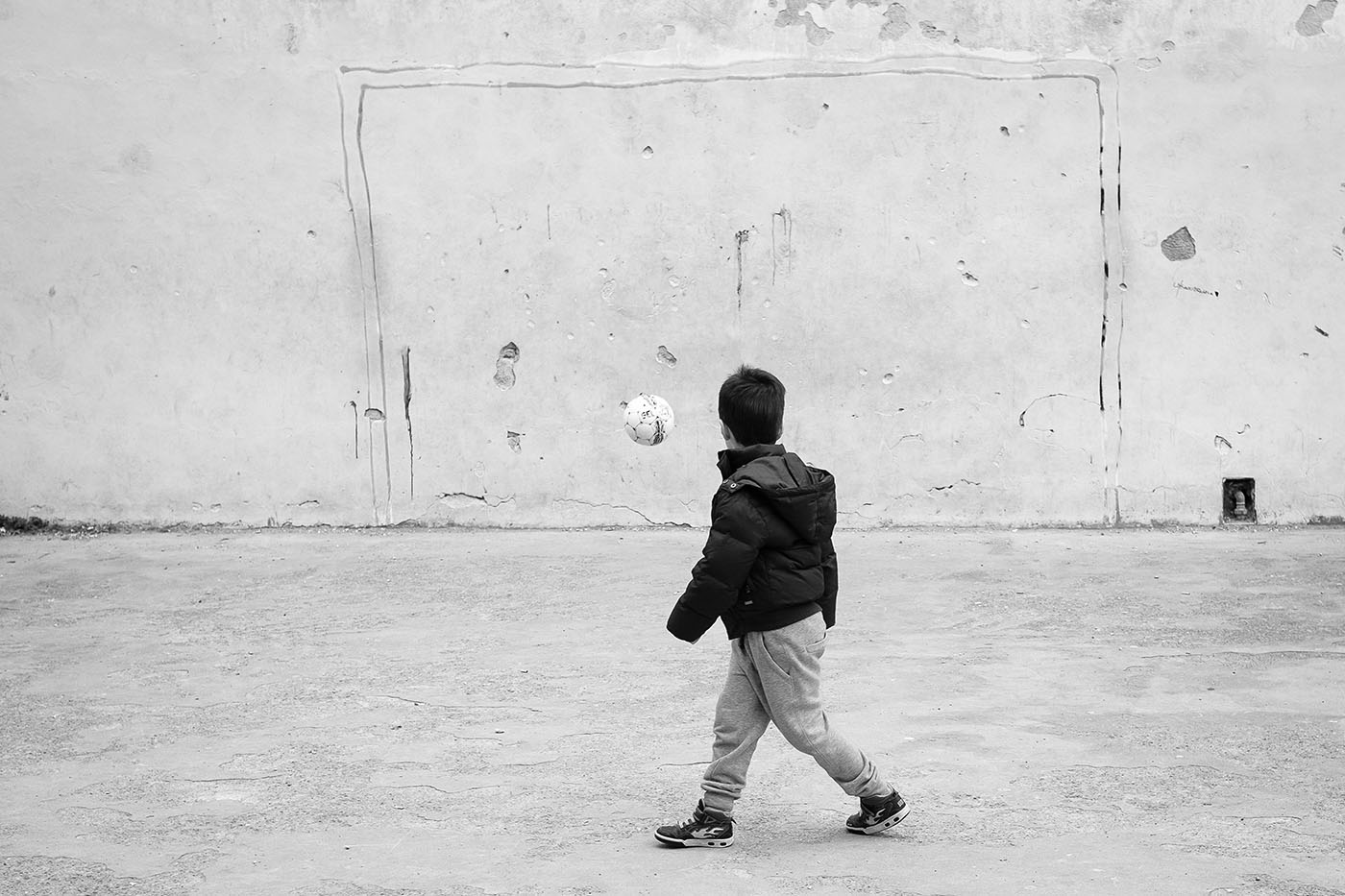
For LRPS Photographic Practice, you are asked to:
Submit 10 photographs that, together, demonstrate your technical and visual capability in photography.
Together, the 10 photographs need to give Examiners sufficient opportunity to see you making purposeful and controlled photographic decisions and applying your skills in different situations.
Digital image requirements
Digital images must:
Your files should be numbered in the order in which you want them to be viewed and named using the following format:
Firstname_Lastname_Year_L01
Firstname_Lastname_Year_L02

If you've completed one of the recognised academic courses in the last five years you can apply for an exemption.