

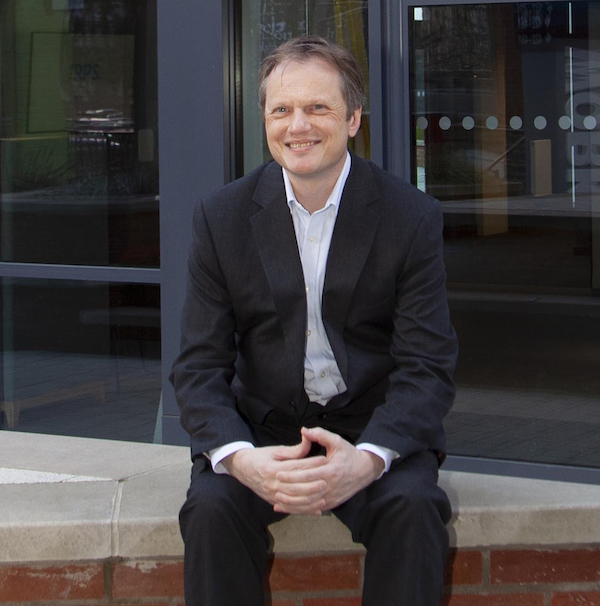
Over the course of the RPS's history sixty-eight individuals have held the post of President. Each has brought something particular to the role. Some have been very hands-on closely directing the Society’s activities, while others have been more of a figurehead, representing the Society at its own events and externally while allowing the Council and staff to do their work.
As the Society has evolved so the role has changed. Up to the 1970s the President or a senior Council member would chair monthly meetings held in London in addition to chairing the Council and Executive and being ex-officio to all Society committees. In addition, they would represent the RPS across Britain opening exhibitions and speaking at camera club meetings, and, occasionally, attending overseas events such as Photokina and club Salons. The growth in the number of Society meetings from the early 1970s with the establishment of Regions, new special interest groups, and then the move from London to Bath meant this was unsustainable for what was a voluntary role. Presidents needed to be more selective in what they could attend.
Today the President combines both the historical position as head of the RPS alongside the more legalistic chair of the Board of Trustees, reflecting the RPS’s status as a charity with a requirement to conform to the requirements of the Charity Commission.
Over the past few years, I have read the RPS’s Journal from 1853 to the present and all the Council minutes, plus many committee minutes, and meeting reports from to the early 2000s. From those one gets a sense of the different personalities, backgrounds and interests of the men and four women who have been President.
Presidents
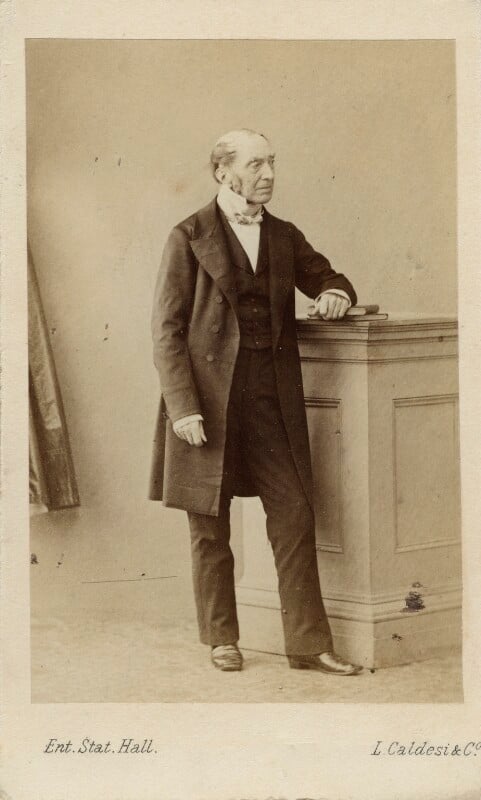
The first, in 1853 at the Society’s formation as the Photographic Society of London was Sir Chales Eastlake who was President of the Royal Academy. He brought a respectability to the new photographic society. Eastlake left much of the running of the Society to Roger Fenton, the secretary, but diligently chaired many Council meetings. On his appointment as the first director of the National Gallery in 1855 he stepped down.
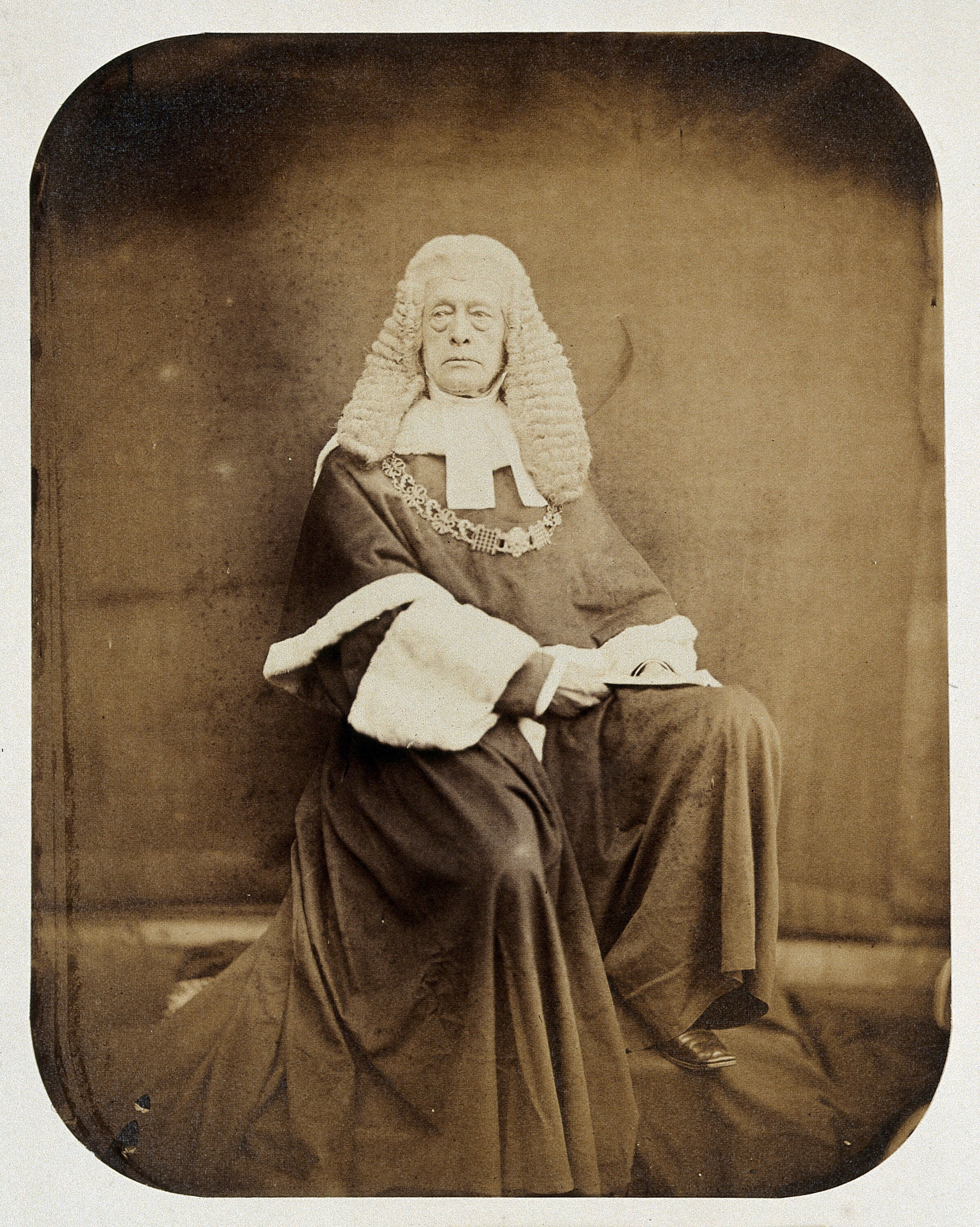
His place was taken by the Lord Chief Baron Sir Frederick Pollock, one of Britain’s senior law officers, who held the position until 1869. One hundred years later his descendent Sir George Pollock became President in 1978. Pollock was a Tory politician and his connections helped the new Society and, again, added a credibility at a time when photography was struggling to be recognised as an art in its own right. By 1869 Pollock was in his mid-80s and struggling to perform his duties.
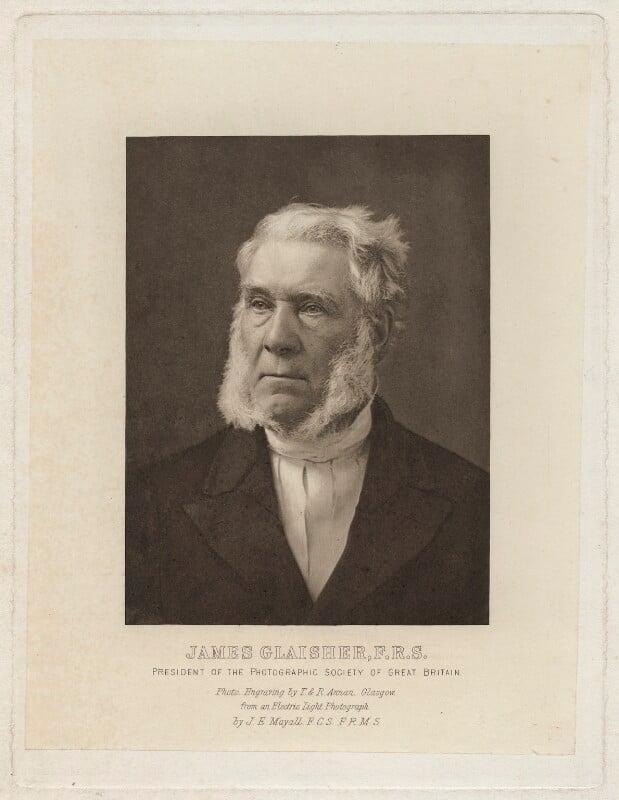
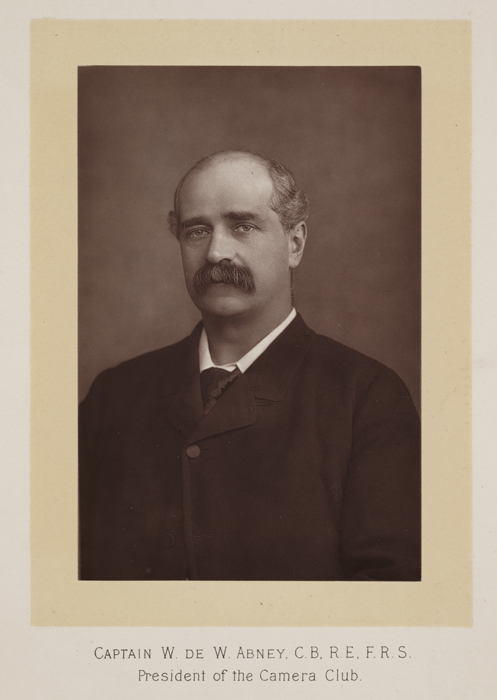
From 1869 the Presidency was occupied by men of science notably James Glaisher and William de Wivelsie Abney both of whom who focused the Society on photographic science at the expense of photographic art. During this period there were various controversies notably a demand that the President should only serve for a set term and the setting up of the Linked Ring in response the perceived absence of the Society’s interest in art. From 1892 Presidents usually served two-year terms right up until recently when the term length was changed to a more useful three years. For much of the period Presidents were elected by the membership although normally only one name was put forward.
After the earlier controversies and a revitalised RPS Sir Henry Trueman Wood brought stability between 1894-1896 and an interest in the arts and education. He was also chairman of Kodak Ltd, starting a relationship between the RPS and the Kodak and Ilford companies who supplied many Presidents well into the 2000s.
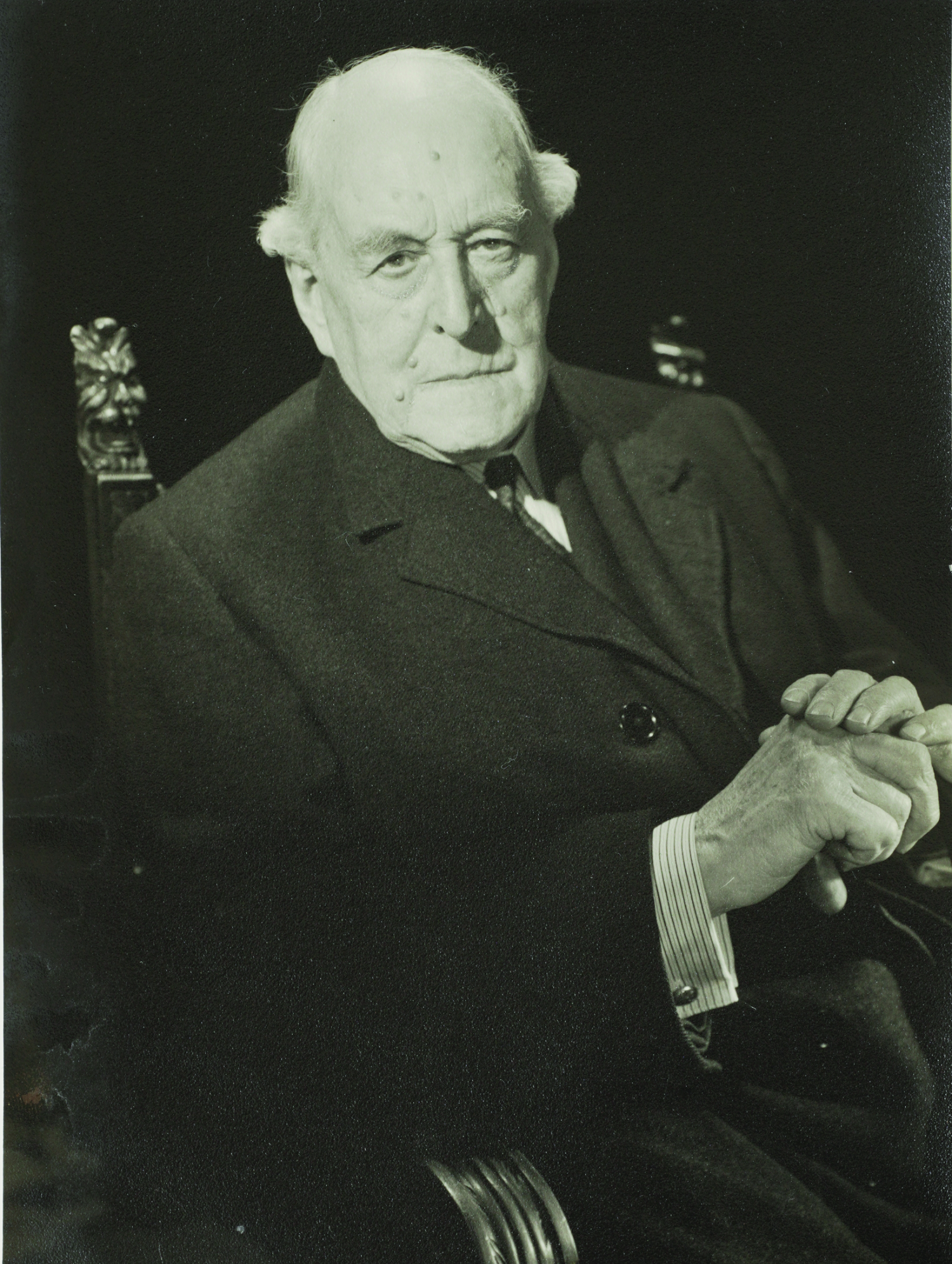
Through the twentieth century Presidents include Thomas Dallmeyer, the lens maker, amateur photographers such as J Dudley Johnston (who served twice), scientists, and photographic journalists such as W L F Wastell, Percy W Harris and A L M Sowerby, and two editors of Amateur Photographer magazine F J Mortimer and Reggie Mason. Bertram Sinkinson was a professional photographer and pictorialist and held the post during the RPS’s centenary year which he had largely organised over the previous two years.
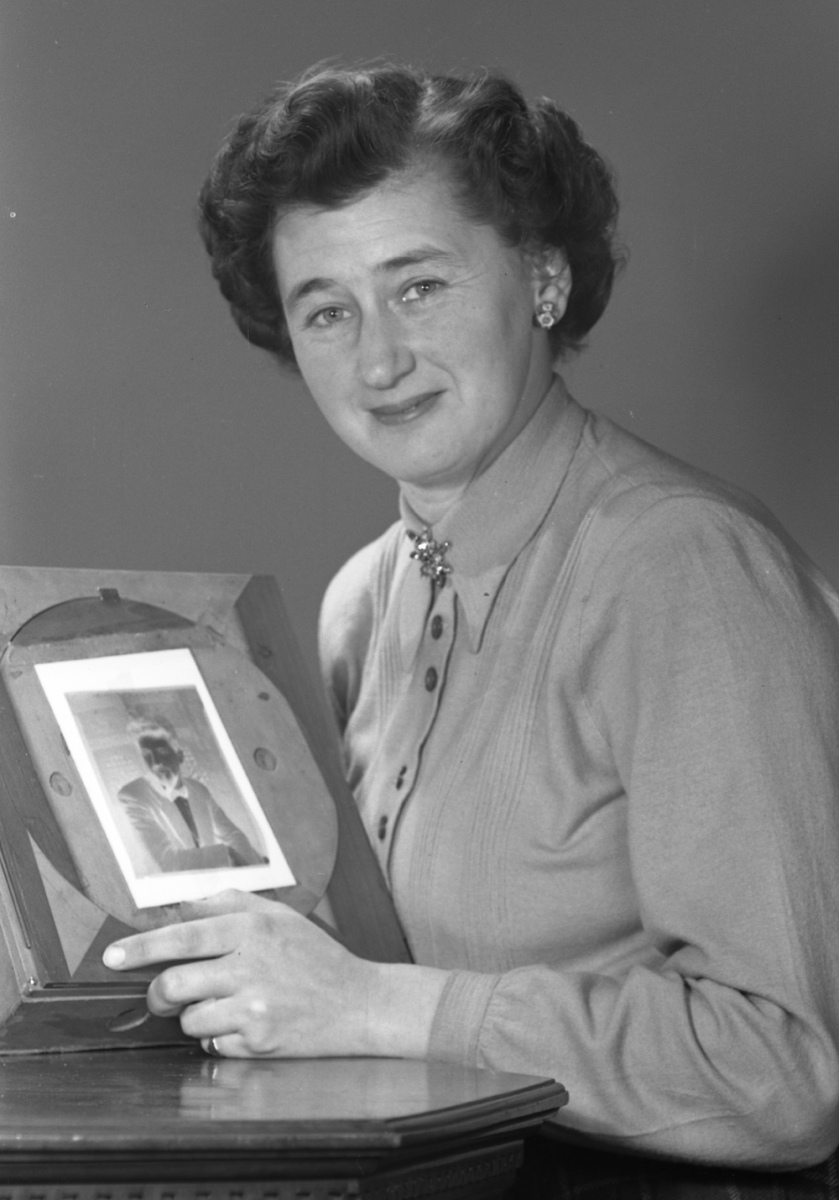
From its outset in 1853 the RPS’s was open to accepting women as members at a time when many other learned societies did not open up their membership for another century. That said, it took almost a century from 1939 for the first woman, Dr F M Hamer, to serve on the RPS Council and until 1958 to elect its first woman President, Margaret F Harker. Margaret was head of photography at the Polytechnic of Central London and an architectural photographer in her own right. She had joined the RPS in 1941 and remained active in the RPS until the 1990s. Heather Angel, the acclaimed nature photographer, was elected in 1984, Rosemary Wilman, an amateur, in 2009 and Dr Del Barrett in 2019.
Presidents have often brought their own interests to the role and aligned them with the RPS. Abney, for example, was a strong advocate for photographic education and science, Dudley Johnston was instrumental in building the RPS’s Permanent Collection and Leslie Bowcock a key driver of what became known as the ‘Bath project’.
More recently, Presidents from the 1990s have come from a range of different photographic backgrounds: amateurs, scientists and medical imaging, and professionally as accountants, educators, the police, and the law.
Conclusion
There is much more that could be said about the sixty-eight individuals who have served as President. Each has brought their own personality to the RPS – usually for the good and, generally, for altruistic reasons. Their expertise as photographers or from photographic science, or their standing within Britain’s wider photography communities, brought a credibility and respect to the RPS itself. Presidents, too, have also brought their professional background to bear too, managing large organisations, IT, financial or as scientists, educators and some as photographers.
Their commitment in terms of time, and navigating the RPS’s various crisis (usually financial) over its history has been key in providing continuity. The RPS has benefited from all of them.
As the RPS looks to start the process to elect a new President there’s no question that it can be a demanding role: several have stepped down due to ill-health and early on the politics and personalities could be challenging. More positively, though, the President of the RPS was always held in great esteem internationally and feted at events, and was able to meet members and others as part of the role. It was right that it became the custom at the end of their term to award them an Honorary Fellowship in recognition of their work. Today this is given at the start of their term.
Today, more than ever, the President can count on a committed group of trustees and a dedicated staff team to support both their formal role as chair of trustees and the historical role as President and head of the world’s oldest and most respected photographic society.
Dr Michael Pritchard FRPS
Michael Pritchard is currently researching and writing a history of the RPS and its position and influence on British photography.
Images:
Header image: RPS Presidents, all HonFRPS, Derrick Knight (1976-1978); George Pollock (1978-1980); Leslie Bowcock (1980-1982); Chris Roberts (1982-1984) with Princess Margaret; Heather Angel (1984-1986); Arthur Downes (1986-1988); Brian Bower (1988-1990). From The Photographic Journal covers.
(Top to bottom): L Caldesi & Co, Sir Charles Lock Eastlake, first President of the Photographic Society of London, 1853-1855, c.1860. National Portrait Gallery, London, NPG Ax11913. Creative Commons CC BY-NC-ND 3.0
Sir Frederick Pollock, President of the Photographic Society of London 1855-1869, c1856. Wellcome Collection, London
John Jabez Edwin Mayall, Sir James Glaisher, President 1869-1874, 1875-1892, National Portrait Gallery, London, NPG x22560. Creative Commons CC BY-NC-ND 3.0
Captain W de W Abney, President 1892-1894, 1896, 1903-1905, RPS Collection at the V&A Museum.
Pamela Chandler ARPS, J Dudley Johnston HonFRPS, 1954. President 1923-1925, 1929-1931. Collection of Michael Pritchard
Dr Sartaj Din Jouhar FRPS, Margaret F Harker HonFRPS, 1952. President 1958-1960. Courtesy of Kelvin Jouhar.
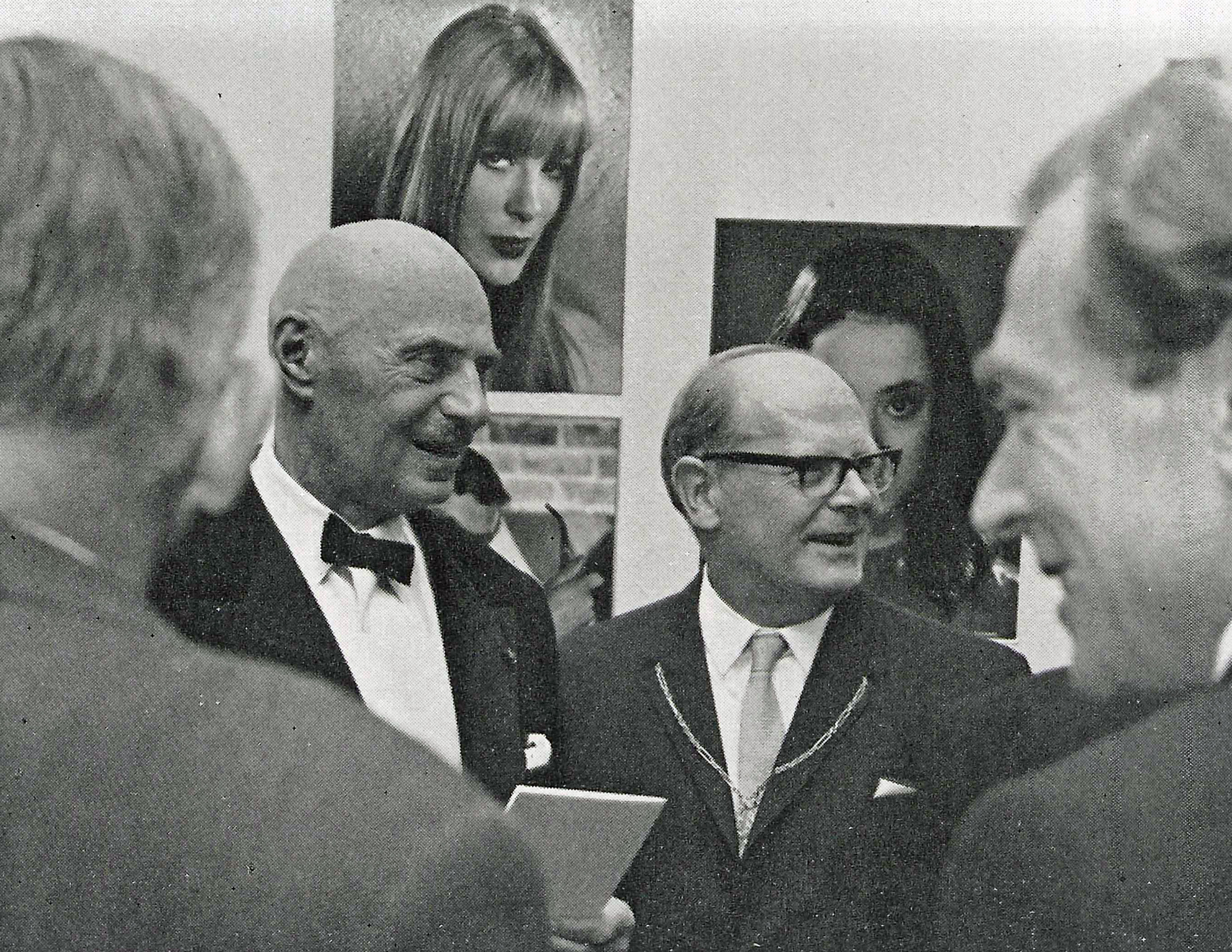
Berry Boesman, General Anders and Dr Maclennan, President 1966-1968, at an exhibition of photography by W Marynowicz, 1966
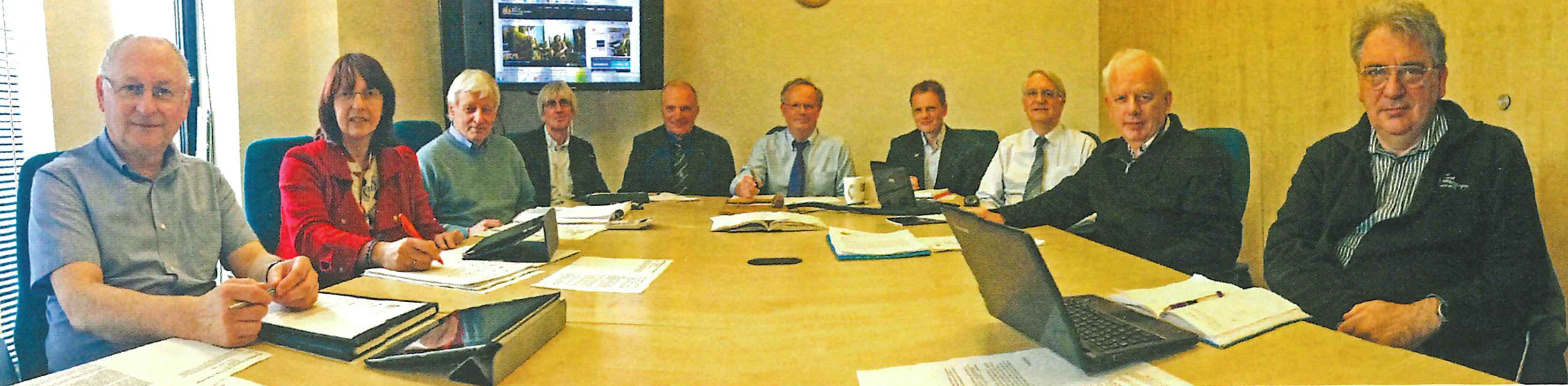
Roy Robertson (centre in shirt and blue tie), President 2011-2013, with his Council colleagues, at Fenton House, Bath 2013.