
RPS member Paul Colley CB OBE FRPS is a wildlife photographer whose recent work has been centred on a single 100-acre organic farm. Over the past few years, he has documented its wildlife for Pennyhooks Farm Trust, a charity supporting autistic young adults, and has recently been inducted as a trustee and director. Despite a portfolio that spans oceans, rivers, deep space, and bats in the infrared spectrum, he describes this project as one of the most rewarding of his life.
About the trust
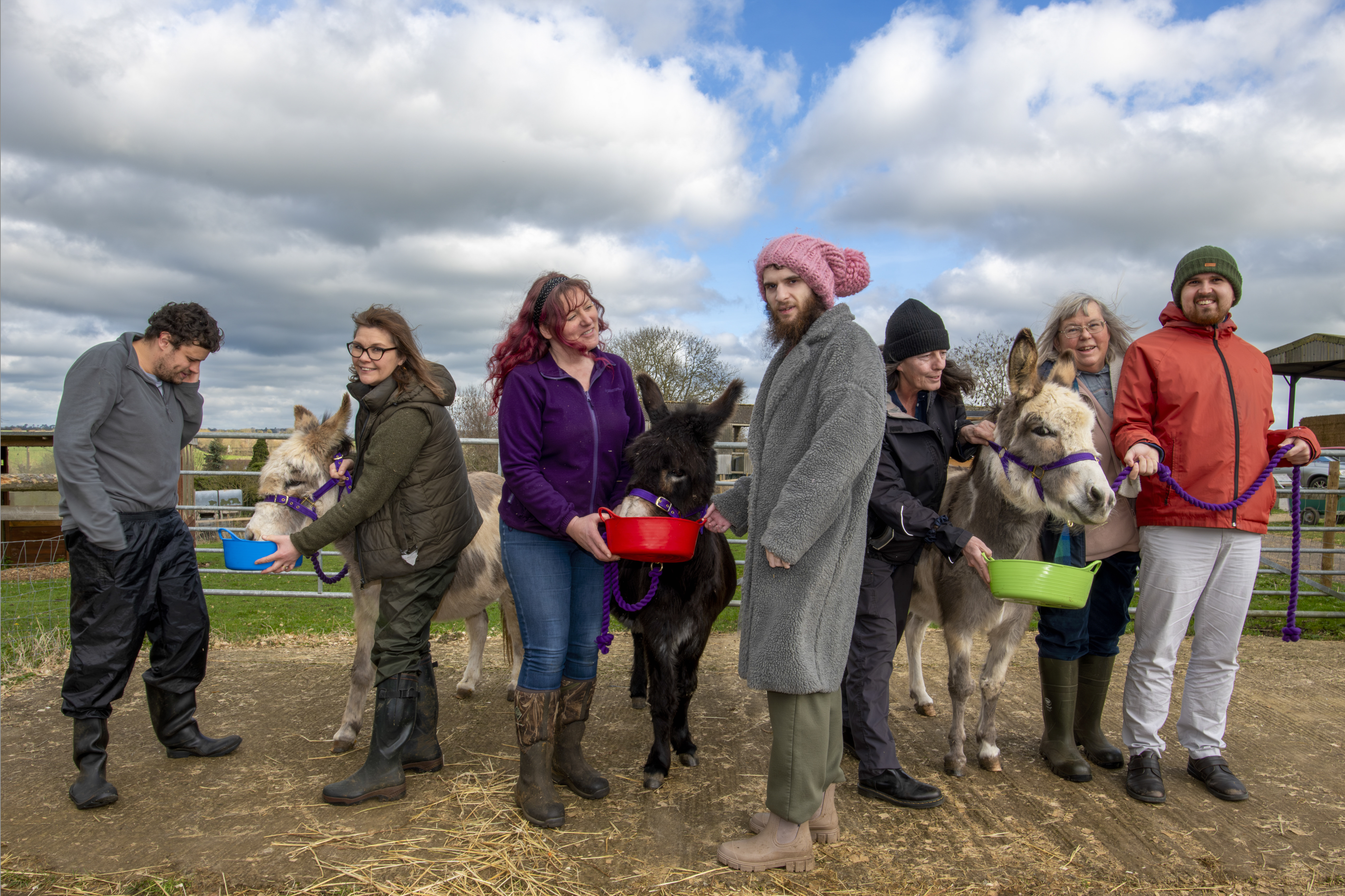
Pennyhooks Farm Trust has operated as a charity for around ten years, although the farm's work with young people began over 30 years ago. It supports autistic young adults at the more complex end of the spectrum. Most are non-verbal, many are highly sensitive to noise and other environmental factors, and the majority require one-to-one care.
Paul explains the need the trust addresses. "At 18, the government relinquishes direct responsibility for support, and it generally falls to parents, friends, and family. What Pennyhooks has done is provide an environment where they are much more at home, where they can learn work skills and contribute to life on a working farm. It is plugging a gap in care."
The trust currently offers day care, with students attending between one and three days each week. Its longer-term ambition is to provide round-the-clock care in new accommodation. The students work with the farm animals under supervision, which Paul considers an important element of the Trust’s purpose. "Animals do not judge people. These young adults can sometimes be shunned and stigmatised elsewhere, and animals do not do that."
Becoming involved
Paul was introduced to the trust's CEO by a friend who knew the farm was rich in wildlife. The opportunity appealed for environmental reasons as well as personal ones. "Wildlife photographers should have some angst about travelling overseas," he says. "If you are constantly circling the globe, you become part of the problem." A project close to home with a low carbon footprint was an attractive alternative, and the farm's organic status proved decisive. "It is a little slice of heaven amongst a lot of monoculture," he says, and the density and variety of wildlife in such a small area is exceptional.
He offered his photography pro bono, with the aim of providing images the students could work with. Within a couple of years, the board had recognised the value of his background in strategic planning and invited him to join as a trustee and director.
Background and technique
Paul's photographic career began in the Royal Air Force, where he took intelligence photographs of Soviet bombers during the cold war. Diving with the RAF Sub Aqua Association, of which he later became president, introduced him to underwater photography and led to a career in wildlife imaging. His work has since broadened considerably, taking in freshwater life, bats photographed in the infrared spectrum, for which he won the British Wildlife Photography Awards in 2018, and astrophotography from a remote observatory he built with his brother.
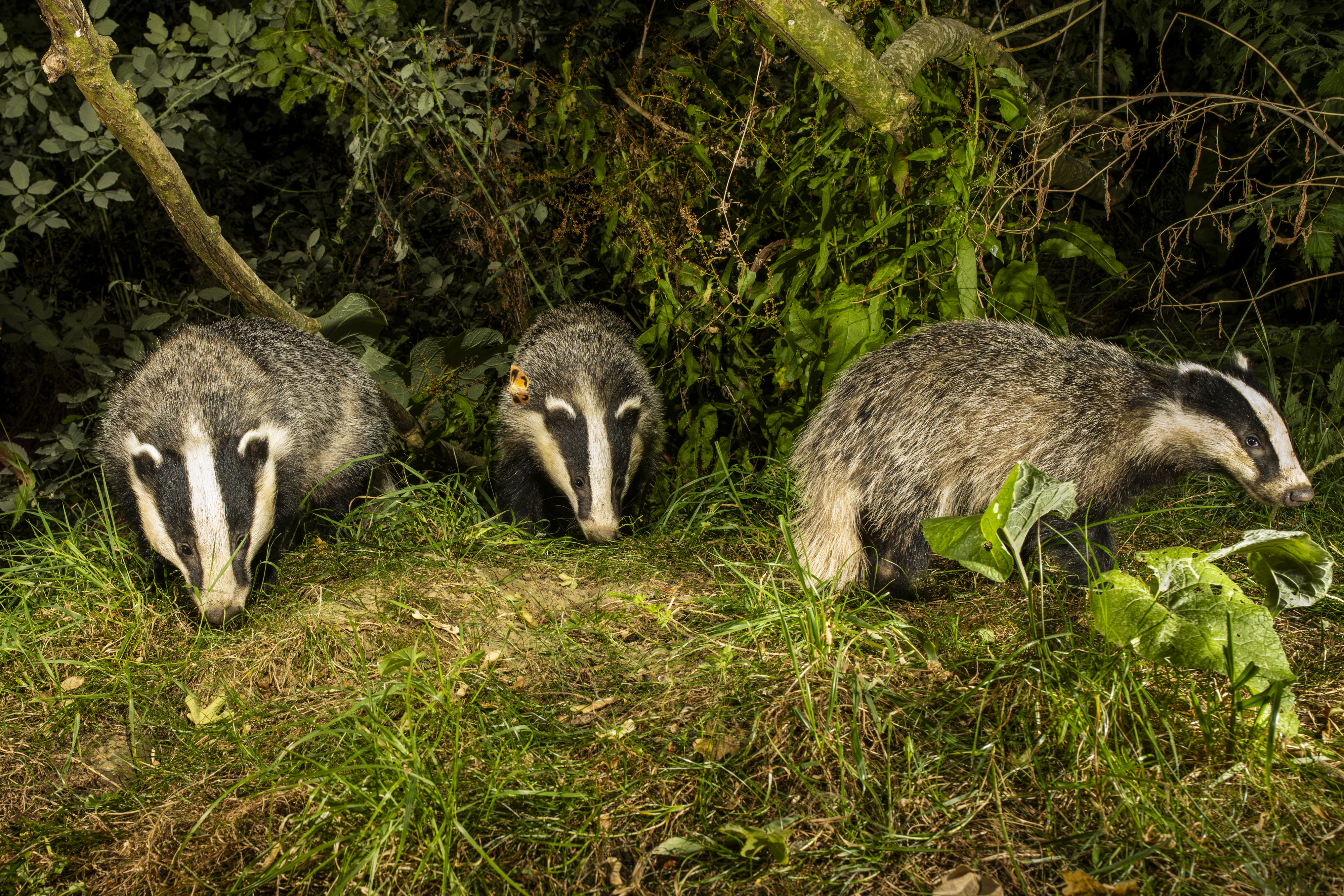
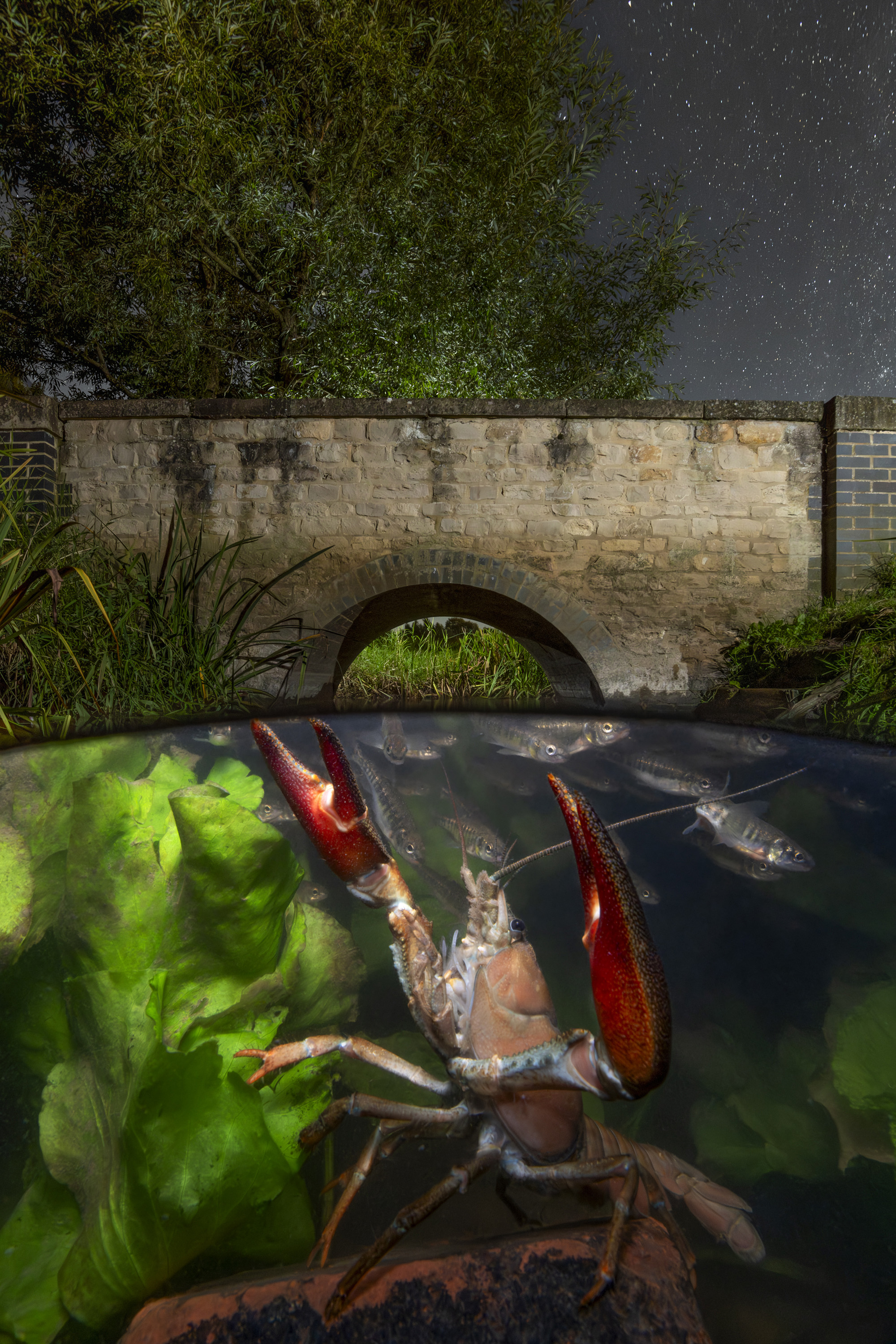
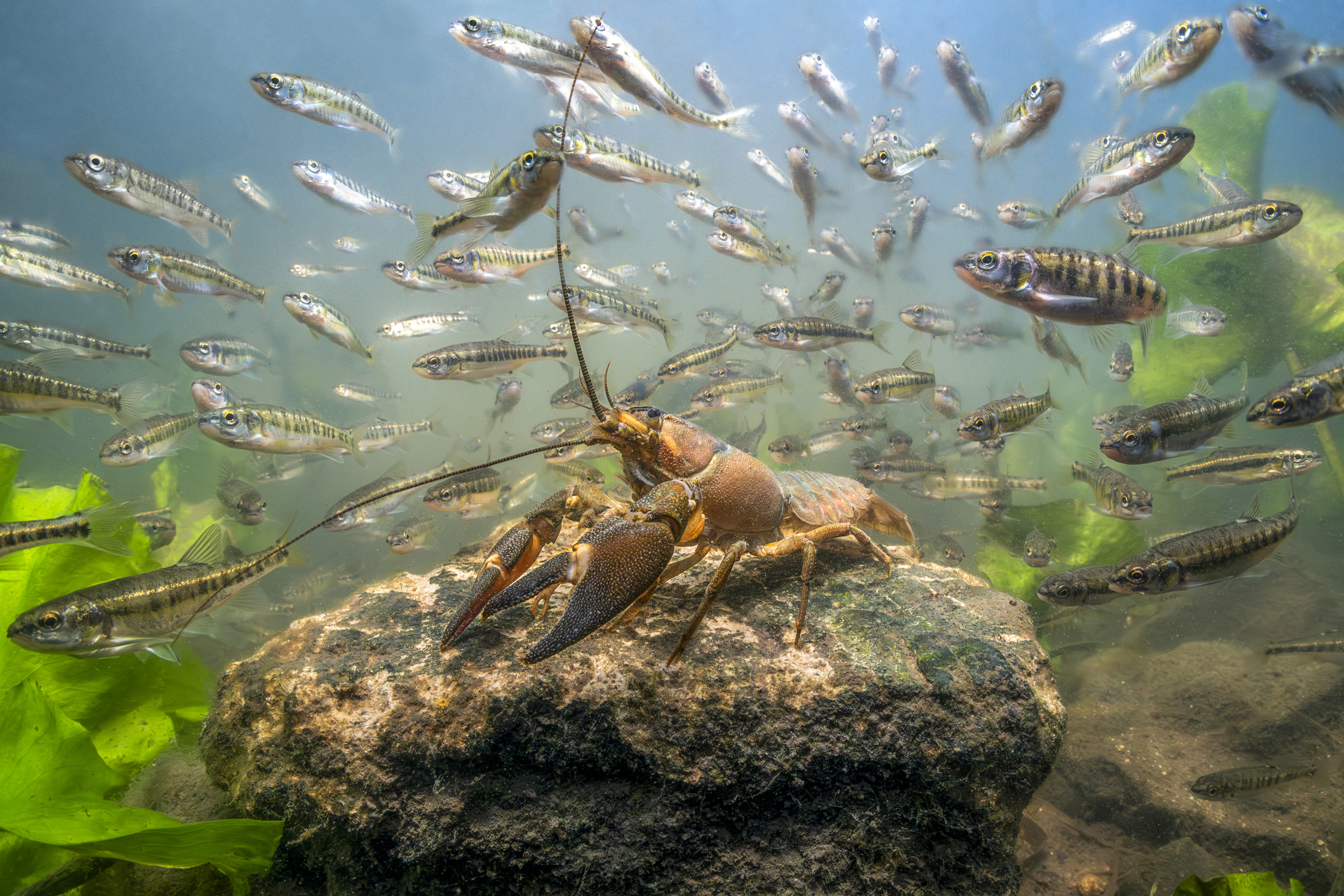
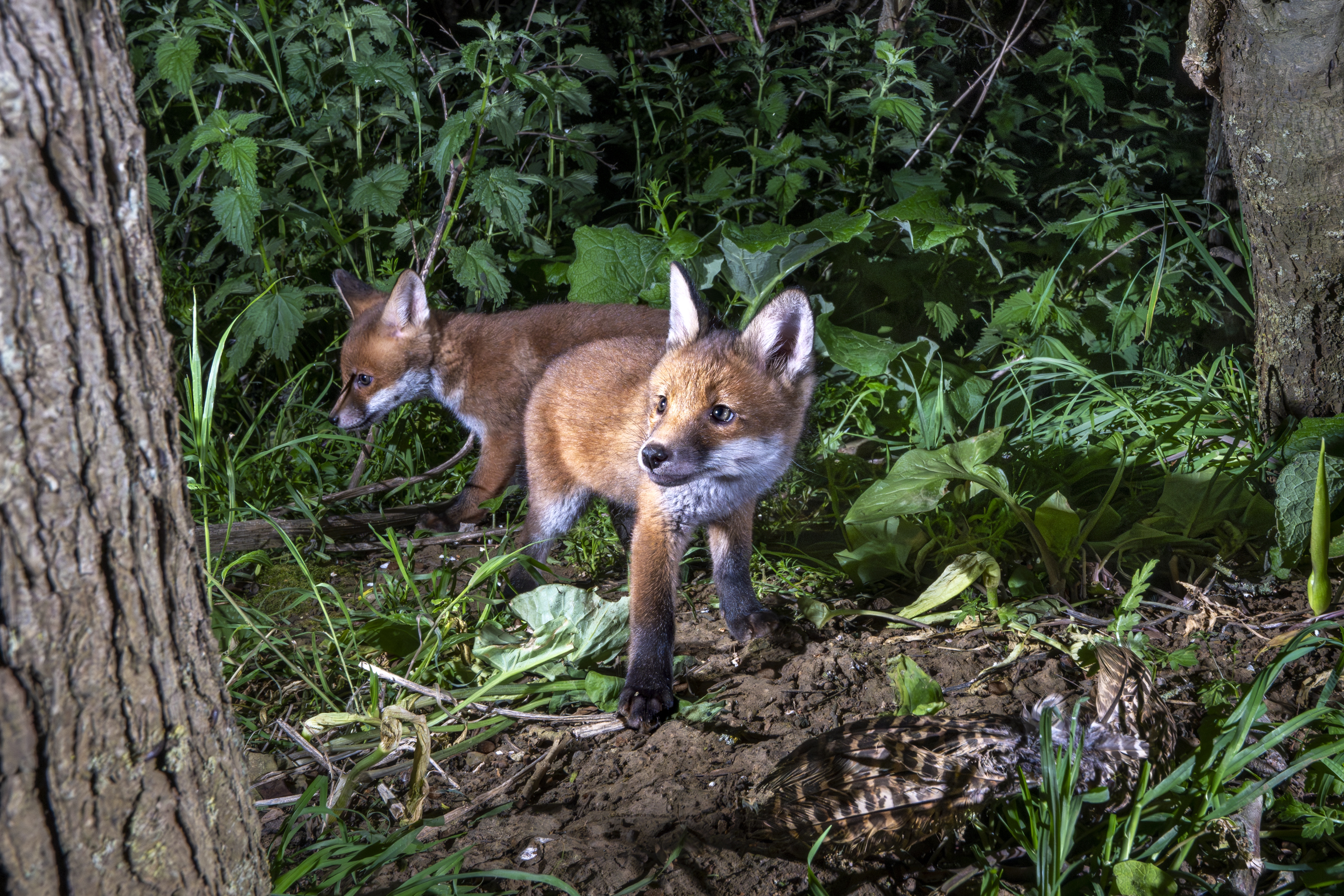
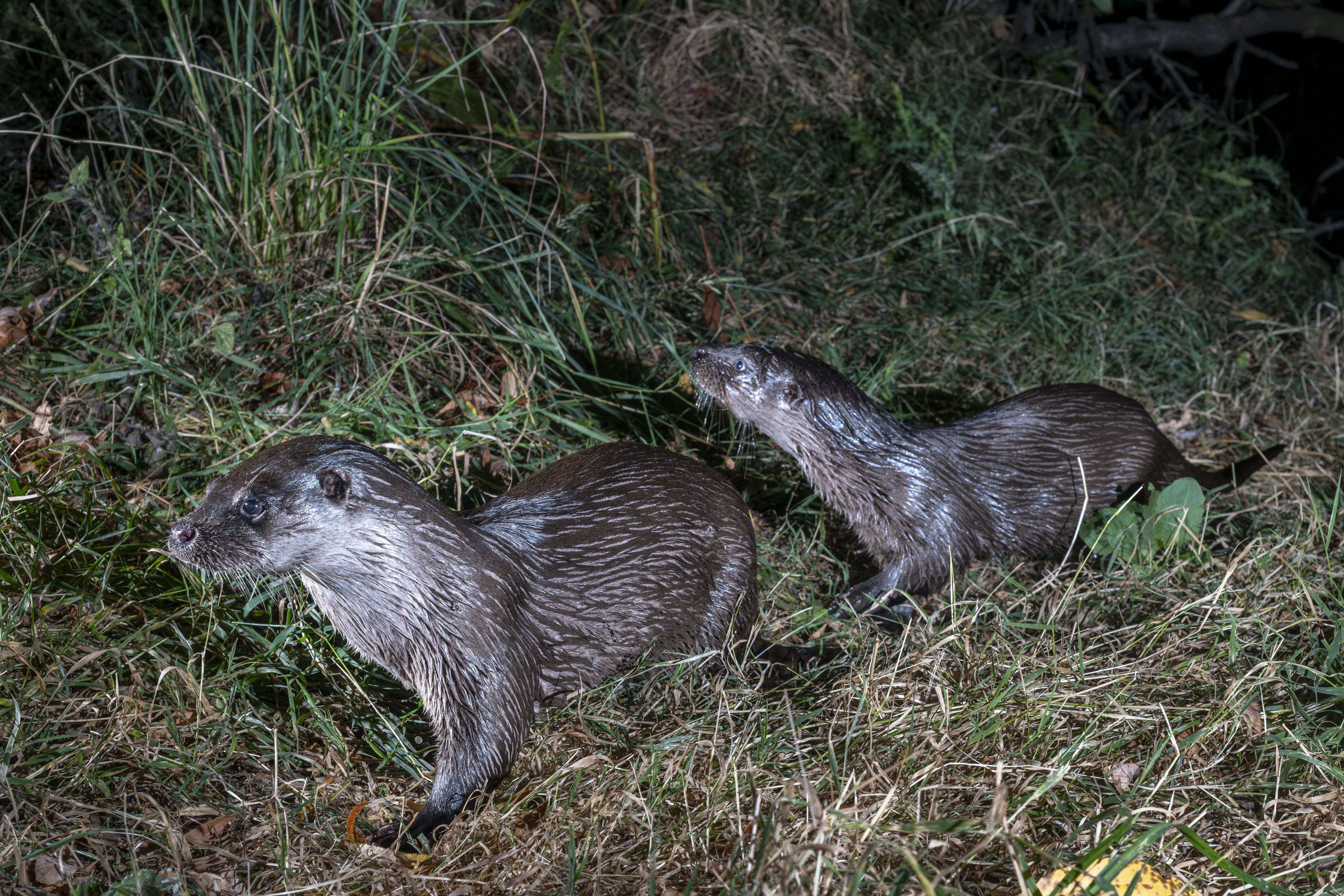
At Pennyhooks, he has become a camera trap specialist. A network of trail cameras identifies where animals are active, and purpose-built still cameras then capture the final images of badgers, foxes, deer, and otters. An underwater camera records life in the farm's brook.
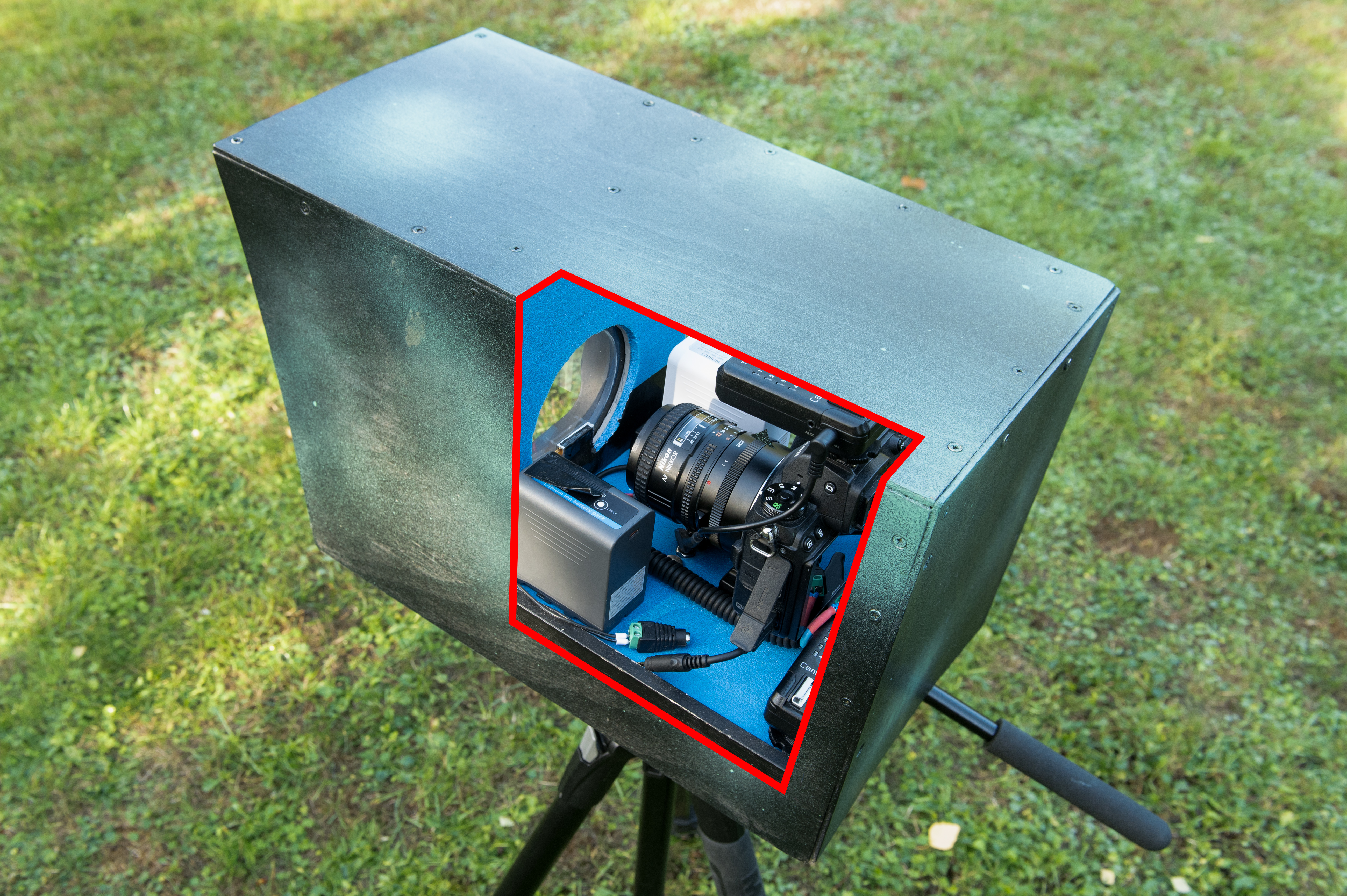
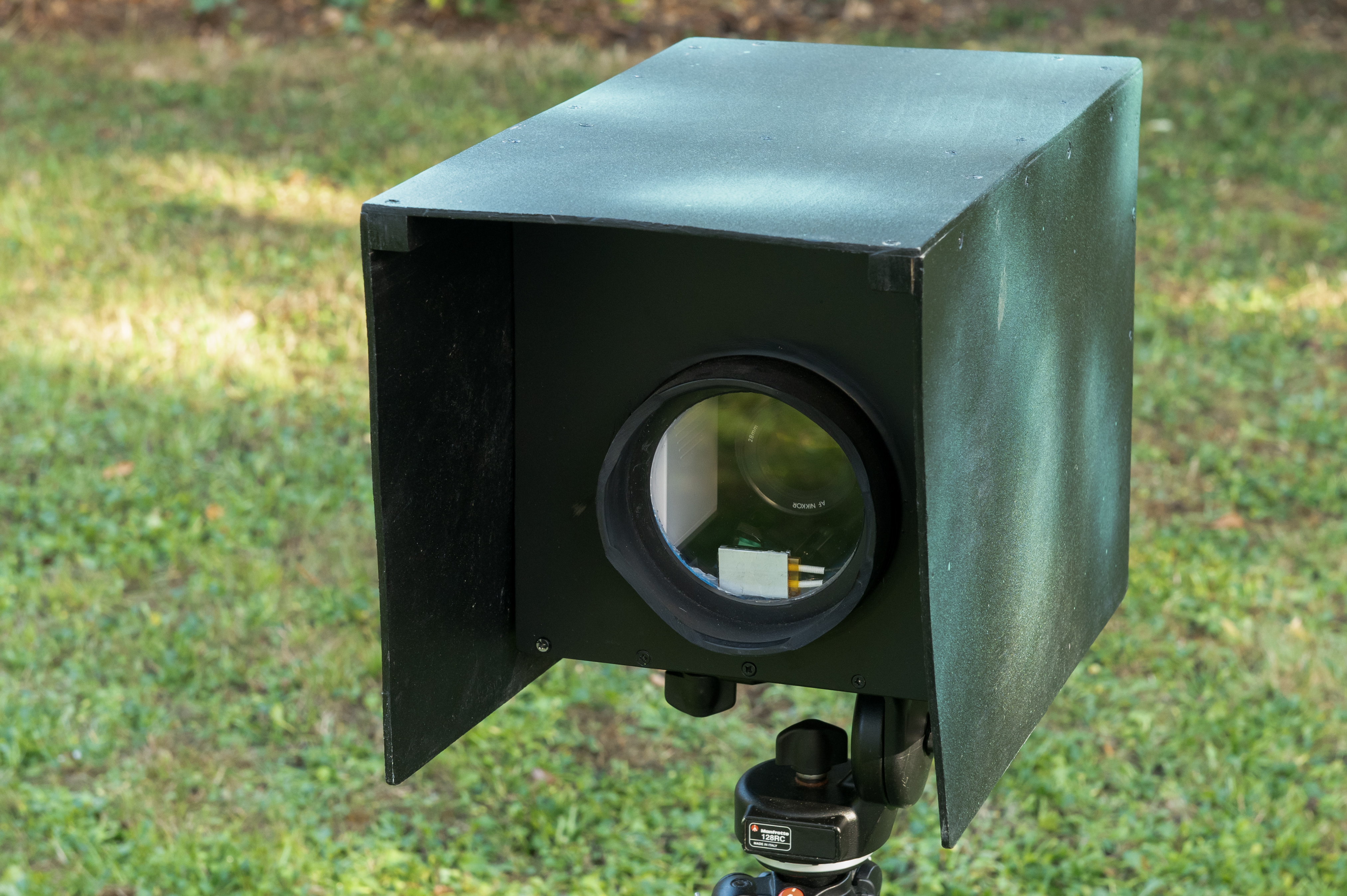
Two of the camera traps were built from scratch. Paul found that commercial housings offered too little internal space for the large batteries needed to leave equipment undisturbed for months, and frequent visits can unsettle nocturnal animals with a keen sense of smell. His housings are hand made of wood, which allows precise tailoring to his needs and is more recyclable than plastic. Time in the field has added an unexpected benefit. "Birds perch on them and poop all over them, and spiders build webs around them," he says. "It has been a real godsend. The animals begin to accept the trap as part of the environment."
Work with the students
Each week, Paul edits trail camera footage into a short film for the students. He has found that moving images and sound hold their attention particularly well. "Many autistic people struggle with eye contact, and some can’t or choose not to speak," he says. "But they love moving pictures. They are absolutely riveted." Carers then encourage the students to write or talk about what they have seen.
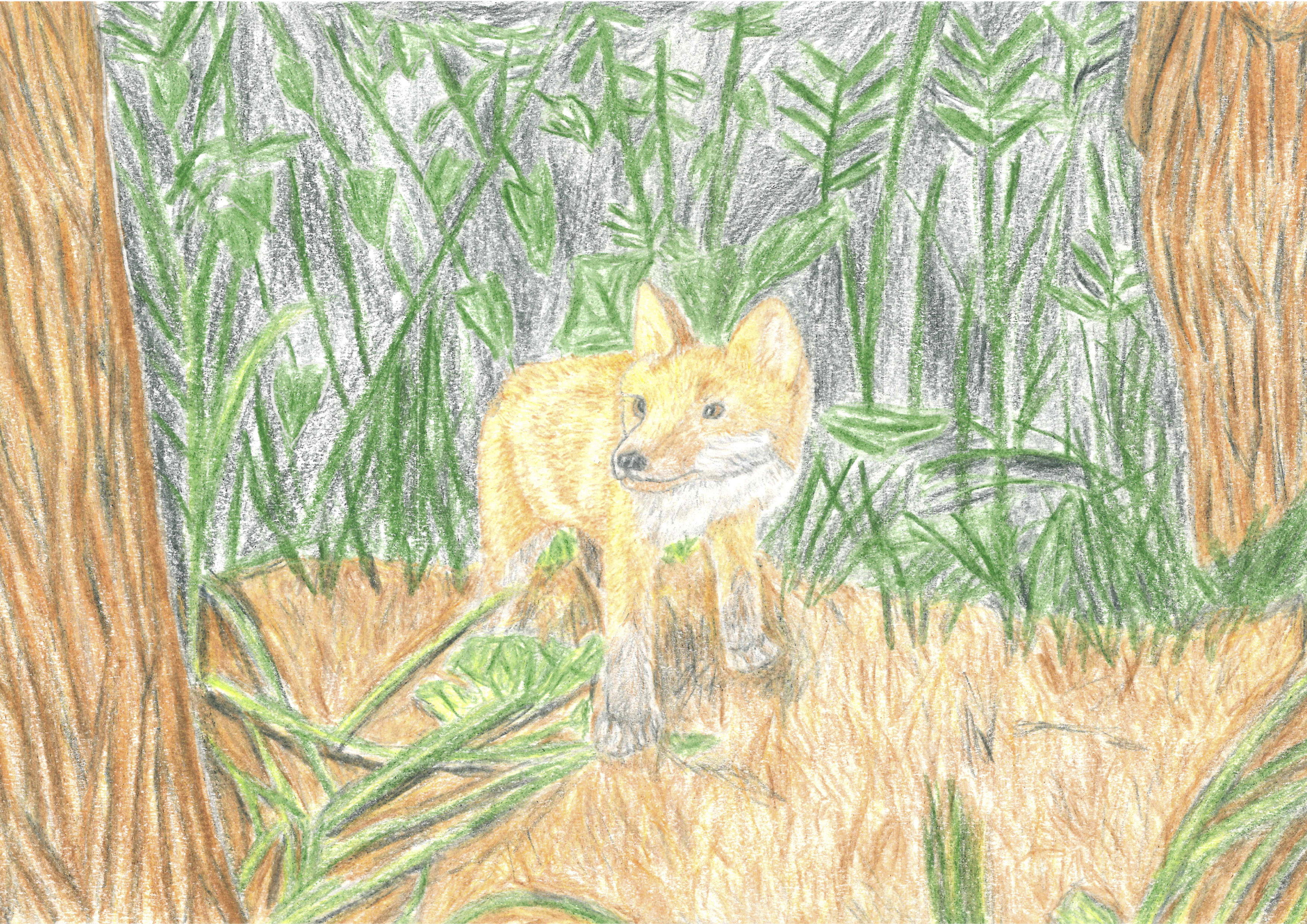
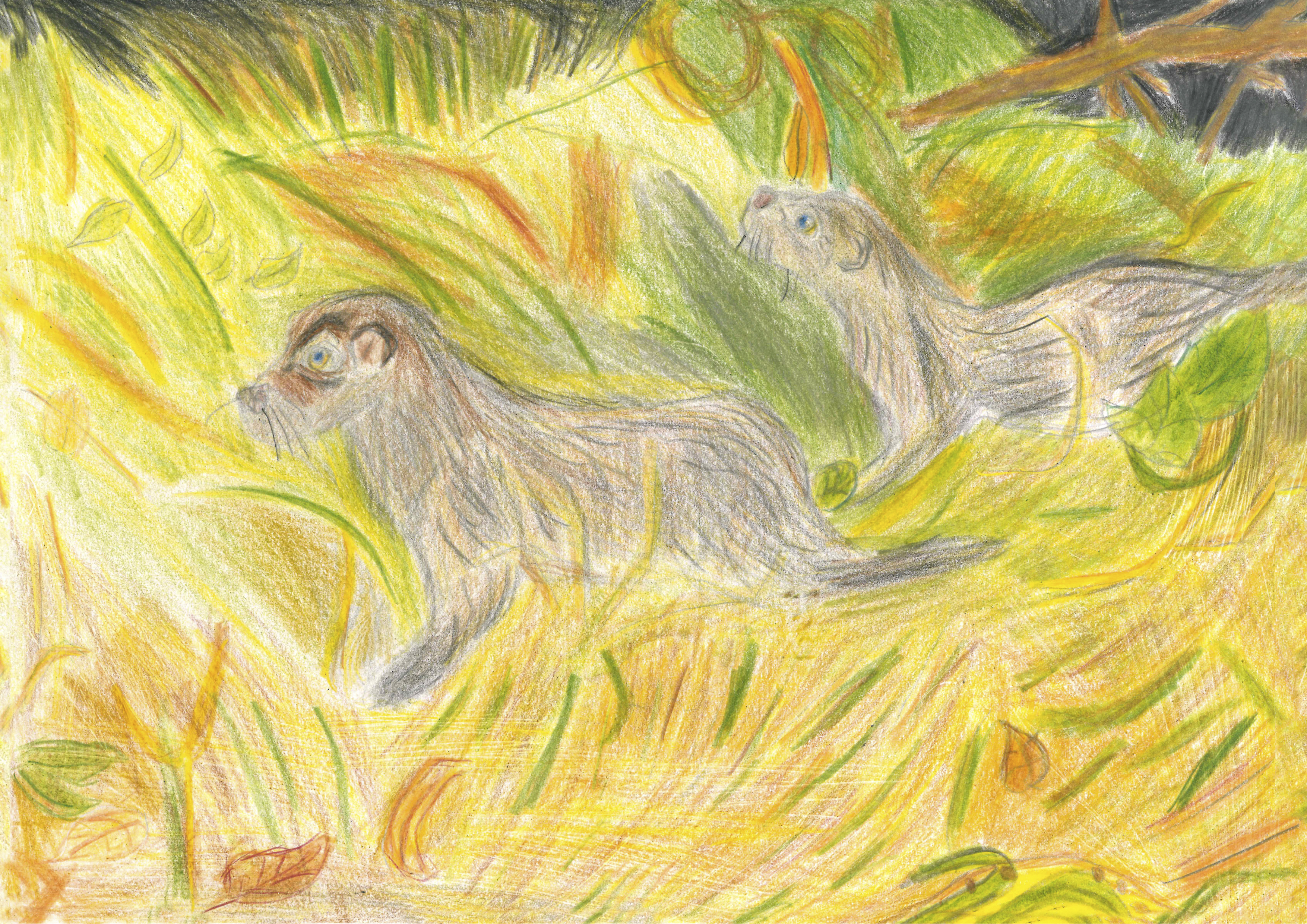
Paul also presents the still photographs from the trail cameras, which the students use as the basis for their own artwork. He describes this as a quiet, mindful activity that many of them value. Several also keep wildlife journals or tick sheets while walking around the farm, connecting Paul’s photographs to the beautiful space.
Art that supports the trust
The students' artwork that they base on Paul’s photographs is sold to help fund their care, appearing on calendars, porcelain mugs, and coasters. Paul's first calendars featured only his own photographs, but in a recent anniversary edition these have been paired with the students' interpretations.
The students notice how their products are selling, and the effect is clear. "When an item sells well, there is a pride you can see all over the individual's face," Paul says. "They know they have created something that is worthwhile because it contributes to their care." Even students who do not speak have written about how much the farm means to them.
A different kind of reward
Paul has contributed to the creation of marine protected areas in Cambodia and the Atlantic, work whose benefits he expects to emerge over 10, 15, or 20 years. He regards Pennyhooks as different in kind. "This is immediate, personal, and tangible," he says. "I reflect on how fortunate I have been, and to watch people who have not had the same fortune find reward and enjoyment is a completely different level of satisfaction. It drives me to work a lot harder."
His advice to other RPS members considering similar work with their photography is brief. "Take any and every opportunity. People who help others are happier, so everybody wins."