
Zooming in on the unsung by Fran Monks
To coincide with the fifth anniversary of the Covid-19 pandemic, a portrait photographer reflects on how she used remote photography during this time to capture global images of less visible people and tell their stories.
In March 2020 Covid-19 cases were rising, and we were being asked to stay at home as much as possible. As a portrait photographer, most of my commissioned work was being postponed, and the three exhibitions I had on show in Oxford were, one by one, being closed to the public. I was in the middle of a project asking people who disagreed about a political issue to hug for a portrait when suddenly I found myself in a world where people could not hug their friends, let alone their enemies.
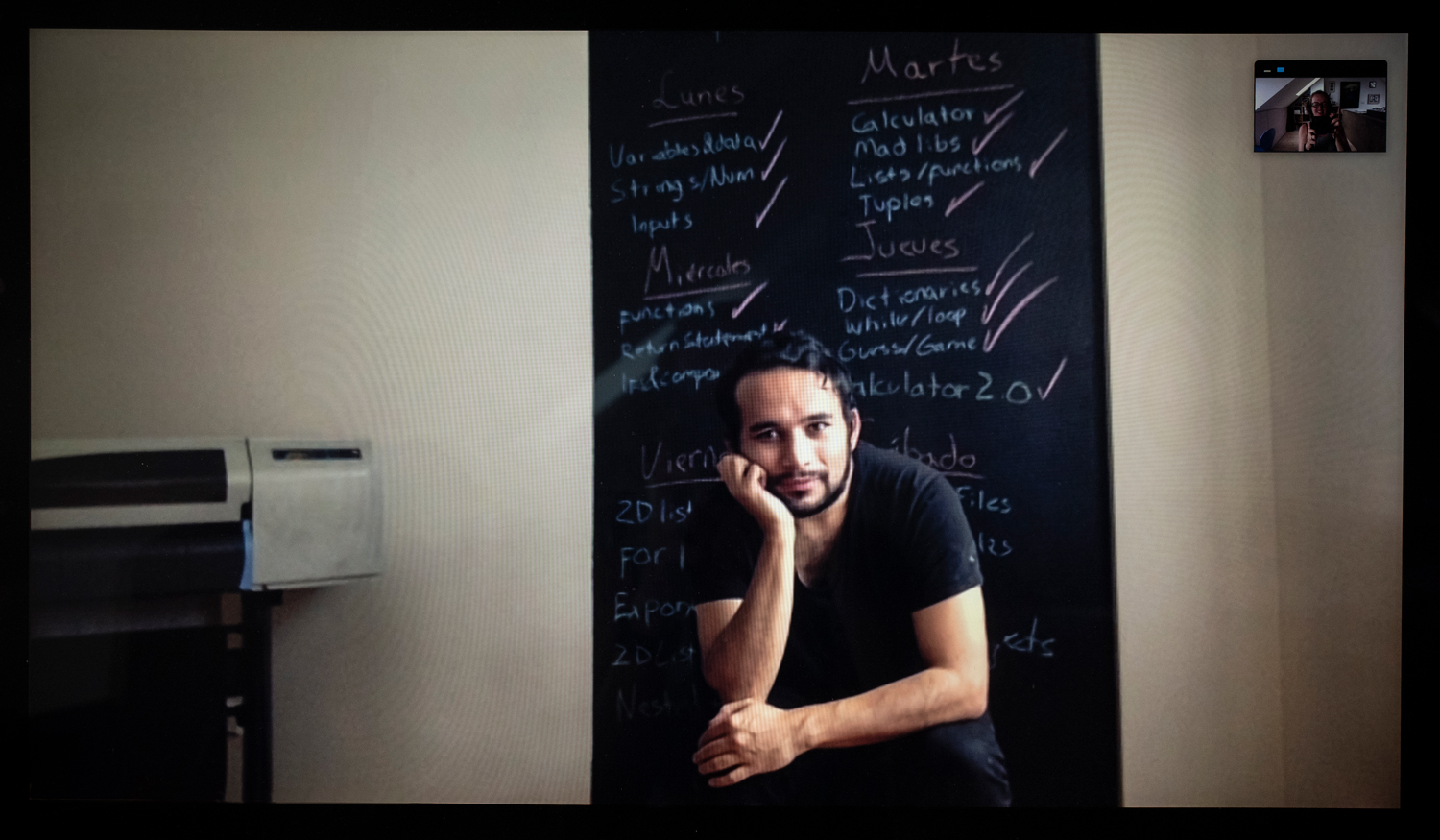
Juan is an artist living in Colombia. (Header images)
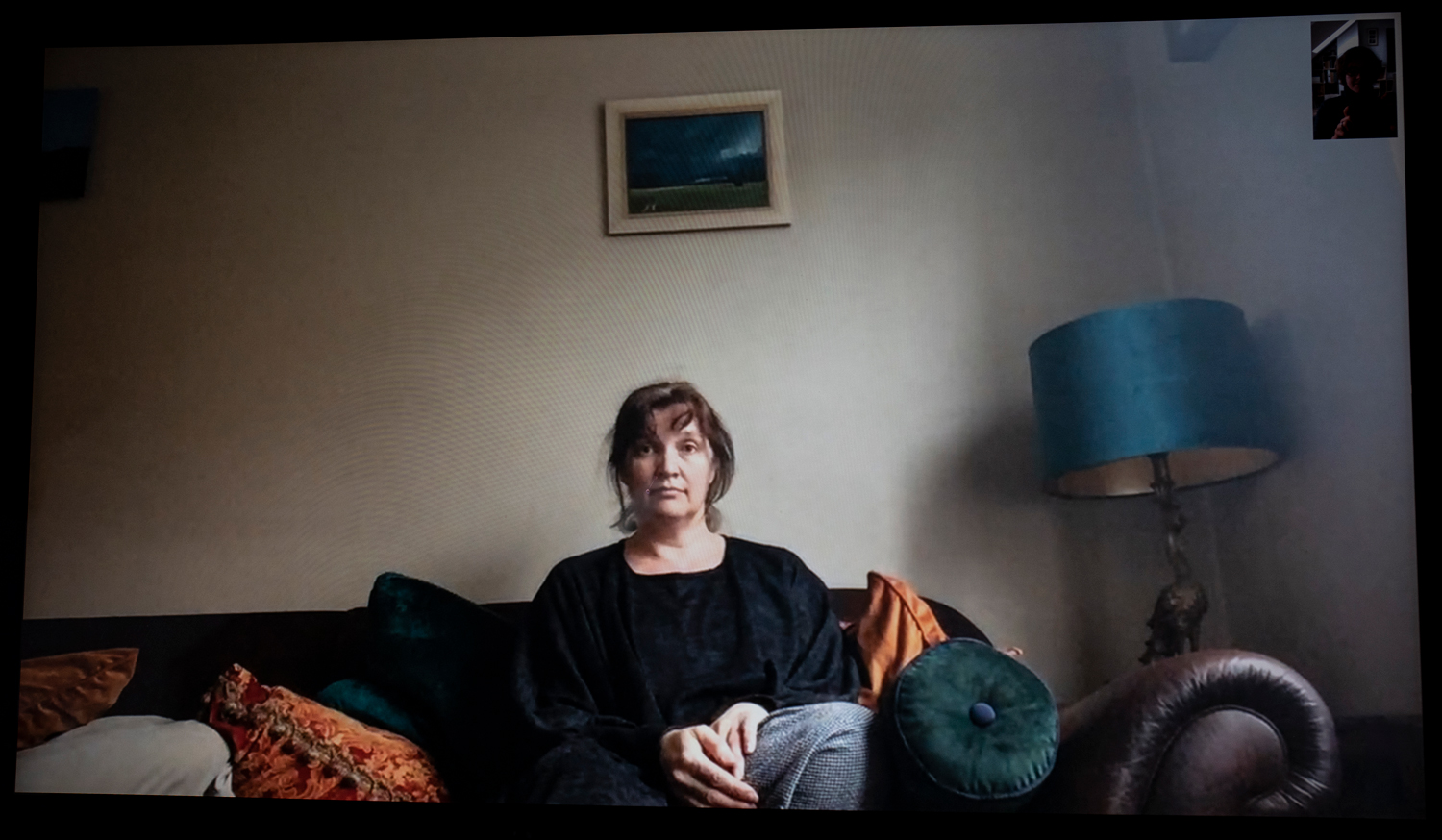
Luckily, I remembered one of the project ideas lurking in my “someday” spreadsheet. I had long thought that it would be interesting to try photographing people far away via Skype. As people started social distancing around the world and using video calls as their main form of communication, I realised I had the perfect opportunity to experiment with remote portraiture.
"Normally, I do not have to share so much of my process with the sitter but now I had to collaborate with the subject"
In normal times, my portraits aim to celebrate the under-celebrated. I want to make images of people telling their untold stories. At the start of the pandemic, there were loud accolades for the key workers who were getting us through the immediate crisis. Those isolating at home were less visible, but also playing a valuable part in managing the pandemic. I wanted to document some of their stories at this extraordinary time and decided that a Zoom portrait series could be the way.
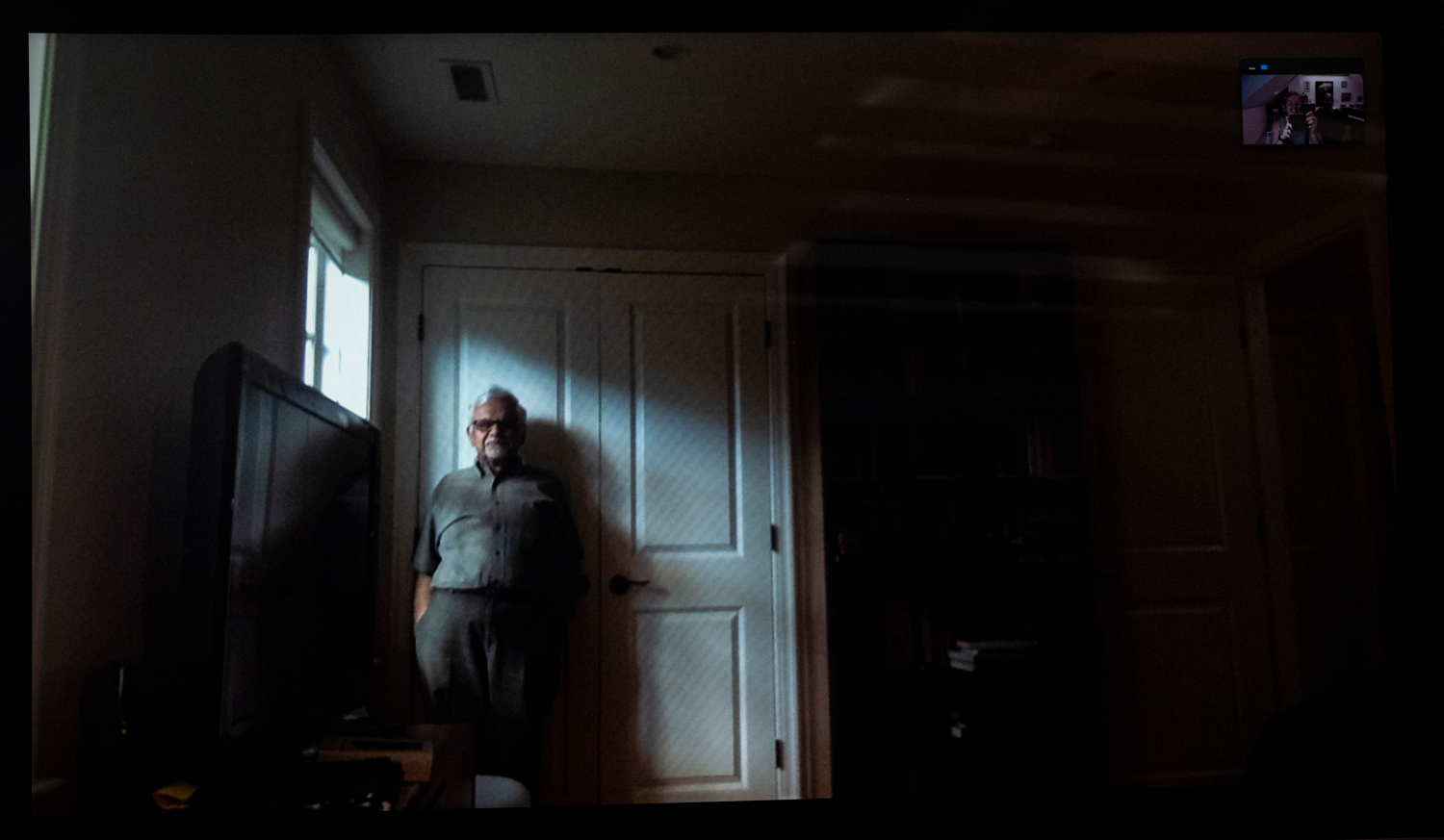
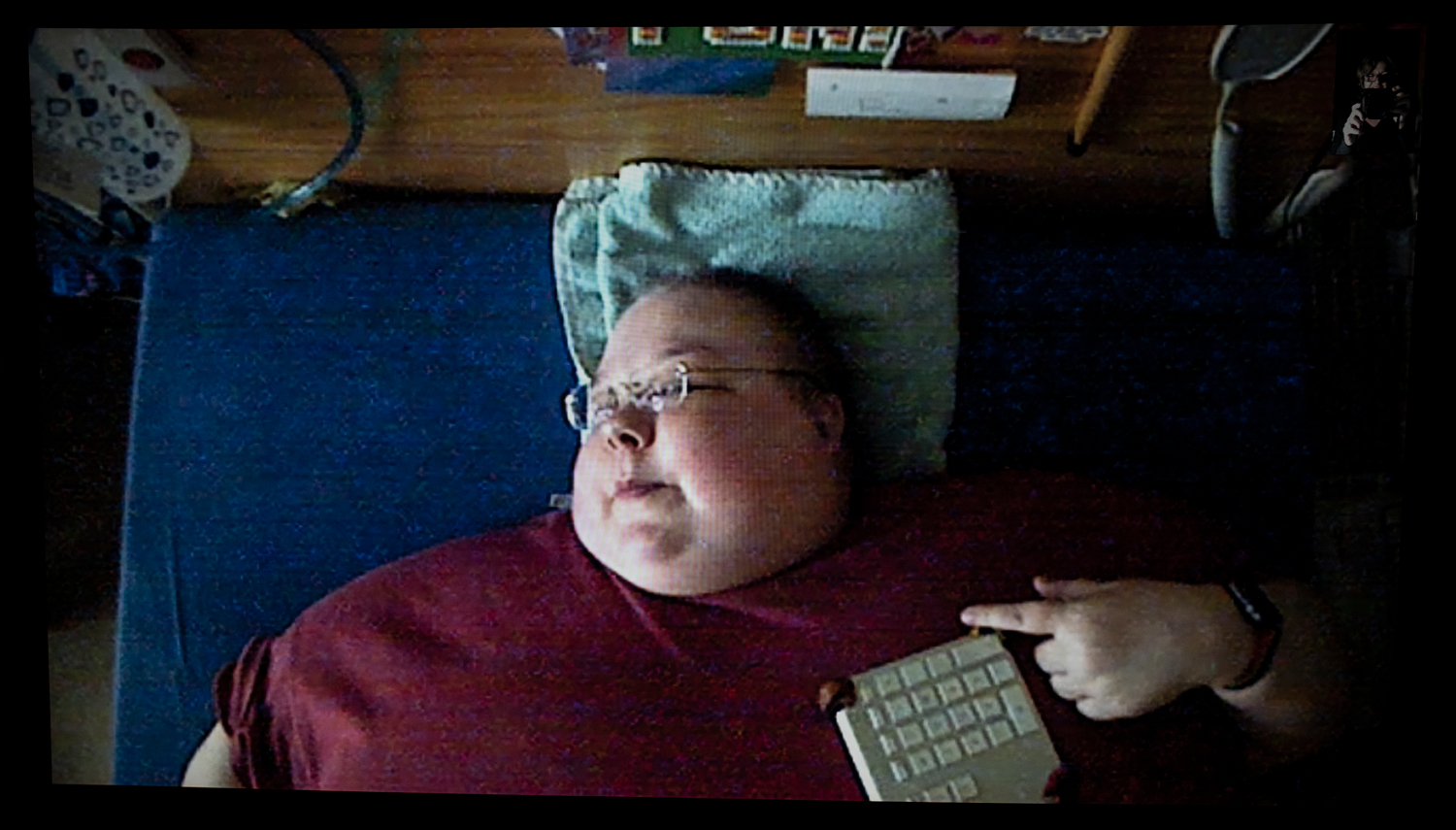
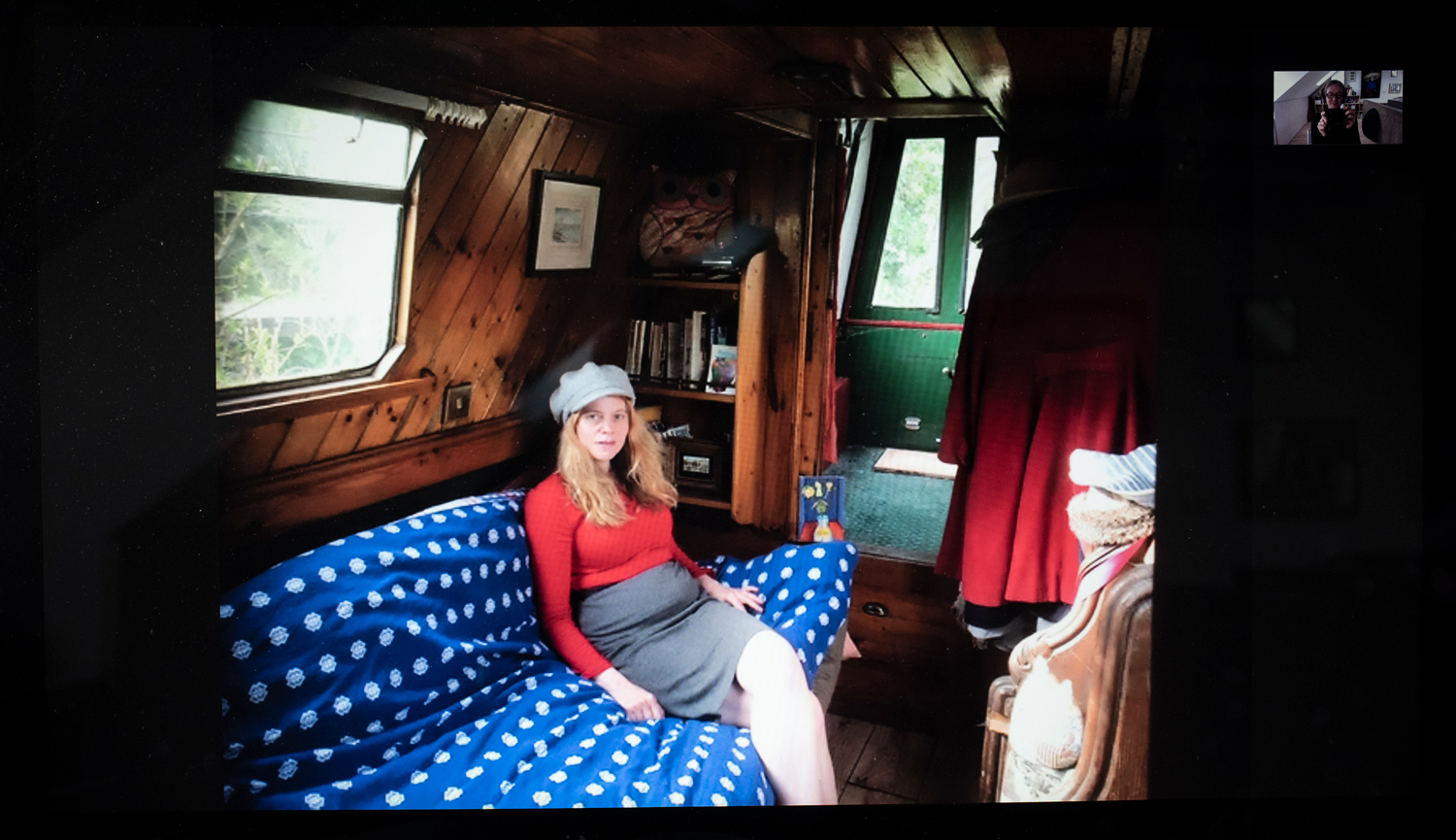
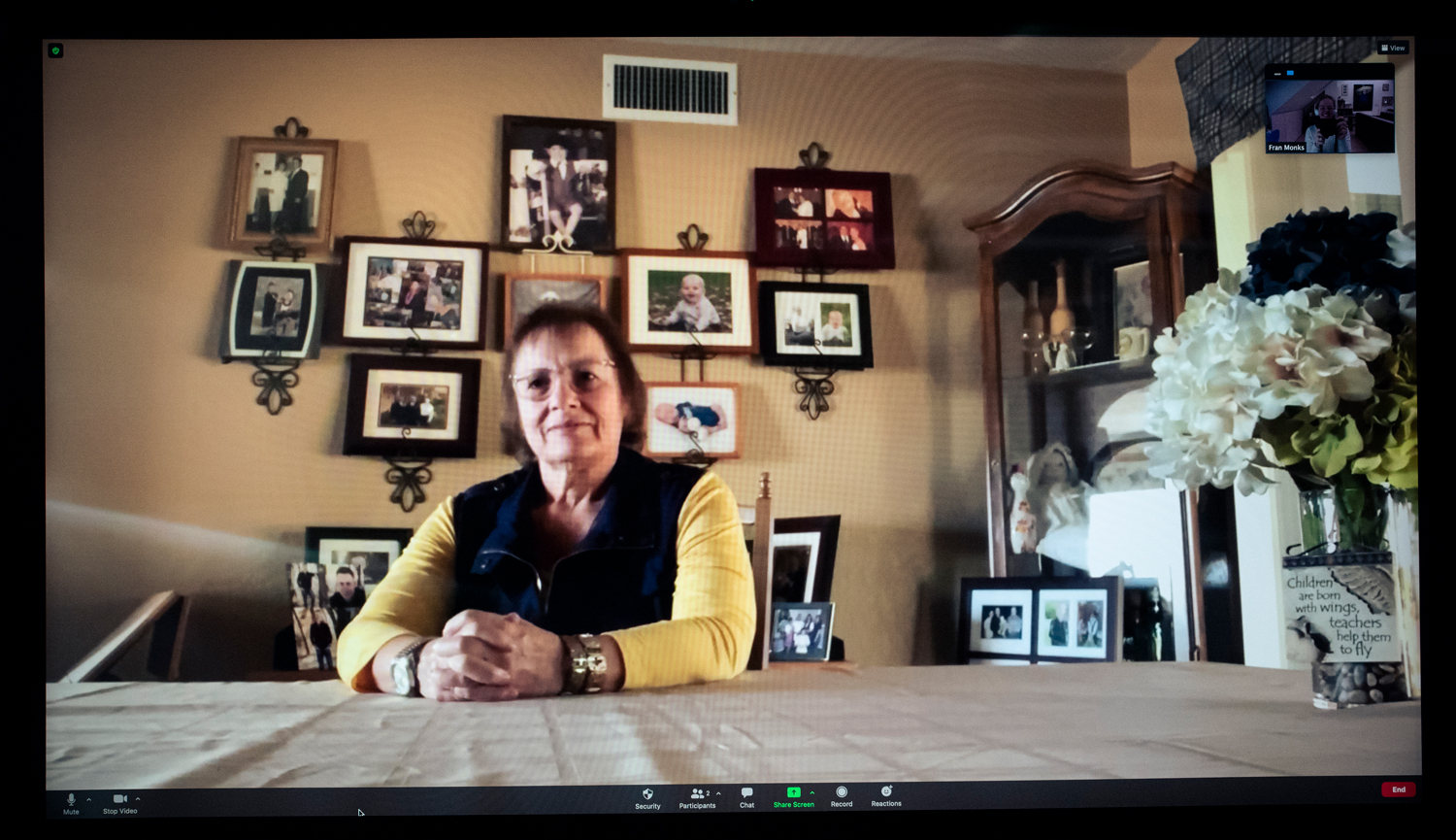
I started by asking a good friend of mine who is on immunosuppressants and was early to self-isolate at home. She happily agreed to take part. Later, I put out a call on Twitter and Instagram and gathered volunteers from around the world: there was a friend’s 81-year-old mum who was living alone in Edinburgh and didn’t know how to use FaceTime until I talked her through it; people in Spain and Italy who were ahead of us on the pandemic curve; even a woman in Australia who had been bed-bound for 20 years and was enjoying the fact that so much activity had moved online during the global lockdown. The volunteers kept coming.
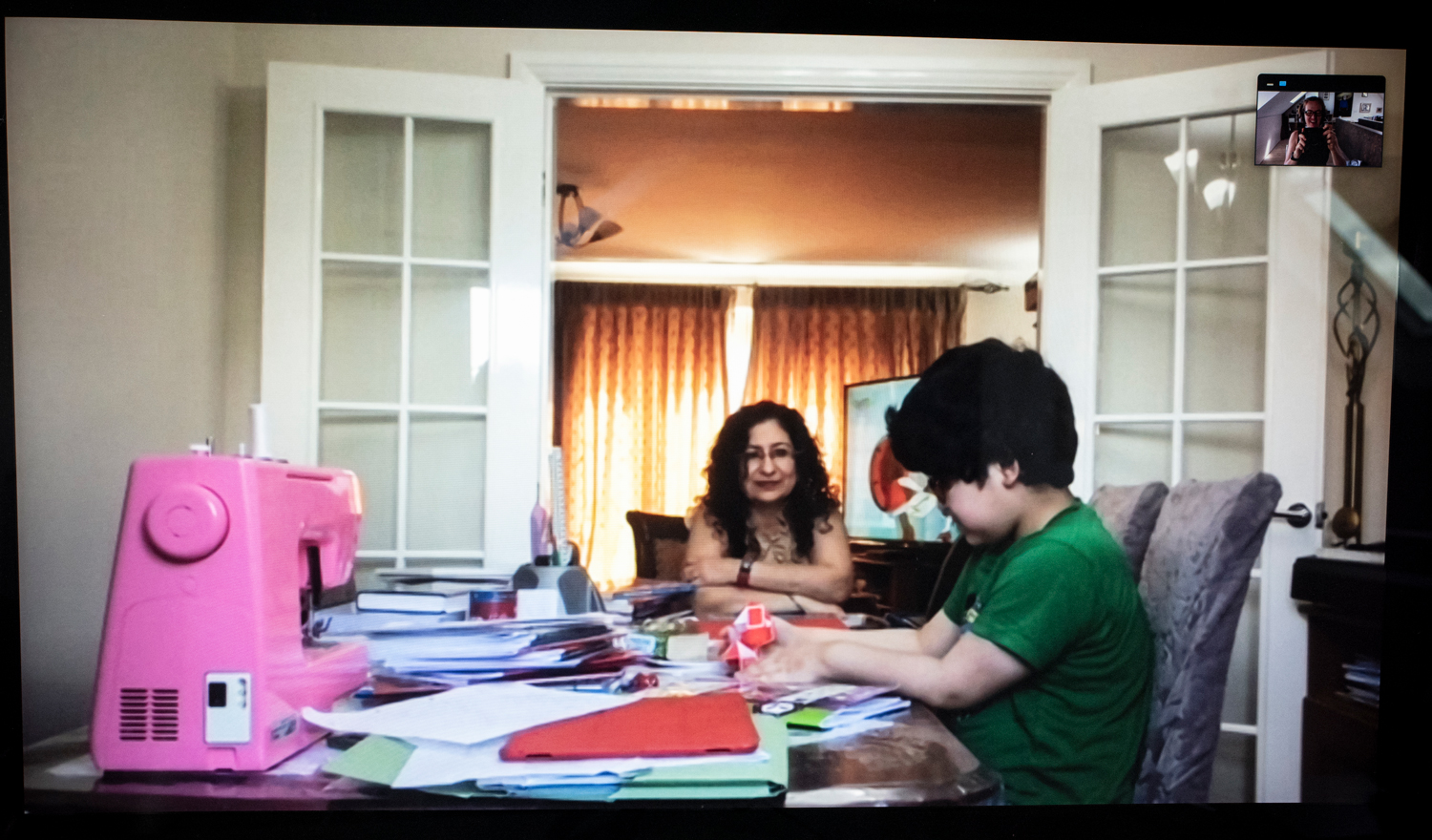
Despite the constraints, I enjoyed this new way of working. I’m used to meeting people who I don’t know and trying to put them at ease to create a portrait. Normally, I do not have to share so much of my process with the sitter but now I had to collaborate with the subject. First, I asked them to show me around their spaces. Then, I would make a quick assessment of the light, and ask them to place their camera device in a location that gave me a view that I was happy with.
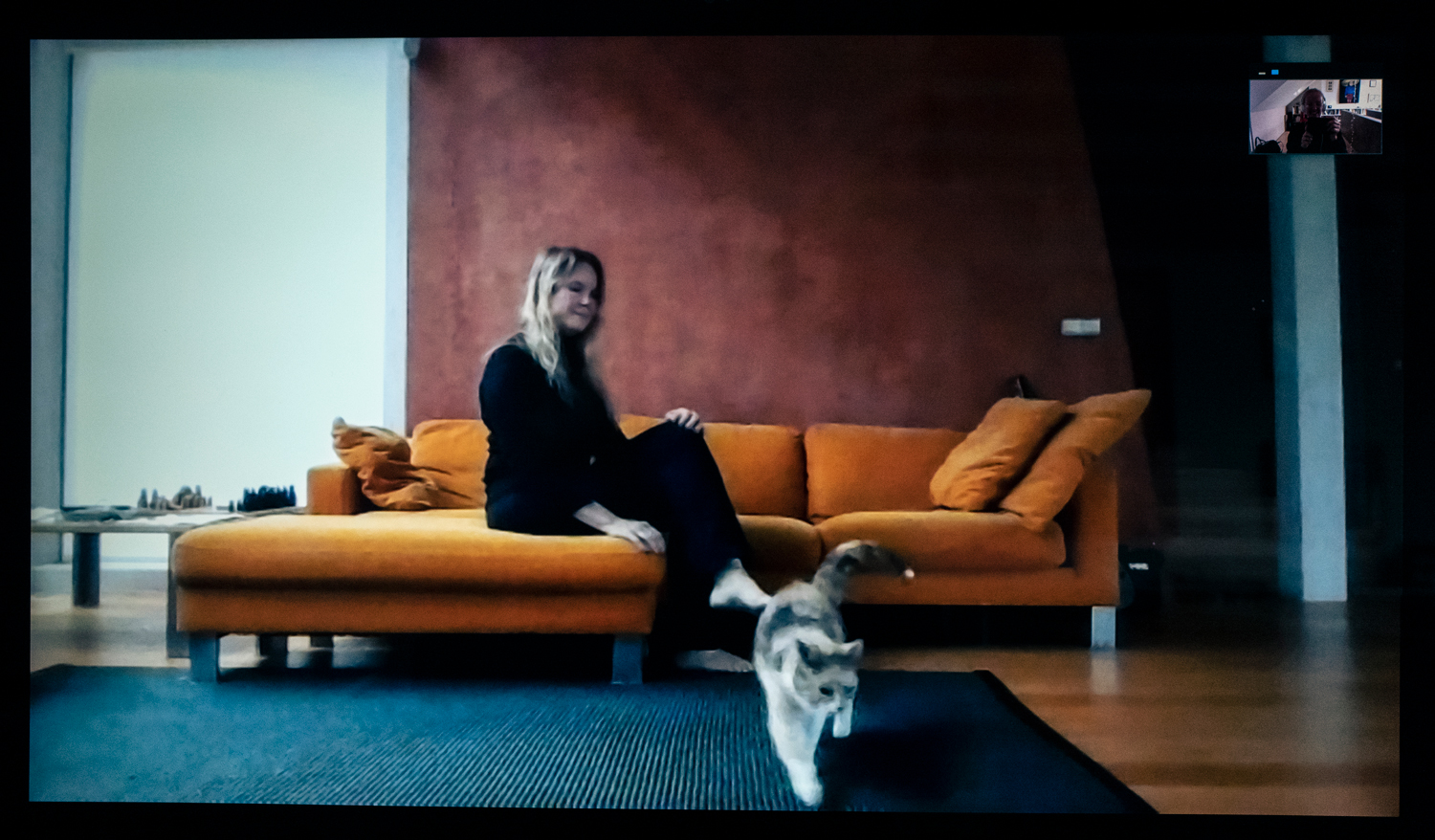
Light is something that every photographer needs to think about, but this approach introduced new technical challenges — bandwidth, hardware and webcams all affected the final image resolution and quality. At first, I made close-up portraits, but then I decided that the images were more interesting with more of the environment included. Using this strategy, the portraits looked different from the mugshots that were becoming so familiar from daily Zoom meetings.
Once the image was framed, people were often surprised when I got out my Leica Q camera to photograph the screen. Other photographers working remotely were taking screenshots to capture the image, or using web platforms which allowed them to control mobile phone cameras from afar. However, I liked the artefacts that I got as a result of using my camera and a screen. Even though these portraits were made using digital layer upon digital layer, I love the fact that the black border of the computer screen looks like the black border of an analogue negative.
After getting media coverage on BBC and PBS Newshour, I was lucky enough to get some commissions which enabled me to continue the series. I worked with the University of Huddersfield photographing mothers of school-age children in the UK to explore the lockdown’s impact on gender inequality. I also photographed people around Europe for Are We Europe Magazine and people with macular degeneration for a specialist magazine. Undark Magazine asked me to photograph climate scientists who had been ousted from the Federal Government by the Trump Administration.
As the pandemic wore on, I wanted to photograph some people who were participating in the vaccine trials. They were largely invisible, yet their contribution to getting the world out of the pandemic was huge. Again, I used social media to recruit subjects. Privacy rules mean that people on medical trials are rarely exposed to the limelight, so it was fascinating to learn about people’s motivations for taking the vaccines early. They were ordinary people driven by a desire to do their bit to help save lives and, for most, it was the first time they had taken part in a medical trial. Many of the trial participants were also happy to receive a little bit of recognition in the form of a portrait for their role in bringing an end to repeated lockdowns.
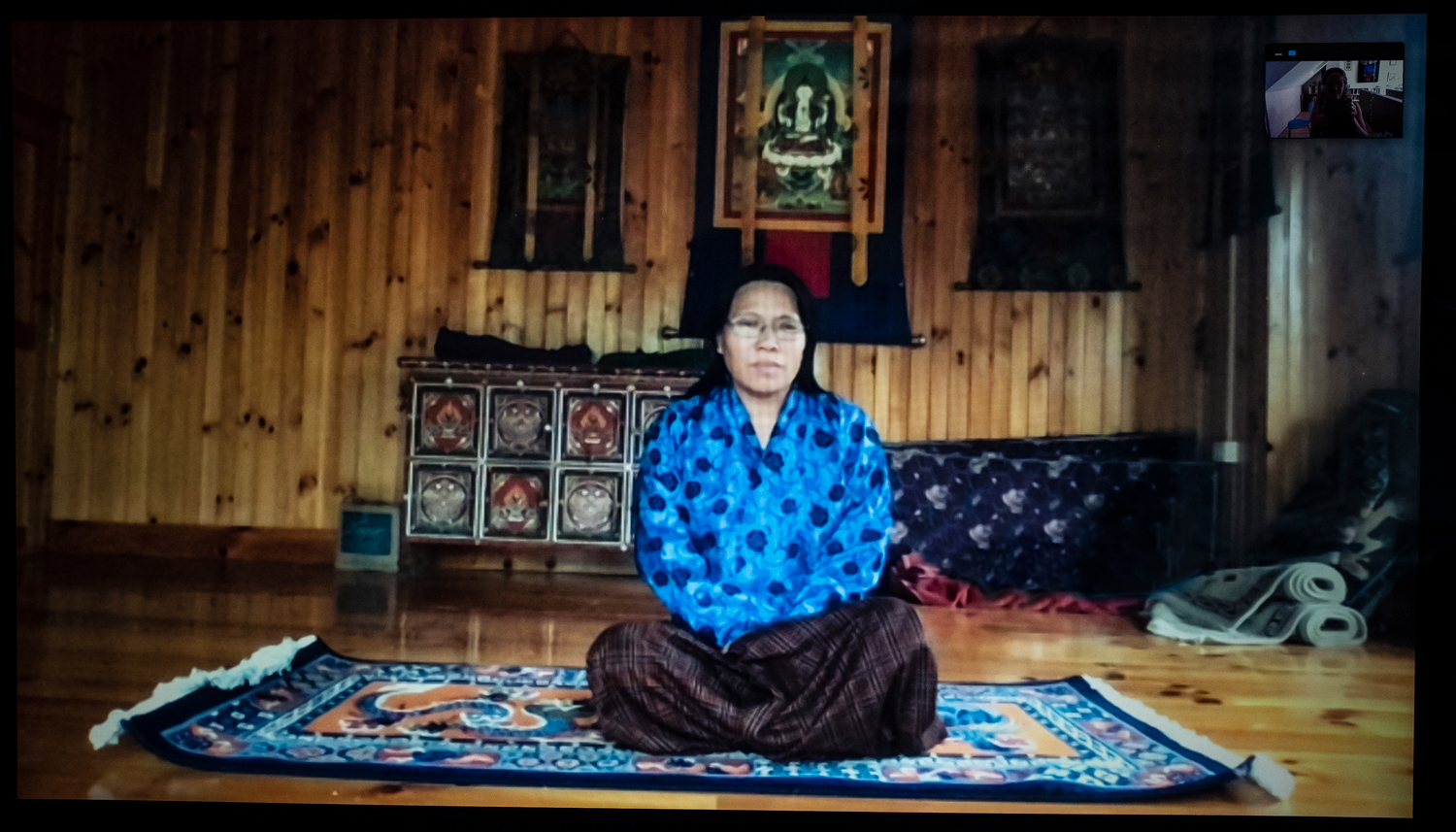
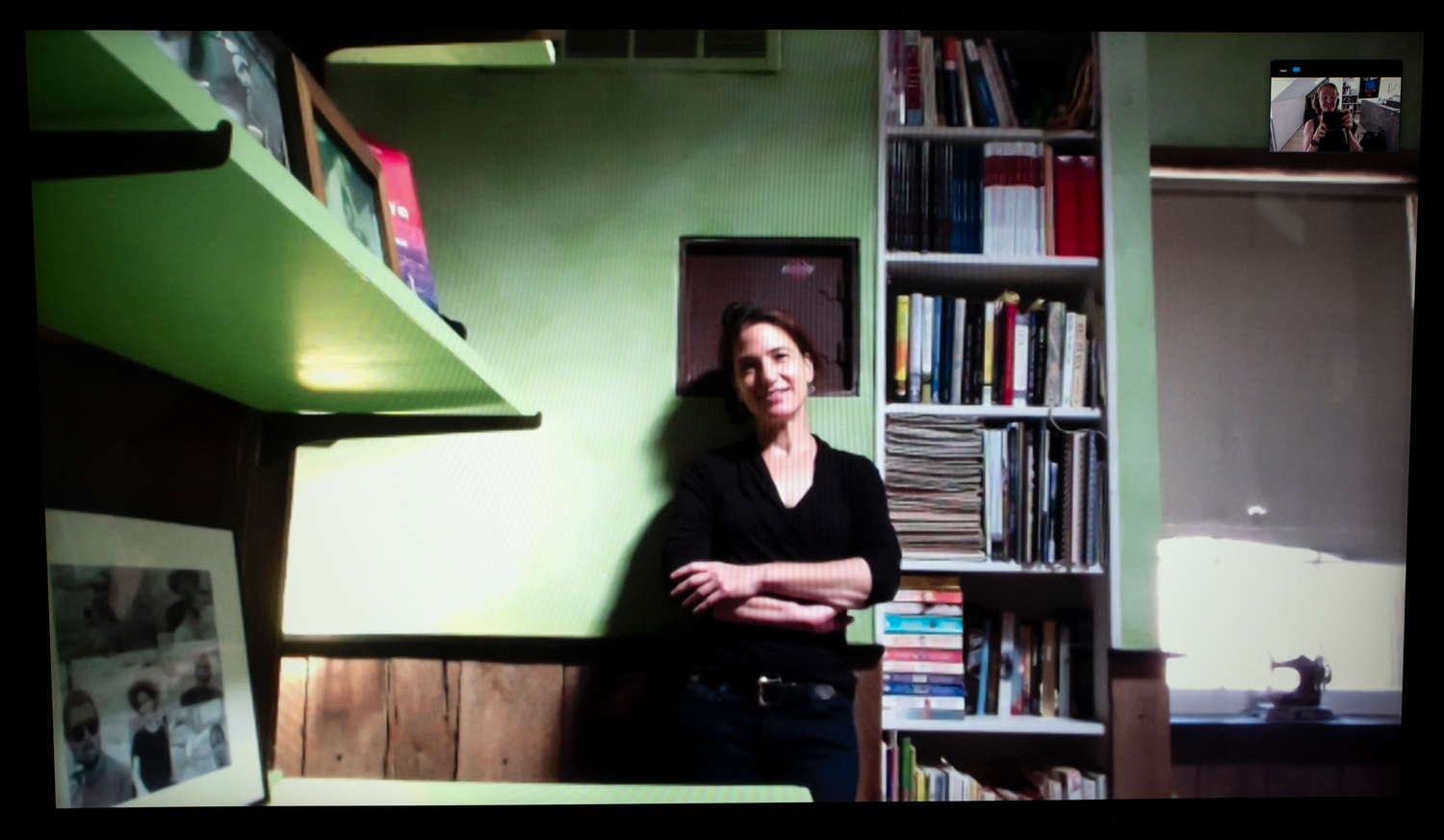
By 2021, life and work were starting to get back to normal, but I wanted to make one final series of Zoom portraits. I had long wanted to photograph the people involved in climate change negotiations worldwide. They are another example of people doing important work who are largely invisible. Given the subject matter, I didn’t want to fly around the world to tell their stories. While negotiations were mostly happening online because of Covid, I realised that remote photography was a way to capture these people.
With the help of an organisation called Oxford Climate Policy, I met a network of international negotiators. It was wonderful to hear about their different experiences and this series, The Climate Change Negotiators, was later exhibited as part of Photo Oxford, as well as at an international climate conference.
I’ve continued to make occasional online portraits since the pandemic, but it feels like this time has passed. I am happy to be meeting people in person again and be more in control of my equipment and the light. However, I loved this way of working through the pandemic. The next time the world turns upside down, remember that it is worth looking up the “someday” ideas buried on your hard drive.
All images © Fran Monks
About Fran Monks
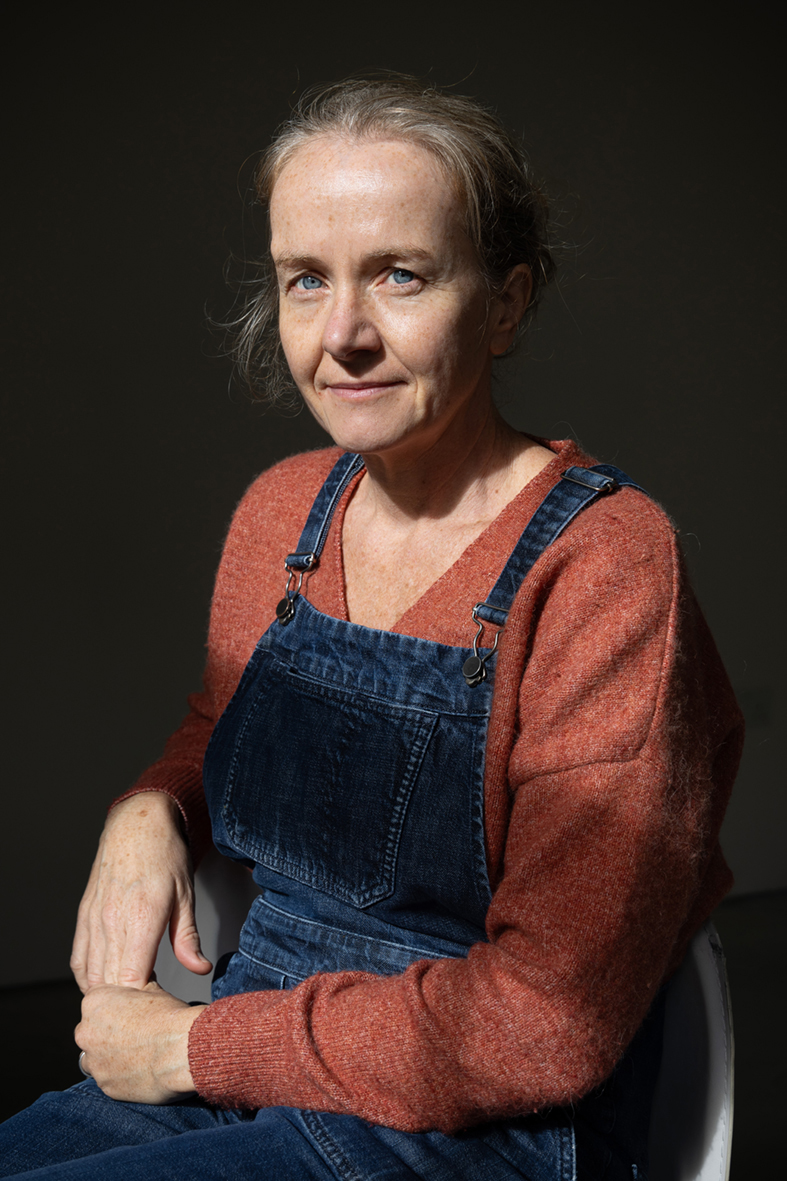
Fran Monks is a British portrait photographer. She is best known for celebrating the under-celebrated through her painterly portraits of individuals who are shaping our world. Her website How to Make a Difference features her interviews and portraits of remarkable people dating back to 2004. She has been widely published in national and international magazines and newspapers.
Monks’ work has been acquired by the Science Museum (London), the National Portrait Gallery (London), the Thackray Museum of Medicine (Leeds), and the Bodleian Library (Oxford). She has exhibited in the Oxford History of Science Museum and the Ashmolean Museum, and her portraits are on long-term display in several Oxford Colleges and Examination Schools; Lancing College, West Sussex; and Selwyn College, Cambridge.
Monks trained as a photographer at the Corcoran School of Art and the Smithsonian Institute in Washington DC and Central St Martin’s School of Art, London.
Website: www.franmonks.com / www.instagram.com/franmonks