
Tia Lloyd - Student focus by Chrisina Osborne ARPS
Through a blend of documentary and abstract photography, a deeply personal exploration of an ovarian cyst diagnosis has transformed into a collaborative project that amplifies the voices of those grappling with reproductive health issues.
I first met Tia Lloyd when she joined a monthly RPS Women in Photography Show and Tell workshop. Tia showed images from Fragility, a personal project exploring her ovarian cyst diagnosis. The blend of documentary photography and photographic abstraction to describe a deeply personal experience has resulted in a stunning collection of work.
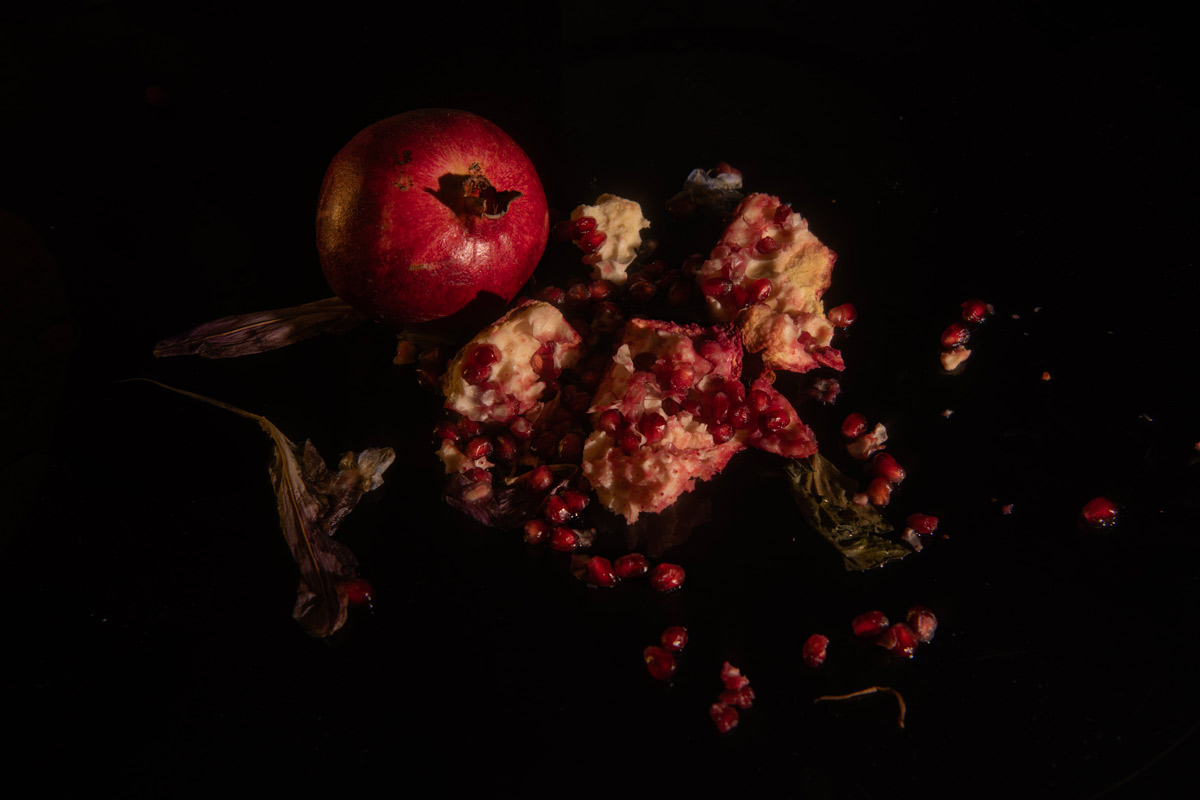
Tia writes: “Within the early stages of my current practice, I began by taking a painterly approach, creating photographs which could be seen as renaissance in style. In this stage of the project, I explored symbolism and semiotics to represent my broken fertility, the smashed pomegranate metaphoric of my fragmented seed.”
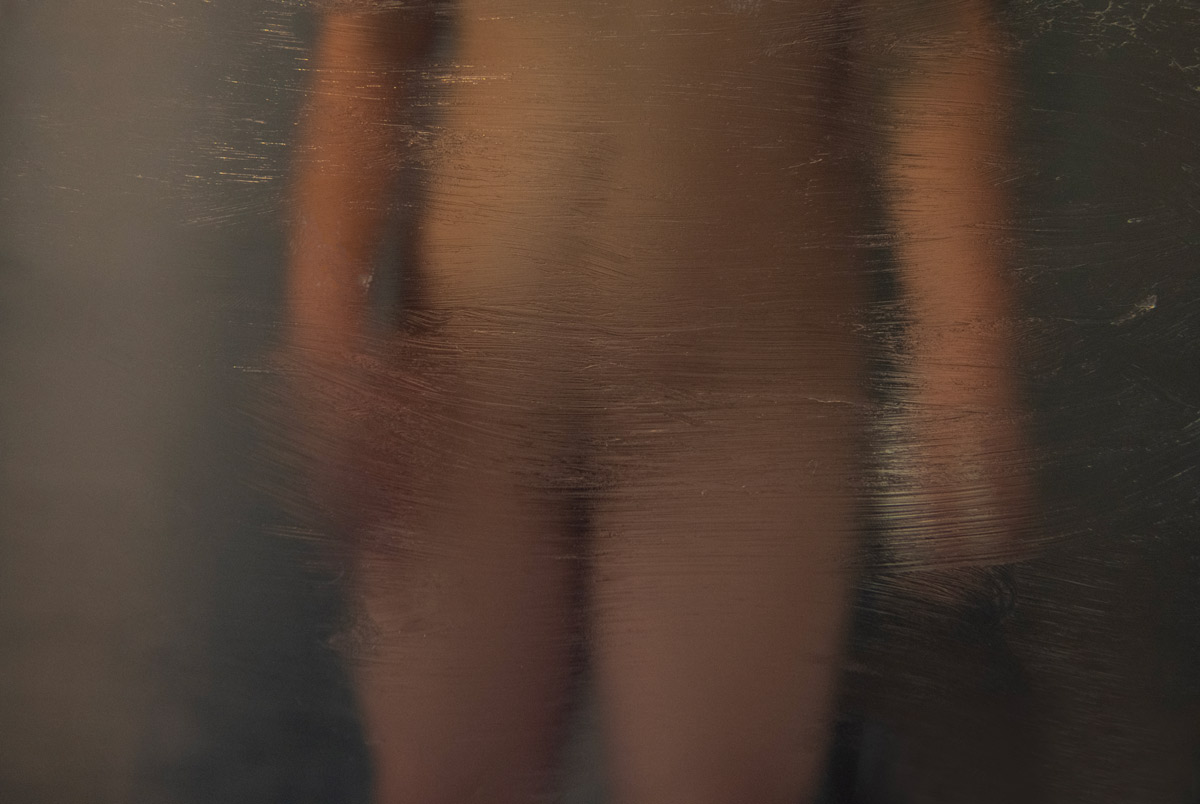
“To Have and to Hold was created at the most uncertain time throughout my experience, a moment between my diagnosis and meeting with a specialist who would determine how to approach the anomaly taking over my pelvis. I distorted my body using lens-based manipulation not only to preserve my dignity but also to symbolise the lack of clarity at that time. The cyst is visible in my left hand as I pass over my fertility to the hands of a gynecologist.”
Tia teaches BTEC Photography to 16-year-old students on the outskirts of Birmingham. She laughs when she tells me that she never dreamt that she would end up teaching for a living. She describes her childhood education as difficult until studying at Dudley College and this was what made her want to give back to today’s youth. “Somedays, it does not feel like I am at work,” explains Tia.
Tia is also a student in the MFA course at Falmouth University. Her earlier works often investigated counterculture. Those images are as stark as her subjects’ tattoos. Behind each portrait, the confidence of the photographer is clear to see. Tia describes this work as having a “rough and gritty vibe”.
In 2024, Tia was diagnosed with a significant ovarian cyst, possibly the result of using birth control medication. She had never thought about having children until she was told it was likely that she would need to have her ovaries removed. “I cannot explain how this feels,” says Tia. “Jesus, some people have to live with this their whole lives. Why does no one talk about it? Why can we not discuss issues around reproductive problems? We hide behind the British stiff upper lip but the reality is that the issue goes beyond physical problems — the mental health aspect is just as important.”
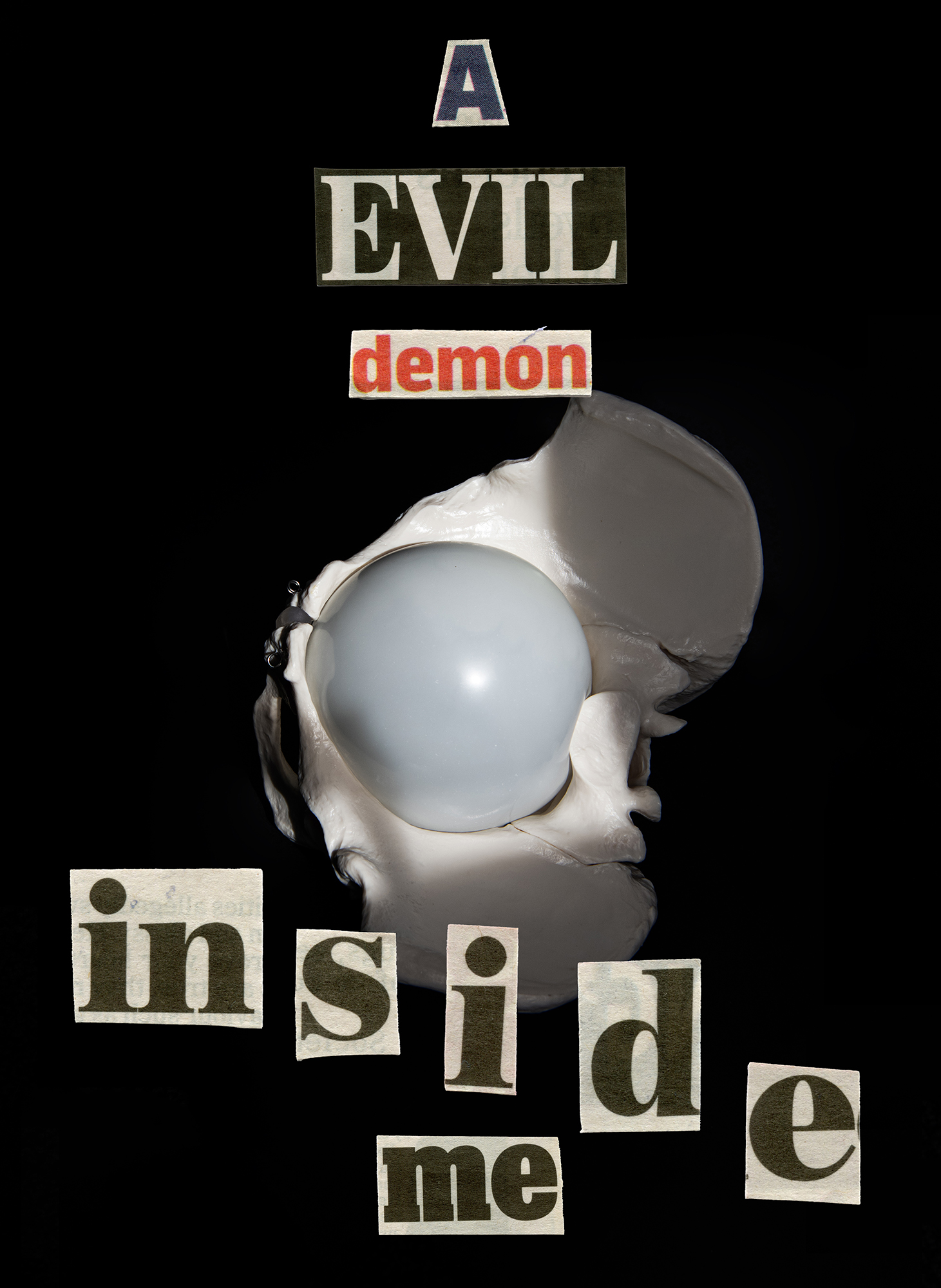
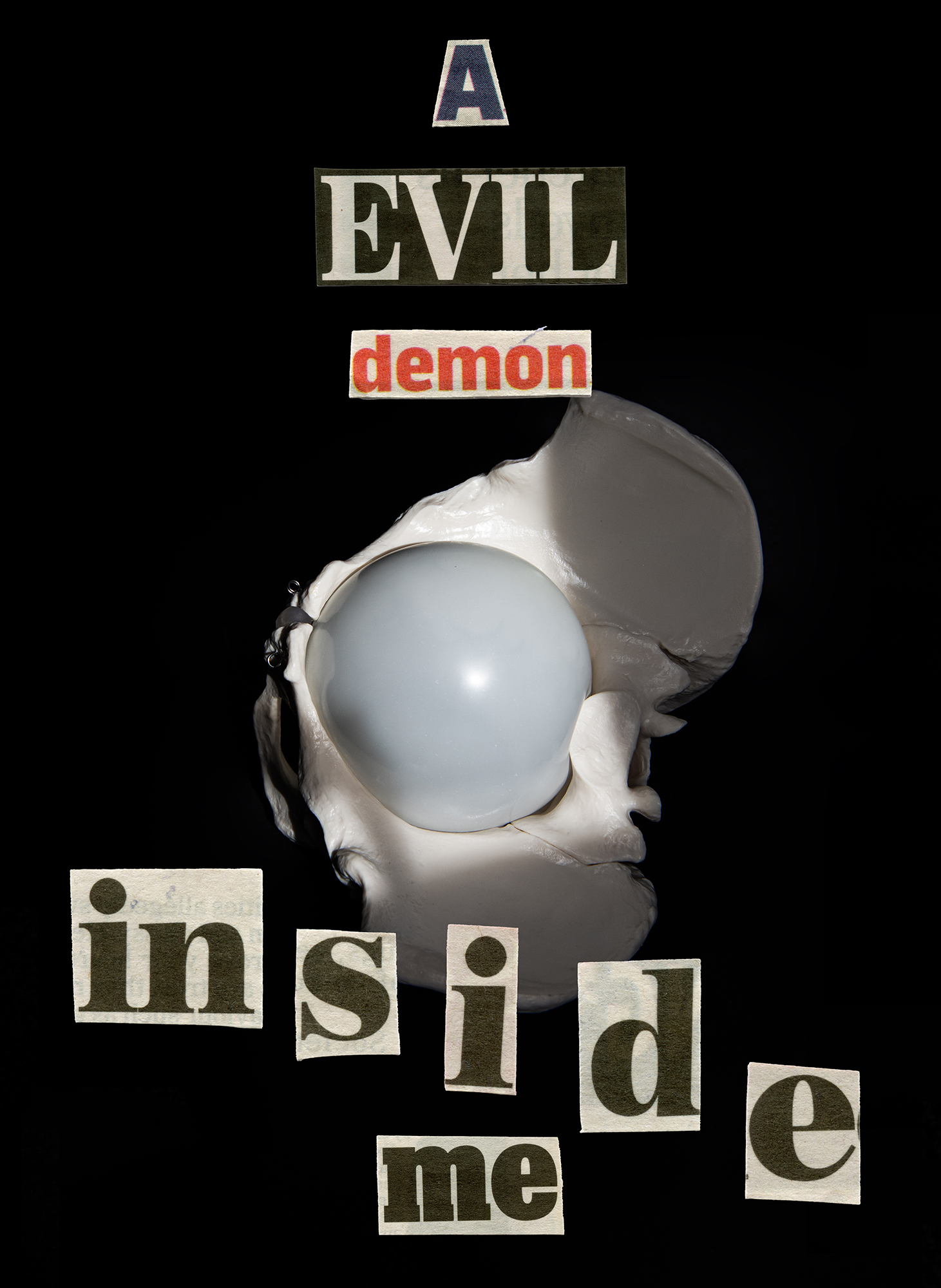
“Experimenting further with abstract approaches, my images often comprise realistic props, including a to-scale female pelvis, where we see the brutal scale of the ‘Evil Demon Within.’ In this piece, I discuss my influence from the iconic Barbara Kruger when exploring the power of text and images.”
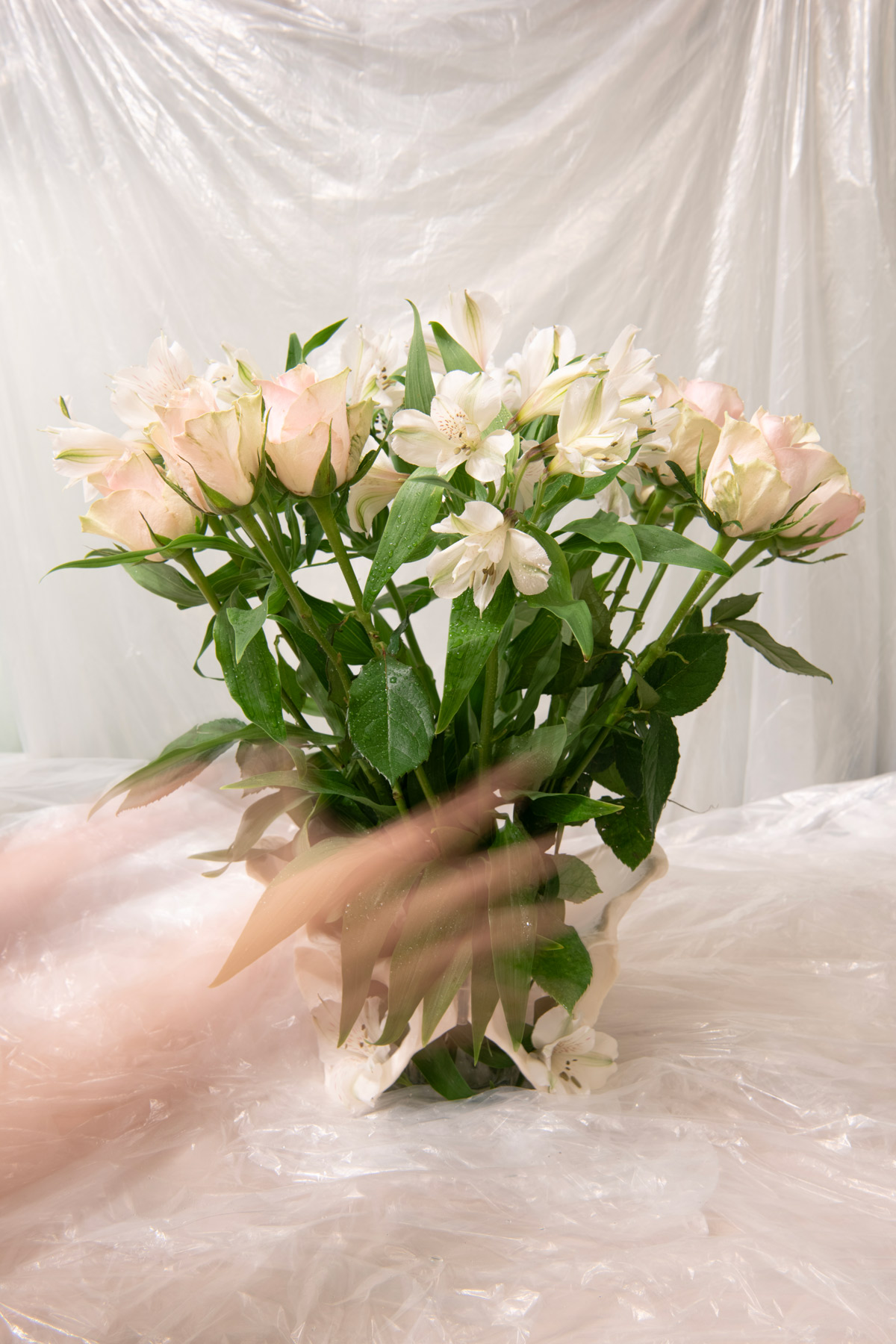
“Bloom 3/3 was one of the images which concluded the Fragility series. This image was produced only days post-surgery, holding a calm yet positive essence. It was created in response to the relief I experienced when I was informed that both ovaries were luckily preserved following three hours of complex surgery. The image is symbolic of a rebirth, a fresh bloom and a positive outlook towards my preserved fertility.”
‘Not alone’
Tia’s decision to make work about her own experiences was a gradual process rather than a eureka moment. Her cyst had grown to 15cm and, not surprisingly, this affected her fit in clothing. The disfigurement of her body instigated a series of distorted self-portraits while she captured her emotional state with a more abstract approach. “Time passing became apparent to me. I would often find myself observing reflections and shadows while I became consumed with thoughts.”
Taking an abstract, painterly approach, Tia consciously wanted to make work that showed her condition without the risk of accidentally creating images that could be interpreted as having an erotic layer. The feedback from fellow students in her MFA tutorials helped her ensure that she had achieved a balanced approach, she says.
A desire to protect her modesty together with using the MFA to explore photography supported her move away from a strictly documentary approach and towards an exploration of abstraction. Included in this work are examples of medical equipment. Tia laughs as she explains that she had no idea just how small a pelvis is. But using these accurate props allowed her to highlight the internal battle she is fighting.
On her blog, Tia wrote: “I want to offer an opportunity for the viewer to find solace in their own lived experiences, feeling comforted that they are not alone in their suffering.”
This work culminated in a handmade concertina book. It beautifully describes Tia’s experience by combining images she has shot with found images and poetry.
Once Tia had started exploring the effects of her diagnosis, she became interested in the bigger issue of reproductive problems across society. It is no secret that the NHS is at breaking point. BBC research published in 2024 found that around 630,000 people at the very least are waiting to be seen for problems that range from fibroids and endometriosis to incontinence and menopause care.
Tia used social media to reach out to people with similar problems, and received an overwhelming response. She discovered an untapped desire for people with similar conditions to be acknowledged and represented. Of course, her own experience has made conversation on this subject easier.
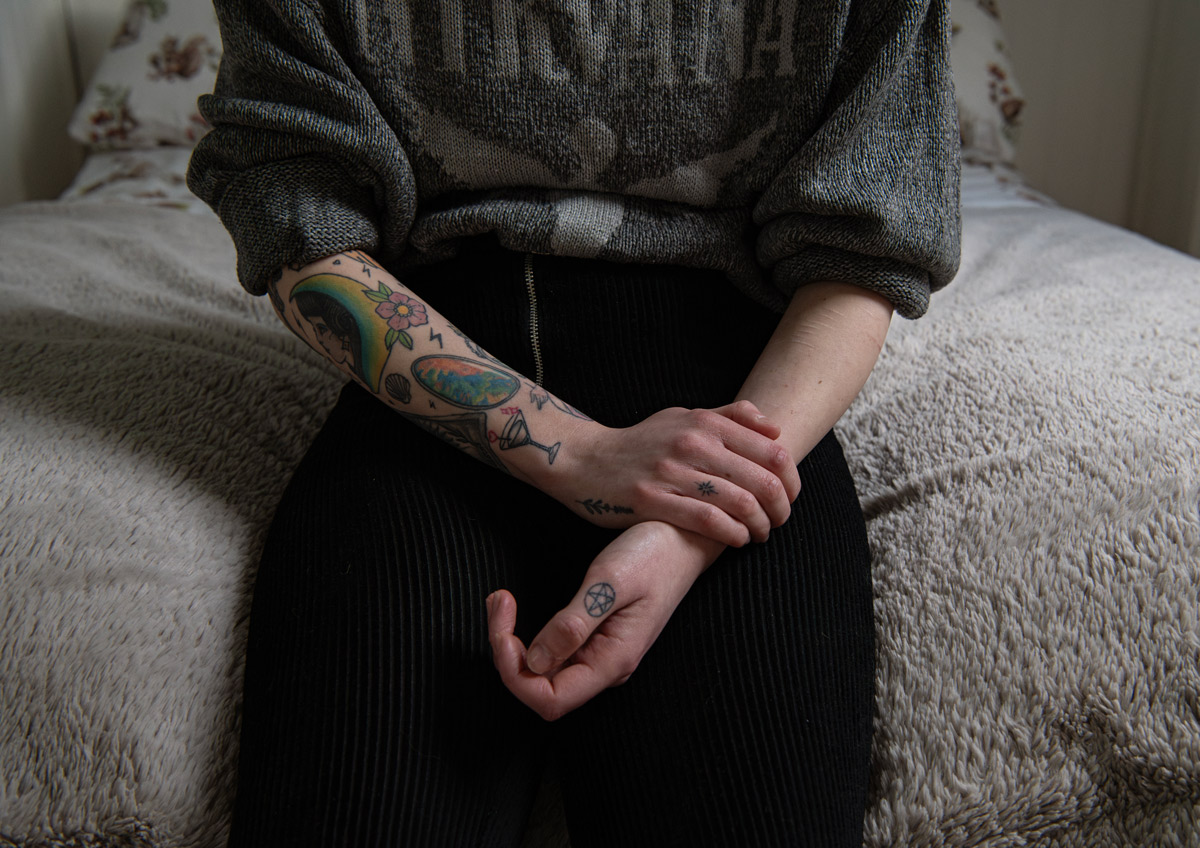
“My first subject within This is Us, Olivia shared her experience with a range of female health conditions. She outlined the impact not only on her physical health and her quality of life, but also the ongoing effect on her mental health and relationships.”
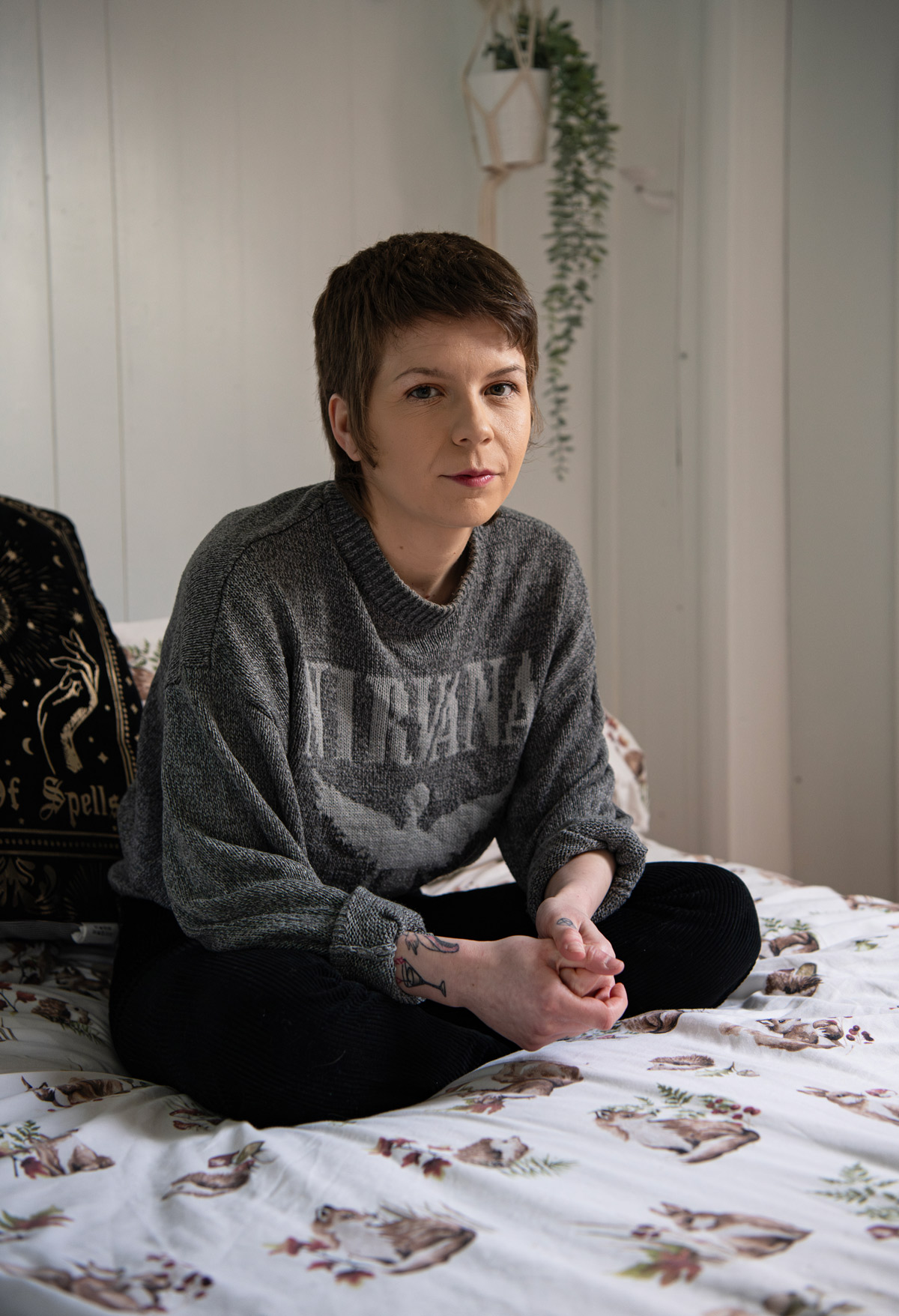

“This is when I realised how crucial it was to undertake this body of work. To give a voice to those who are suffering within a society which is often blind to the impact of living with a reproductive health condition.”
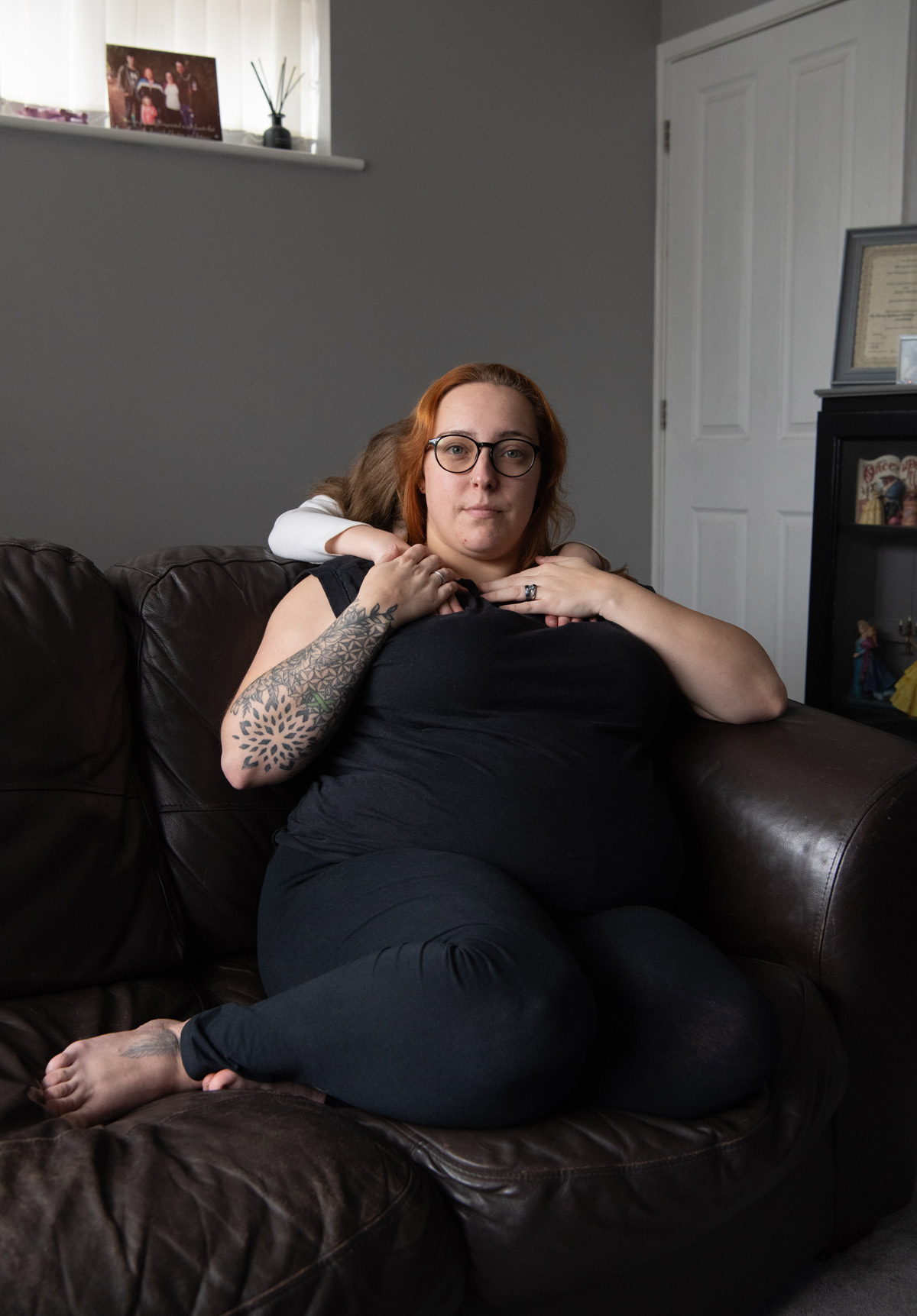
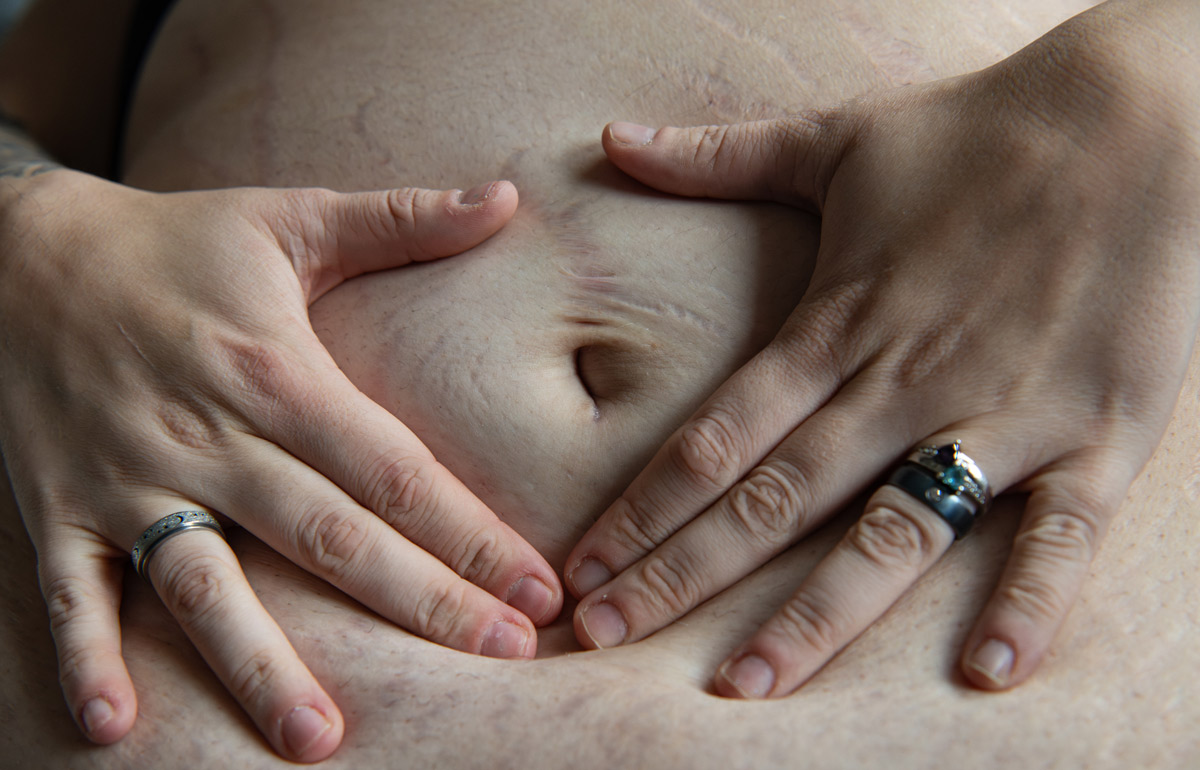
“Katie’s story will stay with me forever. After recently undergoing a hysterectomy, she felt that she had severed the connection between herself and her children. A place her babies called home for the first vital nine months of their lives.”

““The Fragility concertina book supported the narrative of my personal journey from start to finish, including my frustration with hormonal contraceptives. Creating the series became a coping mechanism; through photography, I found solace and comfort through the fear and uncertainty. The book featured handwritten statements communicating my emotions and frustrations on days when the cyst was debilitating.”
Collaboration and connection
I was curious as to why Tia reverted to a more traditional environmental portrait/documentary approach for this body of work. “It is a question of balance. I am concentrating on capturing the body language and emotions of the people who have agreed to participate,” she explains. “I needed to create more relatable photography, recording visual narratives to represent my collaborators’ stories accurately. I began to share authorship with my subjects passing over ownership of interpretation.”
Tia writes “Through collaboration, I apply the notion of phototherapy. Introducing the medium of photography as a coping mechanism and a safe space to connect with others who relate. A sanctuary away from the gaze of those who fail to empathise with the debilitation that comes with the curse of being born with a female reproductive system.
The effects of reproductive health issues are as much about mental health as they are about the physical condition. As an example, Tia cites the story of one sitter. The side effect of having her womb removed was that she felt that she had lost contact with an important part of her children’s lives.
This is Us is a collaborative project. In addition to making images, Tia has been collecting statements from her sitters.
The work to date has been made into a zine. It has been designed to replicate the feel of a medical file, and this approach has cleverly linked an impersonal object with the fragility of the sitters’ experiences.
I asked Tia where she would like to go with This is Us. “I would love to capture the story of 100 people with reproductive disorders,” she explains. “In addition to collating personal stories, I would like to show the scale of the problem through this work.”
“The Fragility concertina book supported the narrative of my personal journey from start to finish, including my frustration with hormonal contraceptives. Creating the series became a coping mechanism; through photography, I found solace and comfort through the fear and uncertainty. The book featured handwritten statements communicating my emotions and frustrations on days when the cyst was debilitating.”
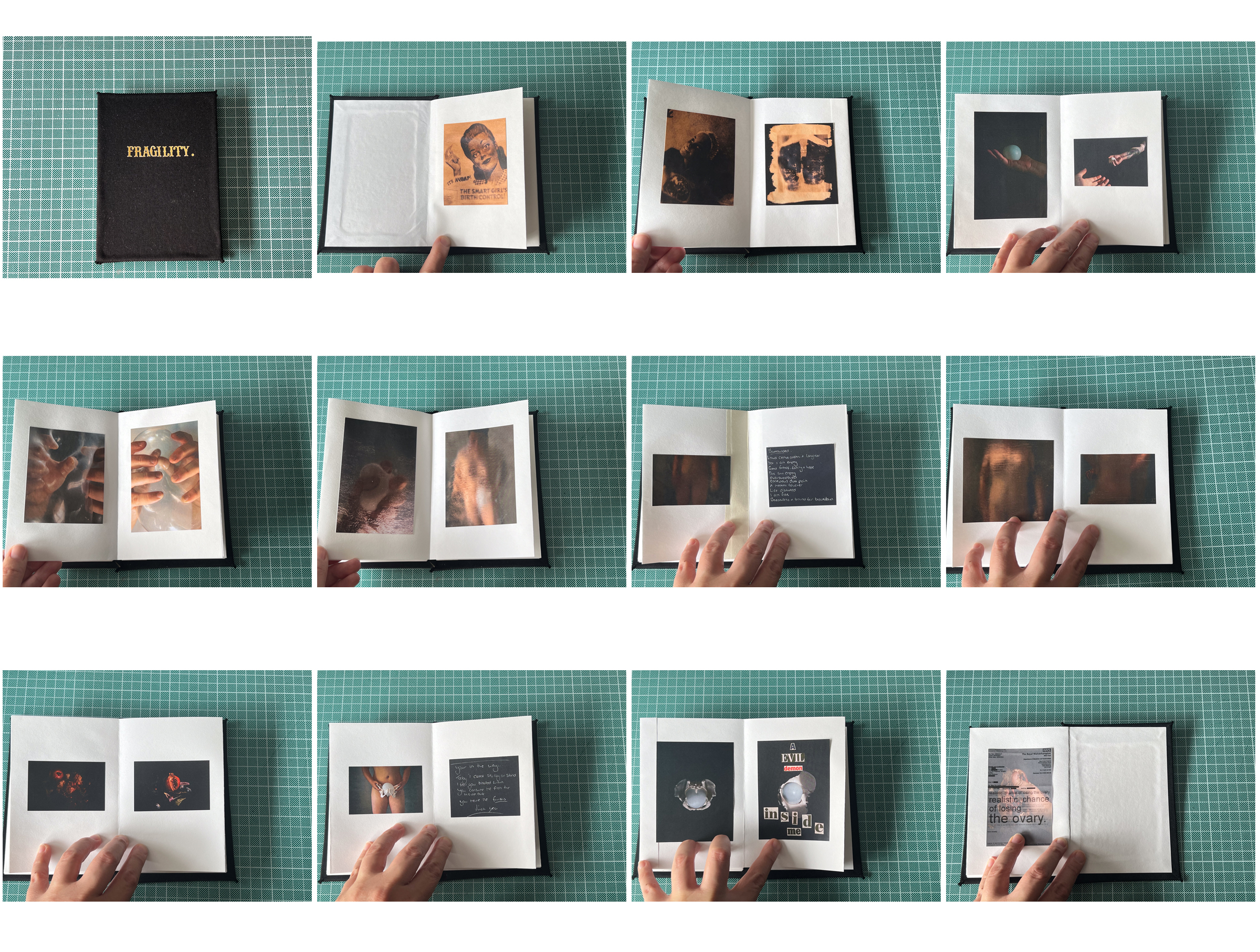

“The Fragility concertina book supported the narrative of my personal journey from start to finish, including my frustration with hormonal contraceptives. Creating the series became a coping mechanism; through photography, I found solace and comfort through the fear and uncertainty. The book featured handwritten statements communicating my emotions and frustrations on days when the cyst was debilitating.”
All images © Tia Lloyd
About Tia Lloyd
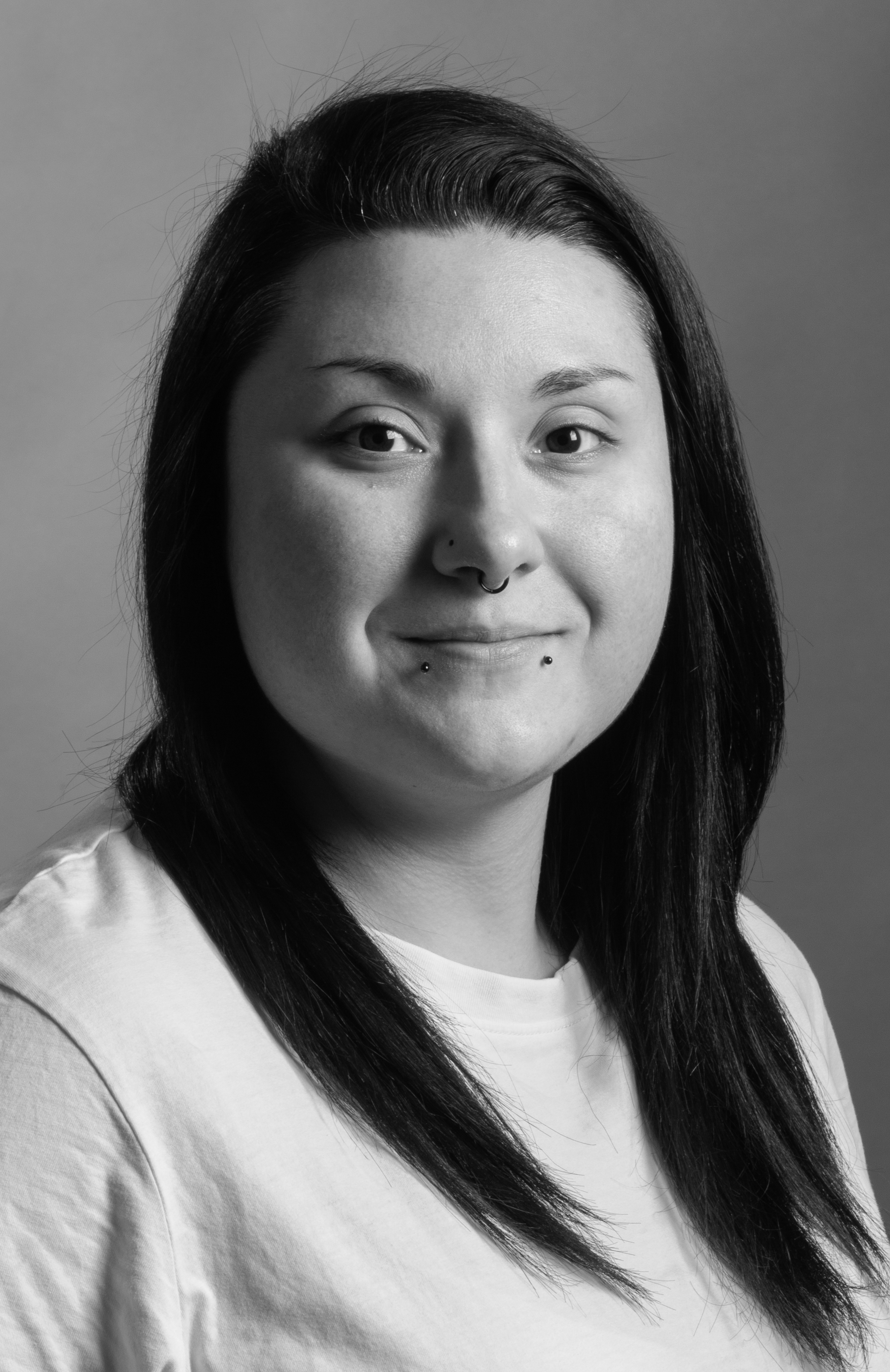
A Falmouth MA photography student, and photography educator, Tia could be described as a documentary photographer and an explorer of alternative photographic processes. Her most recent work This is Us explores collaborative practice, working closely with others to create a photo zine to raise awareness of reproductive health conditions such as PCOS and endometriosis.
Tia has also recently captured her personal experience with a significant ovarian cyst in her series Fragility — the catalyst for her new approach towards photography.
Website: https://tlloyd89.wixsite.com/fragilityp
Instagram: https://www.instagram.com/t1a_lloyd_/