
Echoes across cultures by Xuesheng Ma
Xuesheng Ma’s photographic series, Echo, explores how the concept of space shapes the identity and cultural definition of a female immigrant, expressed through the lens of surrealist photography. In this interview with Rachel Nixon, the artist shares insights into her work and migration journey.
Tell us about the concept behind your project, Echo.
Over the past decade, I have experienced numerous relocations, moving from China to Japan and then settling in the UK. This constant migration has profoundly shaped my artistic practice. My teenage years were filled with farewells and fresh beginnings, and these frequent transitions from one space to another forged a unique emotional connection with the concept of “rooms”. My focus has been on ancient European architecture, and in 2022, I began exploring and photographing historic buildings across England.
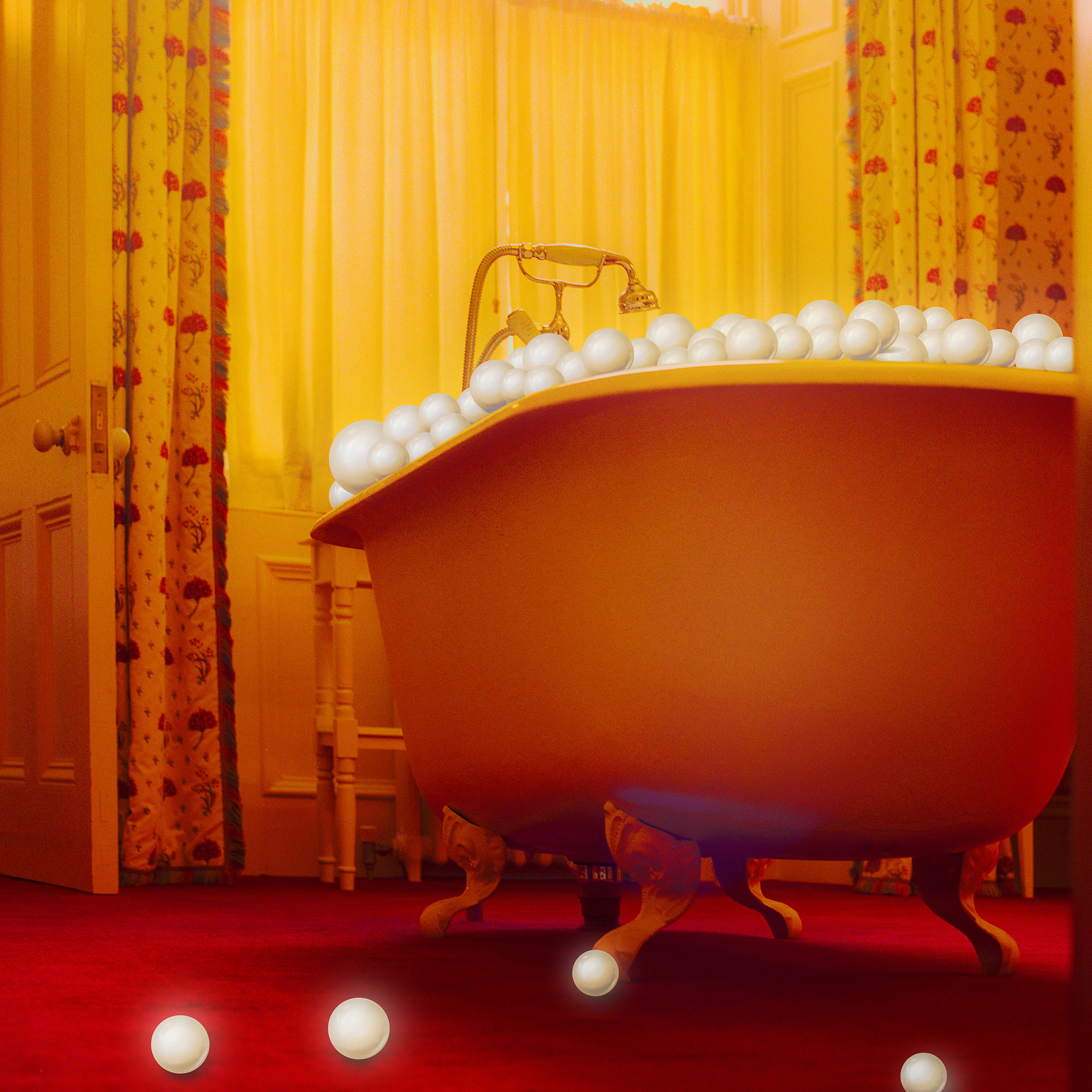
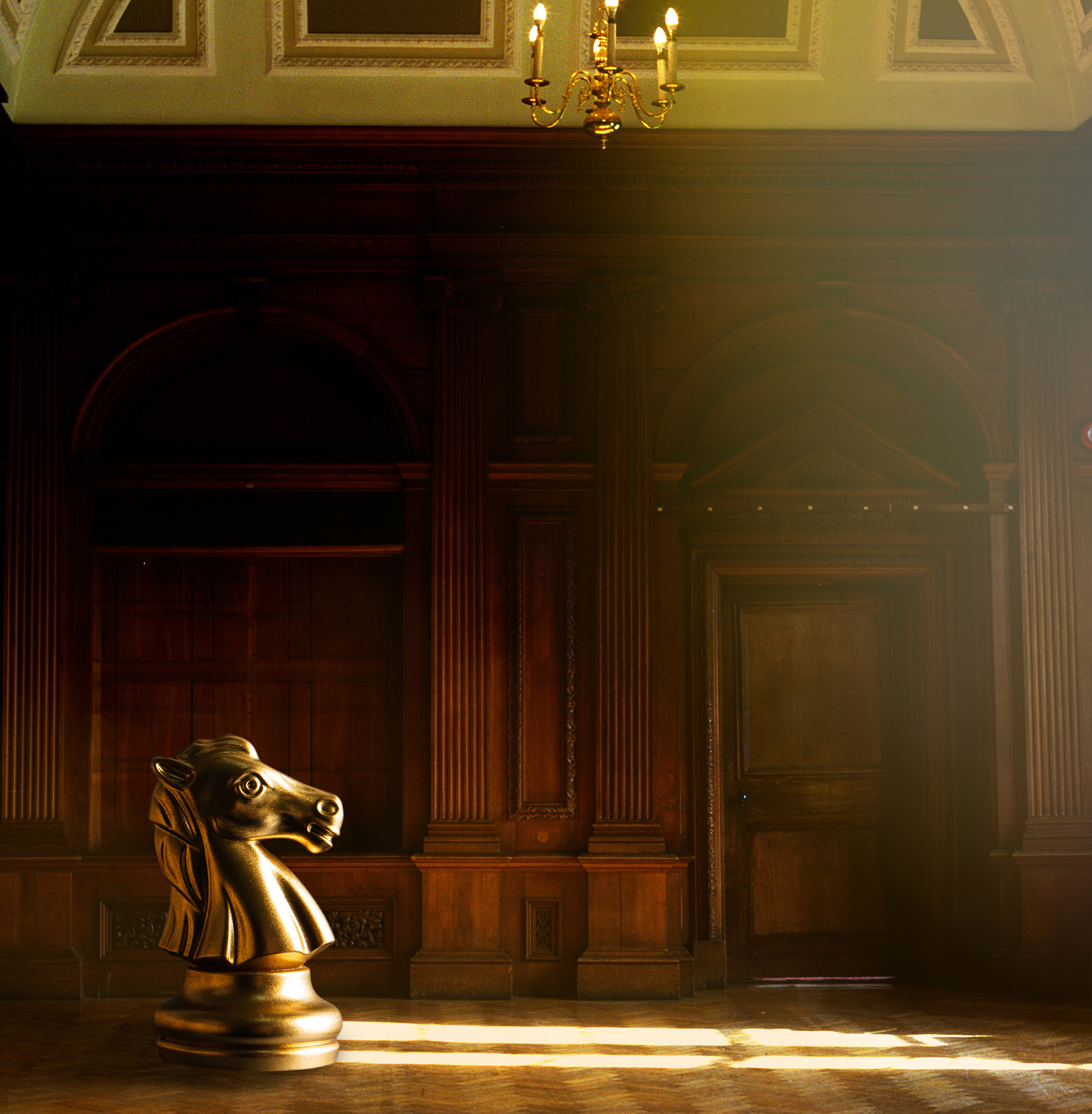
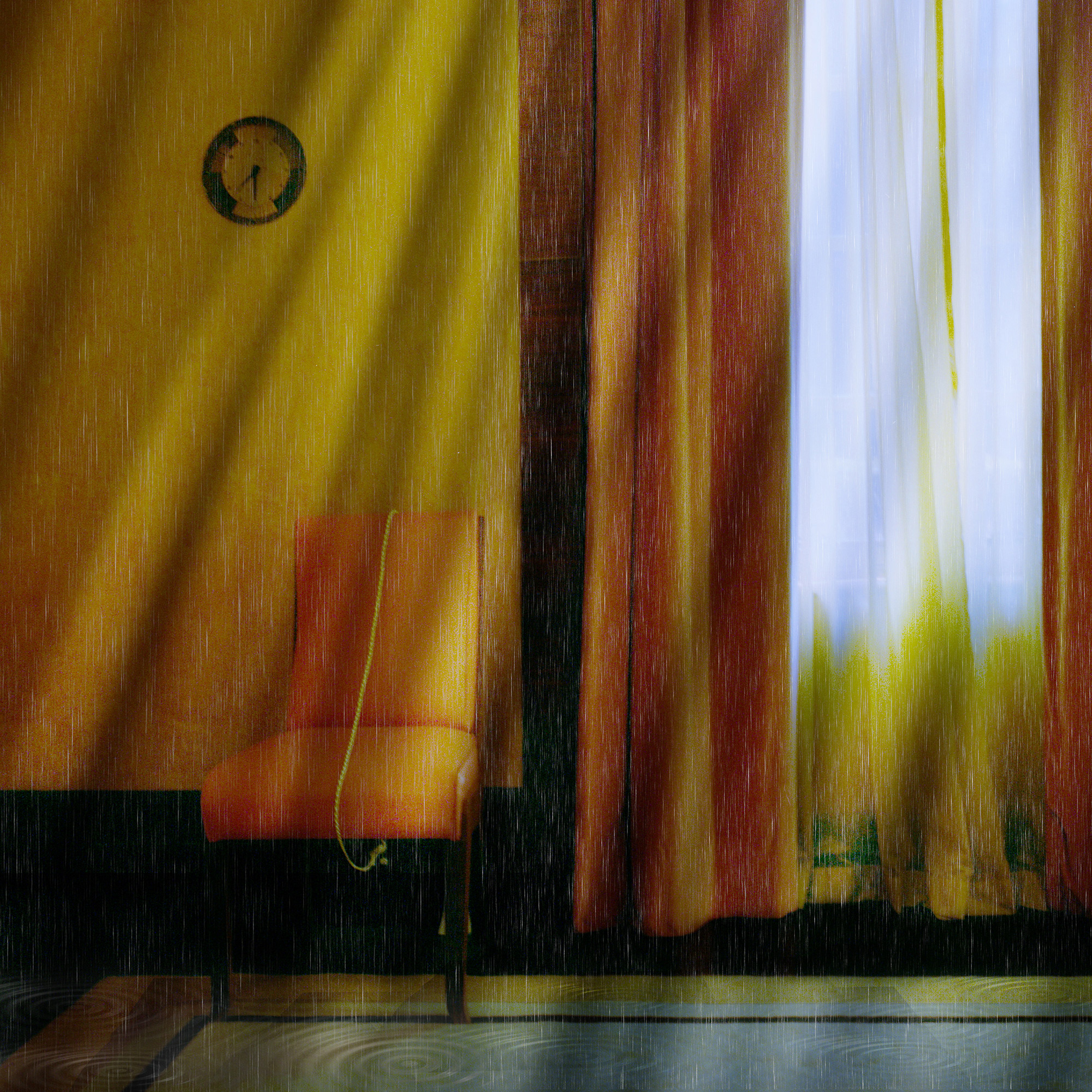
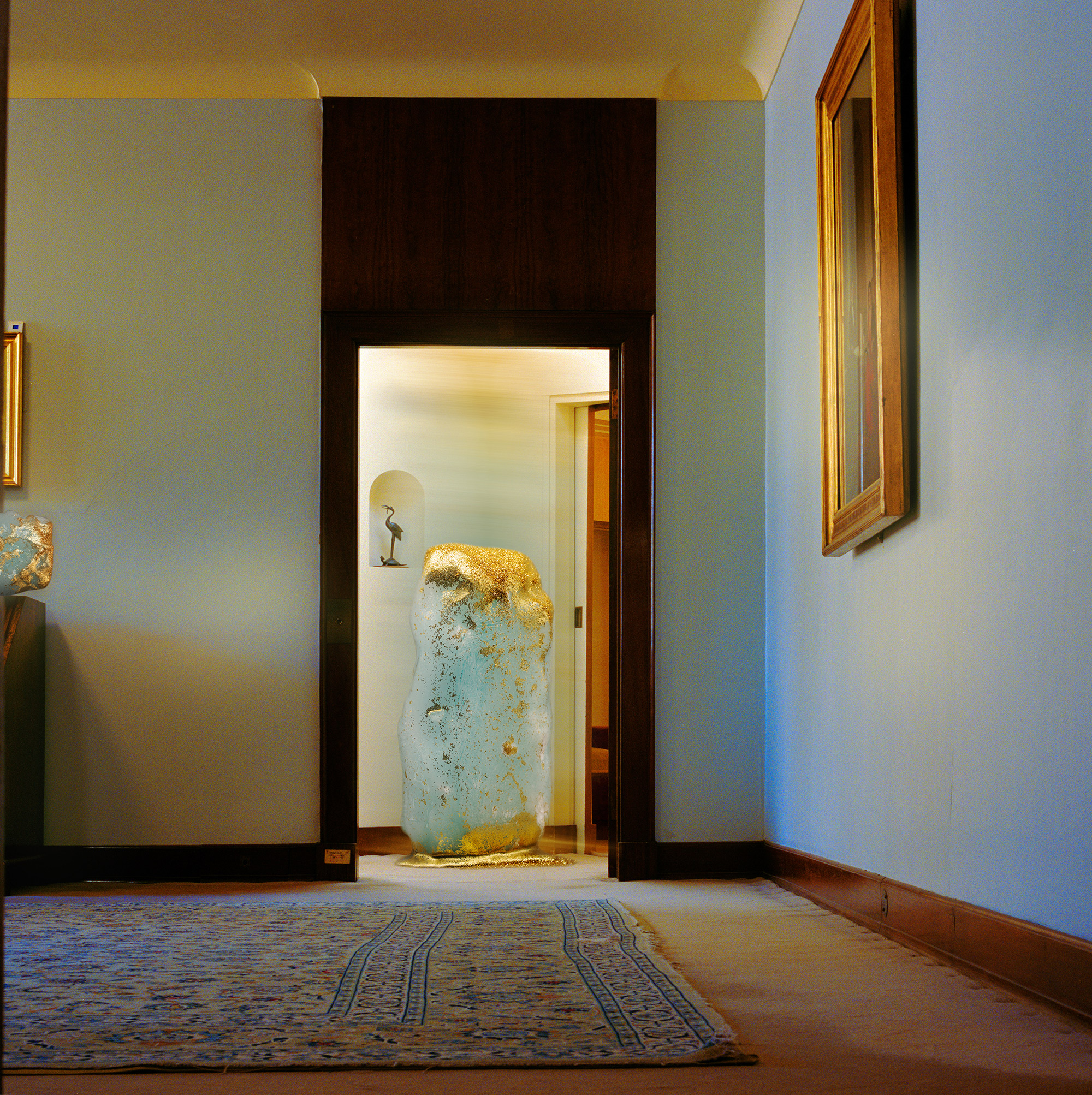
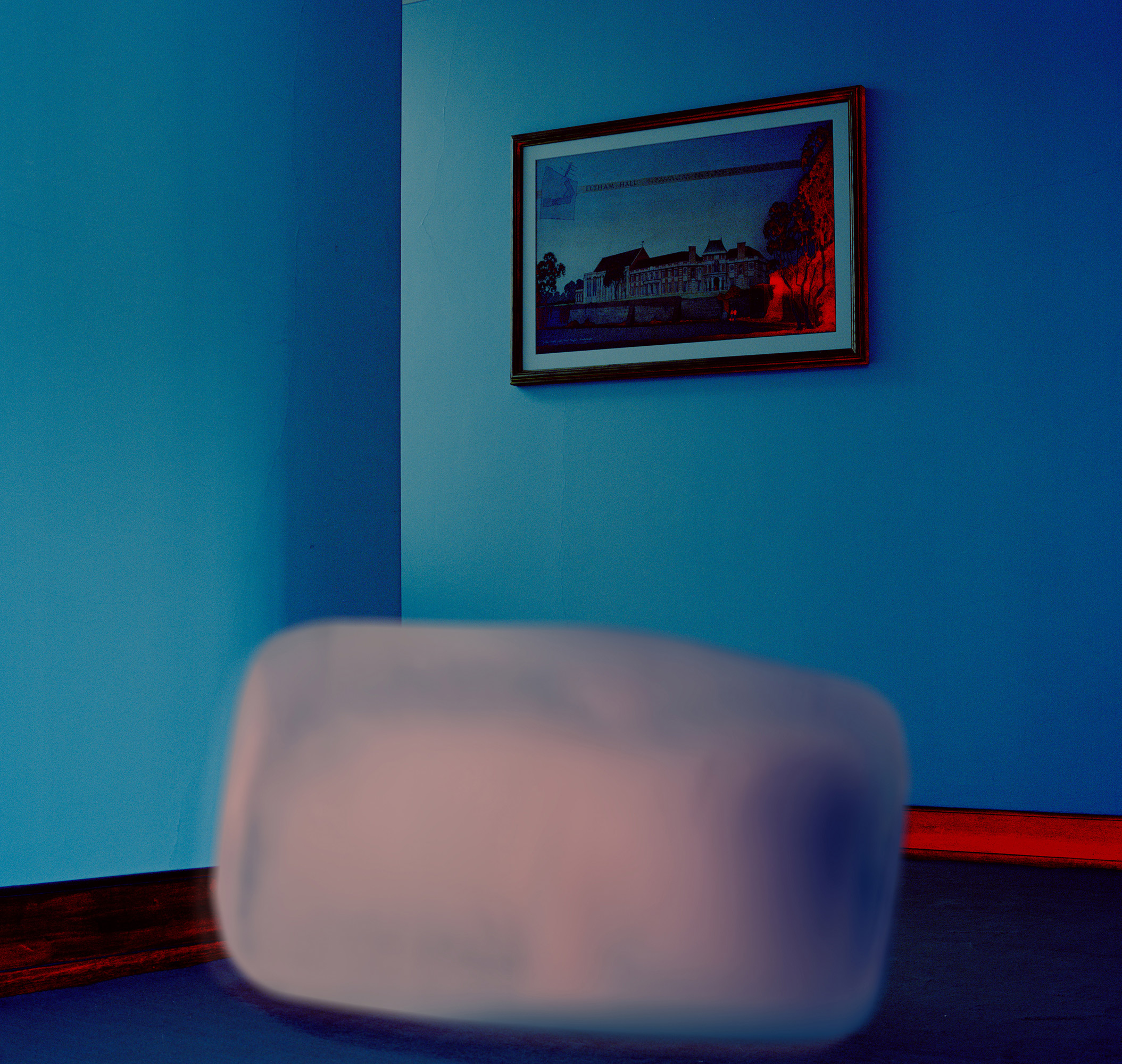
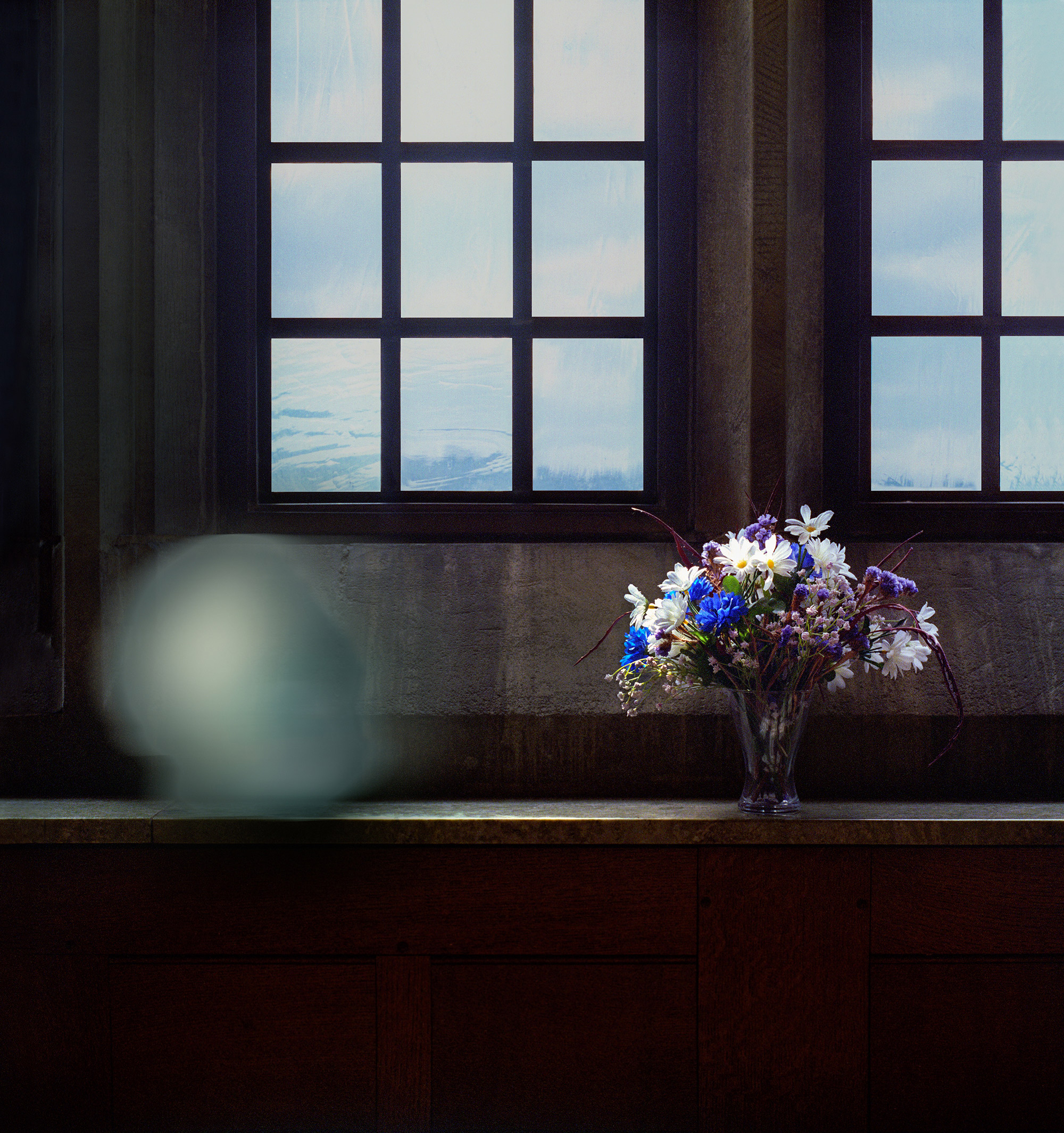
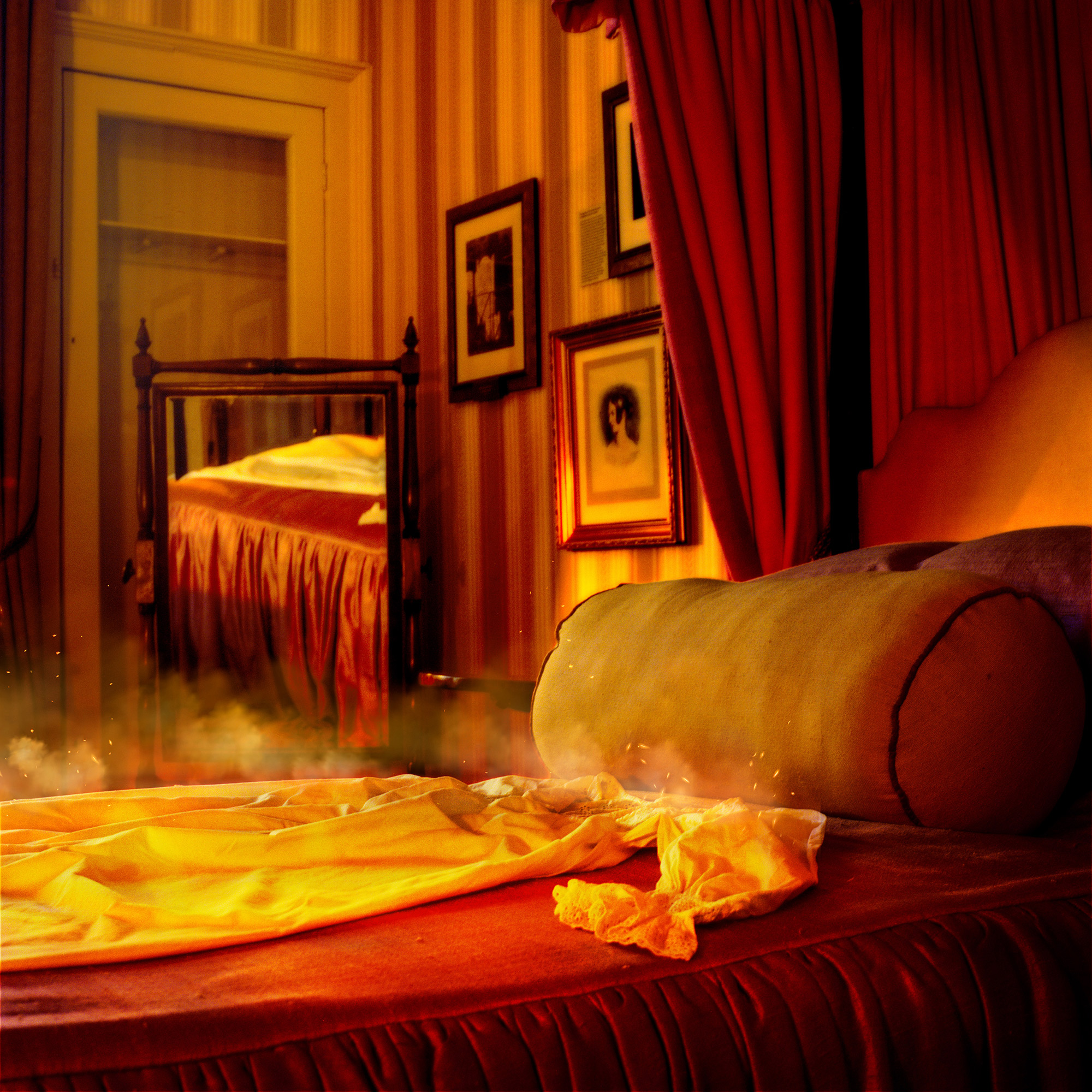
Through post-production, I infuse these historical spaces with surreal elements inspired by Asian cultural characteristics. This process allows me to blend the intricate style of Western architecture with the spiritual energy found in Eastern traditions. These spaces reflect my current state as an immigrant — existing within a fusion and seeking cultural balance in my life.
The title of the series, Echo, refers to the physical reflection of sound, which I often sense in these empty historical spaces, and provides a metaphorical connection between past and present, East and West, and the individual and space. Through this project, I aim to weave together my migration experiences, cultural identity, and artistic expression.
Can you describe the key phases of your creative process?
My research centres on exploring historic buildings across the UK, particularly National Trust sites, and hidden spaces discovered during hikes near London. Many historic buildings are in remote areas with limited access, and some require special entry permits.
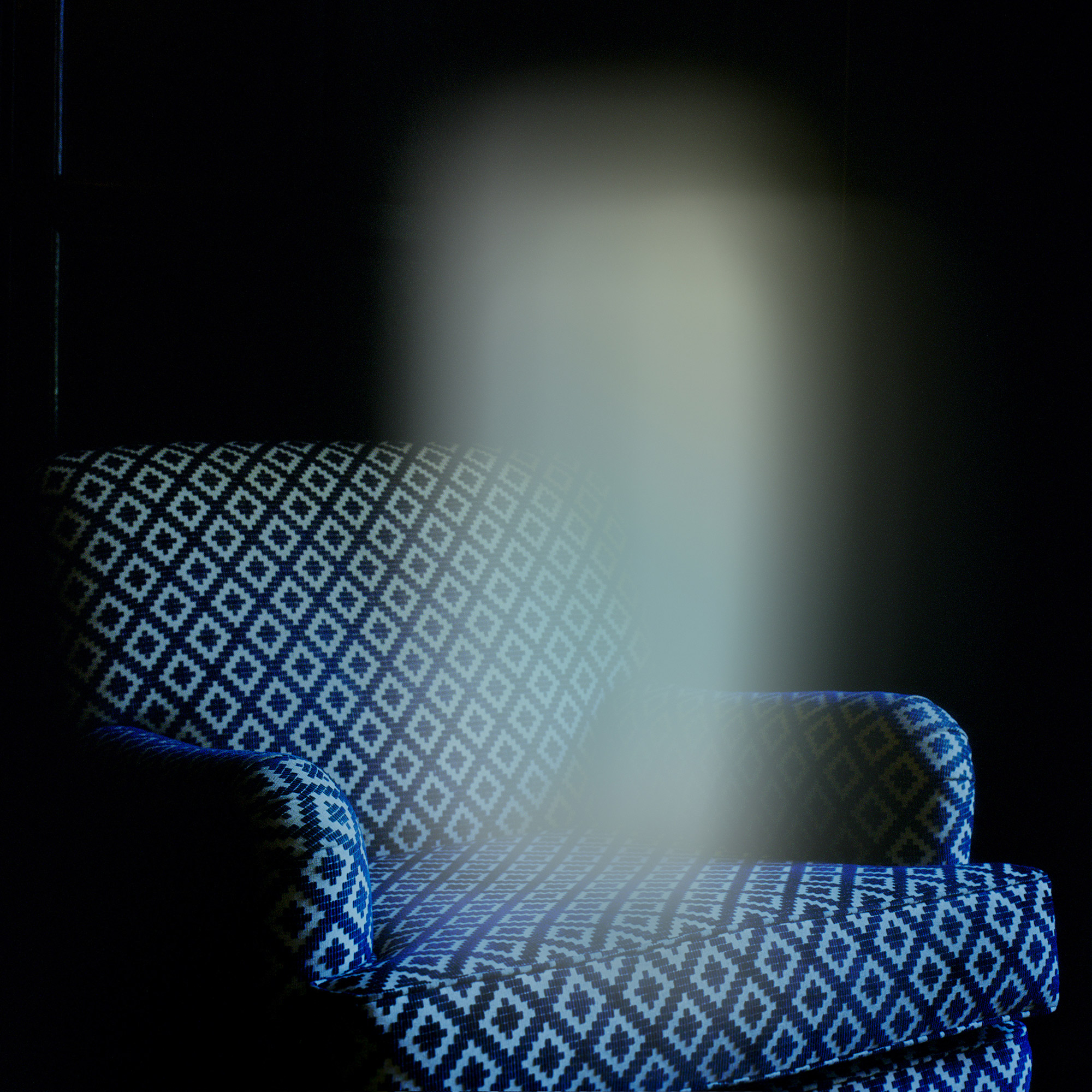
These locations often feel peaceful and rich with history, which I find comforting. To prepare for each shoot, I document the space with sketches and notes. In post-production, I add surreal elements to blend the architecture with my imagination. This process feels like painting or stage design, allowing me to transform each image into something new.
How does your choice of camera inform how you work?
I work with a medium-format film camera for its distinctive texture and the intentional rhythm it brings to my creative process. The inherent limitations of film photography enable me to focus intently on the details of each frame. Unlike the immediacy of digital photography, using a medium-format camera doesn't allow instant previews. This forces me to adjust exposure and composition multiple times, making the process more time-consuming. Furthermore, I use long exposures which require patience. It also creates a unique texture that suits the depth of these historic spaces and allows me to experience the passage of time as I shoot. This ritualistic approach becomes a form of reflection and reverence for both time and space.
Who or what are your main artistic influences?
My inspiration is rooted not only in an exploration of architecture but also in deep influences from nature, religion, and philosophy. I am particularly drawn to the concept of animism, which is prevalent in many Asian religions and is a belief that all things — creatures, plants, places, and objects — have a spirit. In Shintoism, for example, there are said to be eight million gods, and the reverence for the spiritual energy within nature, exemplified by the worship of the Sun Goddess, has profoundly impacted my creative approach. This cultural context has inspired me to incorporate natural elements frequently in my photographic work.
I am also inspired by Mariko Mori and Georgia O'Keeffe. Mori's work blends modern technology with Eastern philosophy to explore the relationship between humans and nature, and the surreal spirituality in her work resonates with the expression in Echo. O'Keeffe, through abstract forms of nature, imbues objects with symbolic meaning, and her use of color and shape has influenced the emotional expression in my work.
How has your background, in particular your experience as an Asian woman living and working across cultures, affected your artistic practice?
Living in China, Japan, and the UK has profoundly shaped my perspective. Immersing myself in different cultures, languages, and literature has deepened my understanding of their uniqueness and contrasts. After moving to the UK, I began reflecting more deeply on my cultural background and identity. As an immigrant, I often feel caught in an “in-between” space, neither fully belonging to one culture nor entirely detached from it. This contradiction drives me to explore my position between different cultures.
Additionally, as an Asian woman, I often reflect on the role of gender in shaping identity. Through my art, I strive to give voice to my identity while offering a space for resonance and reflection to others with similar experiences. I think that identity is not a fixed concept but something fluid, continuously shaped and reshaped by time and environment. This state of multiple identities is central to my work, and, as my migration journey continues, my sense of self and artistic vision has developed.
Living in the UK has allowed me to view identity from a broader perspective. It has inspired me to continuously explore its dynamic nature through art, shedding light on the ever-evolving process of self-definition.
“Space is both their living environment and a reflection of their sense of self and belonging"
In what ways does Echo explore the intersection of migration, cultural identity, and surrealist photography?
Migration has been a defining thread throughout my life and serves as the inspiration for Echo. In this series, I use historic English architecture as the backdrop for my work. These buildings, rich in British culture and history, symbolize my search for belonging as an immigrant in a foreign land. Through post-production, I transform these spaces by incorporating numerous Eastern cultural elements, such as natural patterns, animals, and spiritual symbols, to produce a unique cross-cultural narrative. I try to create a visual language that blurs the line between reality and imagination. Through meticulous editing, I reshape the architectural spaces with surreal scenes. These surreal elements are both a projection of reality and an extension of emotion and imagination. From leaving my homeland to adapting to a new environment, these works reflect my redefinition of identity during migration and capture the uncertainty of shifting identities, and the hope that emerges from cultural fusion.

Why do you think the concept of “space” plays such a pivotal role in understanding the identity of female immigrants?
The concept of "space” is crucial to understanding the identity of female immigrants, as it is not only a physical presence but also a vessel for emotions, culture, and identity. Space is both their living environment and a reflection of their sense of self and belonging. During migration, women often face challenges related to cultural adaptation, loneliness, and identity reconstruction, and space can be imagined as a temporary refuge.
The decoration of space reflects the unique cultural background and inner world of its owner. In Echo, space is not just the backdrop of architecture but a field for exploring culture, identity, and emotion. By combining Eastern elements with Western architectural spaces, I aim to express the collision and fusion of identities experienced by female immigrants in a cross-cultural environment. These works depict my process of finding my place as an immigrant living in a constantly changing environment in the UK.
How do you see your work evolving?
In the future, I believe my work will delve deeper into the themes and artistic strategies realized in Echo, especially in the context of architecture and space. I plan to explore how visual language can convey identity, migration, and complex inner emotions, and I hope to photograph more buildings in different regions of the UK or Europe.
All images © Xuesheng Ma
About Xuesheng Ma
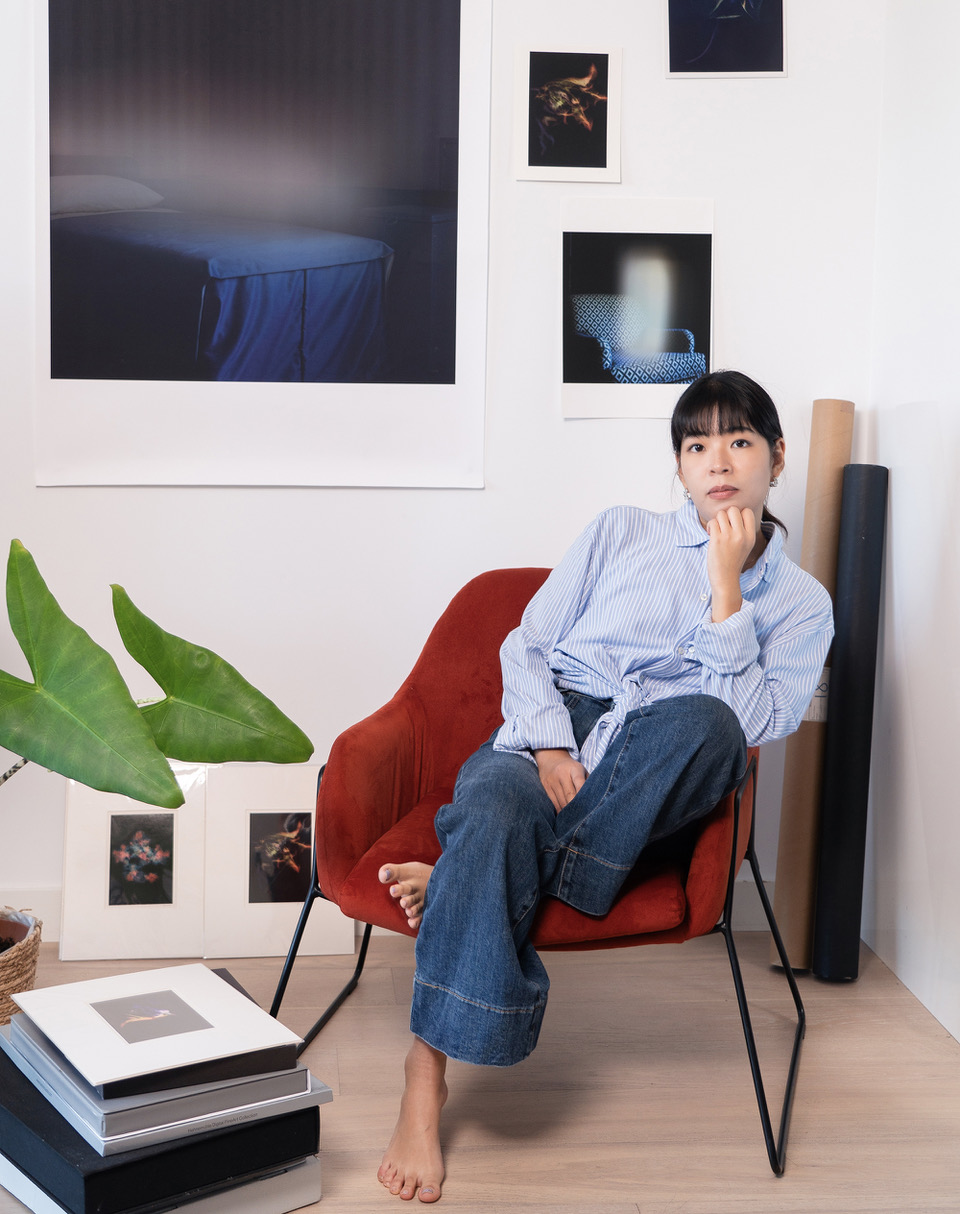
Xuesheng Ma is an artist currently based in London, UK. Born in Zhejiang, China, she has a BA in Photography Studies from the Nihon University College of Art in Japan, and an MFA in Photography from the University for the Creative Arts, UK. Her work is held in the University for the Creative Arts collection.
Xuesheng Ma’s body of work explores themes of migration, cultural identity, and the interplay between Eastern and Western influences. Combining photography and surrealism, she crafts visual narratives that blur the boundaries between reality and imagination. Her work has been exhibited internationally in the UK, Japan, France, the Netherlands, and Italy. She has received several accolades, including the 30 Under 30 Female Artists Award, and as a nominee for the International Marianne Brandt Award.
Website: https://xueshengma.com
Instagram: https://www.instagram.com/xuesheng_ma/