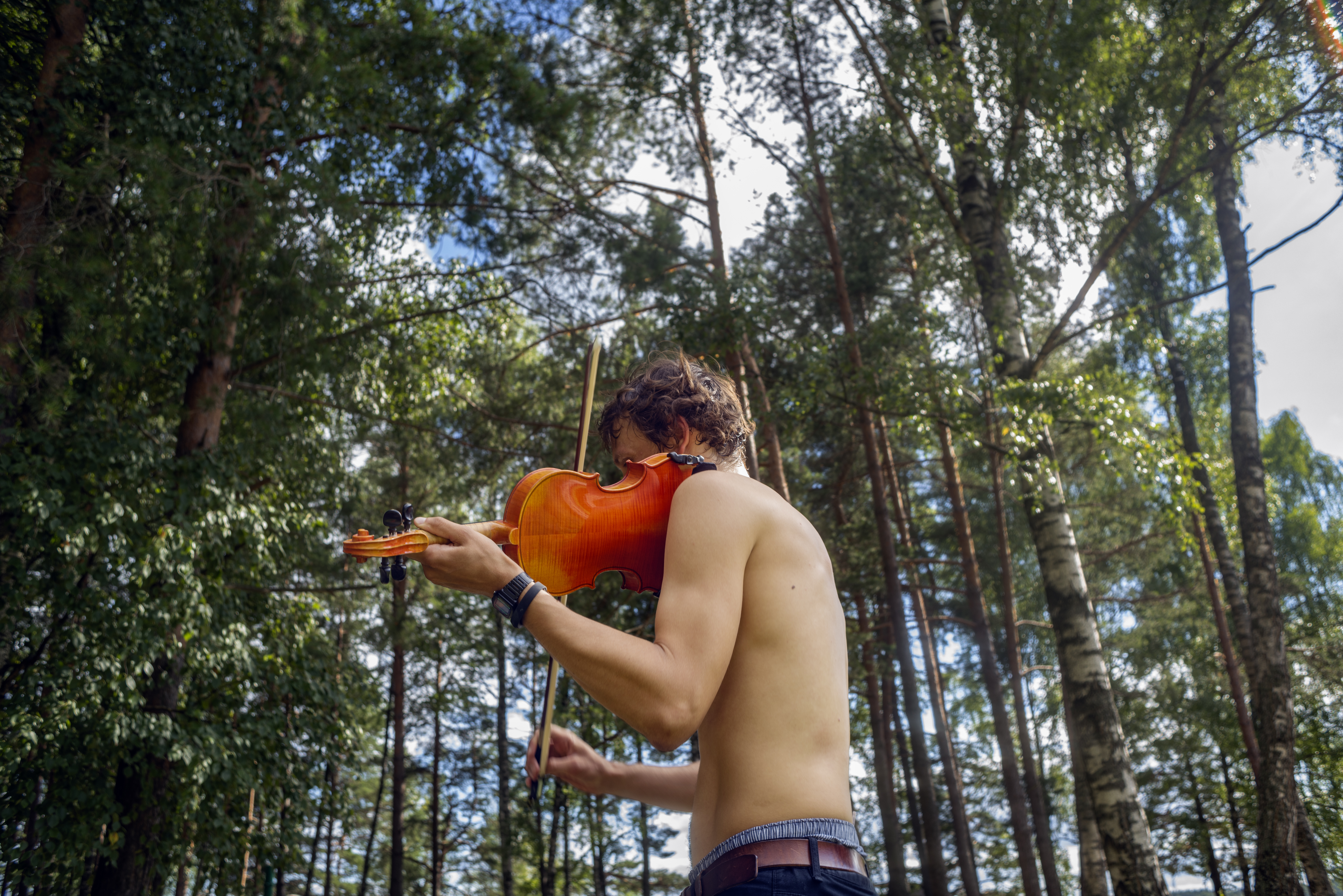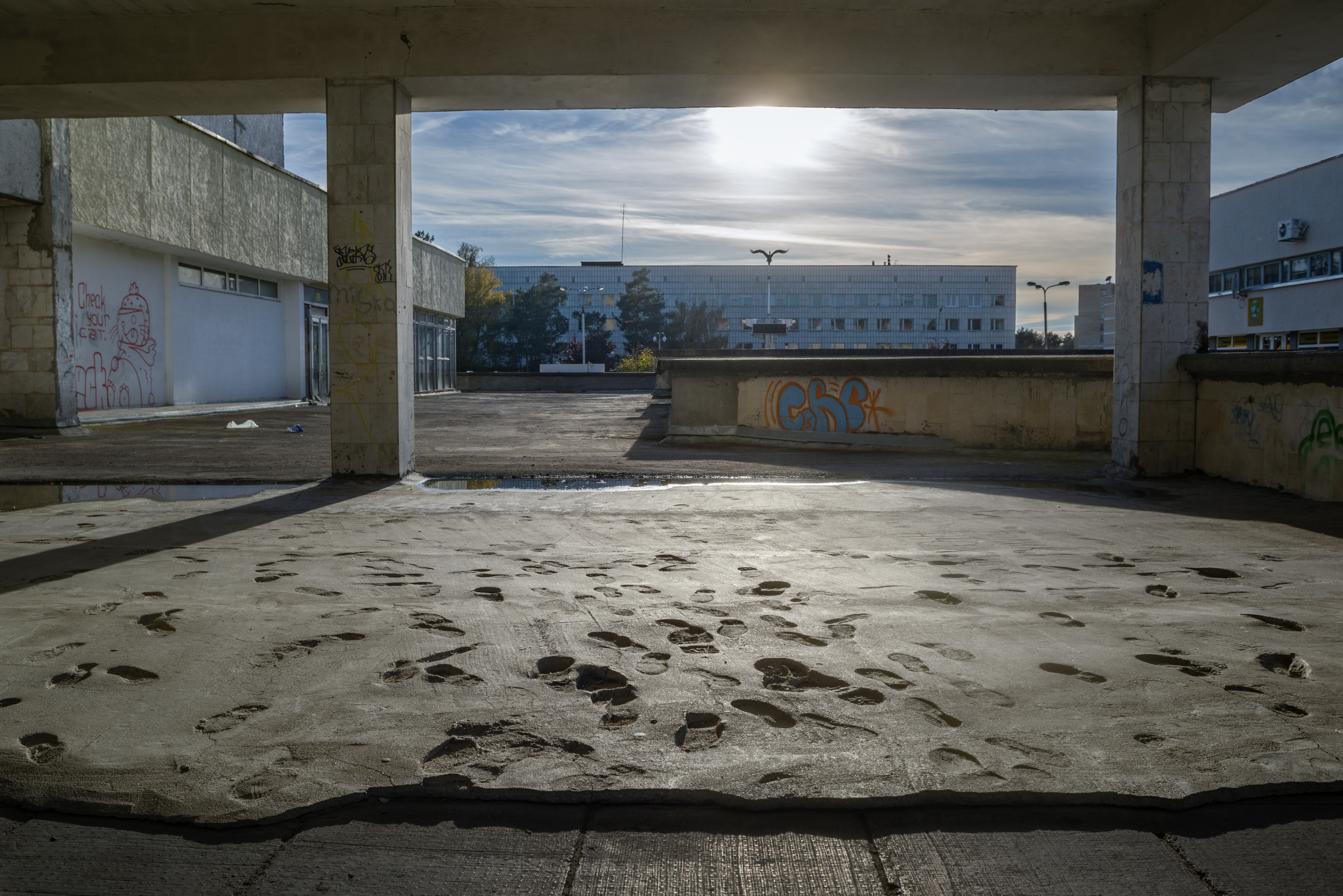
Everything about Visaginas sounds somehow literary – a town composed deliberately and precisely which might, had things gone differently, have continued to display great power to this day.
At the heart of this Soviet-era town was once the Ignalina nuclear power plant, built using the same reactors as the ill-fated Chernobyl. Constructed on the banks of Lake Visaginas, there was no nearby population to speak of. Instead, four villages were relocated to create a hub.
This was to be unlike any other town. Home to thousands of the most qualified scientists of the time, it was designed so that, when viewed from the sky, it would look like two winged butterflies. It would be a place of new starts, fresh opportunities and nuclear-powered wealth.
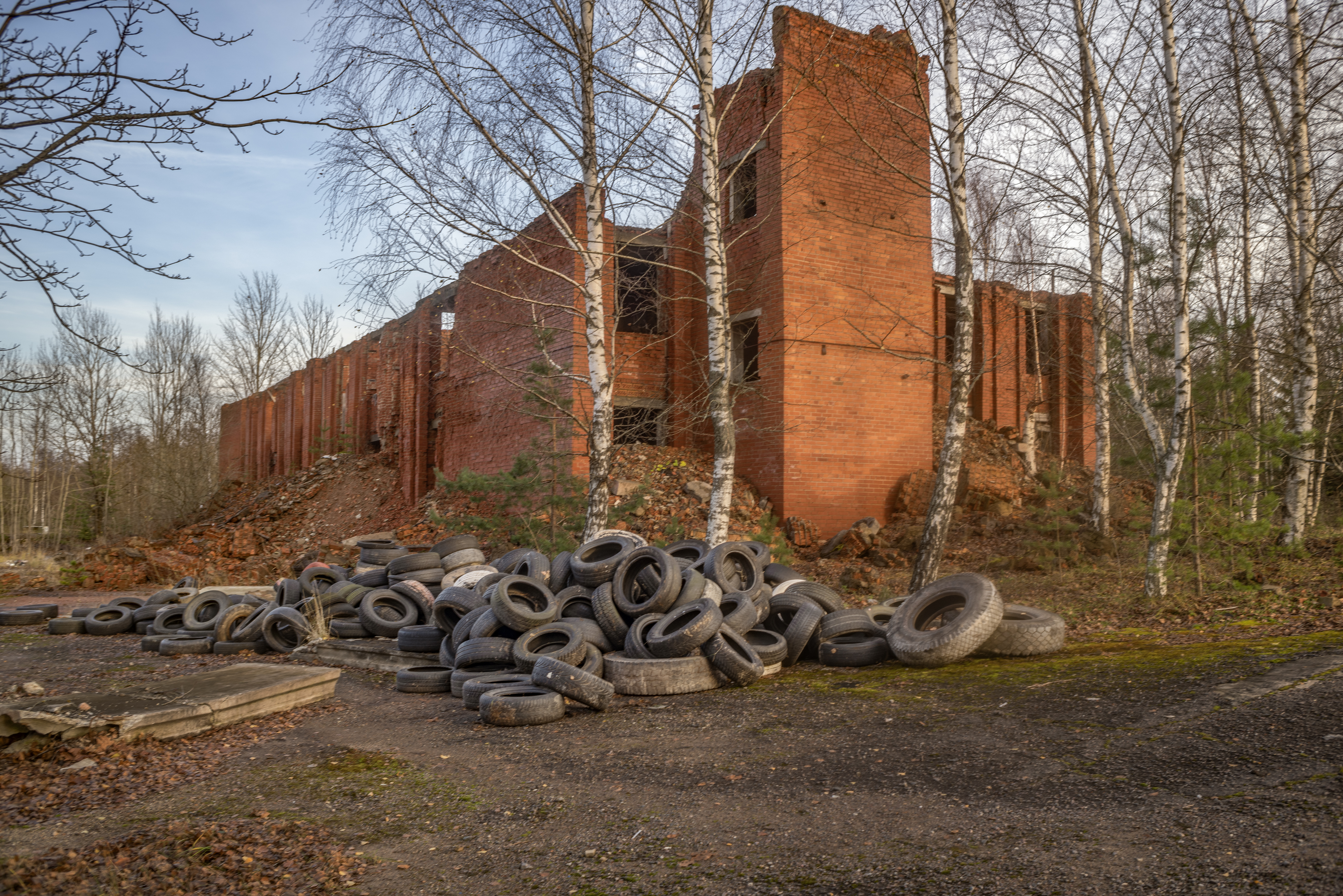
Only, that didn’t happen. The power plant started up and thousands of people moved to the town. Then, the Chernobyl nuclear disaster unfolded and a cloud of radioactivity blew across Eastern Europe. Next came the fall of the Soviet Union and Visaginas became part of modern-day Lithuania. When that nation chose to join the European Union it did so under the condition that the power plant be closed – the EU officials were afraid of a Chernobyl 2.0.
Within 35 years, the town had blossomed and disappeared. One wing of the butterfly had never even appeared. The population disintegrated.
Now, on the eve of Ignalina’s 40th anniversary, photographer Prashant Rana is releasing the results of his six-year long project investigating what remains of Visaginas and the people who call it home.
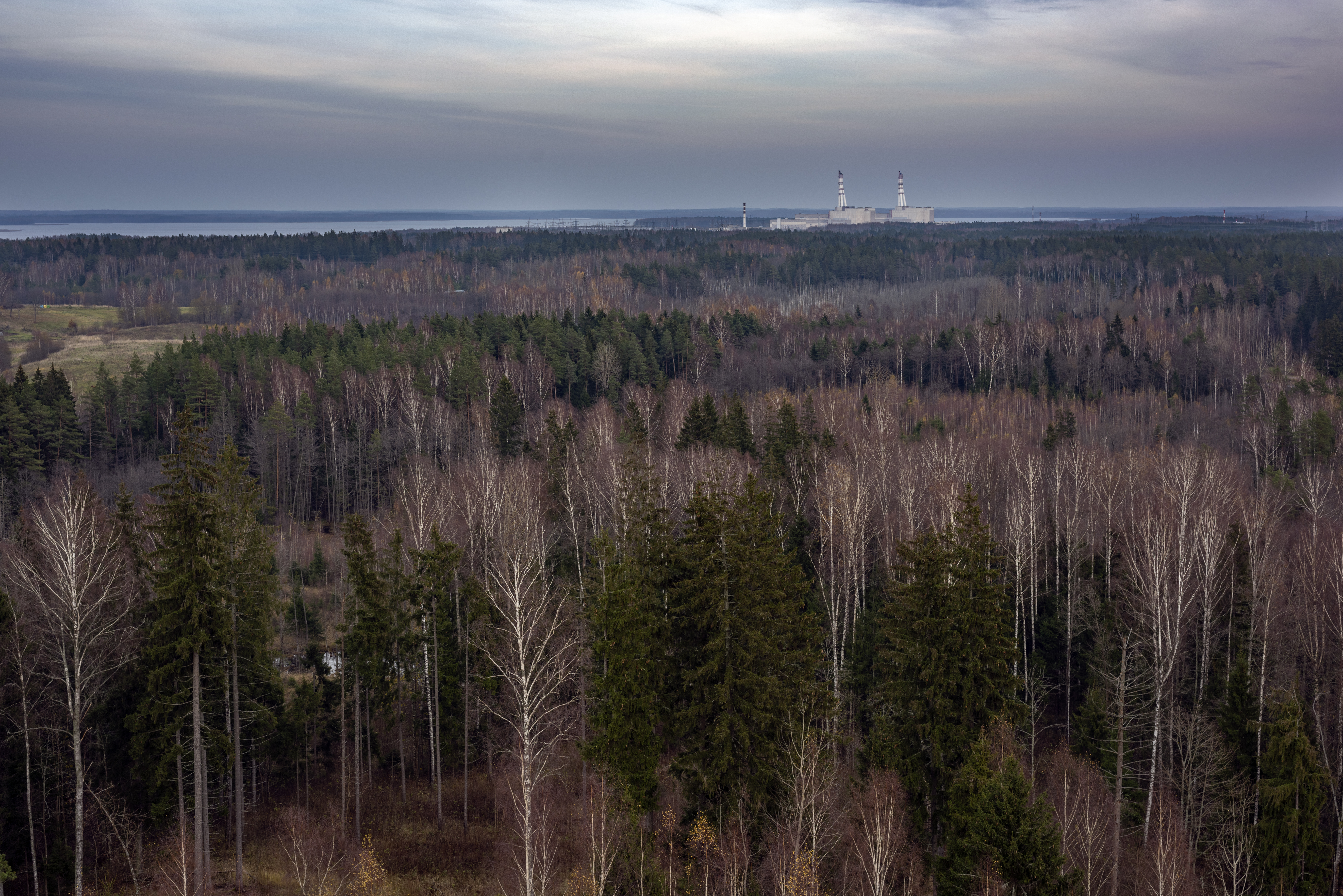
It started, as is so often the case, with a short conversation. Indian-born, Sweden-based photographer Rana was attending an exhibition of one of his previous projects, which highlighted the life of the Gypsy community. Someone – he can’t remember who, or even their gender – told him he should come to their town: Visaginas. He had never heard of it but decided to go for a trip anyway.
“It wasn’t anything different from any other city that I have lived in the world,” he explains on a video call. “But after some time I could see there is a huge population of the elderly and children, but the adult population, the working generation, is kind of missing.
“Something curious happened to me on the second visit. An elderly woman dressed very elegantly – from my perspective she looked rich – came to me and asked for money. I never had this in Sweden. I was curious. Then, I kept going back.”
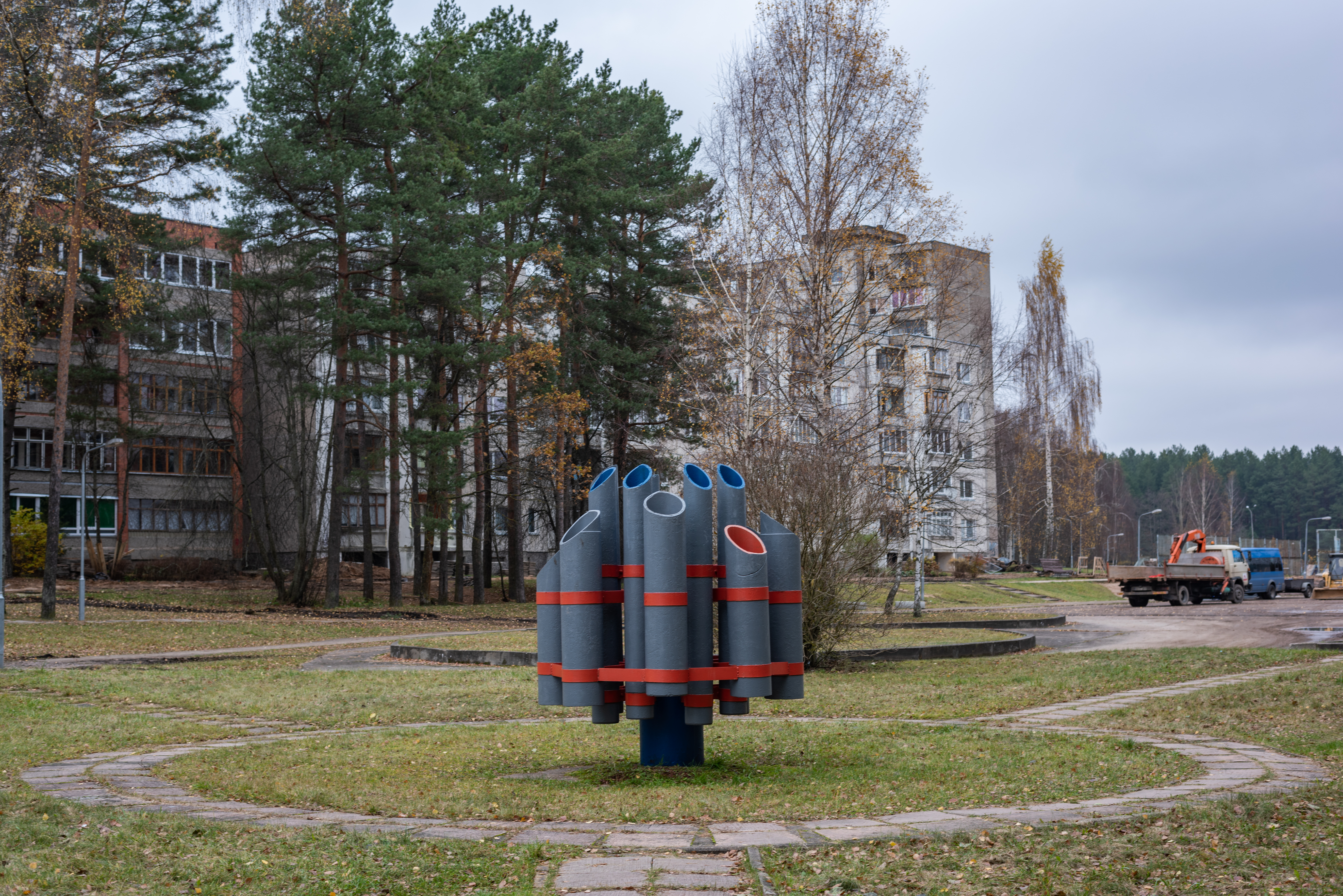
Radioactive Butterfly flutters through the town’s history, swooping and soaring in unison with the decades of local ebb and flow that has been shaped by global events. And while the project is laser-focused on Visaginas, its themes are international in nature – migration, how education informs identity, the social impacts of political crises.
There is a generational element, too, as Rana discovered that a local’s age largely informs their view of the world. He says, “If you speak to the older generation, who came in the first wave of construction, they actually miss the Soviet Union because it took care of them. If you talk to people in the middle generation, they are divided – they are not really missing the Soviet Union but they are missing the good times when their friends lived there. They are neither pro-Lithuania nor pro-Soviet, they just miss their home. And then when you talk to the younger generation, they are more influenced by Western Europe.”
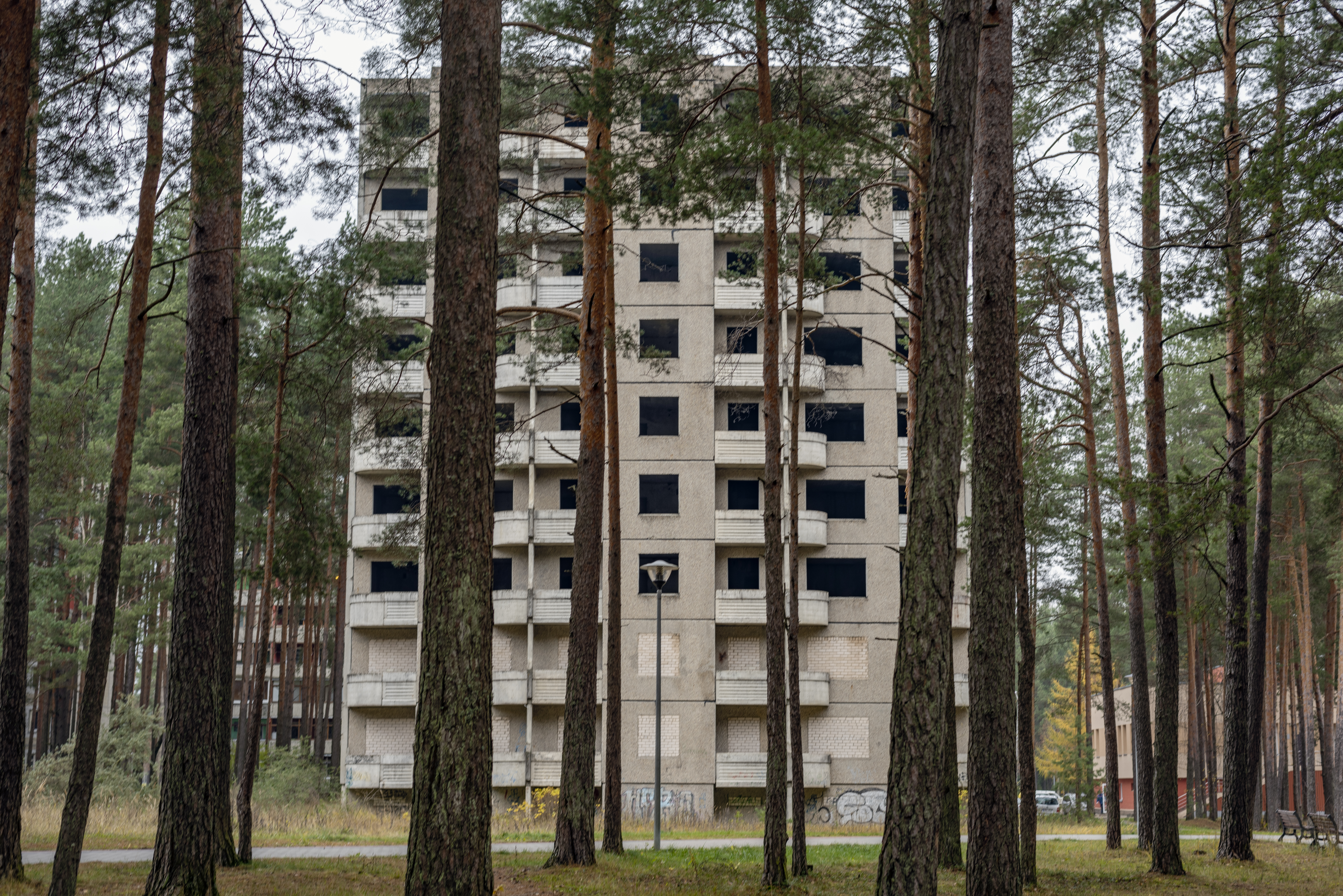
Rana adds, “The core of the book is that the town goes through an identity crisis. When Lithuania became independent it was decided that the town would be in Lithuania, but there were the people who had come from all over the Soviet Union – there were people from more than 40 nationalities and different religious and cultural beliefs. They spoke Russian because that was the tool for social engineering, everyone had to speak it, but suddenly after the independence of Lithuania they couldn’t go back home. It was not one country anymore and they lost that cultural identity to their roots. Then, when the power plant closed, they lost their economic identity.”
For Rana, the highlights of the project have been the moments of quiet breakthrough – crossing the language barrier to delve deep into the history of a place that most people have forgotten, if they ever knew it existed.
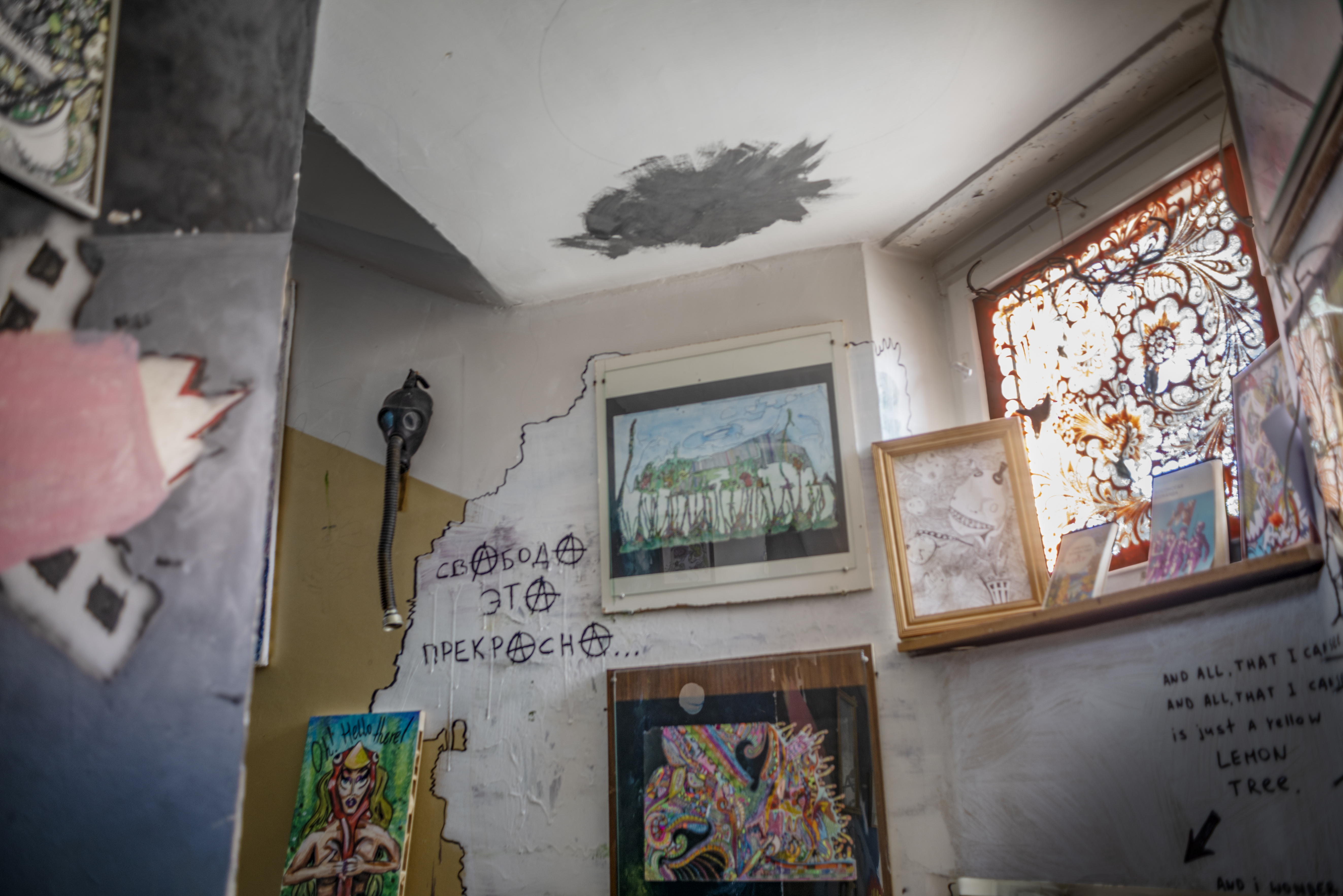
“I met one guy who is very much into Buddhism,” he says. “I come from India, this multi-religious culture, and we connected well because Buddhism is like an extended form of Vedic ideology. When we connected, he said ‘Maybe you can talk to my mother’ and he convinced his mother to give me an interview.
“His mother treated me well and her son was the translator. In the end, when we came out, he said, ‘This is really funny because my mother told you things that she never even told me.’ That was a beautiful experience, especially because in her kitchen I was taking photos of a doll and the next morning she sent her son with the doll as a gift for me. And she said, ‘Give this to Prashant because I liked the boy.’”
All images from the series Radioactive Butterfly by Prashant Rana.
The RPS Journal is available exclusively to members. Join us to receive our award-winning magazine and read more inspiring features. Explore full member benefits here.