
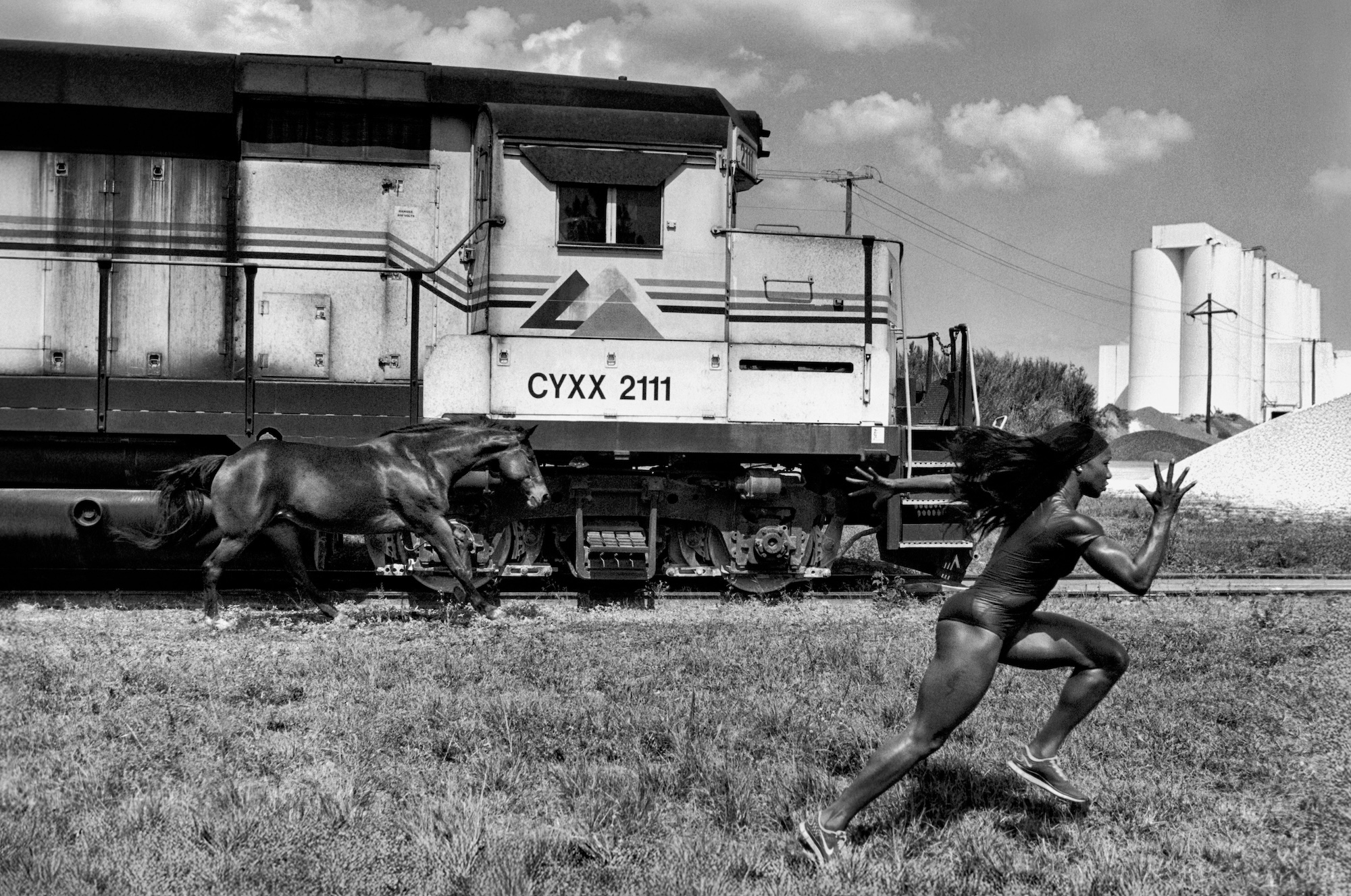
‘Carmelita Jeter, Miami, Florida, 2012’ by Bruce Weber
‘Be careful when meeting your heroes’ is one of those eternal lessons of Hollywood, whether you’re an actor or a photographer, a journalist or a stuntperson.
I came to this realisation unexpectedly when I was sent to shoot Paul Newman for Esquire in 1988. My father’s health was in decline when the magazine called. I had been looking after him in Palm Beach and was reluctant to take the job. But my dad had always been such a fan of Newman’s – his films, his attitude, his whole masculine mystique. So when I mentioned that I had a chance to photograph him in Daytona Beach around the time Days of Thunder was being made, my dad’s eyes lit up and he insisted that I go.
Things got off to a bad start. My assistant, John Huba, and I knocked on the door of Newman’s trailer and there was no answer. We kept knocking, again and again, and eventually he peeked his head out. And it was rather heartbreaking: this handsome guy whom I had grown up watching on screen looked really worn out. I didn’t expect him to be the nicest guy in the world or super warm. But his resentment at our being there was apparent from the start. Newman was wearing two sets of reading glasses stacked on his nose.
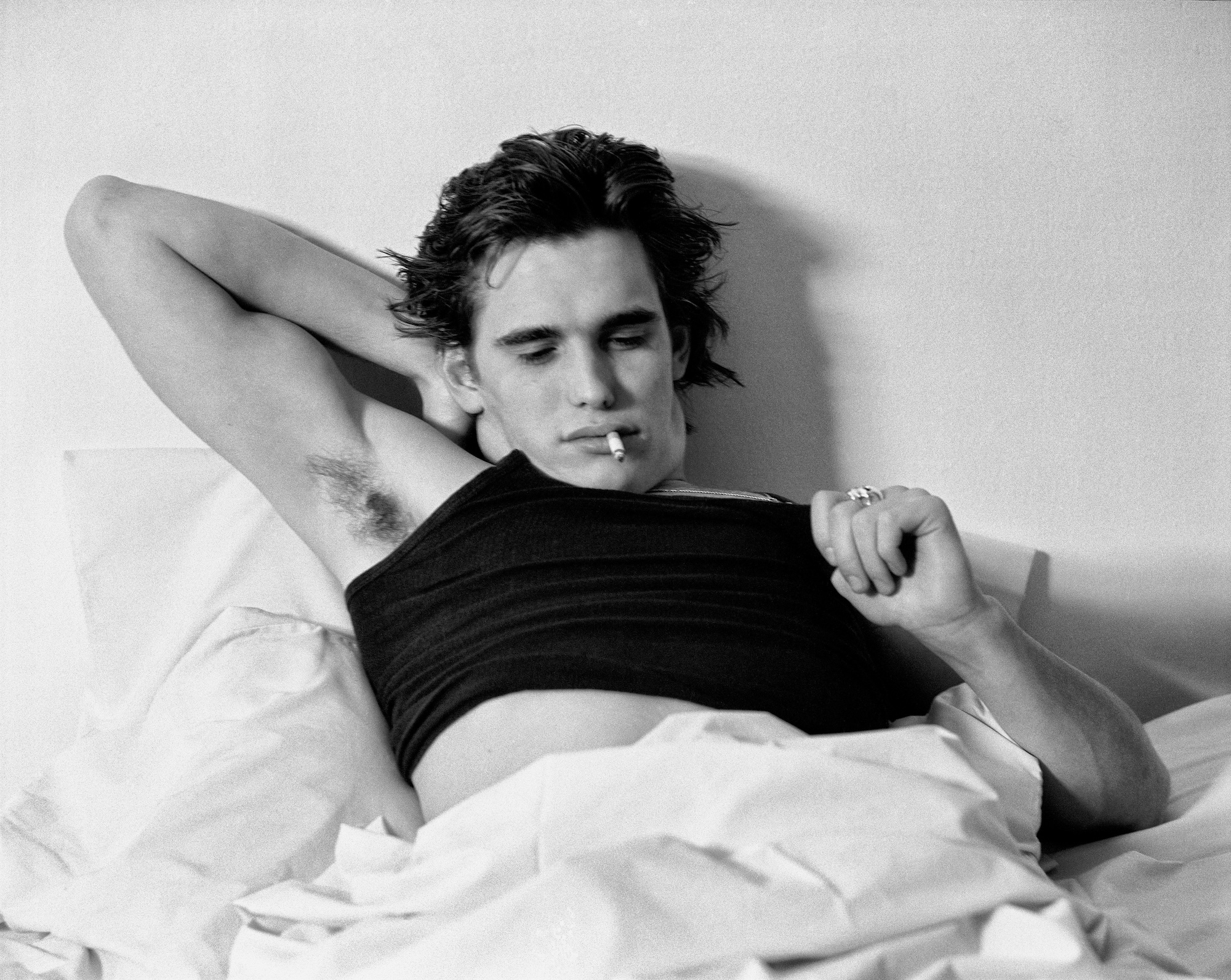
‘Matt Dillon, New York City, 1983’ by Bruce Weber
He reluctantly invited us to come in and watch as he made himself lunch. Then he sat down with a newspaper, held it in front of his face as he read and began eating his sandwich, completely ignoring us. What could I do in that moment but say a prayer and hope something would change – then get really angry and determined to make it work in spite of it all. I would find the Paul Newman I had loved as a kid, somehow.
But he didn’t make it easy. Newman stepped into his bedroom to get dressed for the track and then walked by us abruptly, saying, “Did you get your shot?” “Not yet,” I replied, chasing after him. “No photographs on the way to the track,” he growled. I forced myself to stay calm, even if he seemed determined to give us little chance to do what we had come to do. On the way to the paddock, a woman approached him and asked, “Oh, Mr. Newman, can I take a picture of you with my son?” Of course, he stopped and smiled, those unforgettable blue eyes sparkling. Then to the race cars, his face now completely covered by his helmet. I kept imagining the voice of the magazine editor in my ear: Where are the pictures of his face? I stood in front of his car, clicking the shutter until the team came to push me out of the way. After the race, when he returned to his trailer and locked the door, I felt my childhood affection for this person slipping away, which was a terrible feeling. Everyone has their bad days, but the situation was getting embarrassing.
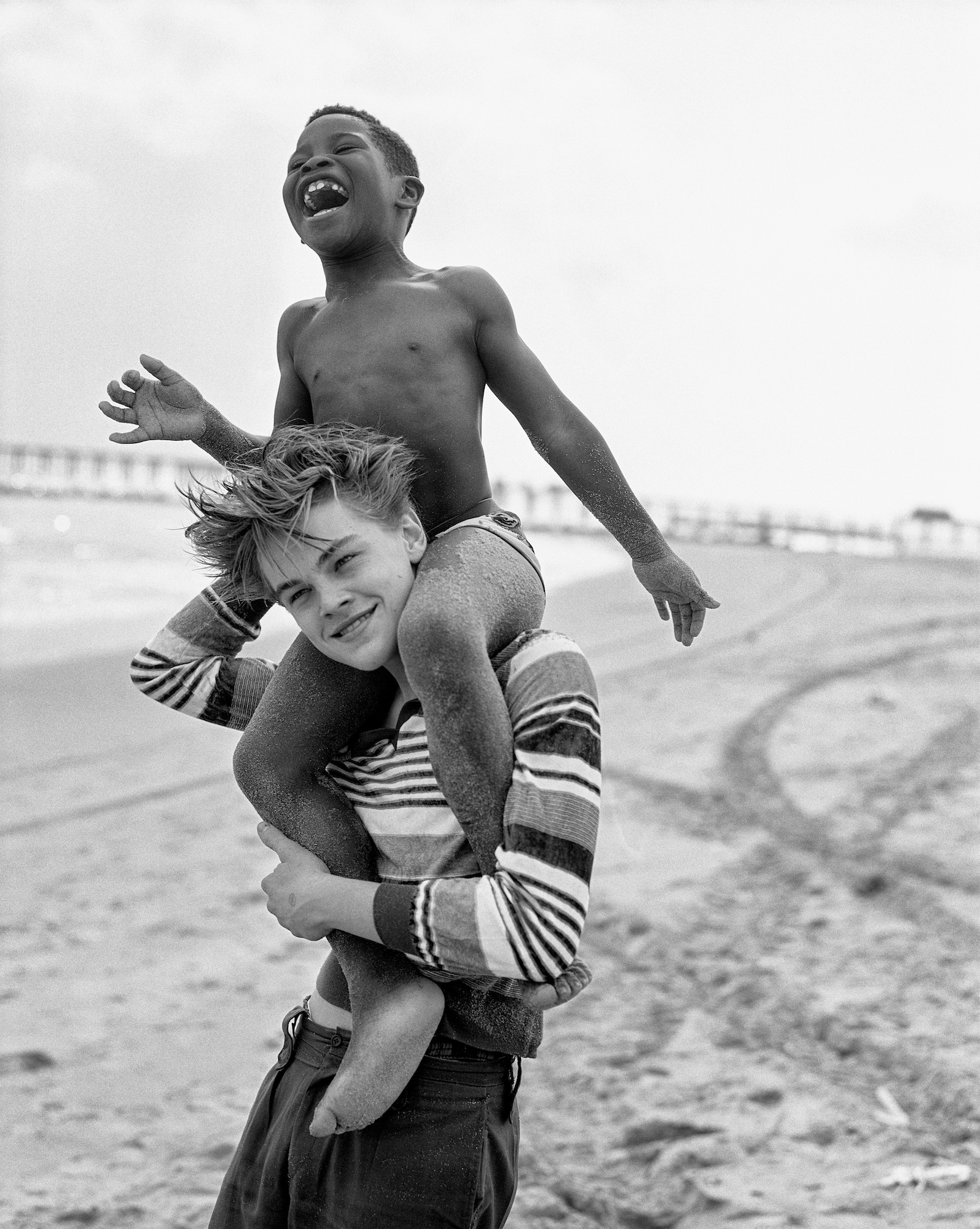
'Leonardo DiCaprio, Coney Island, New York, 1994’ by Bruce Weber
Eventually he reappeared. A group of track and production guys surrounded him, and I noticed that he was fidgeting with his hands, playing with something in a way actors do sometimes to take the nervousness away. In one last desperate attempt, I got down on the ground, crawled to the centre of the group between their legs and pointed my camera up to take the photograph [above].
It shows how absurd a photographer’s life can get when working with big personalities. Editors expect miracles to happen each time, but the reality is a constant process of interpretation and negotiation. You set off in the morning with a camera, full of good intentions, hoping to discover something new and exciting with a person who lives in a very public way and has already done this exercise time and time again. But it doesn’t matter, because every actor is still vulnerable when in front of the camera. It doesn’t matter how big a star they are.
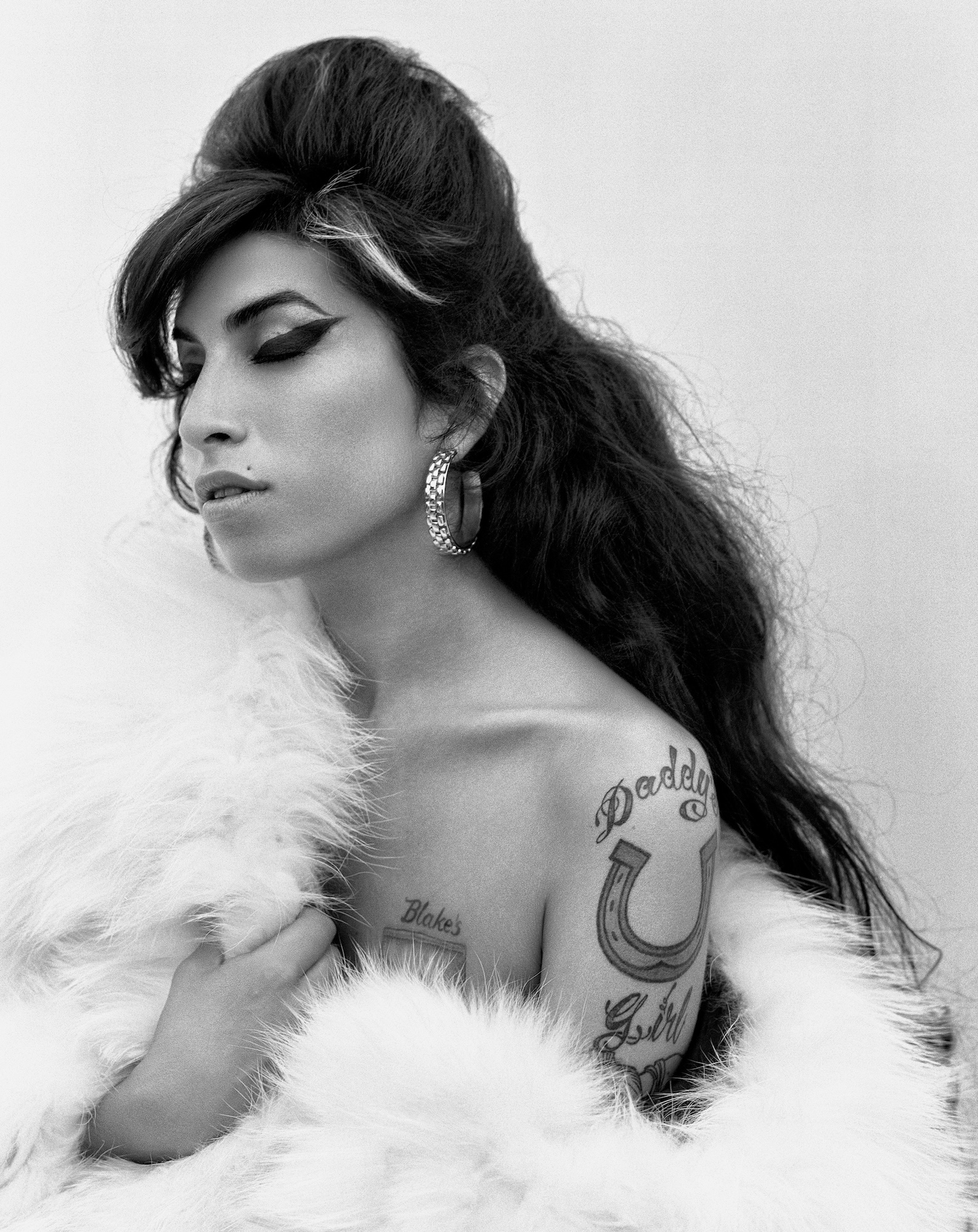
'Amy Winehouse, Miami, Florida, 2007’ by Bruce Weber
As we left the track that day, I wasn’t sure the sitting was going to work out. But when I got back to my dad’s place that night and sat on the edge of his bed to tell him about it, I said, “Don’t worry, dad, he’s still a hero.” And when I got the film back, I found that Paul Newman had done a nice picture, one that I was happy to show my father.
Here are some wonderful exceptions to the rule, where actors I was lucky to photograph really knocked my socks off and met my curiosity and enthusiasm in kind.
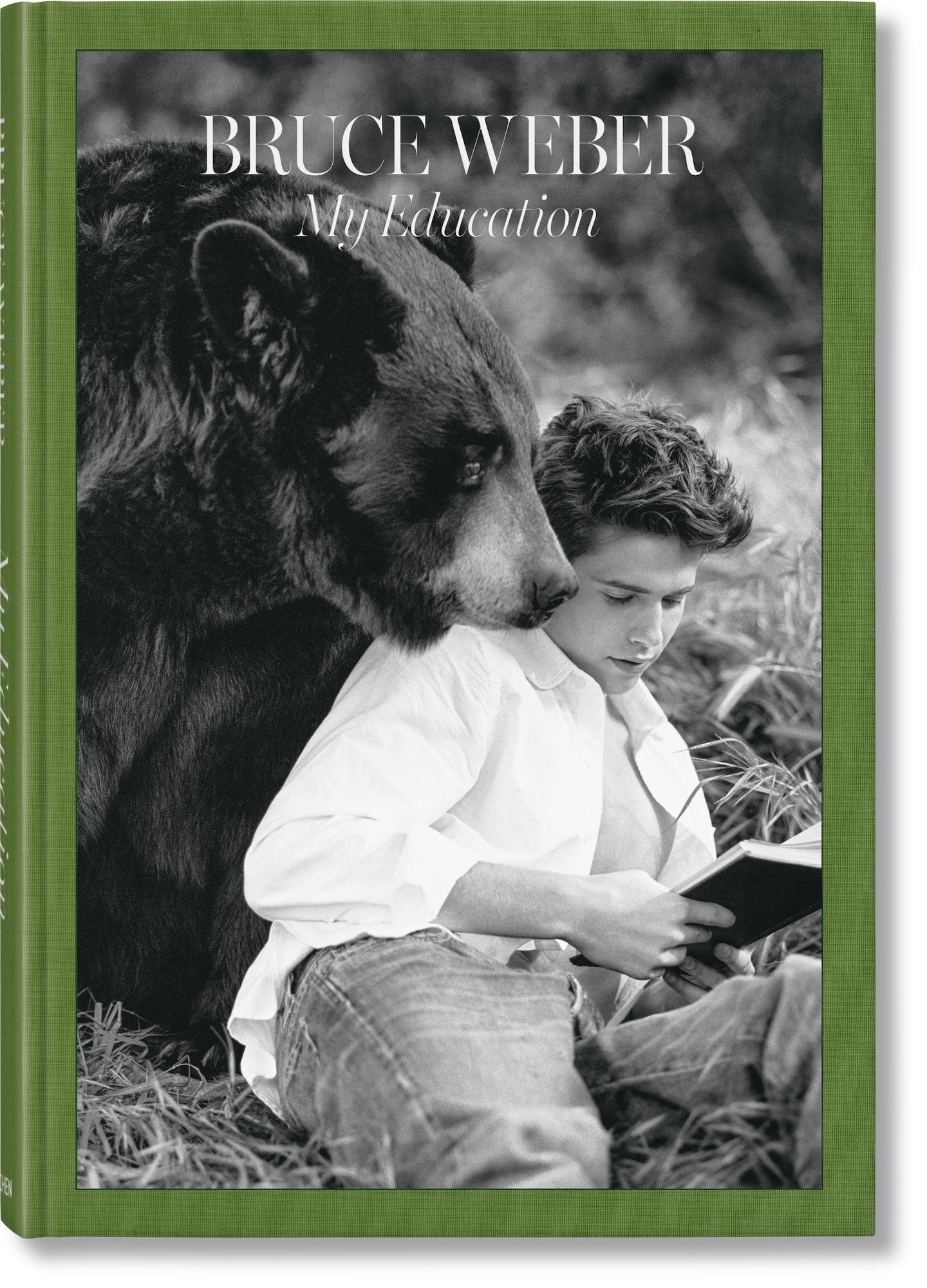
This is an edited extract from Bruce Weber: An Education, published by Taschen at £125. Discover more work by Bruce Weber.
The RPS Journal is available exclusively to members. Join us to receive our award-winning magazine and read more inspiring features. Explore full member benefits here.