I am lucky enough to have grown up in the beautiful seaside town of St Andrews in Scotland. From a young age, beachcombing became a passion. I searched through piles of ‘death’ – the detritus of stuff coughed up by the sea: tangled seaweeds, unknown sea creatures and dead animals.
I became fascinated by the animal skulls, bones and curious objects that caught my eye. I was smitten by the beauty of dead things – not all dead things, but strange things like the pelvis of a bird, which looked just like an animal skull; a skeletonised flatfish; a mummified baby shark; a starfish; mermaid’s purses; mysterious foam that was actually a spongy mass of empty snail’s eggs; shells; feathers; and unearthly sea potatoes.
Soon, I had a museum in my bedroom. Every day I would handle the strange objects and marvel at their various intricacies, be it the perfect little circle of 14 tiny bones in a seabird’s eye socket, the starlike rows of pinholes in the surface of a sea potato, or a collection of exquisitely patterned feathers.
The museum slowly expanded to include butterflies and moths, animal skins, fossils and animal structures such as bird’s and wasp’s nests. These things were all beautiful to my young mind and I did not realise until later in my academic career that I was behaving like a magpie, drawn to collecting similarly ‘shiny’ objects.
But my shiny objects shared a different code, which emerged as I viewed them together and started to see common themes of form, pattern and colour.
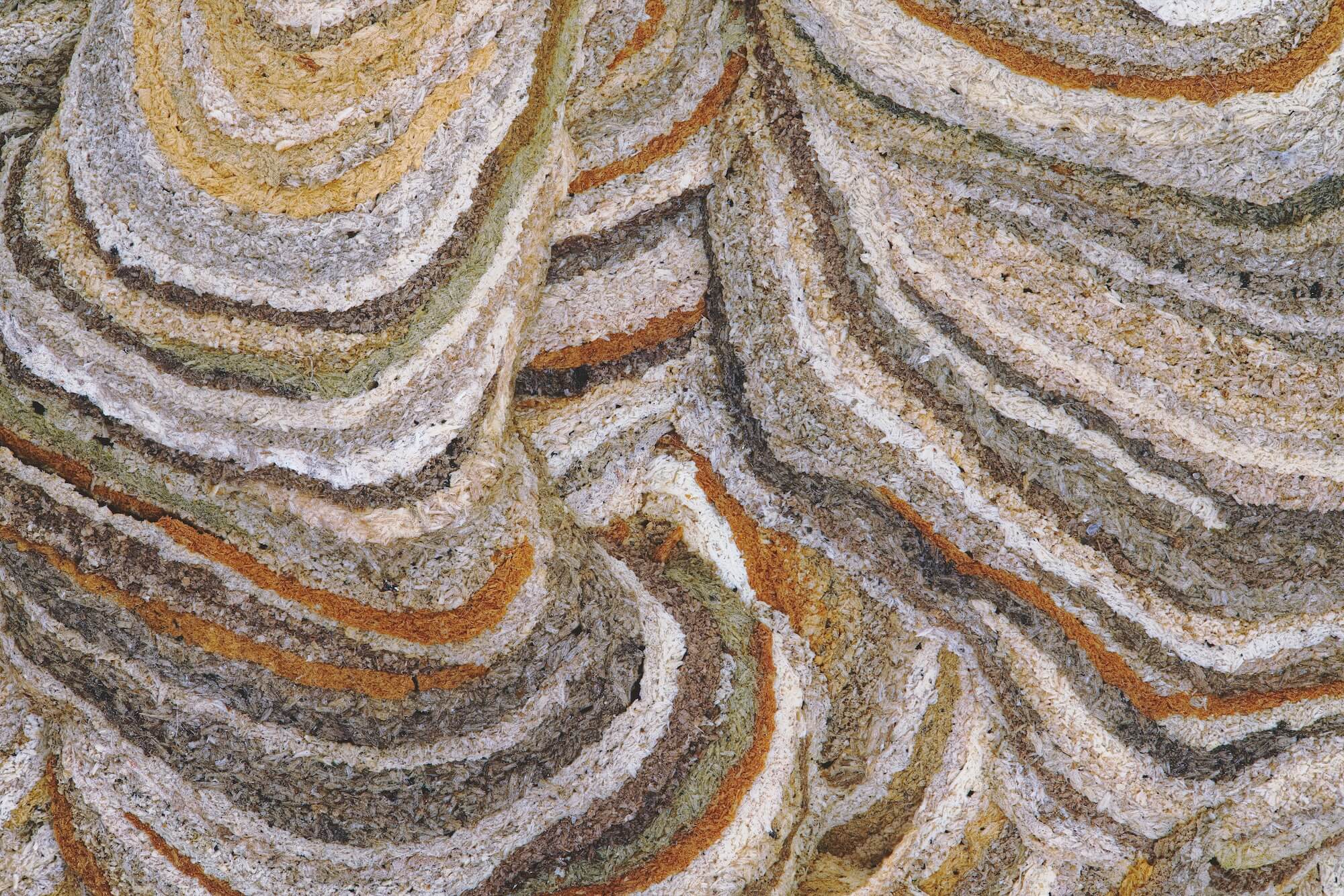
The wasp’s nest arrived in my collection because I had read somewhere that wasp grubs (larvae) were the perfect bait for catching trout. Cutting it open, I was fascinated by the almost unnatural precision with which the cells housing the grubs were made into perfect hexagons.
Looking much like the honeycomb of bees, which is made from wax, my wasp’s nest was constructed from chewed wood. The wasps had written, in paper, the story of every tree and fence post they had visited. It was laid down as an intricate, striped pattern of different-coloured woods. But why were the wasp and bee cells hexagonal in shape and not simply circular?
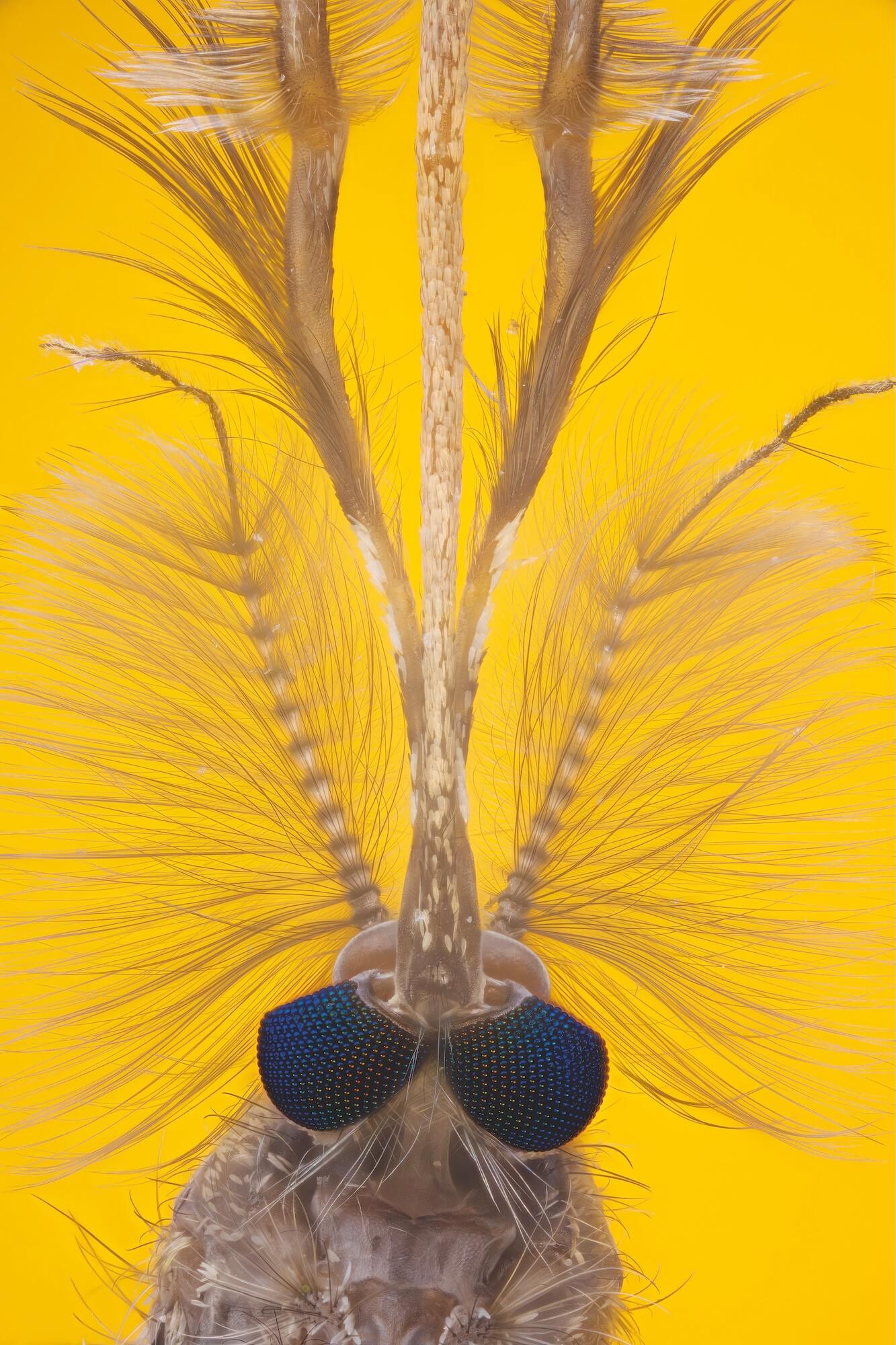
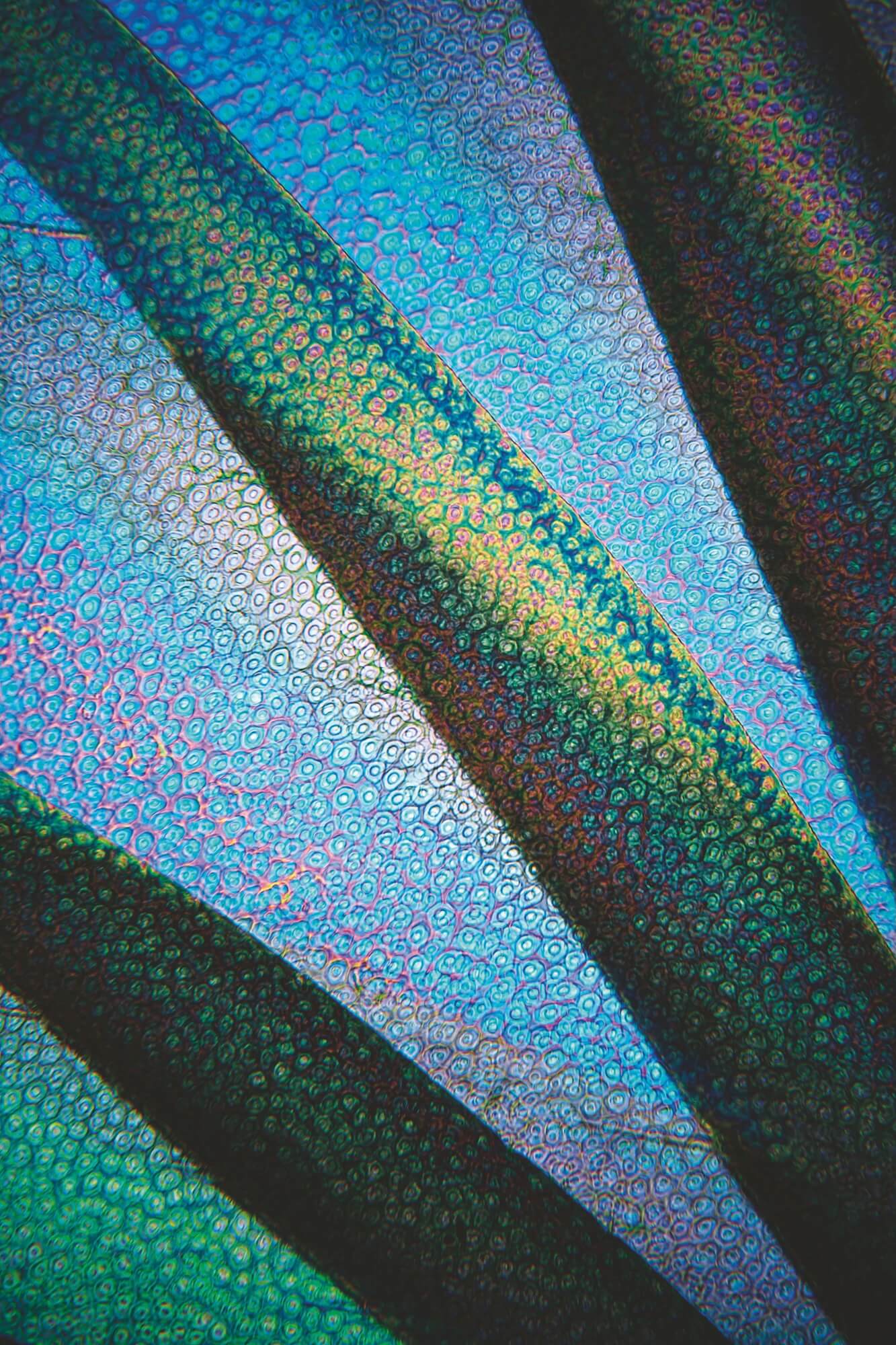
Exploring further, I noticed that the eyes of butterflies, moths and beetles were not a single lens. Instead, they were made from hundreds of tiny, hexagonal lenses, forming a pattern that was honeycomblike in appearance. Hexagons again, but why?
My museum also exhibited fossil ammonites, seashells and a ram’s skull. Again, a simple geometric form clearly linked them all – the spiral. This form is all around us – in the pattern of seeds in the head of a sunflower, in the patterns on the surfaces of pineapples and pine cones, in the shapes of spiderwebs and, beyond our planet, in the spiral galaxies of the heavens.
Other seashells in the collection were patterned with stripes that looked similar to the ripples moulded into the sandy beach, to the black-and-white dazzle of a zebra’s hide, and to the rippled cloud formations of a mackerel sky.
These similarities in pattern and form seem all the more remarkable because they occur in such apparently dissimilar settings and contexts. They span the organic living world, the inorganic and the cosmic. Surely, then, we cannot attribute their formation solely to genetics and the processes of biological evolution. But what other forces are exerting their constraints on the shape of life?
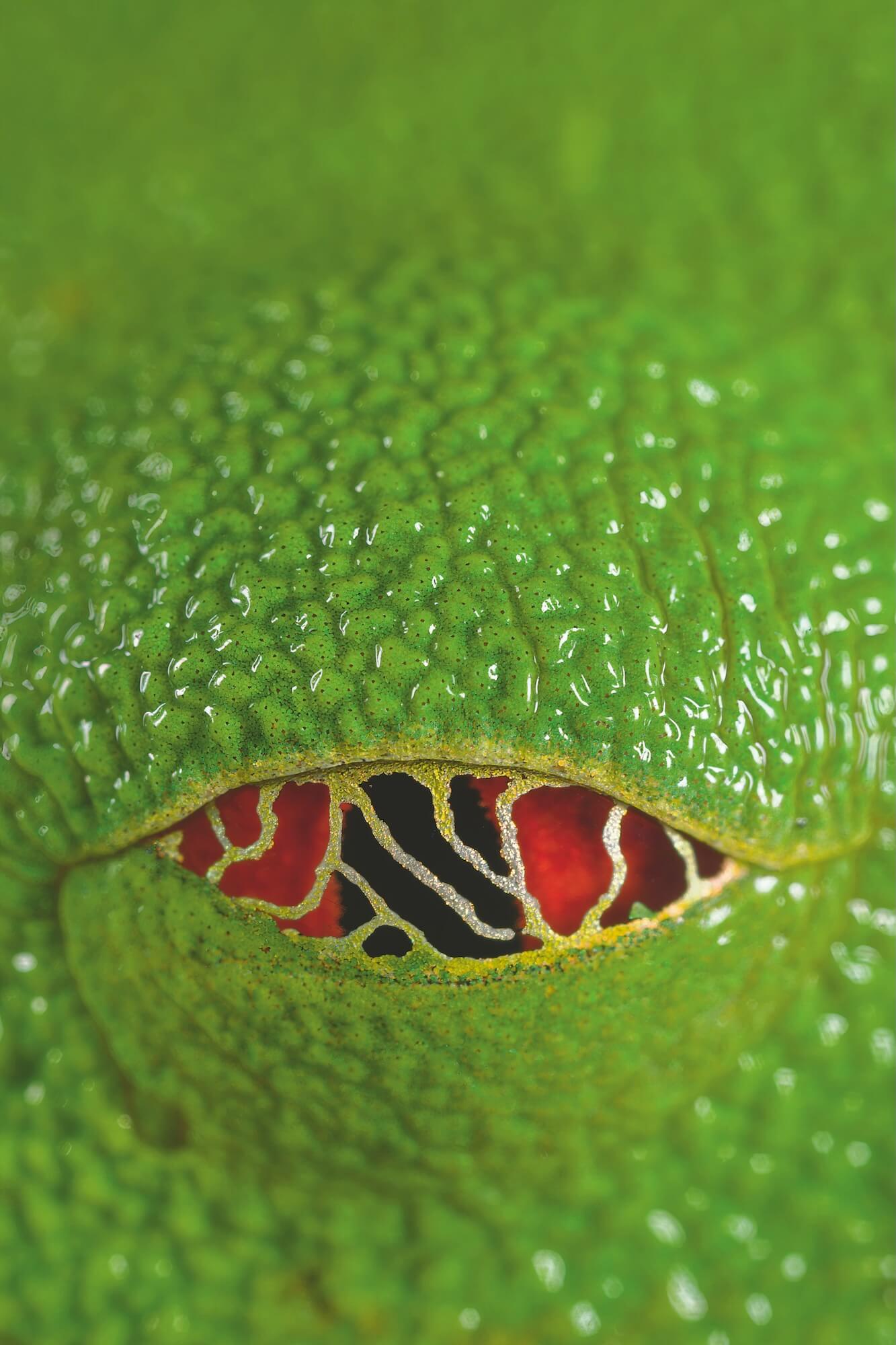
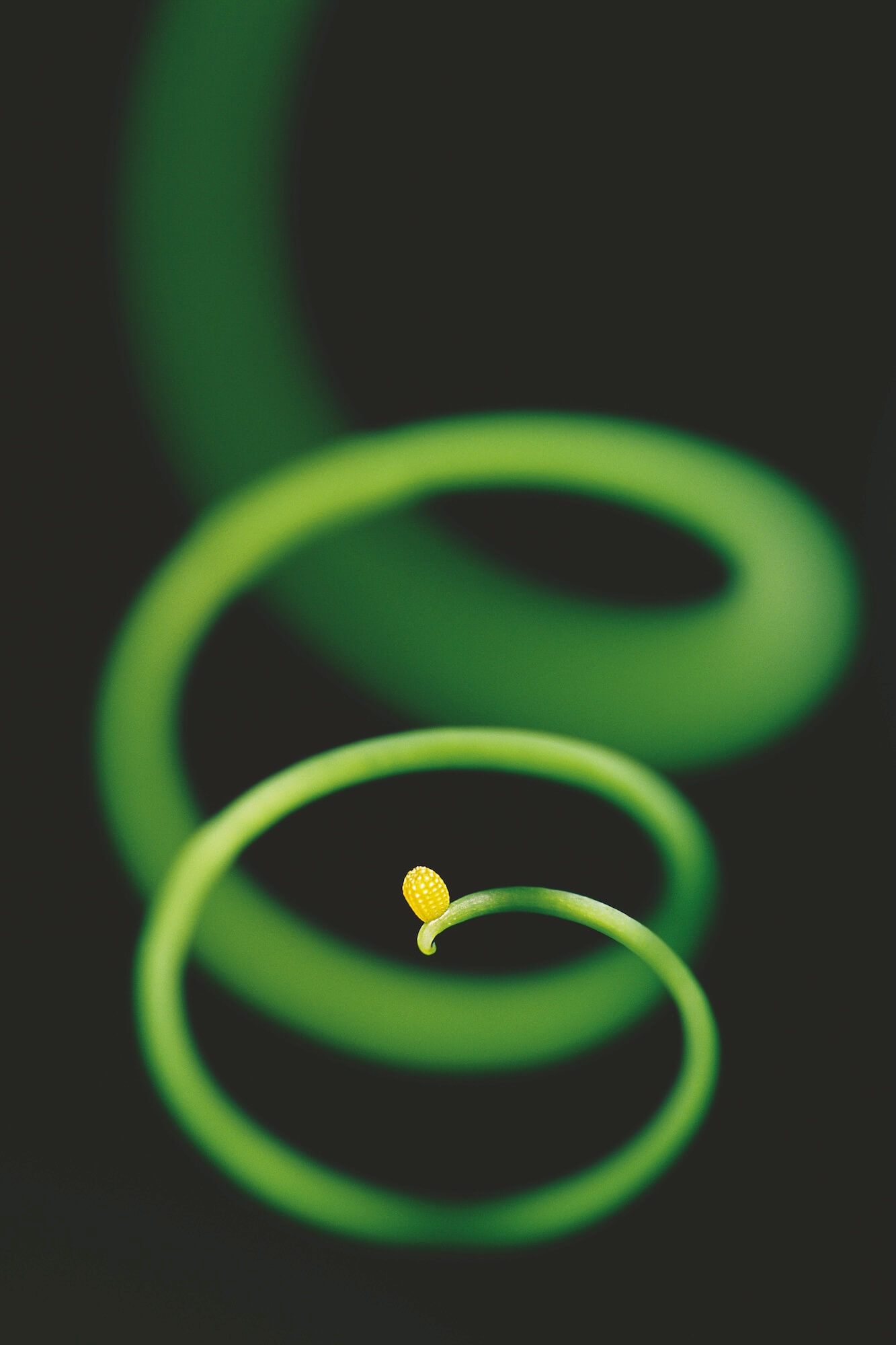
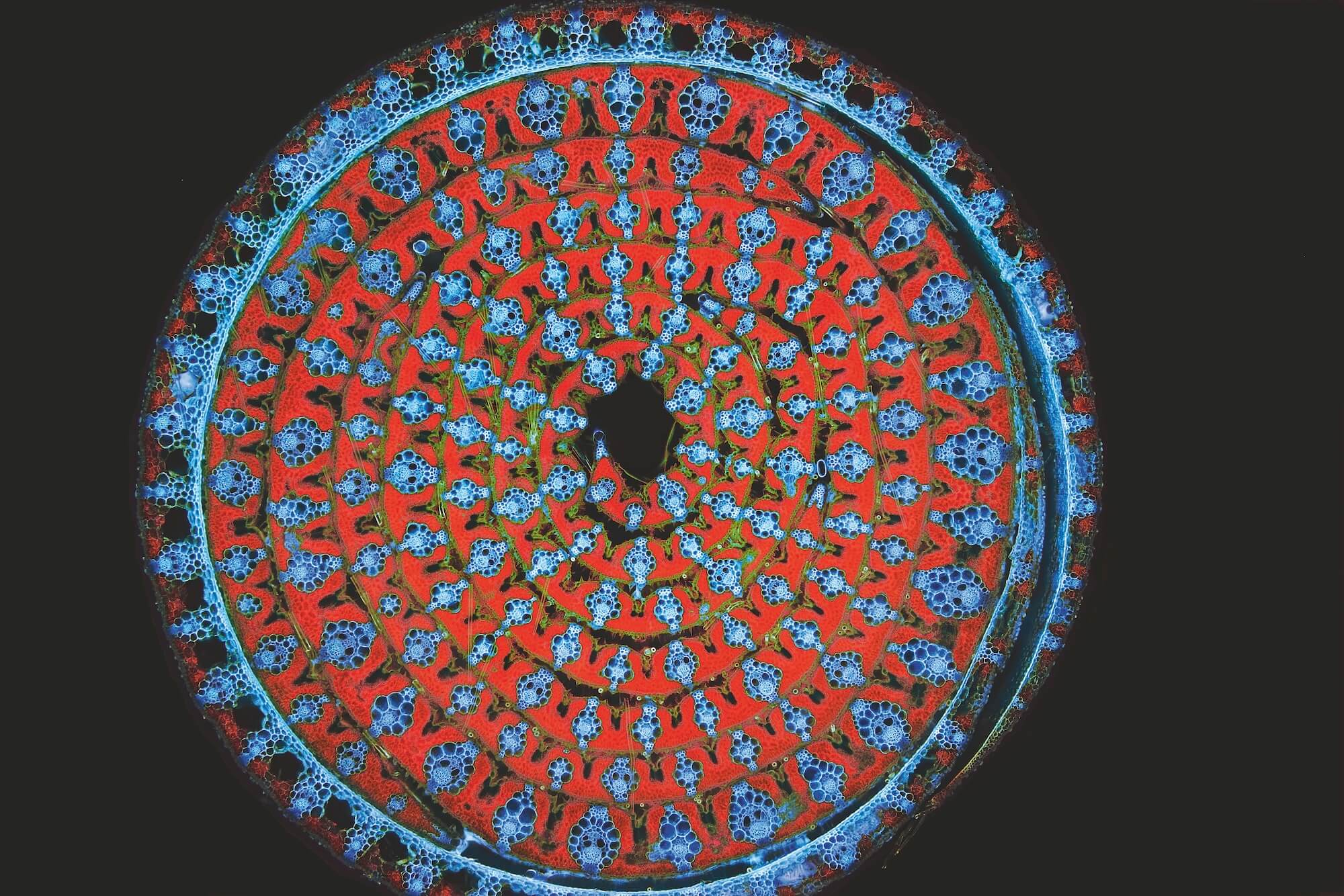
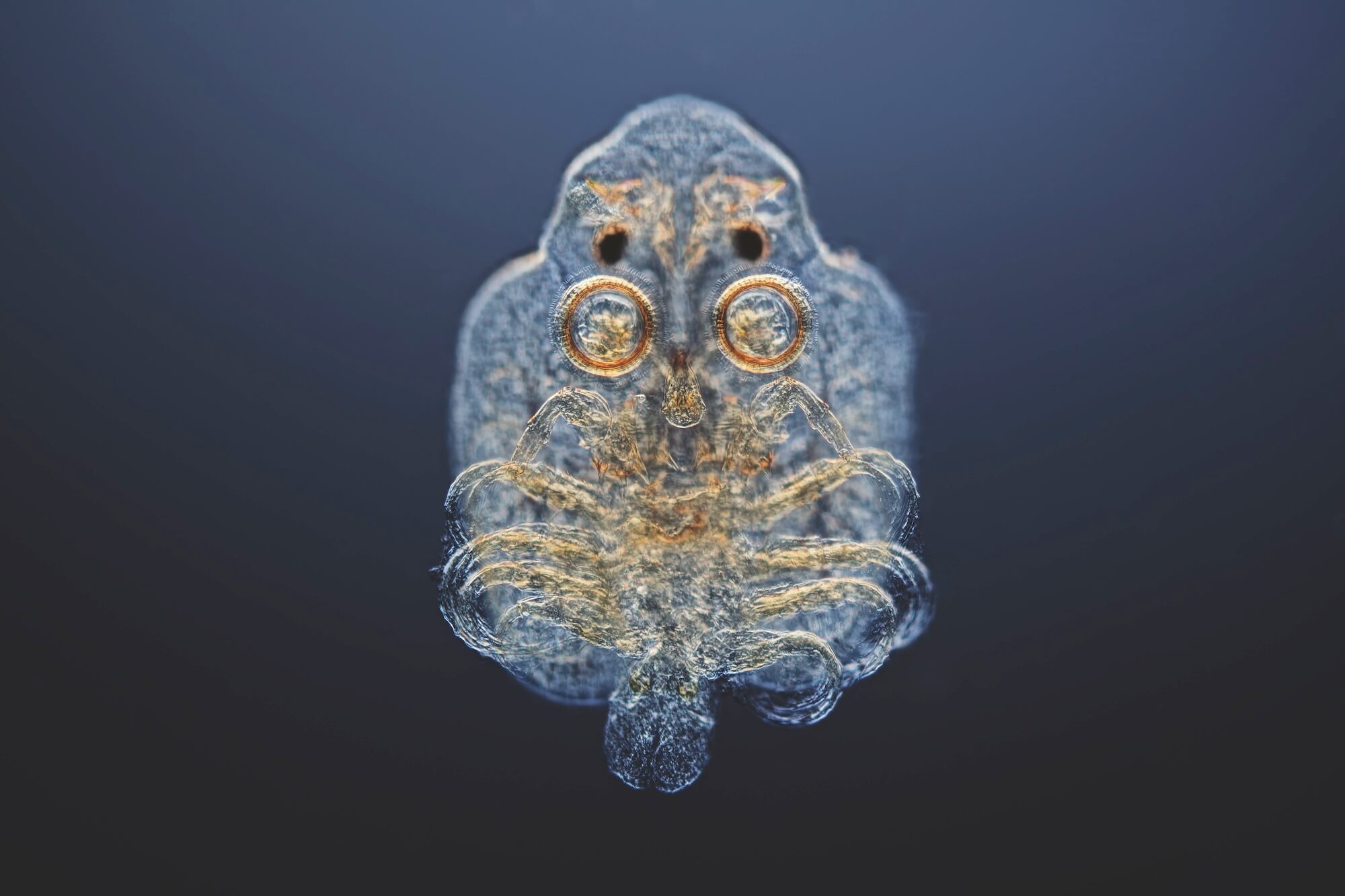
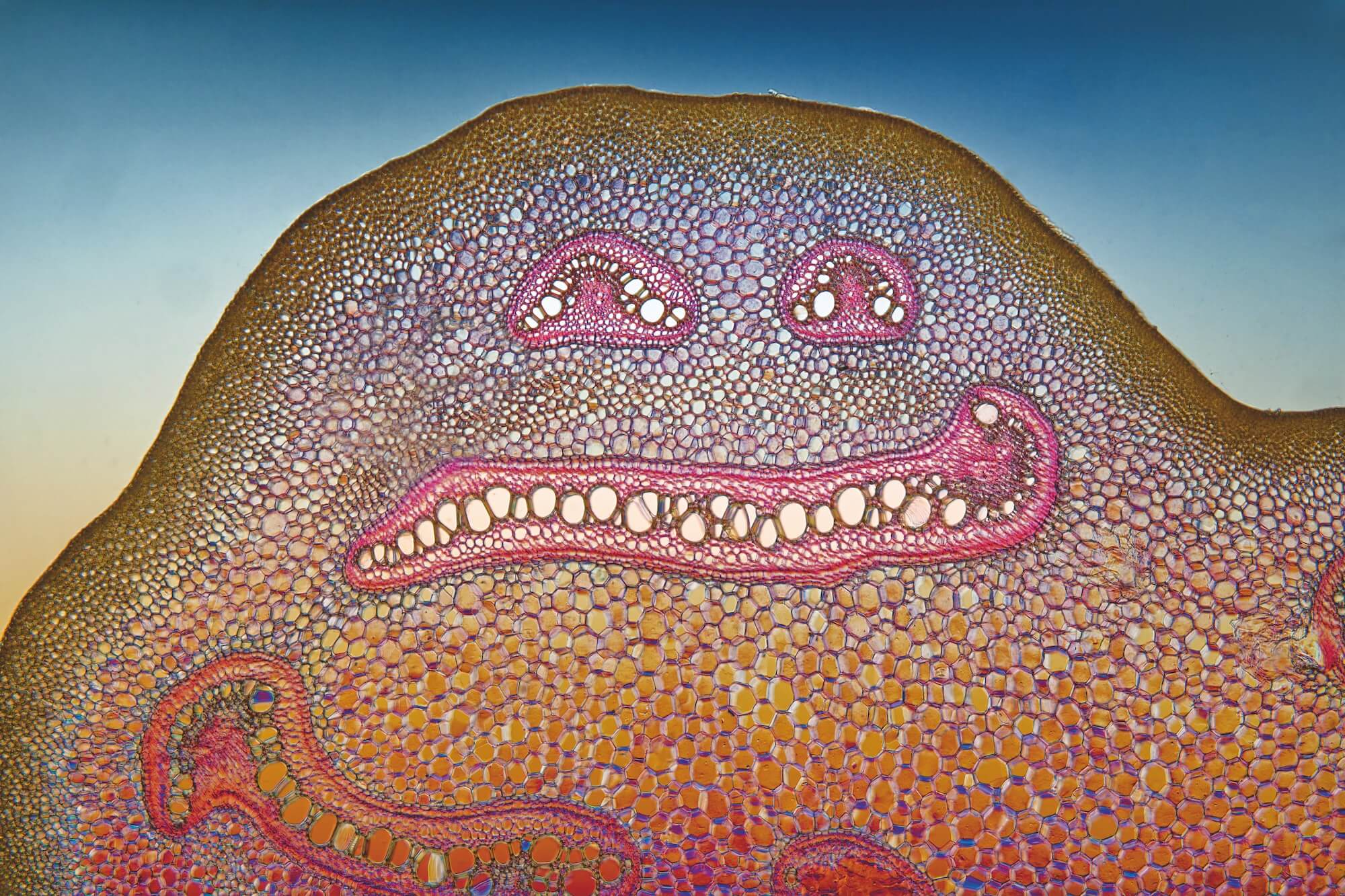
My book The Shape of Nature takes you on a visual journey through the myriad structures, shapes and patterns we see in nature, to reveal how simple principles of geometry can help answer the questions of how and why they share their common forms and symmetries. These are captured and celebrated in the photographs I have taken over many years as I continue the personal journey of discovery that I first embarked on as a child on a Scottish beach.
Despite the old saying “no two snowflakes are alike”, you can say for certain that you will never see a five-pointed snowflake. In geometry, there are only five regular polyhedra, but crystals cannot form with pentagonal symmetry. The size of life also matters, and constrains the way things are. You cannot build an elephant-sized flea and a flea could never jump over the Empire State Building, even if it were elephant-sized.
There are universal physical forces – which I will call ‘the forces of nature’ – acting upon our world’s and our universe’s many wonders. By curating the visual forms these create, by quantifying the geometry that binds them together, and by considering how form follows function, we will answer some of the questions behind the marvels of creation.
In the course of doing so, we will find a language to begin describing and unifying what Charles Darwin called nature’s “endless forms most beautiful”.
All images from The Shape of Nature: The Intricate Patterns of Life by David Maitland FRPS, published by Abrams.