
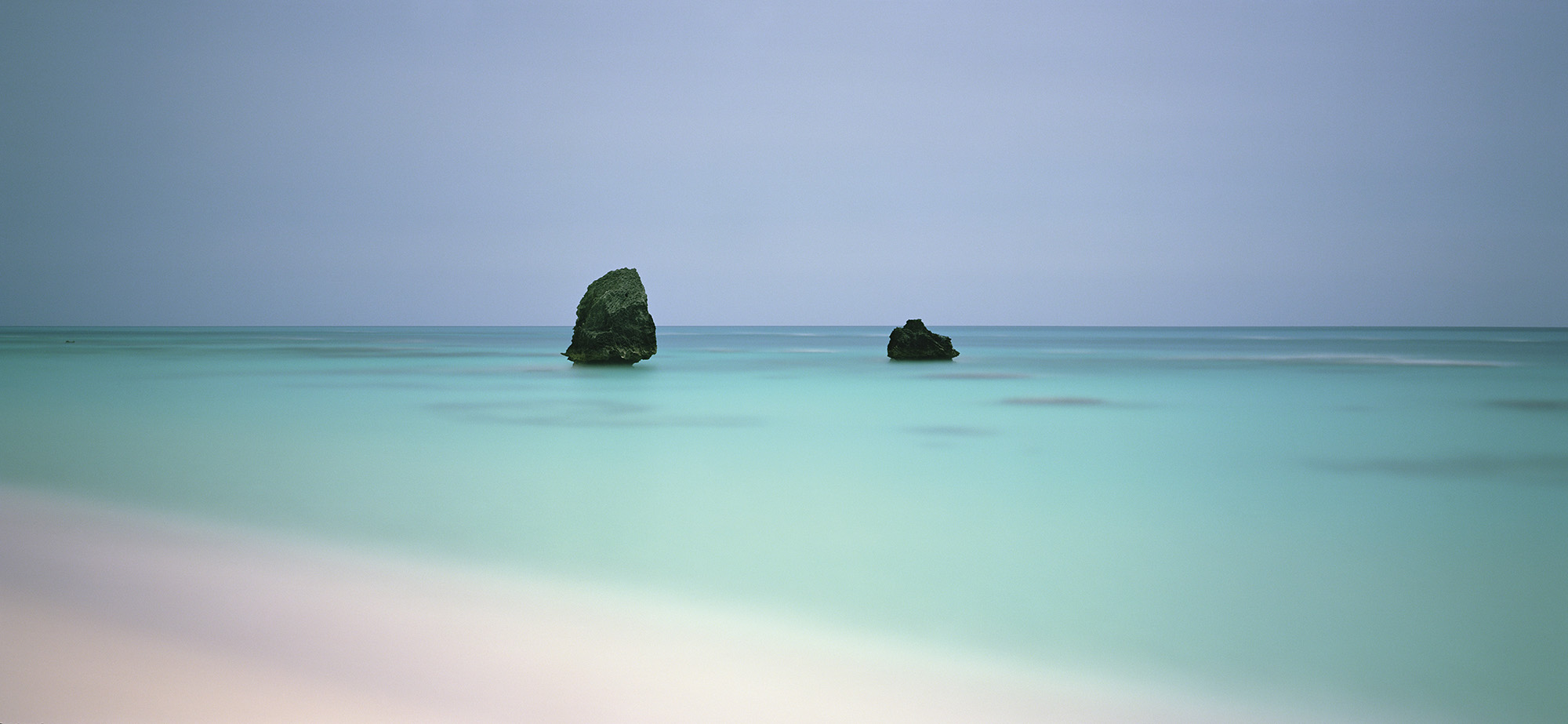
‘Bermuda, 2025’ from the series Fullmoon by Darren Almond
Shortly after the inauguration of Tate Britain in 2001, I conceived a series of exhibitions to focus on contemporary responses to the art of the renowned 19th-century landscape painter J M W Turner.
The first of these was Night as Day, an exhibition of photographs by Darren Almond, drawn from his Fullmoonseries, which had begun a couple of years earlier. Night as Day presented the result of Almond’s journeys to the geographical locations of paintings by Turner and of other iconic landscapes by Paul Cézanne and John Constable.

‘Pacific, 2005’ from the series Fullmoon by Darren Almond
Turner’s rambling climb in the Swiss Alps in 1802 resulted in spectacular watercolours worked up from drawings made in situ – almost exactly two centuries later, Almond travelled to the same spots where Turner had propped his sketching block.
In rendering the same view, however, Almond photographed at night using a long exposure under a full moon, his timing carefully calculated to ensure a cloudless night sky. Thus, each print exposes scenes that usually remain undetectable – only the camera’s eye, opened wide to absorb accretions of moonlight, can reveal a strangely tinted world of the night that is impossible to see with the human eye.
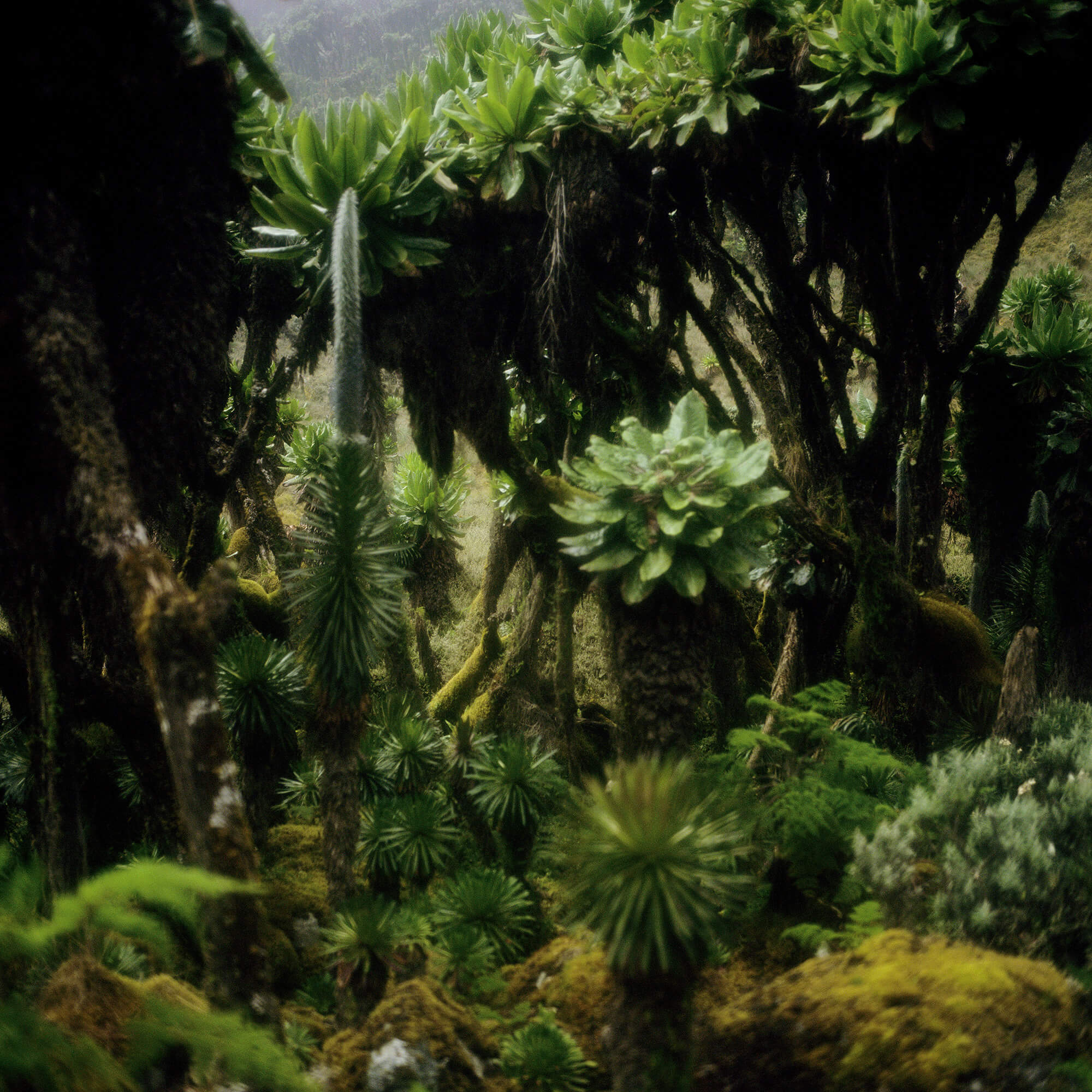
‘Bujuku, 2009’ from the series Fullmoon by Darren Almond
Turner’s remarkable physical exertion on many travel itineraries in the early 1800s – from the mountainous to the marine – led to a vast accumulation of the traces of his journeys in thousands of sketches, opening up a seam of overtly literary topography. These early lessons in topography stayed with the artist throughout his life, and he based an extensive visual vocabulary on them that ranged far beyond precise renderings, resulting in the dazzling painterly atmospherics for which he has become known.
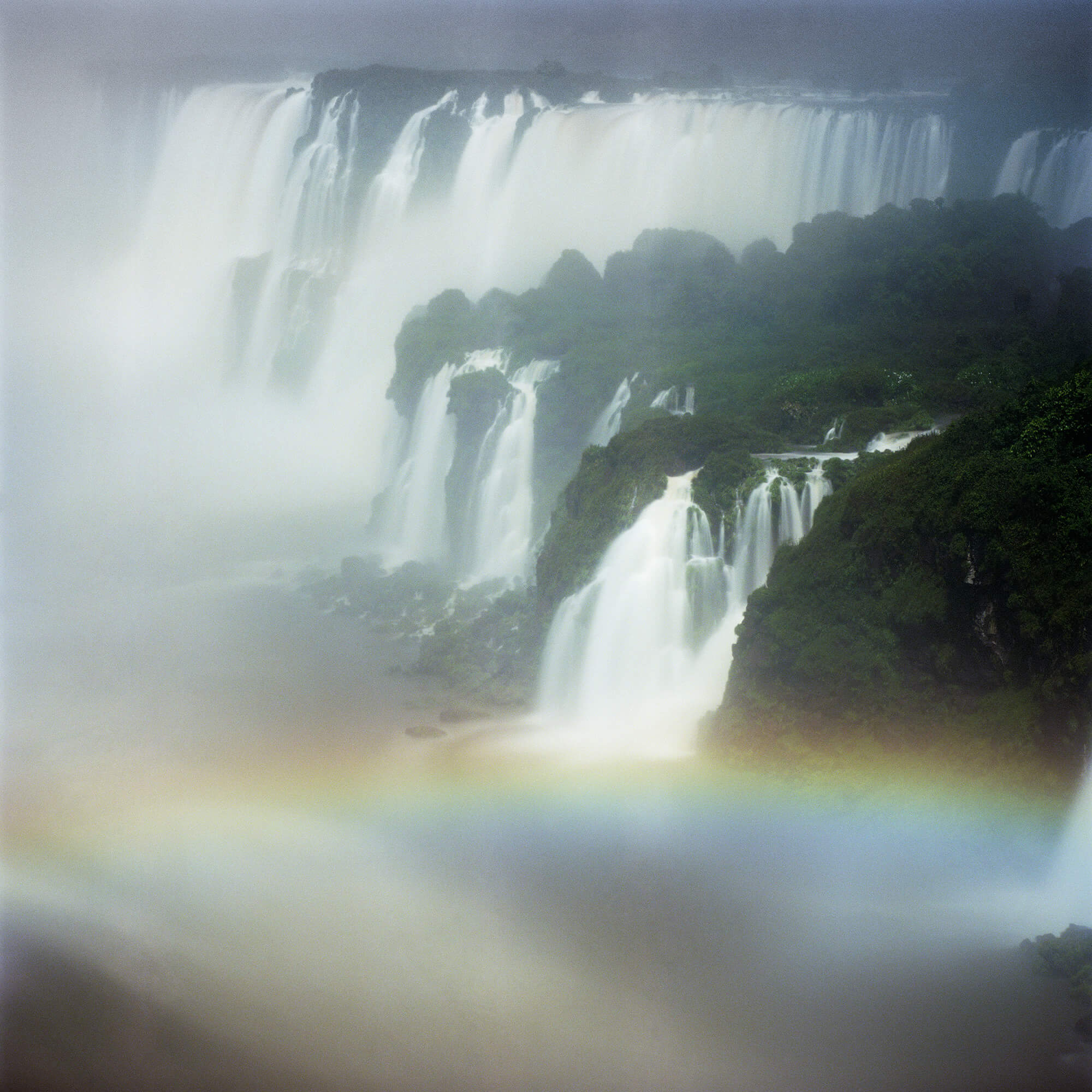
‘Moonbow, 2011’ from the series Fullmoon by Darren Almond
Like Turner, Almond is resistant to a topographic reading of his art, yet not only is he as beguiled as his artistic forebear by the essential nature and language of light, but his work can also be seen as a modern trajectory of the British landscape tradition within an avowedly Romantic vein.
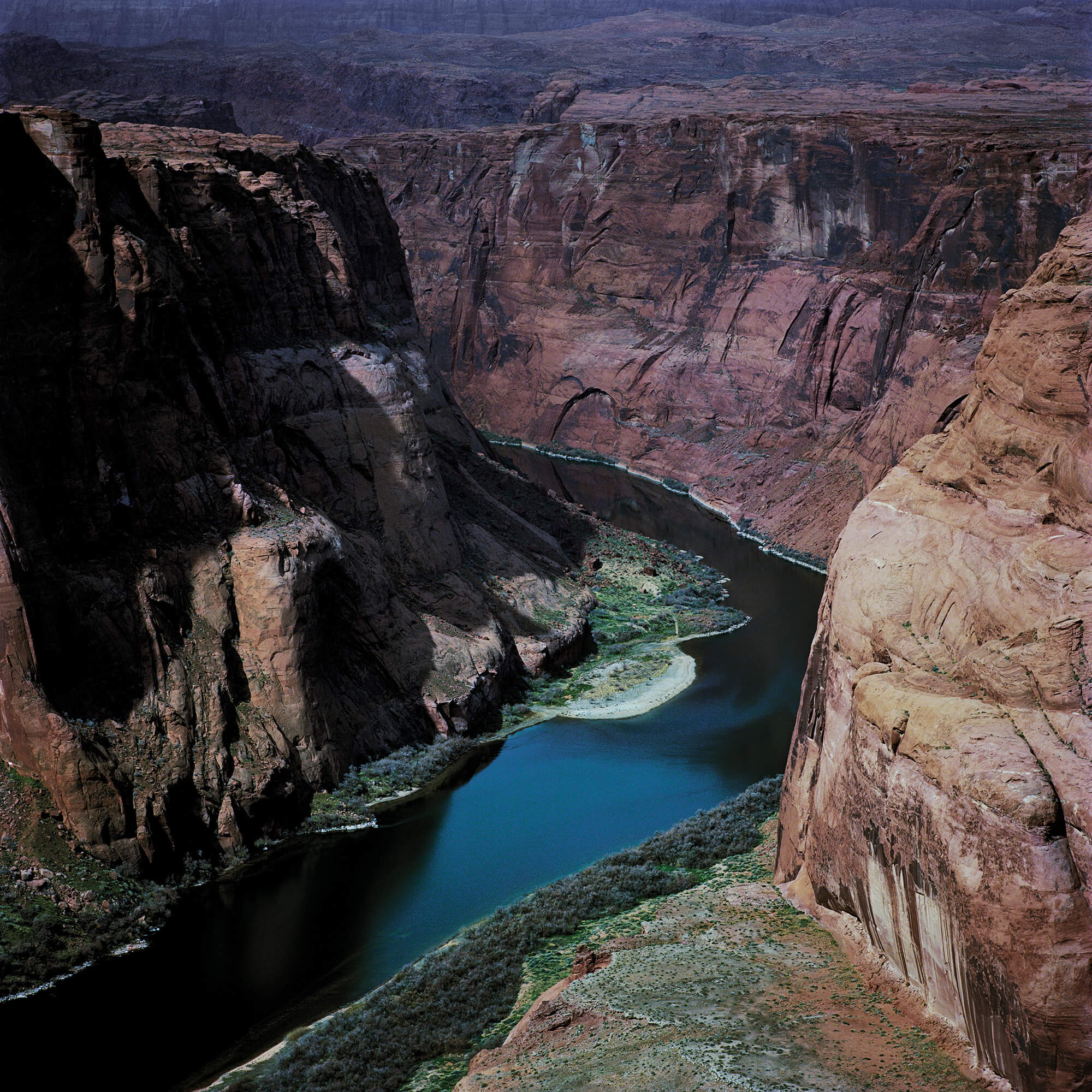
‘Horseshoe Bend, 2012’ from the series Fullmoon by Darren Almond
Since these beginnings, the ambition of the Fullmoon series has broadened considerably to reinvigorate both the impetus for and the discoveries of travellers and explorers of the 18th and 19th centuries, many of whom were artists or writers. Like that of his predecessors, Almond’s quest is to discover an alternative vision of the landscape. As crucially, it is also to recapture the sense of arrival and awe at a glimpse of a previously unknown vista, which brings to mind T S Eliot’s prescient phrase: “And the end of all our exploring will be to arrive where we started and know the place for the first time.” In Almond’s case, this is a fugitive, fleeting scene woven with the moon’s light over a period of time via a long photographic exposure, literally allowing us to ‘see’ the view in a different light.
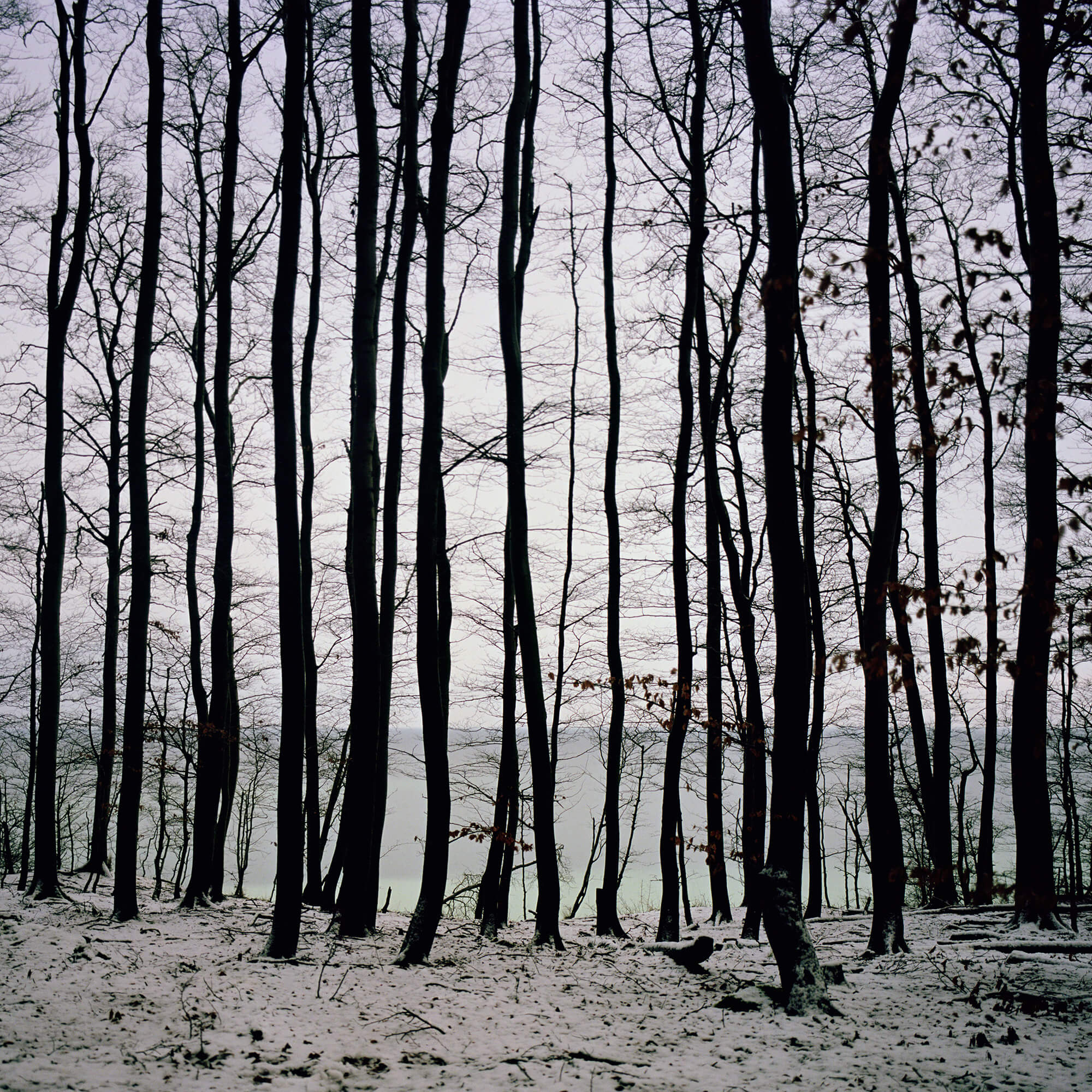
‘Baltic horizon, 2015’ from the series Fullmoon by Darren Almond
By mapping historic routes in many regions of the world, Almond has followed the full moon through the Antarctic in the footsteps of Robert Scott (2002); at the Arctic circle near Arkhangelsk Oblast, where Russian poet Joseph Brodsky was sent to exile (2003); to Provence, where Renaissance seer Nostradamus wrote his predictions in four lines mirrored in the four images of Almond’s ‘Quatrain’ (2005); and to the Yosemite Valley, where Scottish geologist and environmental activist John Muir long dwelled before succeeding, as an early advocate of the preservation of the wilderness, to establish it as a national park (2005).
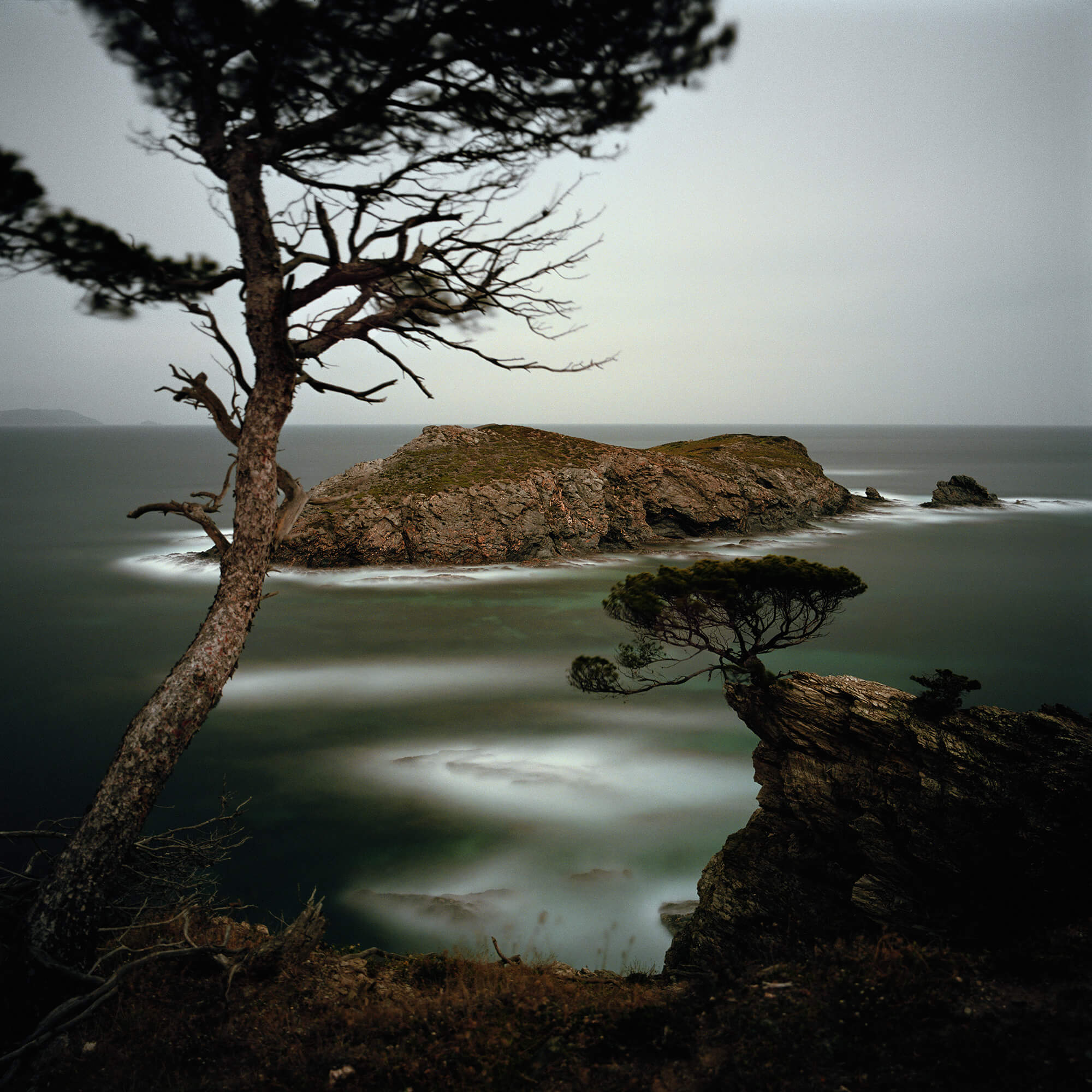
‘Porquerolles, 2022’ from the series Fullmoon by Darren Almond
Further iterations of the Fullmoon series resulted from travels to one of the sources of the Nile in Uganda within the shadow of a host of 19th-century British explorers (2009); to Hawaii, where Captain James Cook met his death (2012); and to Cape Verde (2013), an archipelago of volcanic islands off the west coast of Africa, where Almond depicts the unique sharp, black rocks, formed from solidified lava, which served evolutionist Charles Darwin as a geological hunting ground during his famous voyage with the Beagle in 1832.
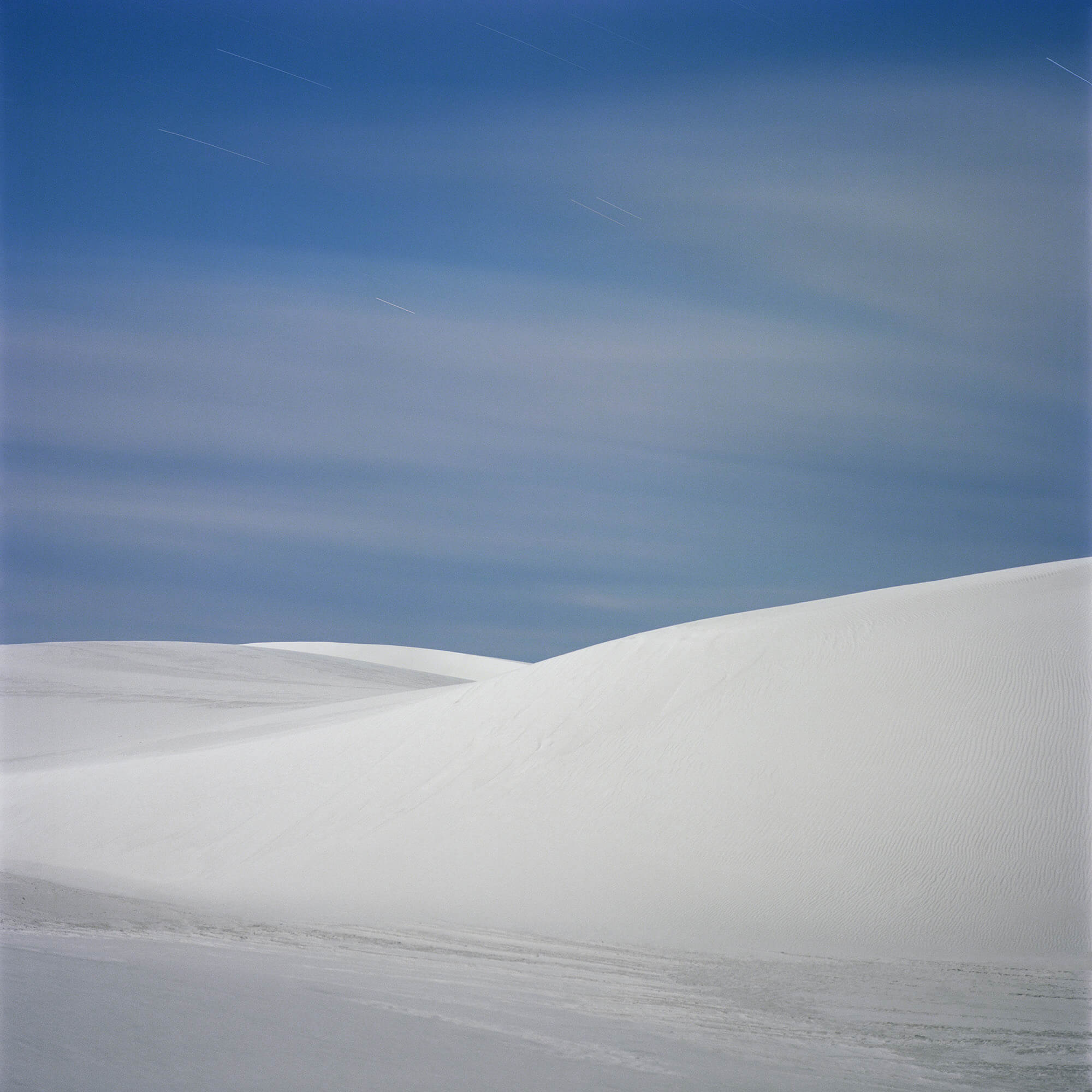
‘White sands, 2022’ from the series Fullmoon by Darren Almond
Like Muir or Darwin, many of the men whose footsteps Almond traces in his work were pioneers of a modern environmental consciousness, both political and recreational, their expeditions or forced exile either questioning or reinforcing the sense that the landscape in which they found themselves might also be significant for its national symbolism.
Some of the views Almond represents are powerfully evocative of where man has reckoned with being one of the first or few to lay his eyes on a place. Each site that Almond shoots in the cool blue rays of the moon’s light is redolent of a human being’s profound experience in that very place. The long exposure of its making thus also becomes a metaphor for the passing of time since that moment, rendering each photograph as both an image and also the mechanical evidence of a lunar timepiece.
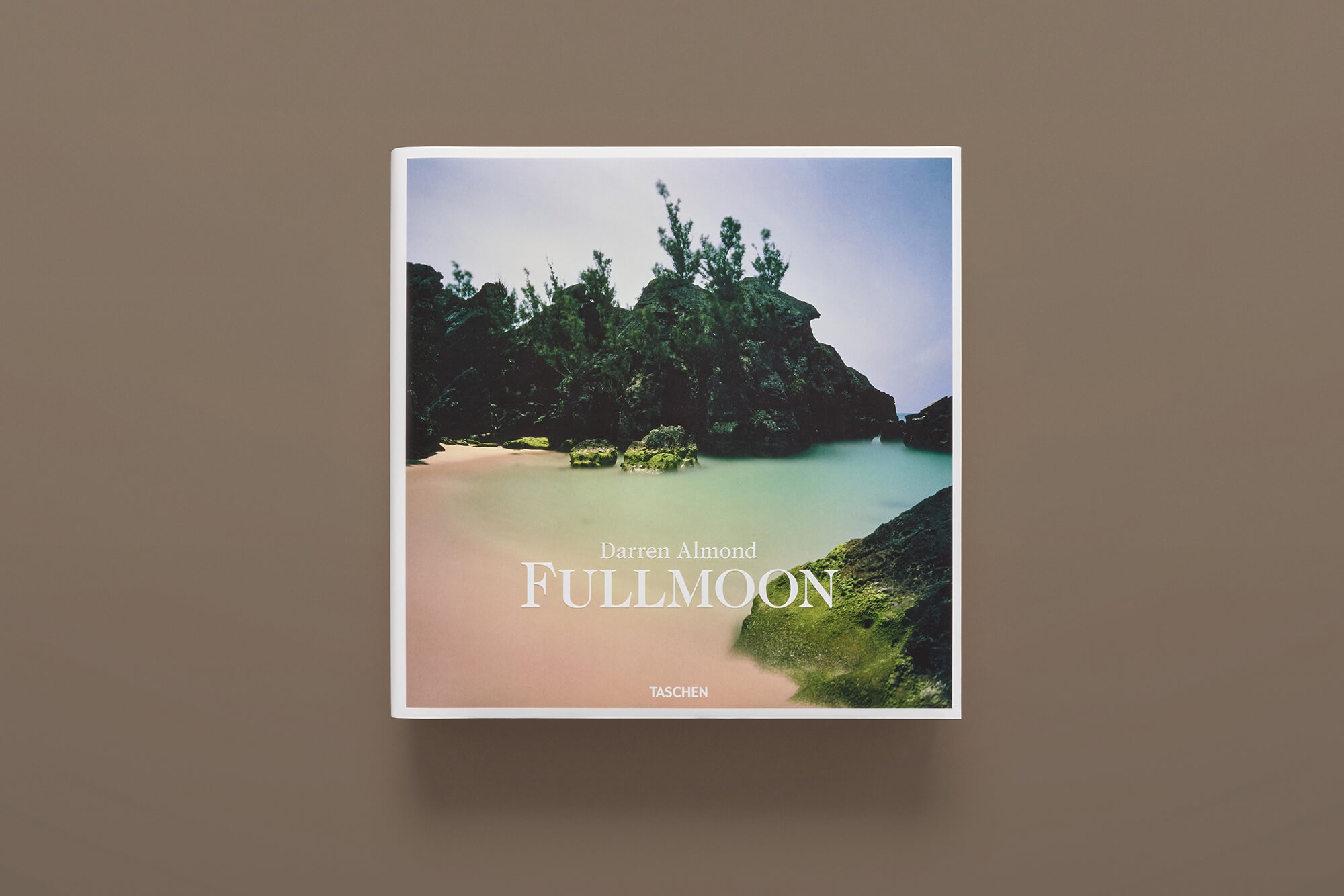
This is an edited extract from the book Darren Almond. Fullmoon by Darren Almond, published by Taschen at £100. Sheena Wagstaff is an art historian and former head of modern and contemporary art at the Metropolitan Museum of Art, New York.
The RPS Journal is available exclusively to members. Join the RPS to receive our award-winning magazine and read more inspiring features. Explore full member benefits here.