
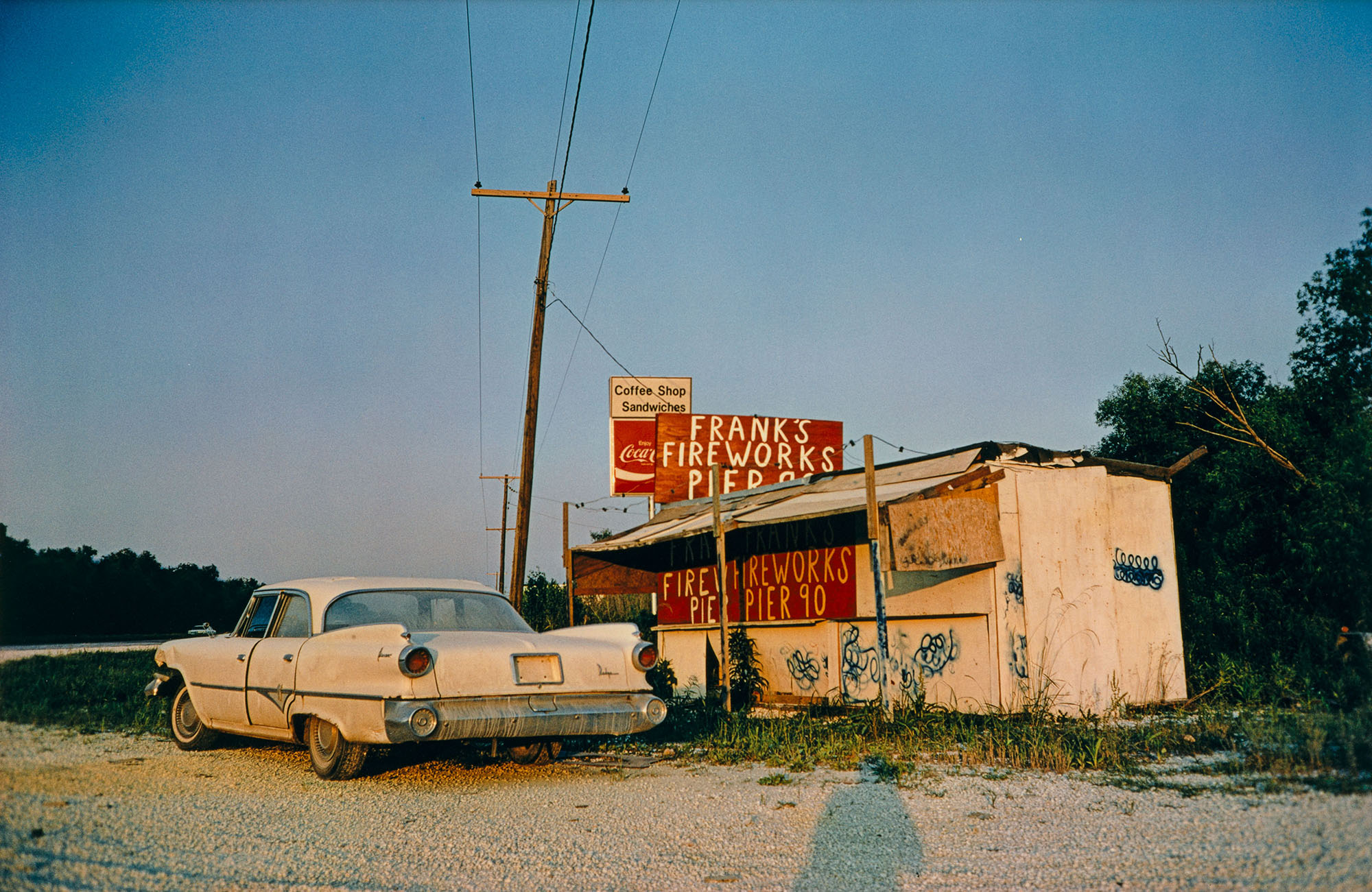
‘Untitled, 1971’ by William Eggleston/Eggleston Artistic Trust and David Zwirner
Fathers look after their sons until they reach an age when the son begins to look after the father. This is how it should be. And this is how it is with William Eggleston.
These days the great, sometimes controversial American photographer lives in a guesthouse behind his son Winston’s home in Memphis. Winston and his brother William – William Eggleston III if you want to be formal – also play their part in looking after their father’s archive.
They are good sons. But why wouldn’t they be? Eggleston was a good dad, as William junior, pictured below as a young boy, says. “He was, especially when we were young. Very warm and fun. I want to say he related to a child’s view really well and we just loved being around him.”
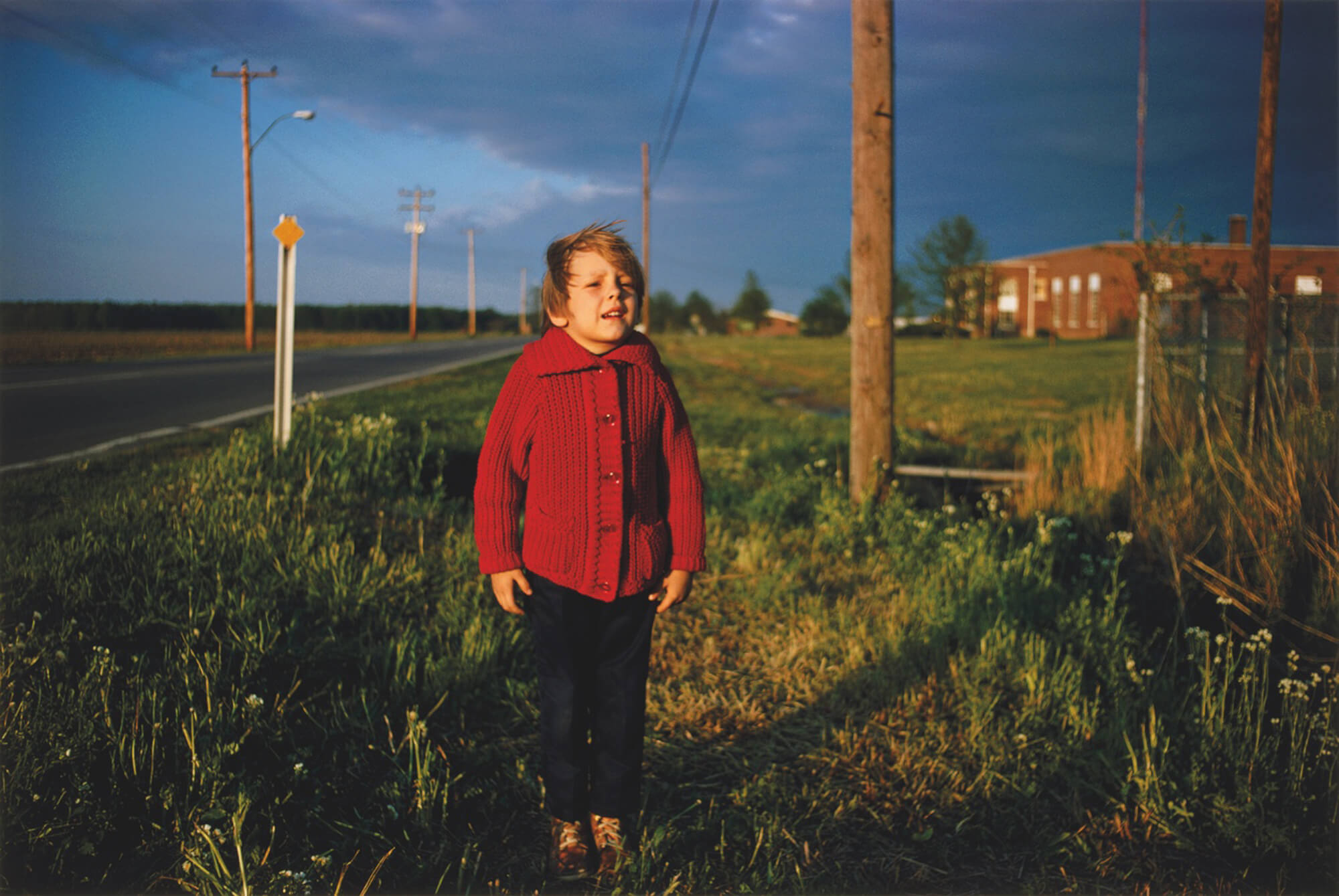
‘Untitled (young boy in red sweater), 1971’ by William Eggleston/Eggleston Artistic Trust and David Zwirner
Widely acknowledged as a pioneer in the use of colour in art photography, William Eggleston was many things – a musician, a hobbyist and by all accounts a hellraiser. Above all else, he was an artist who transformed the idea of what photography could be – how it looked, and what was worth looking at. But he was also a dad. A dad who involved his sons in his photographic work.
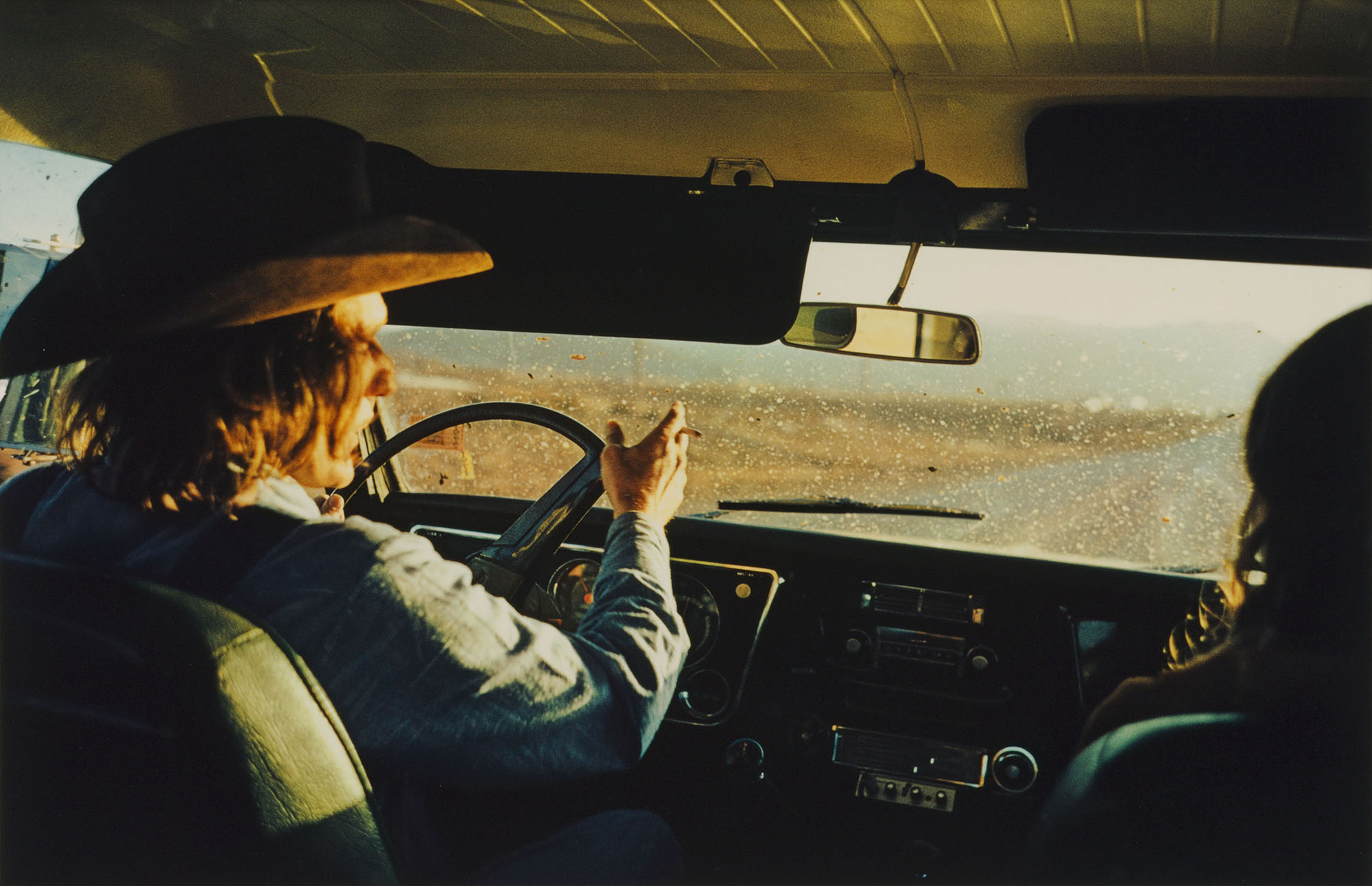
‘Untitled, 1972’ by William Eggleston/Eggleston Artistic Trust and David Zwirner
“When we were quite young it was just something he did,” William III recalls. “It was something around. Not to say it wasn’t important or we didn’t enjoy it, but to see the weight in his photographs … That didn’t happen until much later.
“The other thing I’ll say about my dad’s working is, if you look closely, most of his pictures were taken in the warmer months. In the summer.
“He would work in these bursts or surges, and they would usually be in the time of year when it was warmer and he could get out and there was more reason to be outside.
“He might not be doing any photography for a long time and then he would be at it again.”
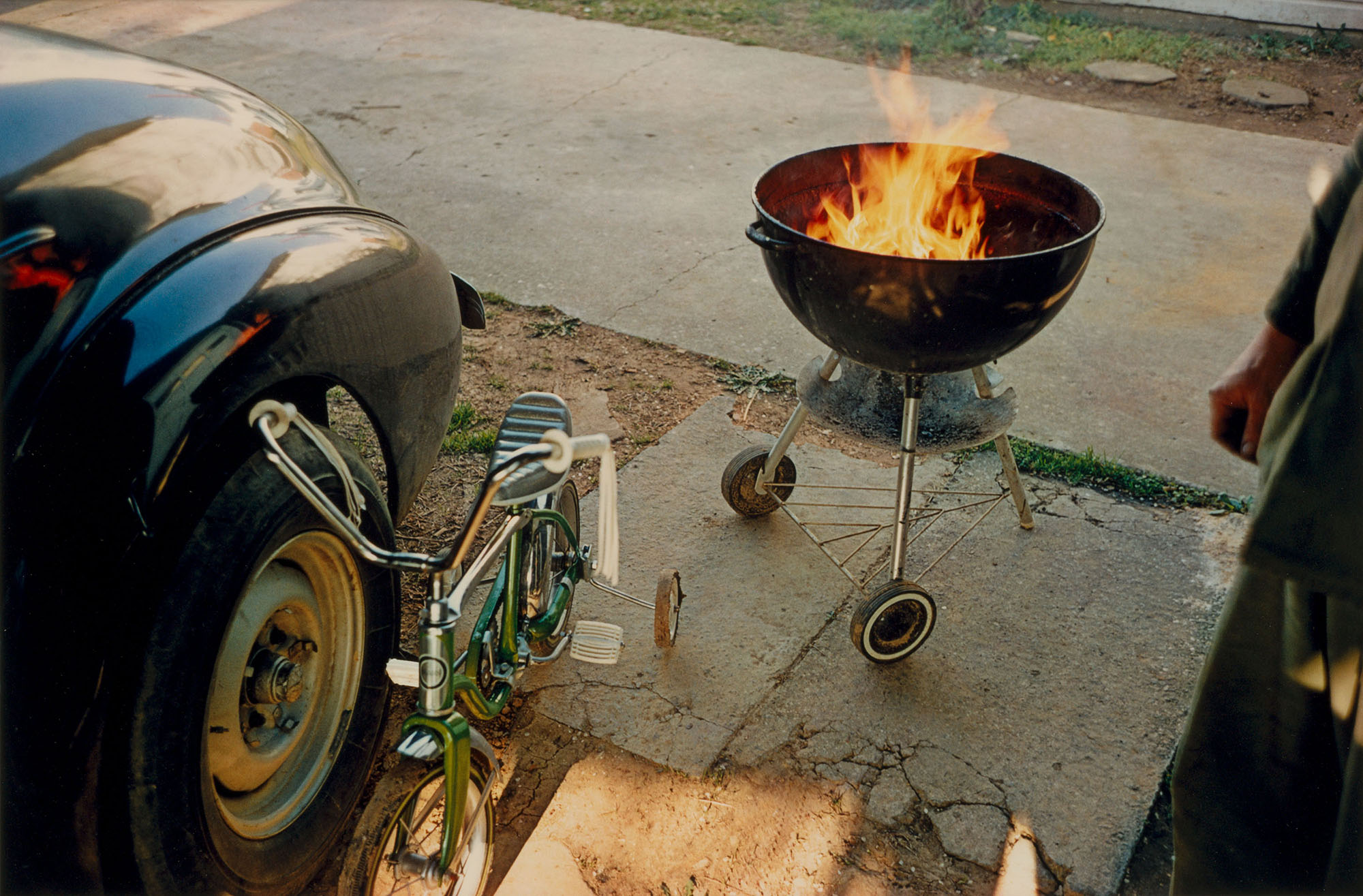
‘Untitled, 1970’ by William Eggleston/Eggleston Artistic Trust and David Zwirner
What he was ‘at’ was capturing a vision of America – particularly the American south, a land that was scuffed at the edges, a nation of cars and burger joints and neon signs and blown lightbulbs. An America at work and play that didn’t hide the frayed, threadbare reality of the place, or as his son suggests, “the everydayness of it.”
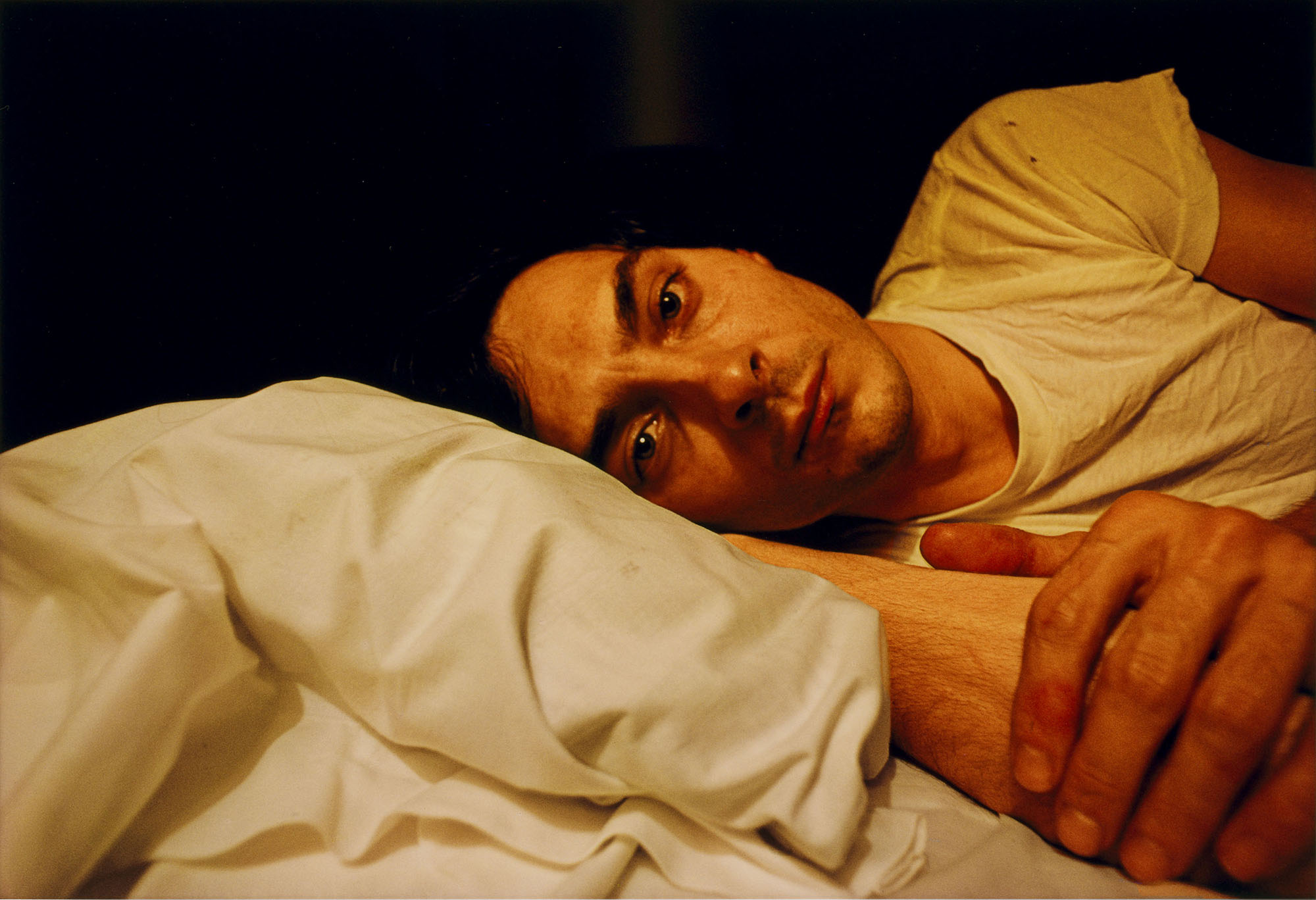
‘Untitled, 1970’ by William Eggleston/Eggleston Artistic Trust and David Zwirner
Eggleston senior was sure of that vision. It was one he didn’t feel the need to articulate much, even when critics attacked him.
“It wasn’t like he was sitting around talking about photography all the time,” his son points out. “In fact, if anything he never really liked to talk about his photography.”
Would he talk about it with his family?
“No, no. His attitude was very much if there is something to be said I’d have written it. I took a photograph so why do I need to talk about it?”
When it comes to the work of William Eggleston, the photographs say more than enough.
William Eggleston is at The Photographers’ Gallery, London, 14 October 2026-21 February 2027. William Eggleston: The Last Dyes is published by David Zwirner Books.
The RPS Journal is available exclusively to members. Join the RPS to receive our award-winning magazine and read more inspiring features. Explore full member benefits here.