
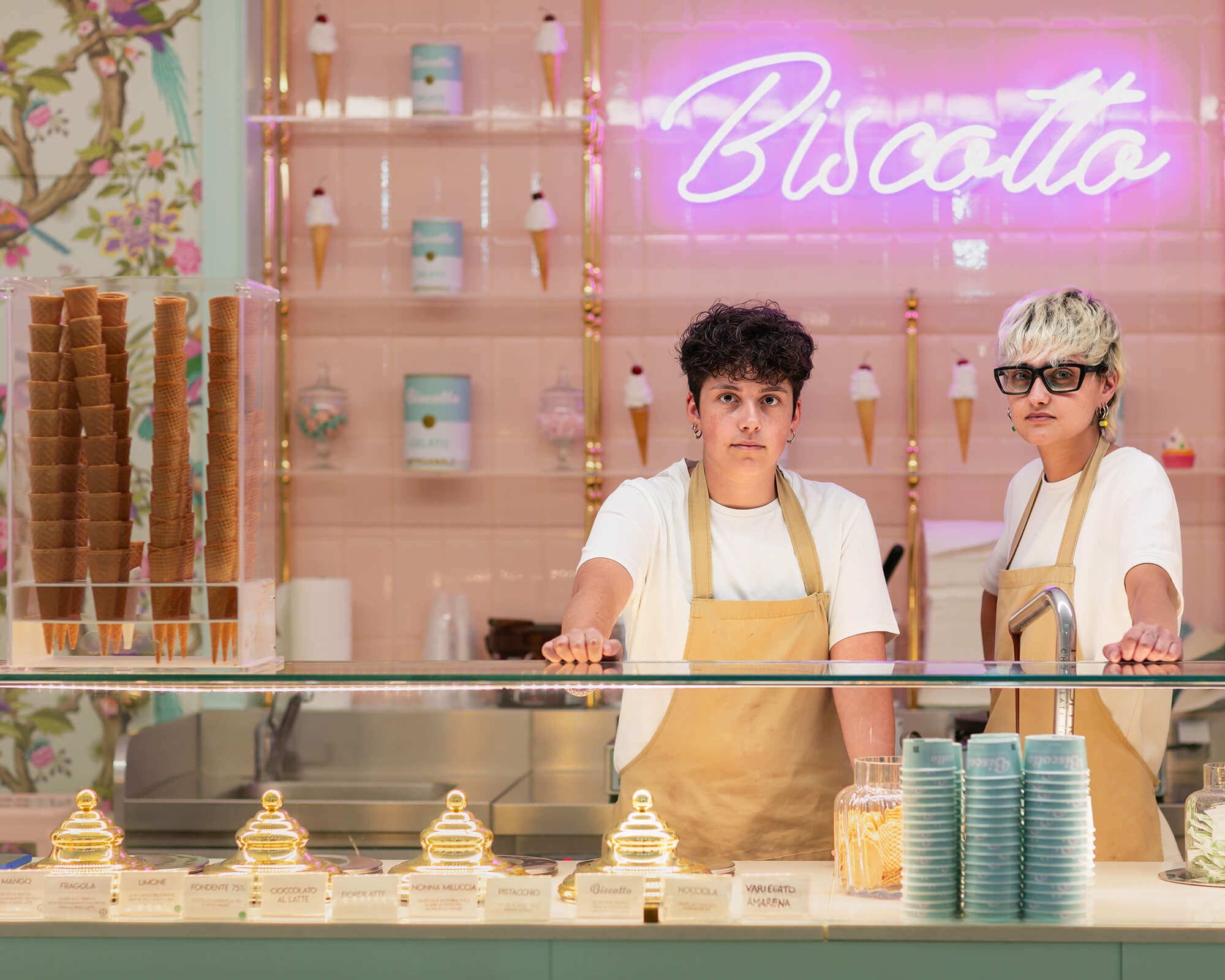
‘Francesca and Rebecca, ice cream sellers’ from the series Riconoscersi by Stefania Distante ARPS
Before Stefania Distante ARPS was a photographer, her first degree in economics led her to work as an auditor in the financial services industry.
Everything changed in 2006 for the Mesagne-born, Cheltenham-based artist when she was diagnosed with a brain tumour at aged 30.
After undergoing brain surgery in the same year, Distante underwent an extended period of recovery – downtime that introduced her to her first camera and opened her mind to the possibilities that photography could offer her.
Having completed a master’s in photography at the University of Gloucestershire, Distante is now working on a project, Growing Together, which explores the power of socially prescribed gardening.
Here, she reflects on how the medium has helped her make the most of her second chance at life.
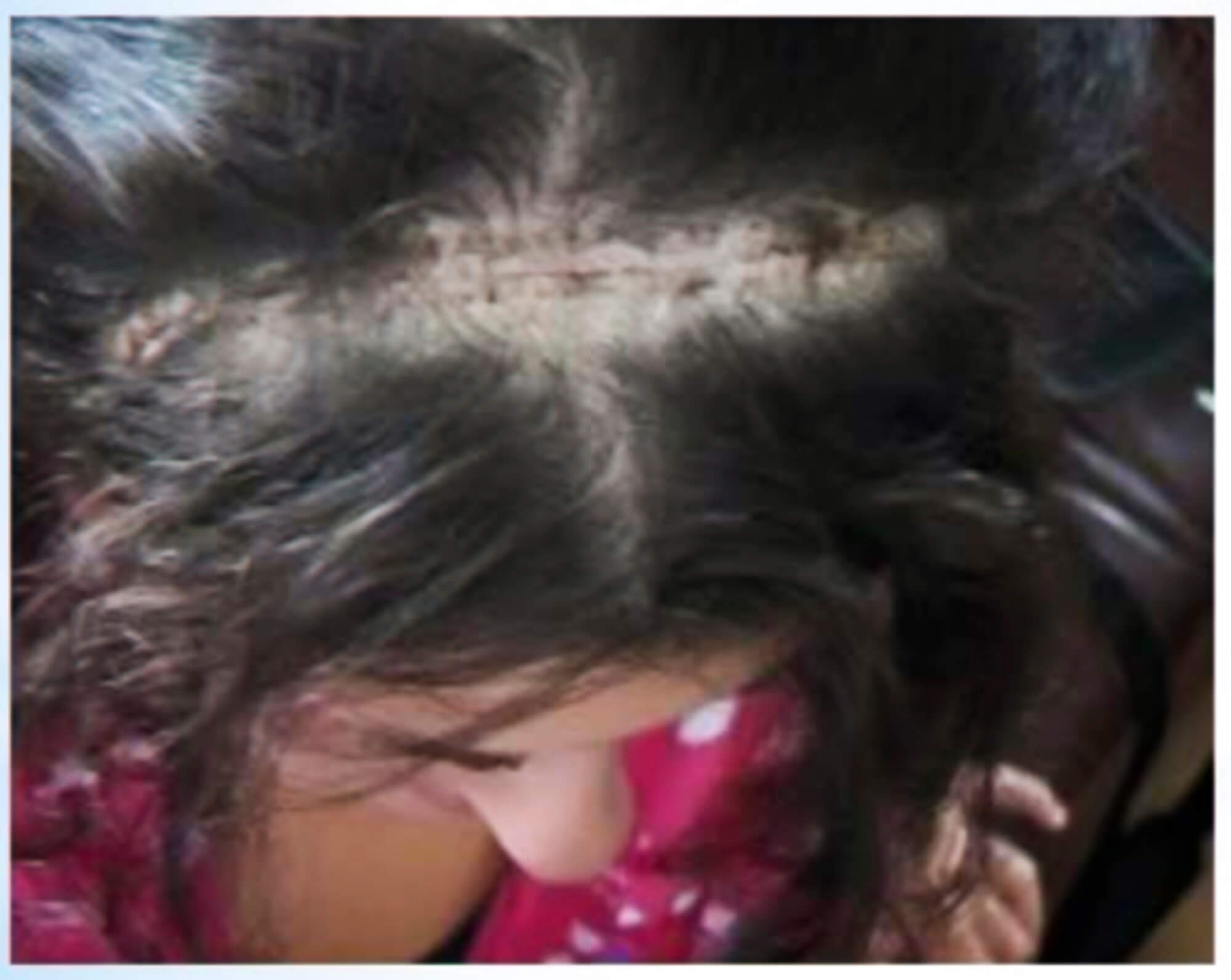
‘Brain tumour neurosurgery scar’ by Stefania Distante ARPS
How did you become interested in photography following your brain surgery in 2006?
My brain changed completely following surgery. I went from being a very analytical and mathematical person to someone incredibly creative – the latter being a side of myself I’d never expressed before.
After being let go from my job in financial services I’d lost my sense of identity. However, I’d been gifted a camera for my 30th birthday and decided to challenge myself to learn how to use it. Learning anything new was difficult but I used my recovery to teach myself the basics through photography magazines.
The camera opened a whole new world of connections for me and helped bridge the gap caused by the loss of my previous career.
Tell us about your studies in photography
With my interest in the medium sparked, I enrolled in a photography fundamentals course with the Open University to gain further technical knowledge. My images were consistently scored in the top 3% of the class, so I realised I maybe had a talent for photography and continued practising.
Once my daughter started school I began studying a part-time master’s in photography at the University of Gloucestershire, completed in February 2024, which helped me discover a new world I felt I belonged in. It allowed me to be creative and explore something I’m passionate about.
Because I’m so fascinated by connecting with people and telling their stories, I was drawn to portrait photography and have never looked back.
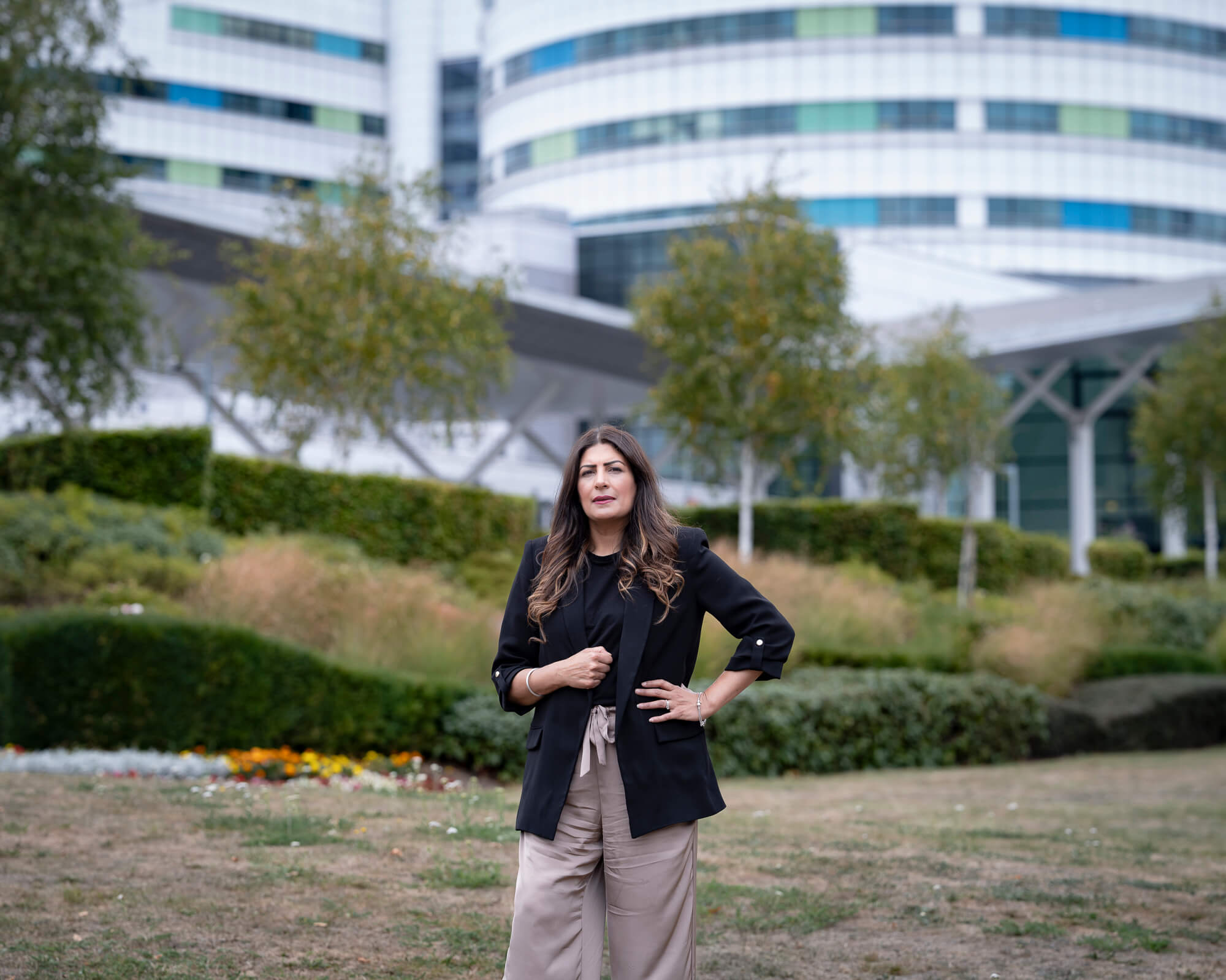
‘Preet Kaur Gill MP, part of the RPS 40% Project’ by Stefania Distante ARPS
When did you join the RPS?
Shortly after graduating. I felt a bit out on a limb after finishing university. As an artist it’s very easy to become isolated because you tend to work alone. I was on the lookout for communities to get involved with and the Society was the perfect fit.
I’ve since joined the RPS Women in Photography Group. I’ve taken photos of three MPs for this group’s collaborative work, The 40% Project – a photographic celebration marking women’s biggest-ever presence in Westminster. It’s been brilliant using my social documentary photography to mark this historic point in time.
I’m also a moderator of the RPS Student Photography Group’s show and tell. It’s inspiring seeing other people’s creative processes and how their work develops.
When did you achieve your Associate Distinction?
The photography master’s I studied at the University of Gloucestershire is associated with the Society. Your final project for the degree show is part of the Associate submission.
My final body of work for this course is called Riconoscersi – which in Italian means to recognise oneself and each other – and is inspired by an August Sander project on workers in Germany. I decided to take a similar exploratory approach through my project by documenting my hometown of Mesagne in the south of Italy. My images are a good record of an area that’s undergoing a lot of change and modernisation. It shows a snapshot of my hometown frozen in time.
I now have my sights set on achieving a Fellowship.
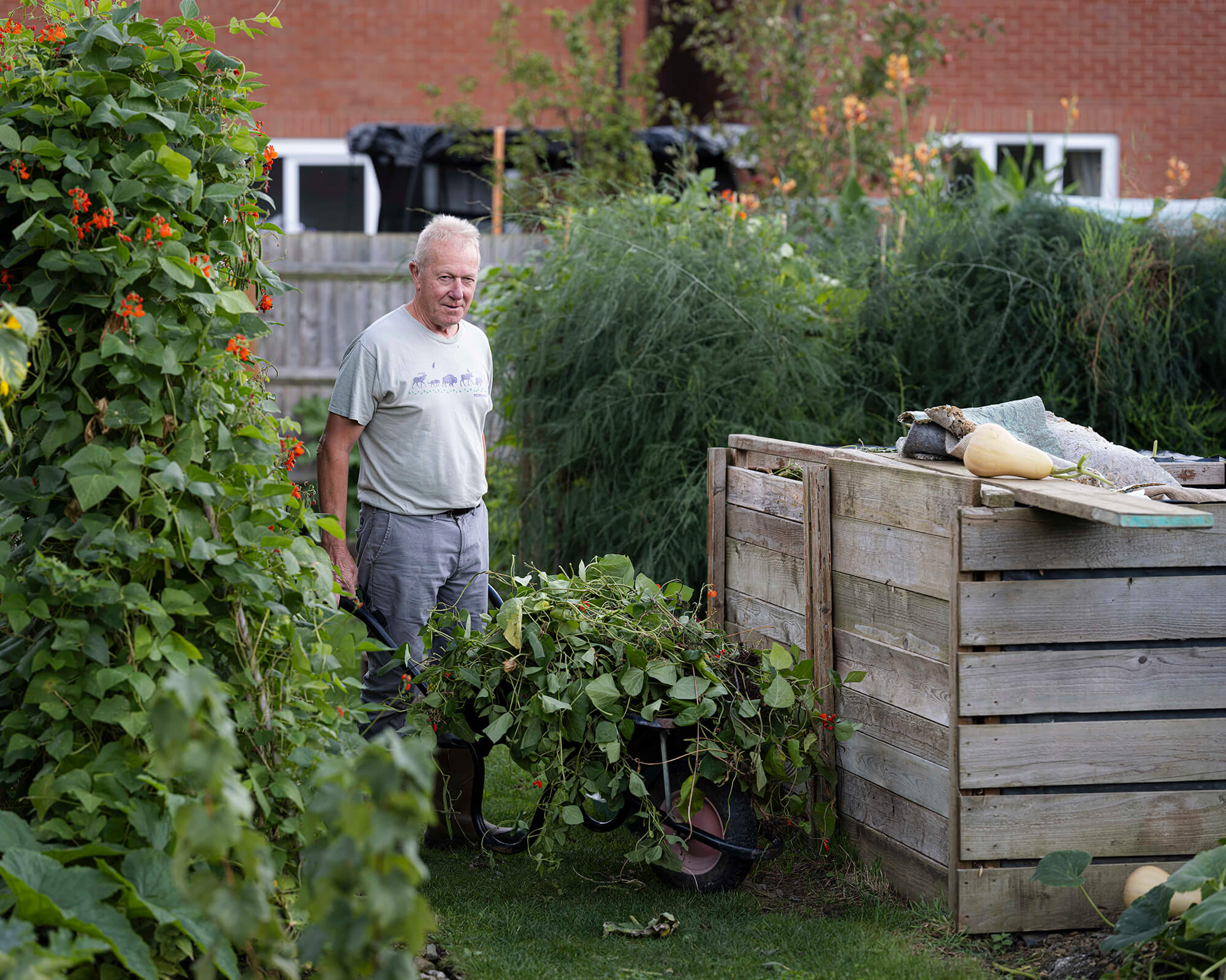
‘Chris, part of the Growing Together ACE-funded project’ by Stefania Distante ARPS
Tell us about your project Growing Together
After leaving university I was fortunate enough to receive funding from the Arts Council for this social documentary project which focuses on a group of people who gather weekly at an allotment in Gloucester to garden and foster connections.
The people involved in this group have all been socially prescribed gardening by their doctors to help improve their wellbeing. Social prescribing links people to non-medical activities that help individuals establish companionship and improve their wellbeing.
It’s been miraculous and inspiring to be part of this community. To witness them all come together, it’s like a microcosm of society. Whether it’s health issues or social isolation, these people all have challenges they face each day. This community gathering has become a pivotal point in their week where they plant, harvest, share cuppas and laughs and talk about how they manage the difficulties of everyday life.
The approach I’ve taken for creating the images for Growing Together is centred around co-creating. I never make portraits on my own. I do it in partnership with my subjects and via the relationship I build with them.
Who inspires your work?
I love August Sander’s social documentary portraiture. Wendy Ewald’s work with children is a great source of inspiration and I especially like the collaborative aspects of her work. I always find Judith Joy Ross’s photographs really moving and Joel Sternfeld’s work shows his mastery of colour.
I studied a lot of Michelle Sank’s photography at university. Part of the Arts Council funding is for my own personal development, and Michelle has agreed to be my mentor. It’s a real dream come true.
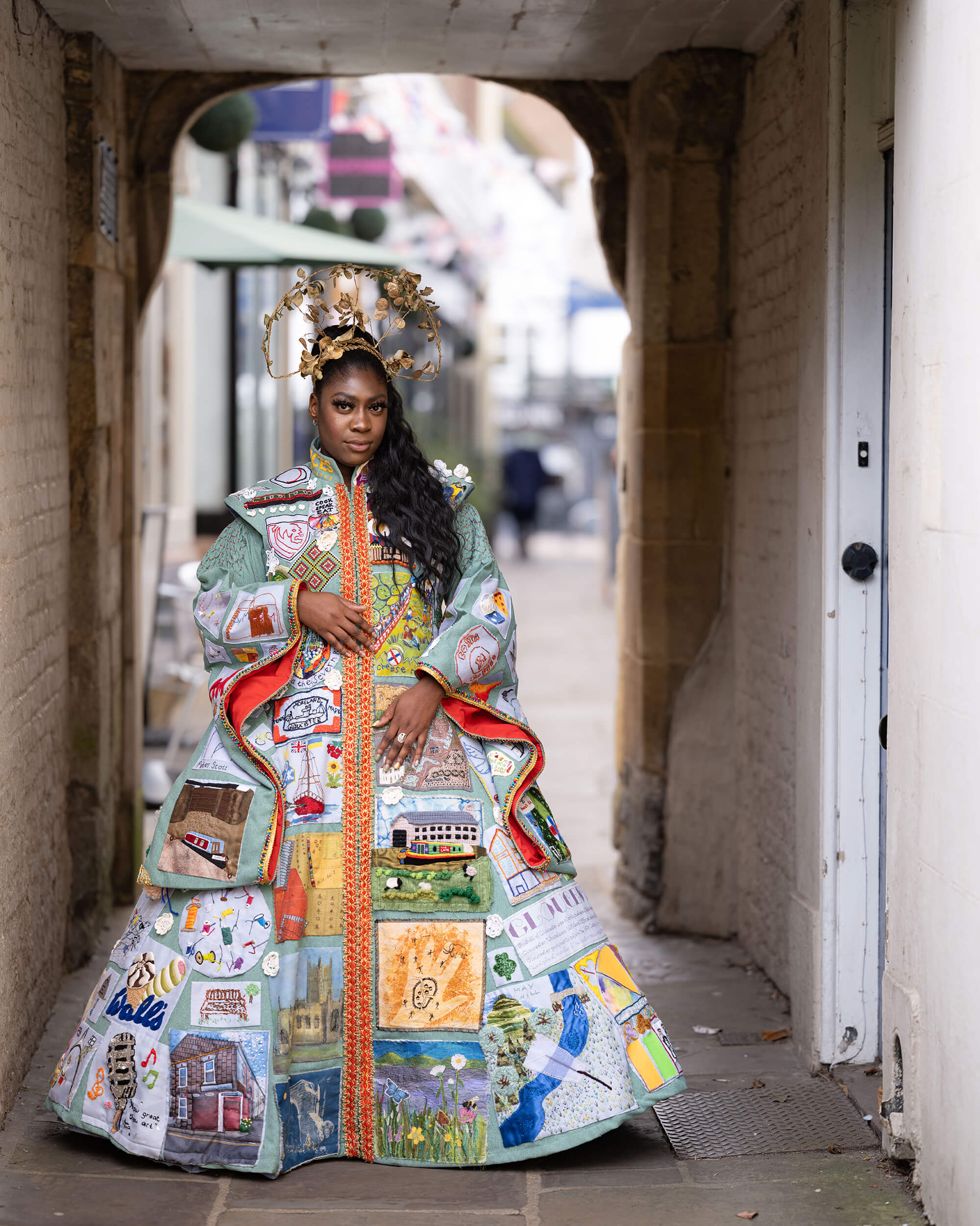
‘Tiah and the costume for Gloucester’ by Stefania Distante ARPS
How has photography enriched your life and aided your recovery?
As I’ve gone from the world of numbers and economics to the creative genre of photography, I often say I’m neuroplasticity in person. I’ve been faced with death and then given a second chance at living. I’m nothing short of a fairy tale.
Photography has brought meaning back into my life and provided me with many opportunities to learn new things and interact with the world much more deeply than before. I’ve had a family and the opportunity to raise my daughter without the 12-hour workdays I was doing in the financial services industry. I’m very grateful for that.
Photography provided me with tasks and structures that my illness had taken from me. It allowed me to use my brain again. When first recovering, I didn’t want to feel sorry for myself because I’d lost my job. So, I tried something else. And I’m lucky to say it led me to something I love that also gives me meaning. I'm still here and life is worth living thanks to the connections and creativity that photography offers me.
As a mum and as a person, I’m proud to have come back from neurosurgery and reinvent myself – I don’t say this with arrogance or to preach. My recovery and reinvention are the result of considerable and hard-fought effort.
I wanted to model to my daughter that you can do anything at any point in your life despite the challenges you face.