
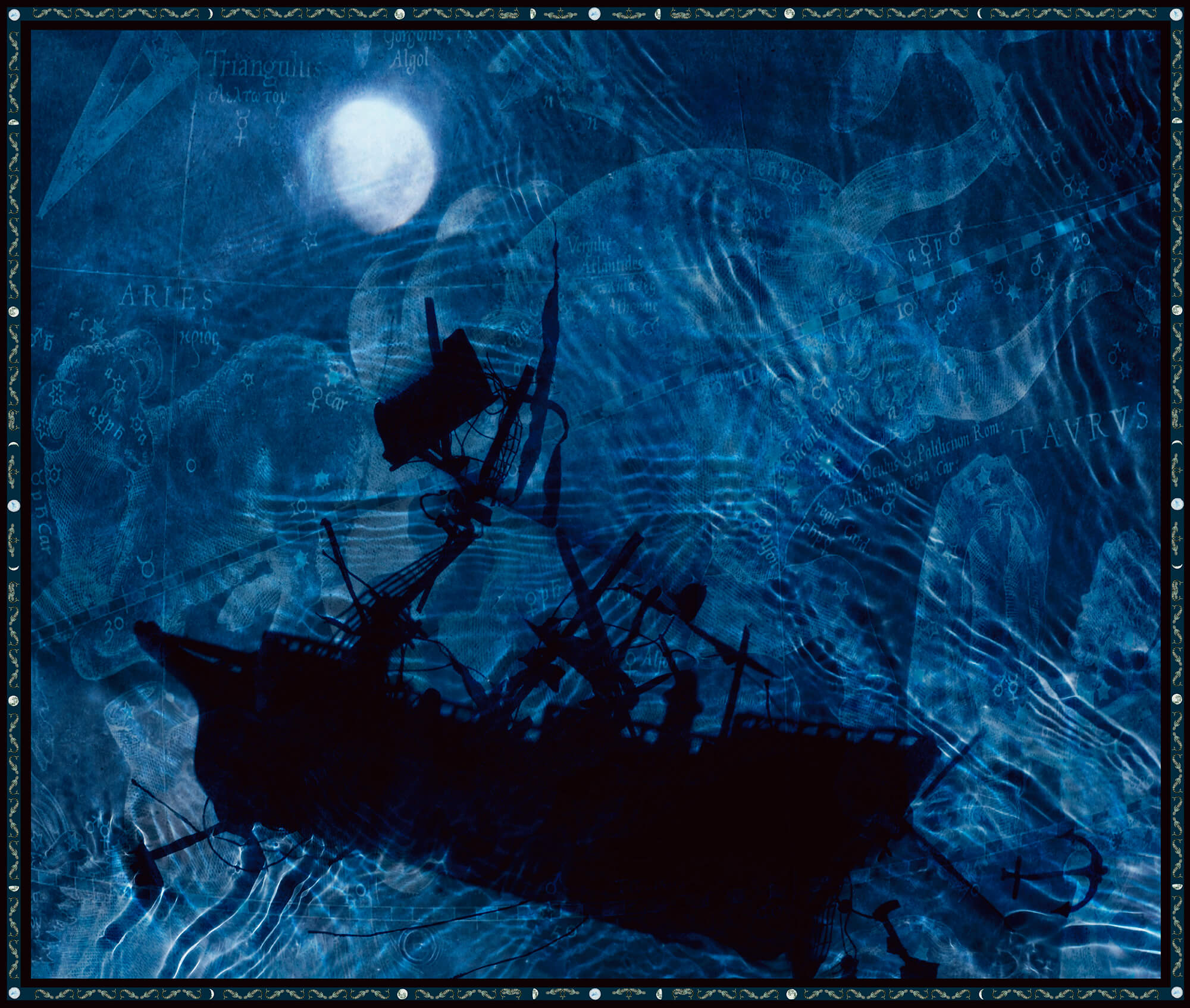
‘Moon in Taurus, 2019' by Susan Derges HonFRPS
She might be a renowned artist who has been awarded the RPS Centenary Medal, but Susan Derges HonFRPS is still in awe at the power of nature.
“We’re not fully able to reach a complete definition of what’s going on out there in the world,” she explains in a special edition of the RPS Journal celebrating the Society’s annual awards. “What we get is always a partial view – a glimpse, rather than the totality.”
Derges, who has been making images for four decades, has been awarded the Society’s Centenary Medal for her outstanding contribution to photography. Across her career, she has experimented with both early photographic methods – photograms, photogravure, cyanotypes – and more contemporary ones.
Here, she shares two of her favourite images, made six years apart at the River Taw in her beloved Dartmoor. Discover the rest of her ‘Best shots’ in the January-March issue of the RPS Journal.
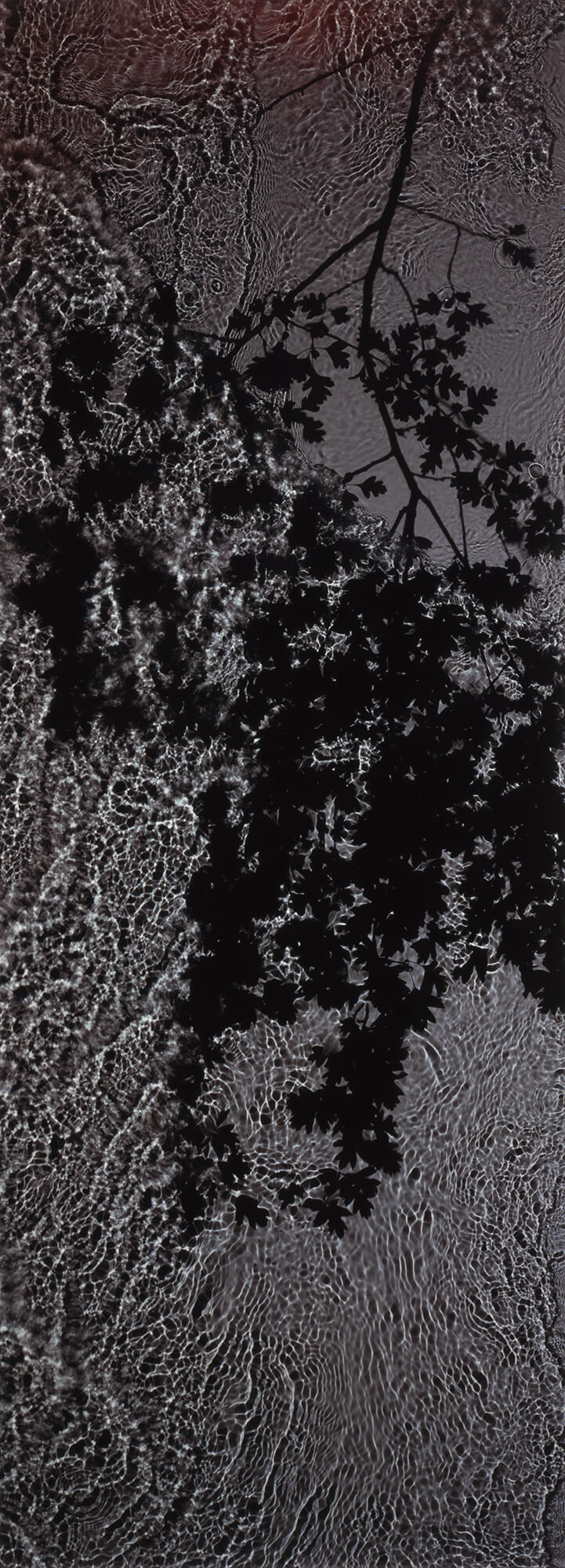
‘River Taw, 1998’, unique dye-destruction print by Susan Derges HonFRPS
“Over a year I made a body of work recording the trees that grew along the river throughout the seasons – the canopy thick and full in summer, closing over the river, and open to the night sky in winter. That’s a shadow over the water, here. You’d often find trees with low branches and when the river level was high, those branches would trail in the water. Working in this way was an incredible learning curve for me. You’re feeling the temperature of the water, becoming aware of what’s below the surface, the strength of the current, the phases of the moon, the amount of ambient light.”
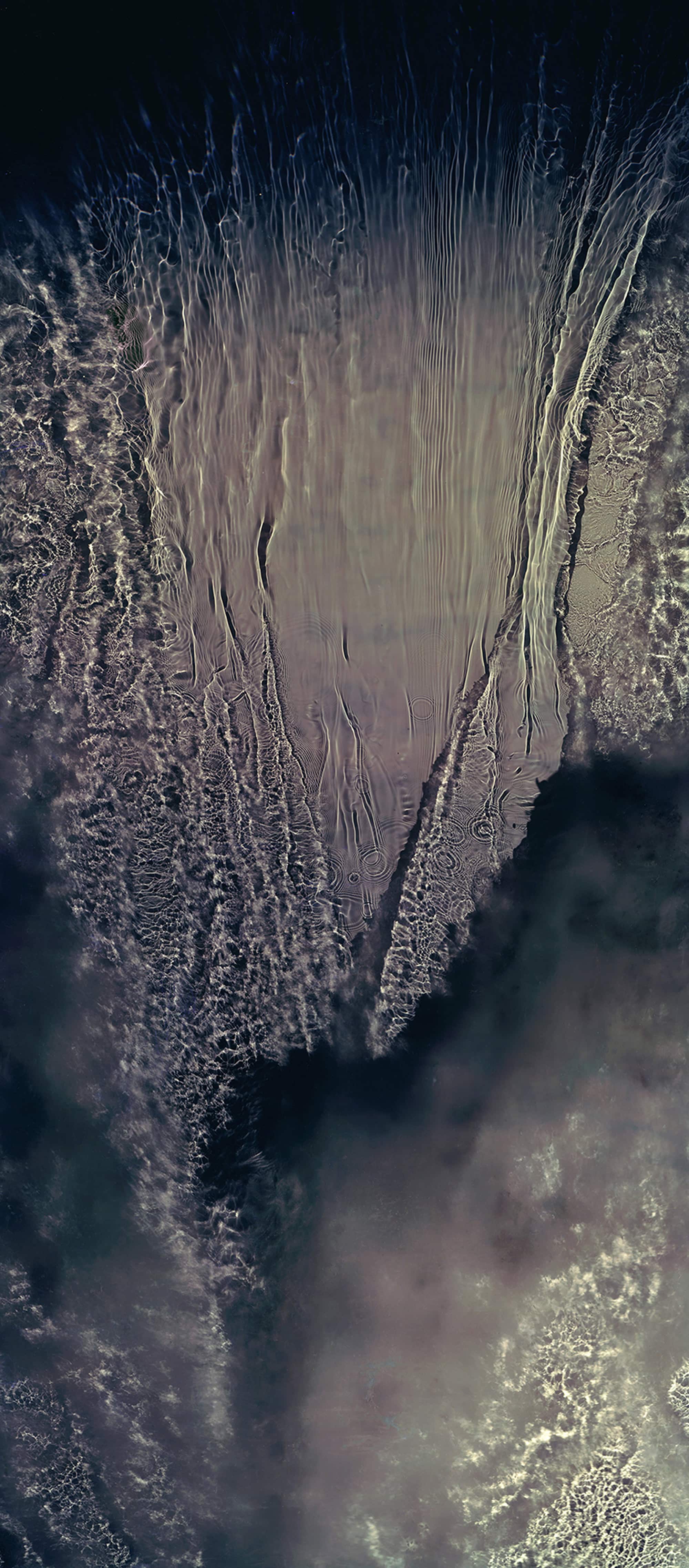
‘Eden 5, 2004’, unique dye-destruction print by Susan Derges HonFRPS
“I’d been working in the studio but somehow the landscape around me seemed so vivid and powerful that I began to feel I was cutting myself off from the outside world. I made this photograph in the River Taw. I decided to work without a camera. Here I used a 6x3 5ft sheet of Cibachrome photographic paper and considered it like a negative, submerging it beneath the surface of the river at night and exposing it to the light of a camera flash. The results were incredibly surprising – so sharp and detailed.”
The RPS Journal is available exclusively to members. Join the RPS to receive our award-winning magazine and read more inspiring features. Explore full member benefits here.