
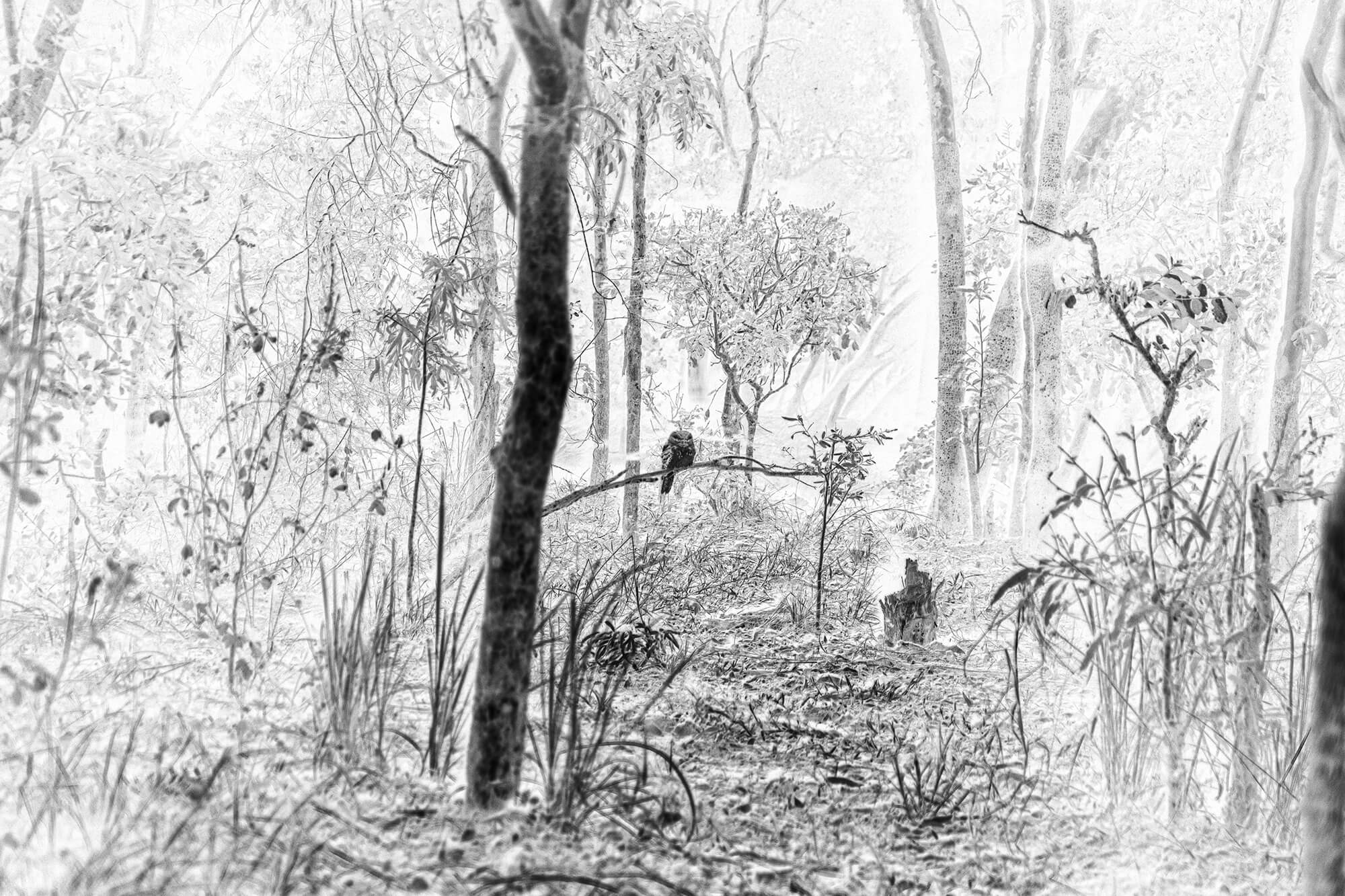
‘Frogmouth’ from the series Afterimages by Itamar Freed
An afterimage is a visual impression that lingers after the original has gone. As time passes it fades until even the ghostly remnant disappears.
In his series Afterimages, Israeli American artist Itamar Freed exploits this phenomenon to explore how digital manipulation can influence and reinform our memories and perception of reality.
Capturing urban environments and natural landscapes slowly vanishing to the effects of climate change, the Brisbane-based 38-year-old uses his images to dissect the way that visual language shapes how we learn to see the world.
‘Frogmouth’ (above), a work from Afterimages, has been selected from among 10,000 images as part of the RPS International Photography Exhibition 167 (IPE 167), showing at Saatchi Gallery, London before touring.
Freed explains here how it feels to be part of the world’s longest-running photography exhibition.
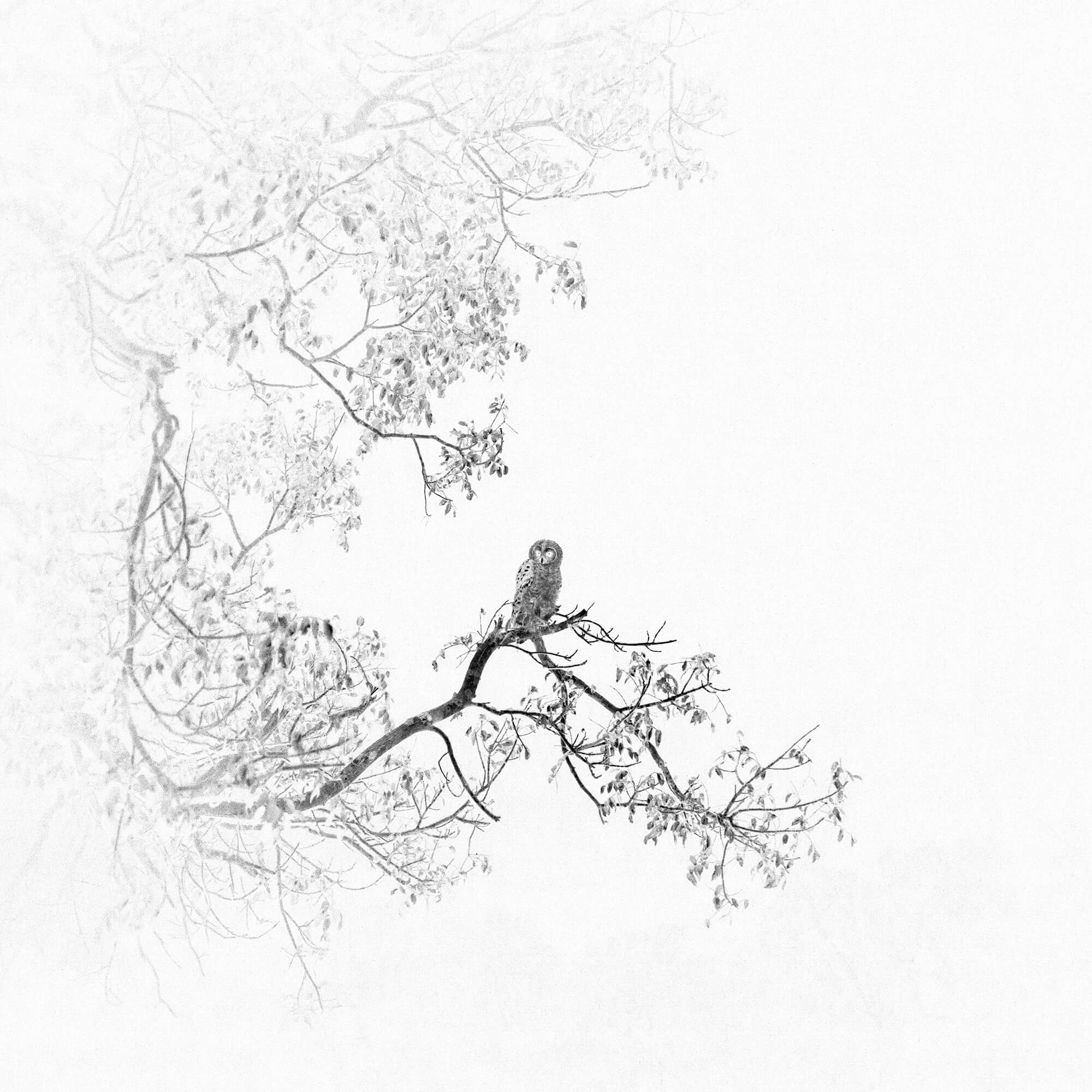
‘Owl’ from the series Afterimages by Itamar Freed
How did your interest in photography begin?
Photography has been part of my life since childhood. I got my first camera at four or five and I’ve felt a strong connection to photography ever since.
I’ve always been afraid of forgetting things so I’m intrigued by how photography can be used to capture, preserve and shape our memories.
From classic painters such as Henri Rousseau and John James Audubon to contemporary multidisciplinary artists such as Hiroshi Sugimoto, the inspirations behind my work are far-reaching.
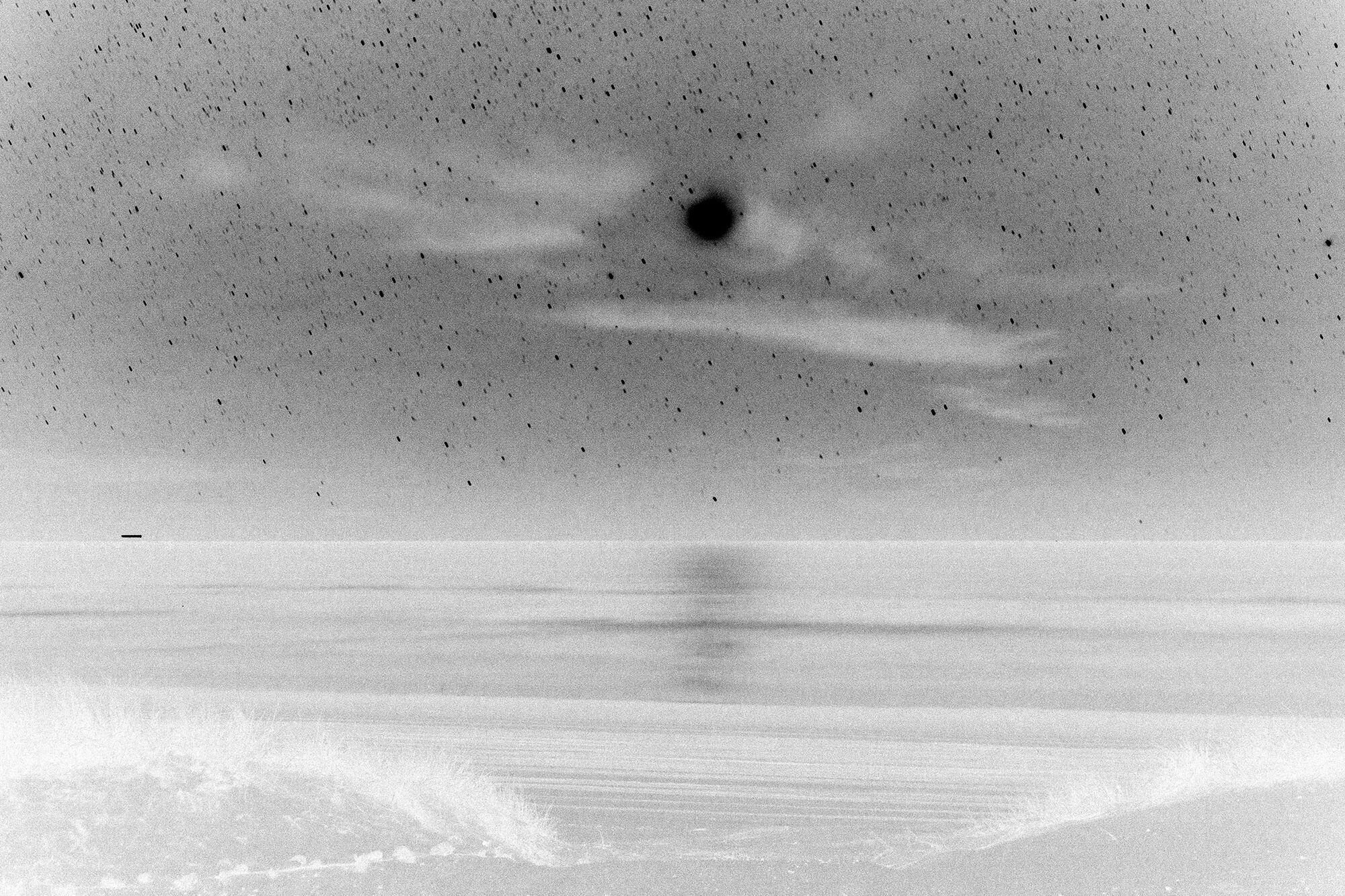
‘Black moon’ from the series Afterimages by Itamar Freed
Tell us about Afterimages.
For this project I captured urban and natural landscapes at night using long exposures, over a period of seven years. Afterimages covers many of the locations I’ve lived in and travelled to during this time span, including New York, Israel, Tel Aviv, Brisbane and the Australian bush.
I printed the final photographs as colour negatives. All the white spaces in the images are actually darkness. Darkness becomes revelatory. Shadows don’t obscure or hide but spotlight the significance in the unseen.
Inversion becomes a tool that uncovers the unseen and the hidden details we might otherwise overlook at first glance.
These images encourage viewers to reconstruct their understanding of darkness. It’s not an emptiness, an absence or a void, but something that can invoke visual and emotional connection.
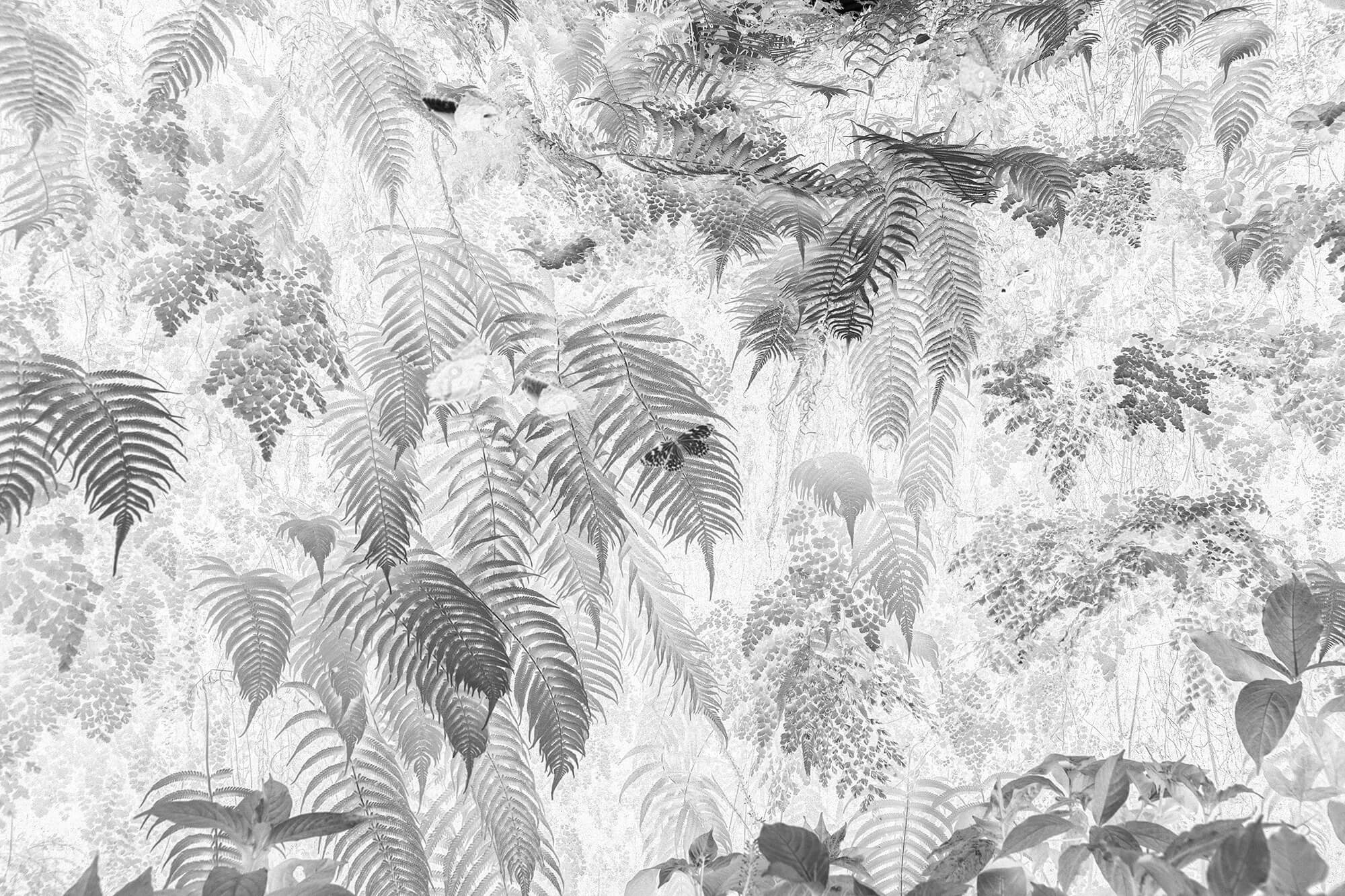
‘Ferns and butterflies’ from the series Afterimages by Itamar Freed
In this series you explore how we understand our reality. Can you tell us about this?
For me, photography forms an axis between painting and reality. Imagined narratives are controlled by the artist and the actual objects documented by the camera.
A lot of my work so far has investigated how we learn to see, and subsequently perceive, the world. By inverting the colours and lighting of the spaces I’ve lensed for Afterimages I’m questioning photography’s ability to depict the world with truth, honesty, accuracy and reliability.
This work scrutinises how easily our memories and understandings of a real-life place can be disrupted or augmented by a single altered image.
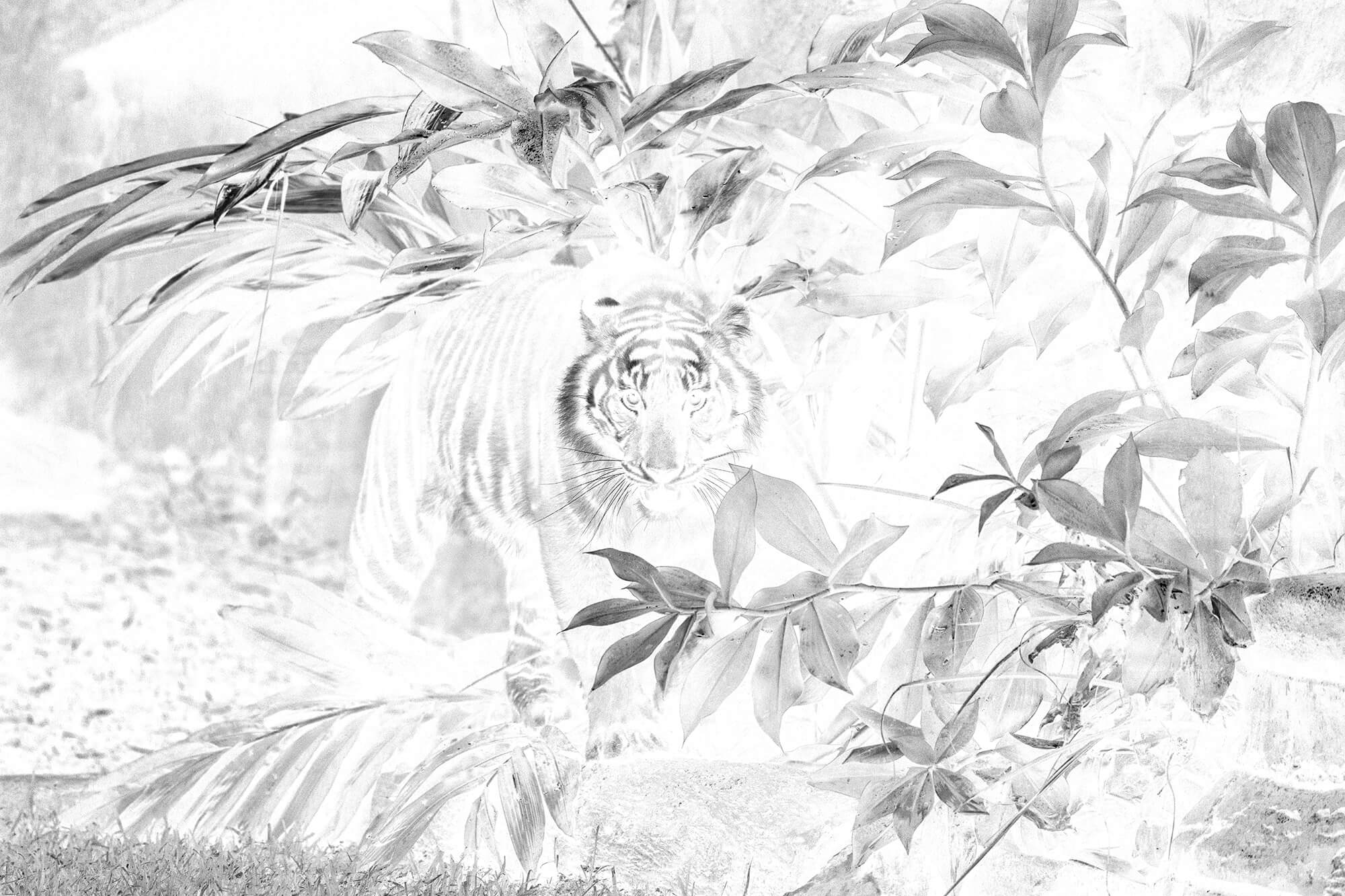
‘Tiger’ from the series Afterimages by Itamar Freed
‘Frogmouth’ from Afterimages is part of IPE 167 at London’s Saatchi Gallery. What’s the story behind this image?
I took this photo at the Cooloola Recreation Area in 2025 when I lived along the Sunshine Coast. I used to walk here at night regularly.
My first engagement with this animal was hearing its distinctive call during one of my nightly walks in the reserve. After researching and speaking to family and friends about it I discovered the cry belonged to a tawny frogmouth bird.
These elusive nocturnal creatures are native to Australia and New Zealand and boast incredible camouflage ability. I learned from Kabi Kabi people – the First Nations people and traditional custodians of a vast region of South East Queensland – that tawny frogmouths are revered by their culture for connecting the land to the sky.
When I went back to photograph this particular bird for this shot, it was looking straight at me. It was one of those moments where everything seemed to fall into place.
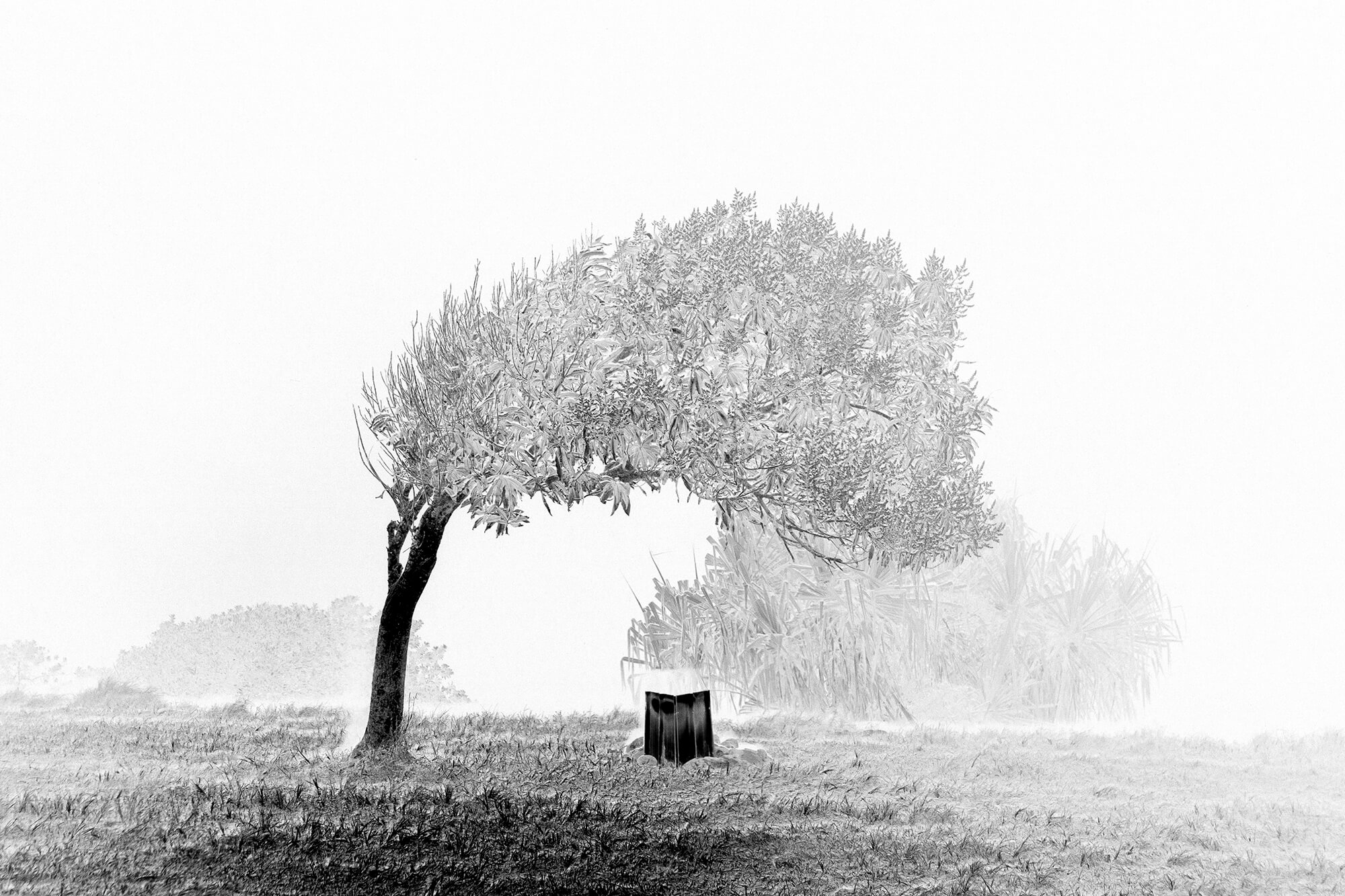
‘Strong winds’ from the series Afterimages by Itamar Freed
What has creating Afterimages taught you?
To slow down and listen to the environment around me more closely. It’s also opened my eyes to the scale of climate change’s threat to our natural world.
The project has given me the space to discover more about deforestation, wildfires and humanity’s complicity in this. It’s been quite sobering.
It has also allowed me to learn a lot from Australia’s Indigenous people, who I had many interesting discussions with about [how] the wild places I’ve photographed are at risk of disappearing entirely. These communities reminded me that absolutely everything is connected to nature.
I hope this work reaffirms to viewers that we must do everything we can to protect our planet.
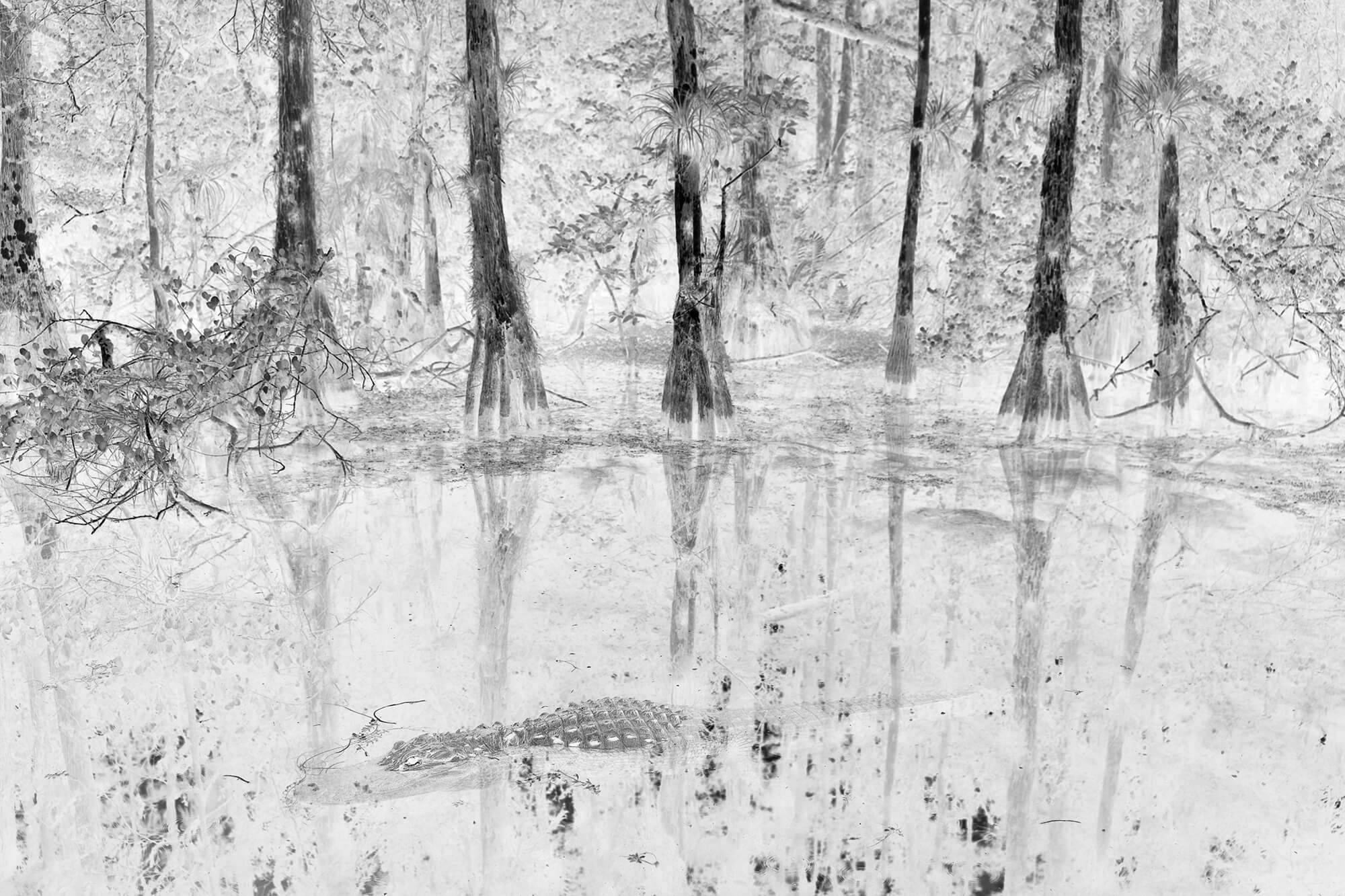
’Loop Road’ from the series Afterimages by Itamar Freed
How does it feel to have your work displayed in IPE 167?
The IPE showcases fascinating work by incredibly talented people each year so to have mine displayed in IPE 167 is deeply meaningful. It’s a real honour to be part of the world’s oldest photography exhibition.
The RPS International Photography Exhibition 167 is at Saatchi Gallery, London (7 August-11 September 2026) then touring to the Print Space, London (20-21 August 2026), the Museum of Somerset, Taunton (24 October 2026-9 January 2027) and the Royal Geographical Society, London (5-28 April 2027). The IPE 168 competition is open for submissions from September.
Meet five more IPE 167 exhibitors in the July-October issue of the RPS Journal.
The RPS Journal is available exclusively to members. Join the RPS to receive our award-winning magazine and read more inspiring features. Explore full member benefits here.