
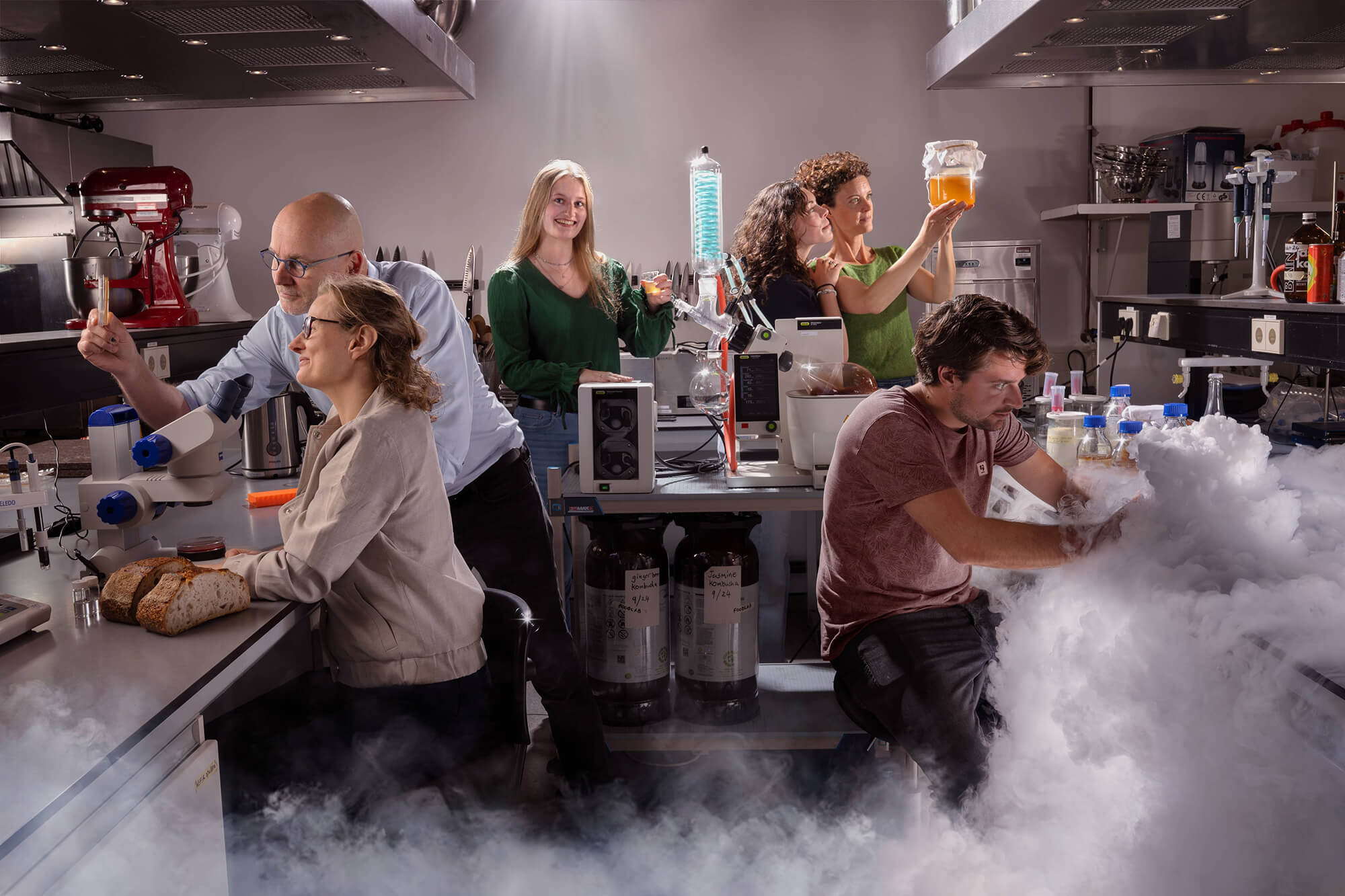
‘Research for the future’, Hogeschool Leiden by Ilya van Marle (ILYA Photography)
Since his teenage years, photography has helped Ilya van Marle question the world around him while providing him with the tools to tell stories that need to be – or are at risk of not being – told.
Here, the Hague-based 51-year-old photographer and filmmaker reflects on a career in commercial image-making, working for Benetton’s controversial art director Oliviero Toscani, and shares why he believes images tell a story far more effectively than words.
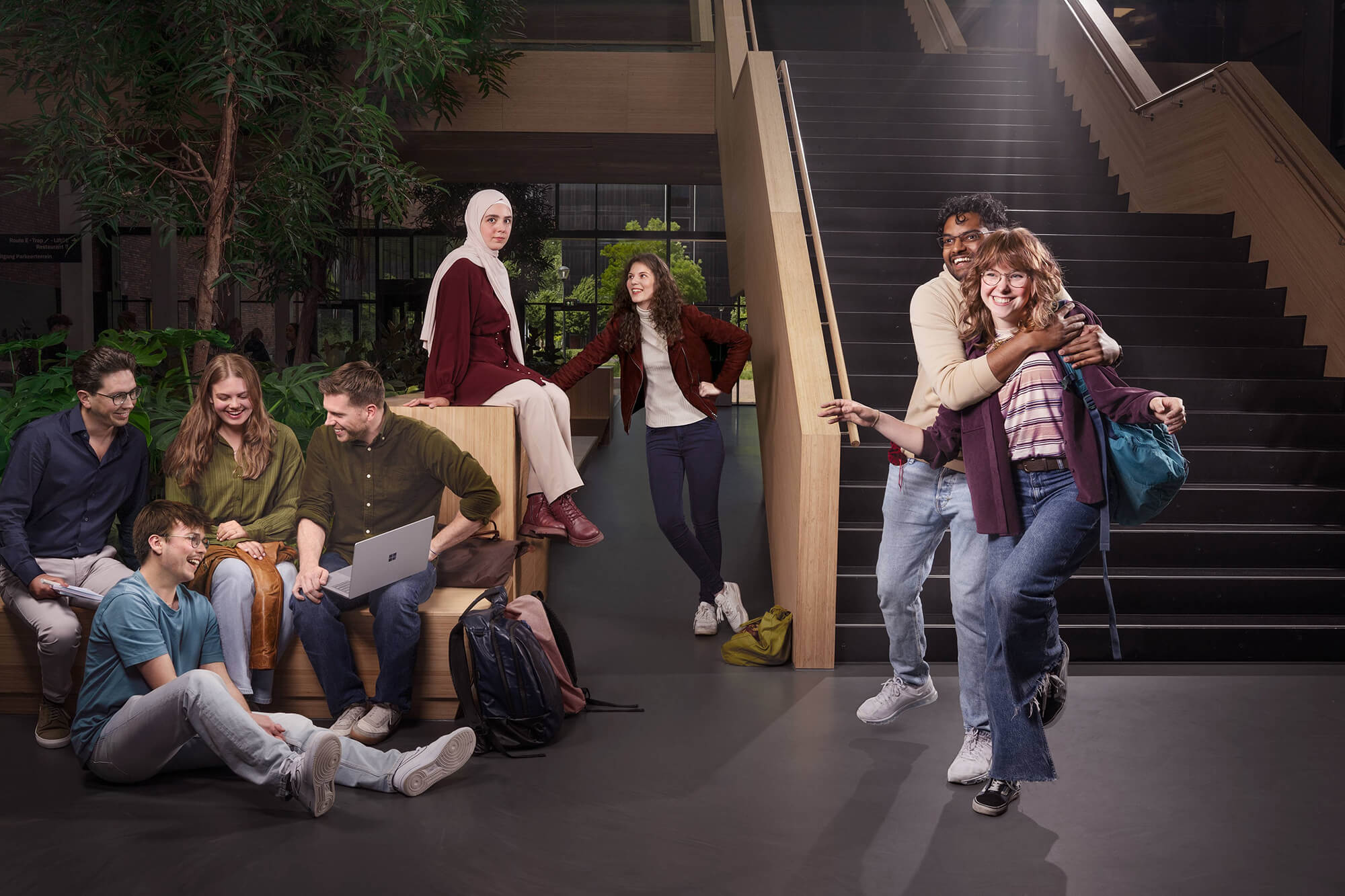
‘More than studying’, Hogeschool Leiden by Ilya van Marle (ILYA Photography)
Where did your interest in photography come from?
I started taking passport photos for people shortly before my 15th birthday. I enjoyed being behind the camera because it allowed me to almost hide or take a step back from reality to observe and register it more intently.
I increasingly discovered that I loved examining and researching the way we look at and perceive the world around us and how our experiences and biases can shape interpretation and truth.
Whose work inspires you?
Throughout art school I was obsessed by Duane Michals’ black-and-white photography. I was absolutely blown away by how the seemingly simplistic but incredible skilful images worked to convey complex stories.
I’m amazed by Cindy Sherman’s probing of how we construct and create identity. Her work really grabs you and shows how we contort ourselves to fit in with societal expectations. I also love the tenderness in Julia Margaret Cameron’s work.
Did you study photography at university?
I studied electrical engineering and information technology at Eindhoven University of Technology for two and a half years, but it didn’t drive me. However, it did help me realise I loved lighting – albeit in photography rather than in circuits and electronic systems.
From there, I switched to studying photography at the Royal Academy of Art in the Hague until I was 21. This opened so many opportunities for me, including an apprenticeship with Amnesty International.
It also gave me the opportunity to knock on the door of Oliviero Toscani – the art director of the Italian fashion brand, Benetton – who used his art to draw attention to pressing social issues. I began working for the brand’s communication laboratory, Fabrica, on creative multimedia projects. Here, I got to explore how images can convey messaging and stories more impactfully than words.
These experiences helped shape my photographic perspective and taught me to see the vulnerability, fragility and resilience in human existence.
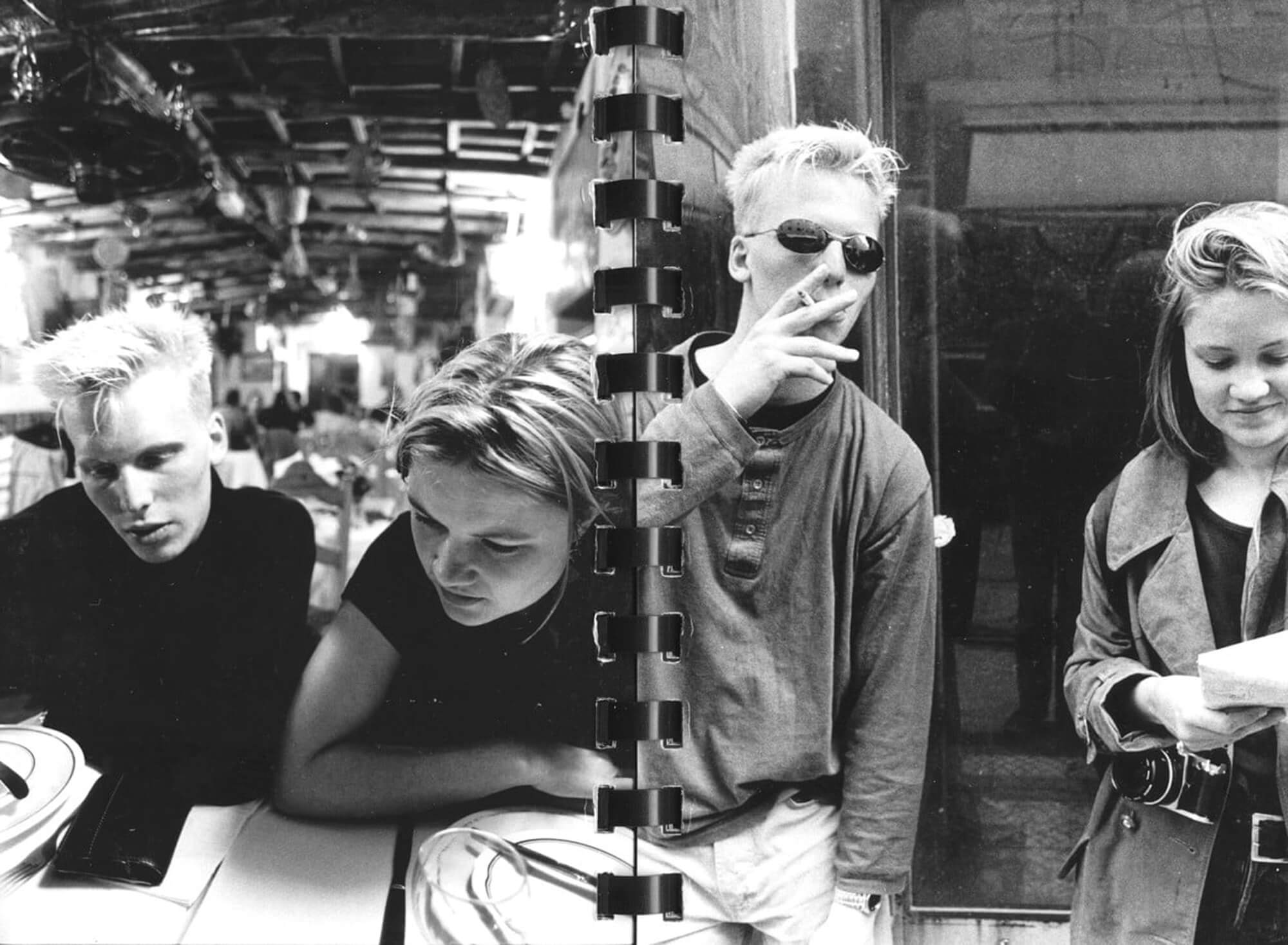
From a photographic series for Amnesty International about the history of the Carnation Revolution of 25 April 1974 and the work of the Portuguese poet Fernando Pessoa by Ilya van Marle (ILYA Photography)
What subjects have you covered for Amnesty International?
My career took off quickly after university. I continued working as a freelance photographer for Amnesty International and covered stories linked to the Yugoslav War, the Iran-Iraq War and the Gulf War as well as doing documentary and editorial work.
I’ve now worked for Amnesty International for over year 30 years. Its mission of dignity, respect and fighting for human rights will always be close to my heart. It’s a connection for life.
Where else has your photography career taken you?
After a few years working for Amnesty International covering all kinds of topics, I grew up very quickly and decided it was time to develop my photography skills further in safer environments.
I was a portrait photographer for the Dutch newspaper de Volkskrant where I ran my own weekly column for five years. I was intrigued by the theatre world during my time here and was lucky enough to photograph many people from across the arts.
I was also being increasingly asked by agencies to create documentary style advertorial photographic campaigns that featured real people. Little did I know that this would go on to influence the way I create images today.
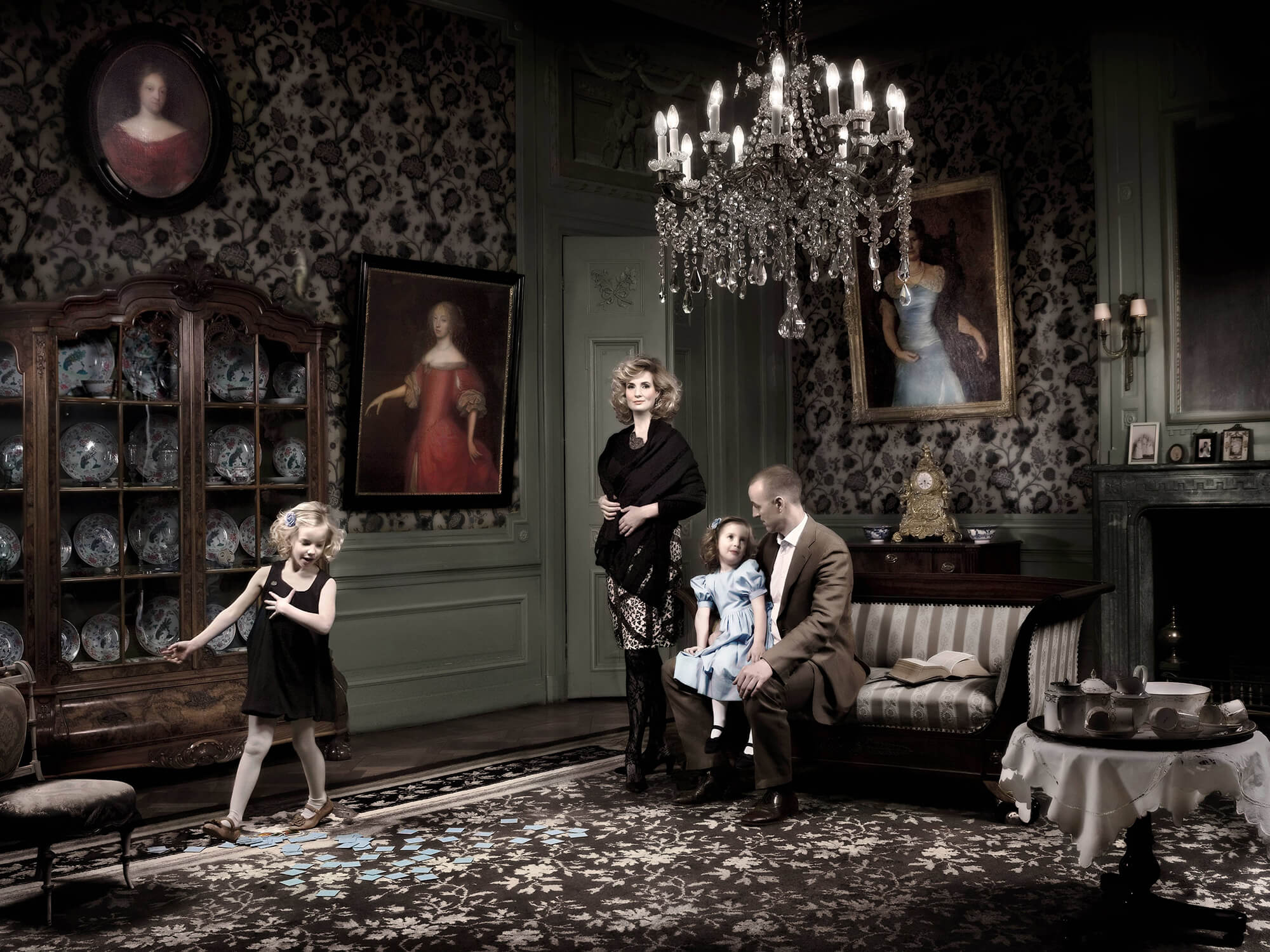
‘Family portrait: Van der Borch’, 2011 by Ilya van Marle (ILYA Photography)
How did you get interested in creating tableau vivants?
As I continued to progress in my career, I felt the need to begin constructing my own worlds through my photography. I started creating portraits and was increasingly attracted to shooting tableau vivants (carefully staged scenes where subjects pose against backgrounds).
My tableau vivant of the Van der Borch van Verwoldes – a noble family with roots in the 14th century Germany county of Lippe – is a great example of my interest in this technique. It was selected for the Taylor Wessing Photo Portrait Prize and exhibited at the National Portrait Gallery in 2011.
I started shooting more in this style – with the groups of people I was photographing continuing to grow. I love to create images this way. From staging people to getting the lighting just right, these compositions take a lot of patience to capture in one shot.
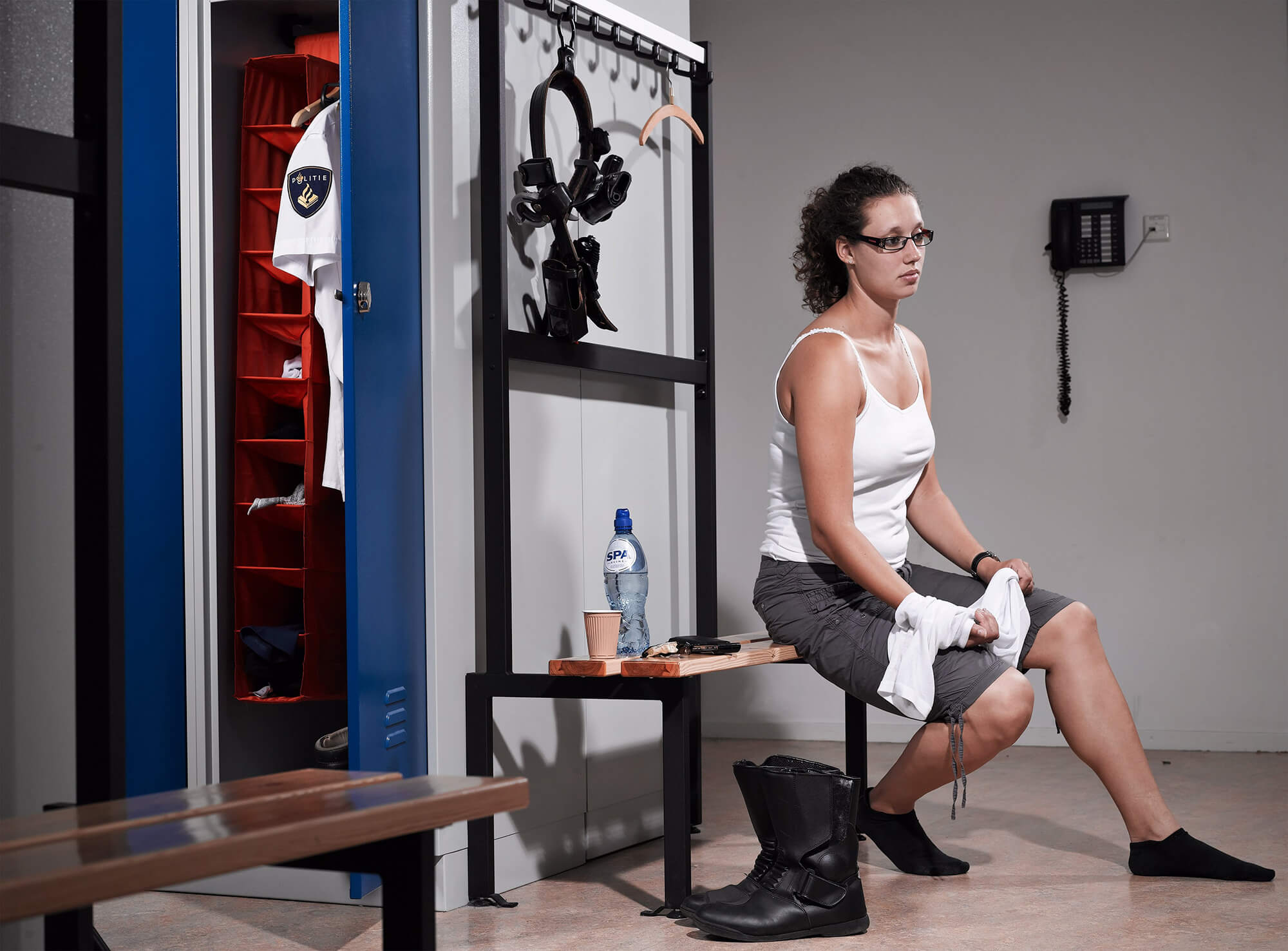
‘A young officer of the Dutch National Police sits in the locker room’ by Ilya van Marle (ILYA Photography)
Today, you create a lot of narrative-led commercial and organisational photography. What does this approach involve?
I love connecting with people and hearing their stories. This works well when creating photos telling the stories behind organisations and the people central to them – like my series of eight images for University of Applied Sciences Leiden.
My skills in tableau vivant feed into this. When it comes to creating organisational narrative images, I spend a lot of time making the sets, preparing the scenes and lighting and connecting everyone’s stories.
These images aren’t put together in post-production; they’re all shot directly in the moment. I’m focused on showing reality as it presents itself, not fabricating something to look better than it is.
Whether you’re creating commercial or organisational narratives, portraits or editorial assignments or awareness campaigns, you’ve got a responsibility to create images with a sense of dignity, vulnerability and connection to the world around you. If you try forcing something to happen, it impacts an image’s authenticity. You want your images to be real and authentic.
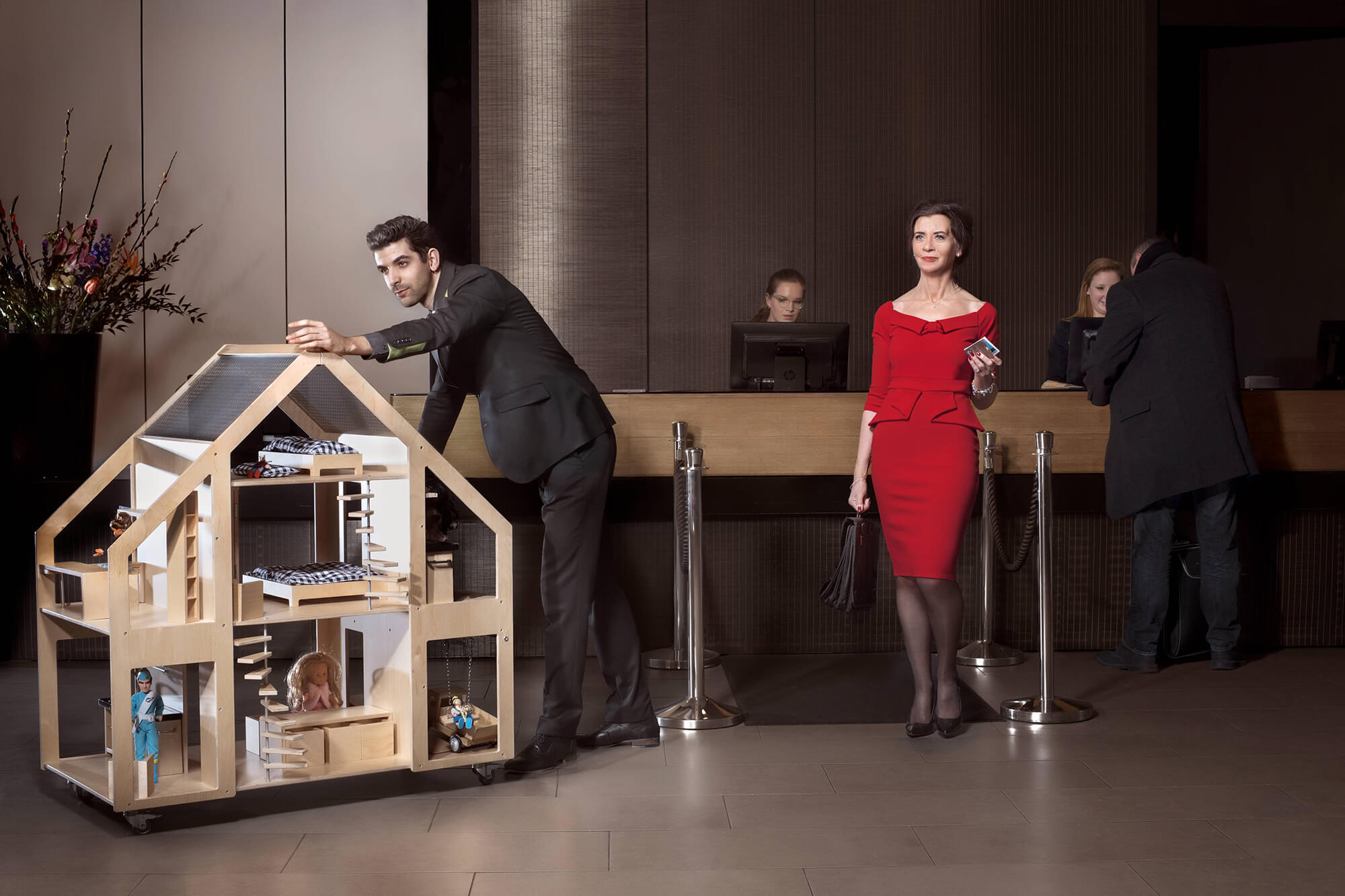
‘Amsterdam designer and entrepreneur Liliane Limpens’ by Ilya van Marle (ILYA Photography)
You joined the RPS in April 2026. What do you enjoy about being a member?
I think it’s important – especially nowadays with the prevalence of AI – that photographers are part of a larger collective to help further you as a creative. Because if we stop sharing our knowledge and experiences, we run the risk of losing a lot of the connections that inspire and shape our photography, art and culture.
I feel the Society recognises this. Whether it’s through its exhibitions, events, workshops or the RPS Journal, it’s an organisation that can help you grow from a professional and personal point of view.