
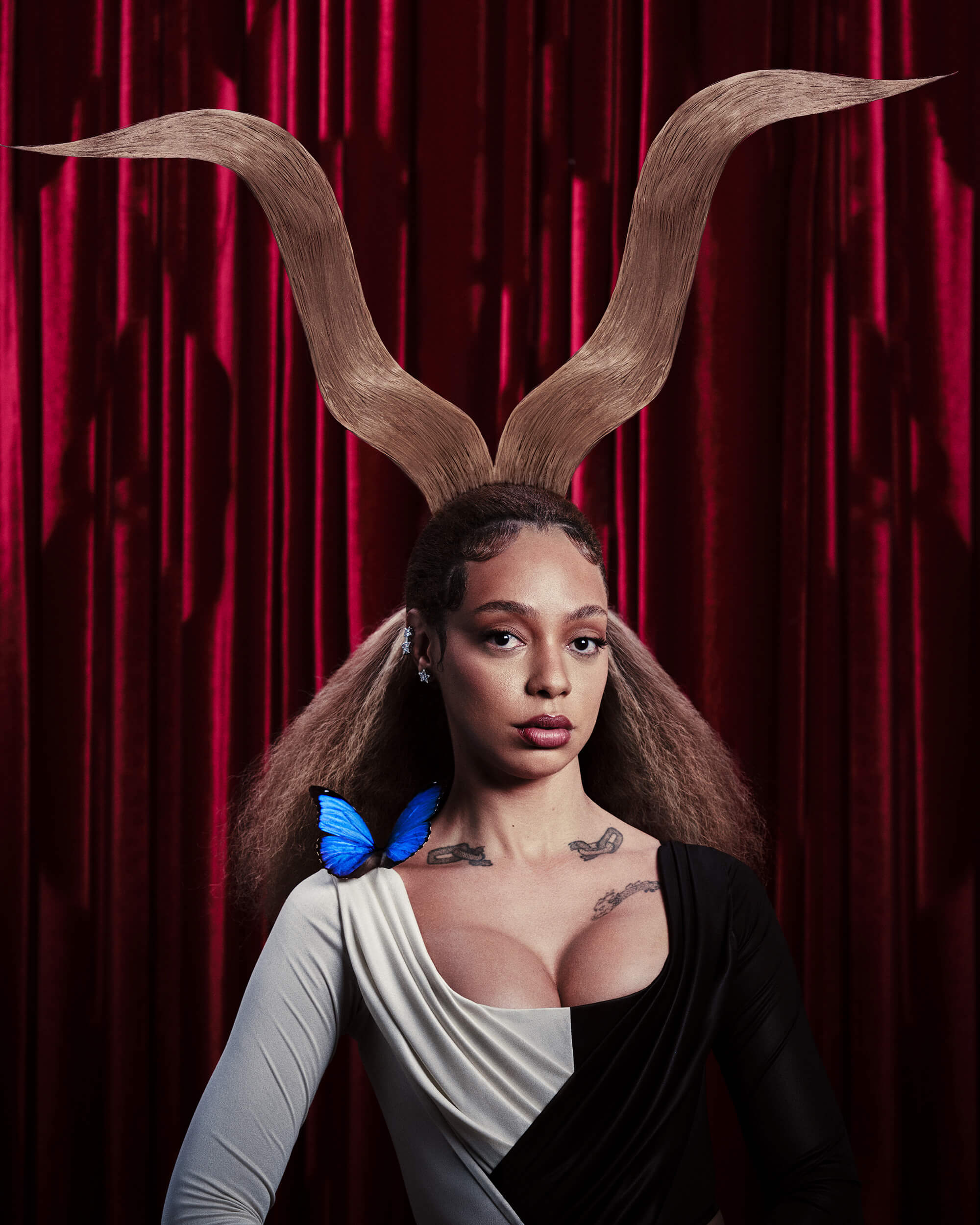
From the series Carranca by Ode Hilaire, RPS Young Photographer to Watch 2026
Filmmaker, photographer, writer, stylist, curator. Ode Hilaire takes the term ‘multidisciplinary artist’ and stretches it to its limits.
Named one of the RPS Young Photographers to Watch 2026, Hilaire’s work includes photobooks, films, fashion concepts and exhibitions.
The 27-year-old artist who grew up in Itajubá in southeastern Brazil and is based in Rio de Janeiro, has been published by Vogue, Dazed, ArtReview and Harper’s Bazaar. Her fashion collaborators include Comme des Garçons, Jean Paul Gaultier and COLORSxSTUDIOS, and her work has been exhibited by ICA London, Photo London, Lafayette Anticipations and the Maison Européenne de la Photographie (MEP).
Among her achievements this year were the LGA Management/JANVIER Grant 2026 for Carranca. The series illustrates the album of the same name by rising Brazilian singer-songwriter Urias, with each photograph corresponding to a different track.
Below, Hilaire explains how she is influenced by Afro-Brazilian and Indigenous traditions – and why she is challenging Eurocentric notions of identity.
WATCH: teaser film for Ode Hilaire’s award-winning series Carranca
What drew you to photography?
I started taking photographs as a way of conjuring old memories while creating new ones. From the beginning I was interested in photography not as a tool for documenting reality, but as a way of working with imagination, memory and the worlds that images are able to create and carry.
I was born and raised in Itajubá in southeastern Brazil, where many of my earliest visual references came from the traditions around me. I grew up watching Congada parades. These celebrations, shaped by Afro-Brazilian and Indigenous traditions, taught me that images can embody history, preserve gestures and rituals, and become spaces where the sacred and the everyday coexist. At the same time I was looking beyond my immediate surroundings, finding inspiration in Black artistic production from different parts of the world.
Films such as Space is the Place (1974) by Sun Ra and John Coney, and the work of Djibril Diop Mambéty, revealed to me that images could challenge linear histories and imagine other ways of being. Photography gradually became one of the languages through which I could bring these different visual worlds into conversation, creating images that move between memory, fiction, spirituality and lived experience.
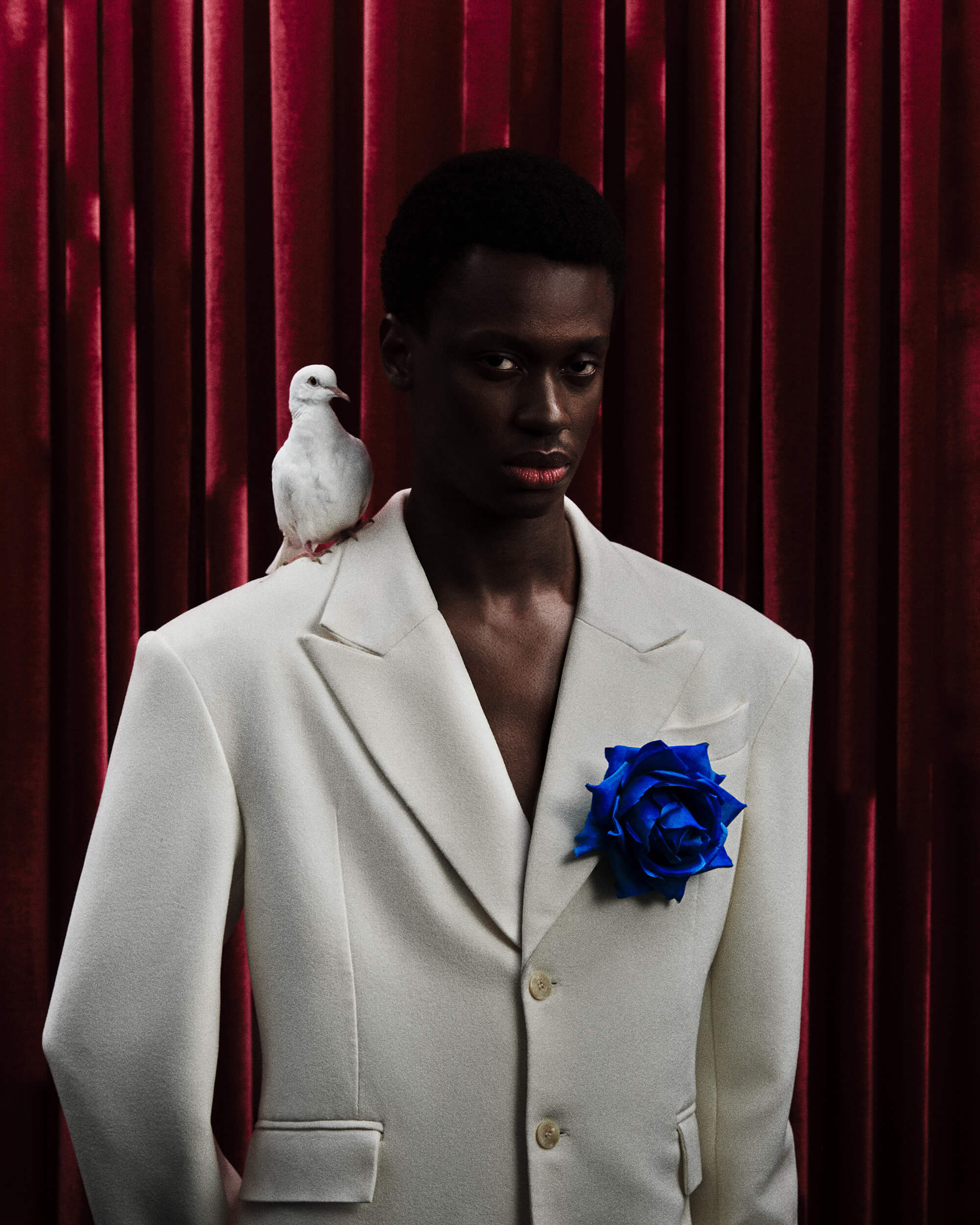
From the series Carranca by Ode Hilaire, RPS Young Photographer to Watch 2026
What is your approach as an artist working with photography?
I think of photography as a space where different forms of knowledge, memory and imagination can meet. Although my practice moves across photography, video and writing, the photographic image remains central to the way I think about embodiment, spirituality and relationality.
I’m interested in what photographs can hold beyond what they describe, the visible traces of things often difficult to name or represent. A concept that has recently given language to this approach is Robert Strongman’s idea of transcorporeality – an Afro-diasporic understanding of the self as multiple rather than singular. It resonates deeply with my work, where identity is never fixed or self-contained, but continuously shaped through spirituality, collective experience and the memories we carry across generations.
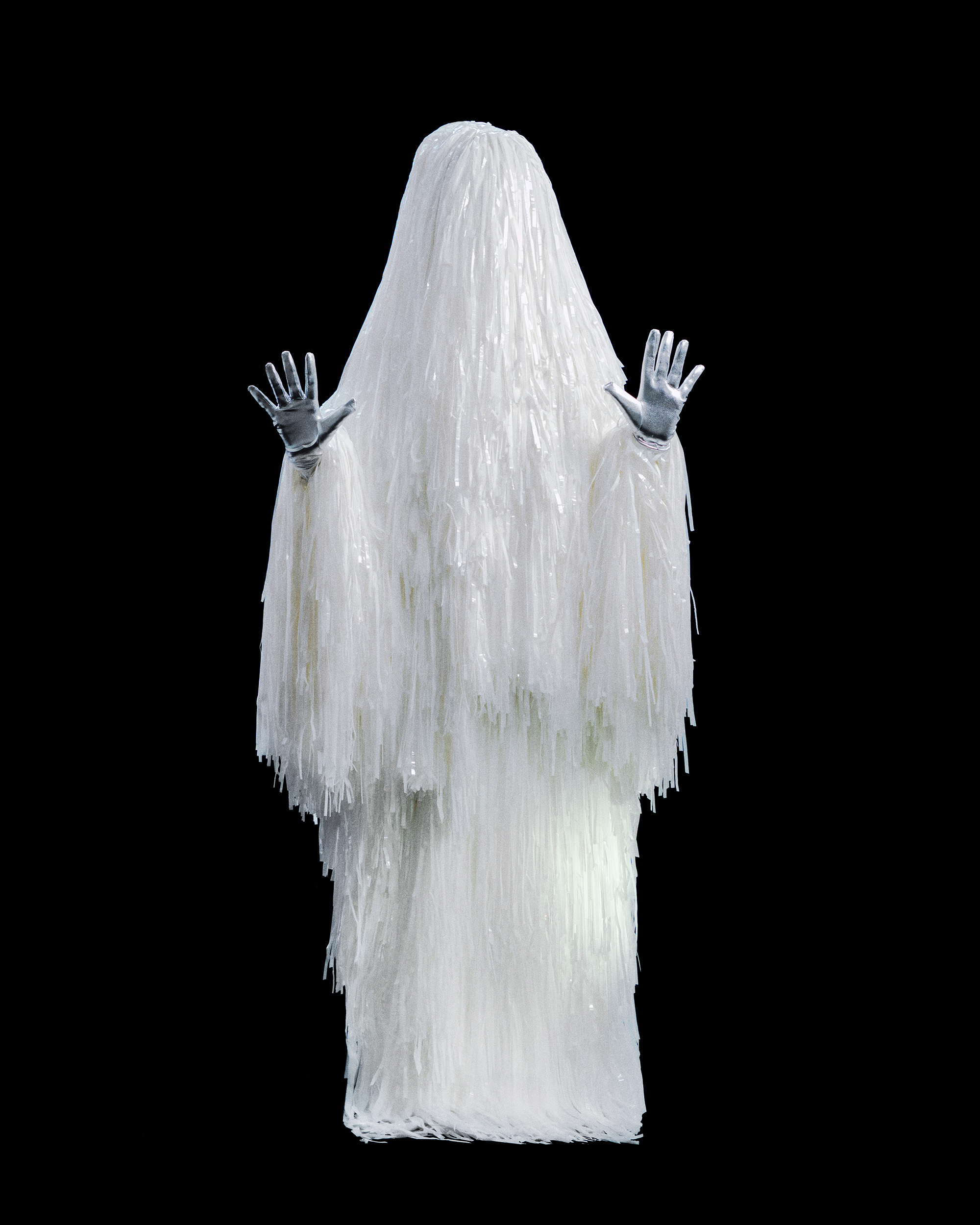
From the series Carranca by Ode Hilaire, RPS Young Photographer to Watch 2026
What motivates you to make work? Where do your interests lie?
I am motivated by questions that don’t always have clear answers – questions about spirituality, embodiment, memory and the ways we become ourselves through our relationships with others. I’m interested in image-making not as a form of representation alone, but as a space where identity can remain fluid, relational and open to transformation.
Much of my work lies at the intersection of archive and imagination. Through photography I explore how the sacred can be understood as a lived experience, something that exists in gestures, rituals and forms of care as much as in material objects or religious traditions.
My new project, The Shape of Divine Love, brings these interests together through performative self-portraiture and Afro-diasporic spiritual iconographies, exploring the proximity between human and divine presence. The project’s title draws inspiration from bell hooks’ understanding of divine love as a practice of interconnection and shared renewal. That idea continues to shape my practice more broadly.
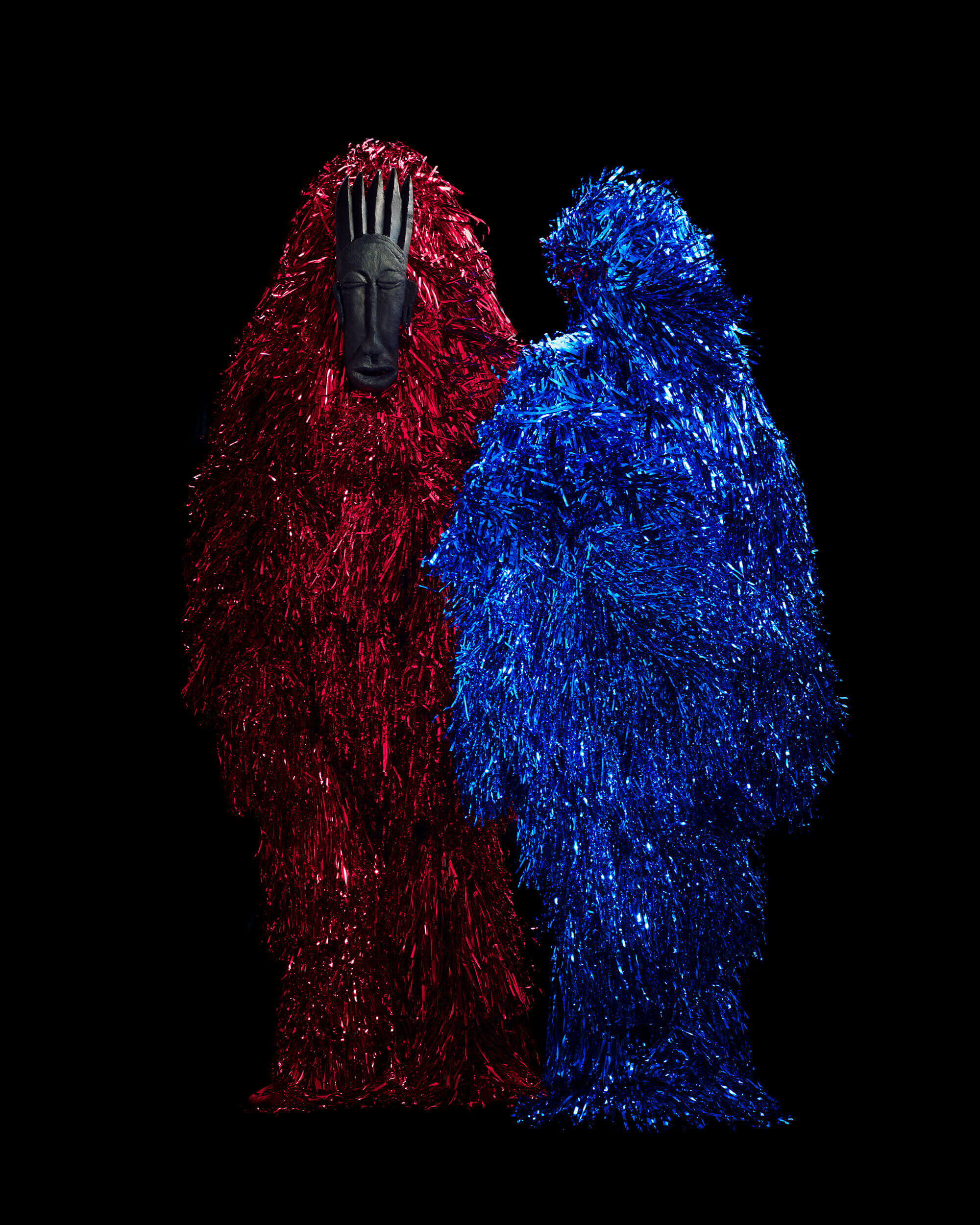
From the series Carranca by Ode Hilaire, RPS Young Photographer to Watch 2026
Which achievements or milestones make you proud?
I feel most proud of the moments that have allowed me to keep making work and to realise projects I deeply care about. Receiving the DRABL Artist Grant in 2022, the Latin American Fashion Award for Fashion Film of the Year in 2023, and the Prix Picto de la Photographie de Mode in 2026 were all important milestones that gave me the confidence and support to continue developing my practice.
It has also been incredibly meaningful to see my work enter the collections of institutions such as the Maison Européenne de la Photographie and the Palais Galliera, both in Paris, and the Photography Library of the Instituto Moreira Salles in São Paulo. Coming from a small town in the south of Minas Gerais, Brazil, these moments often feel surreal to me.
More than individual achievements, what I value most is the possibility of continuing to make work that remains faithful to my questions and finding people and institutions willing to believe in it.
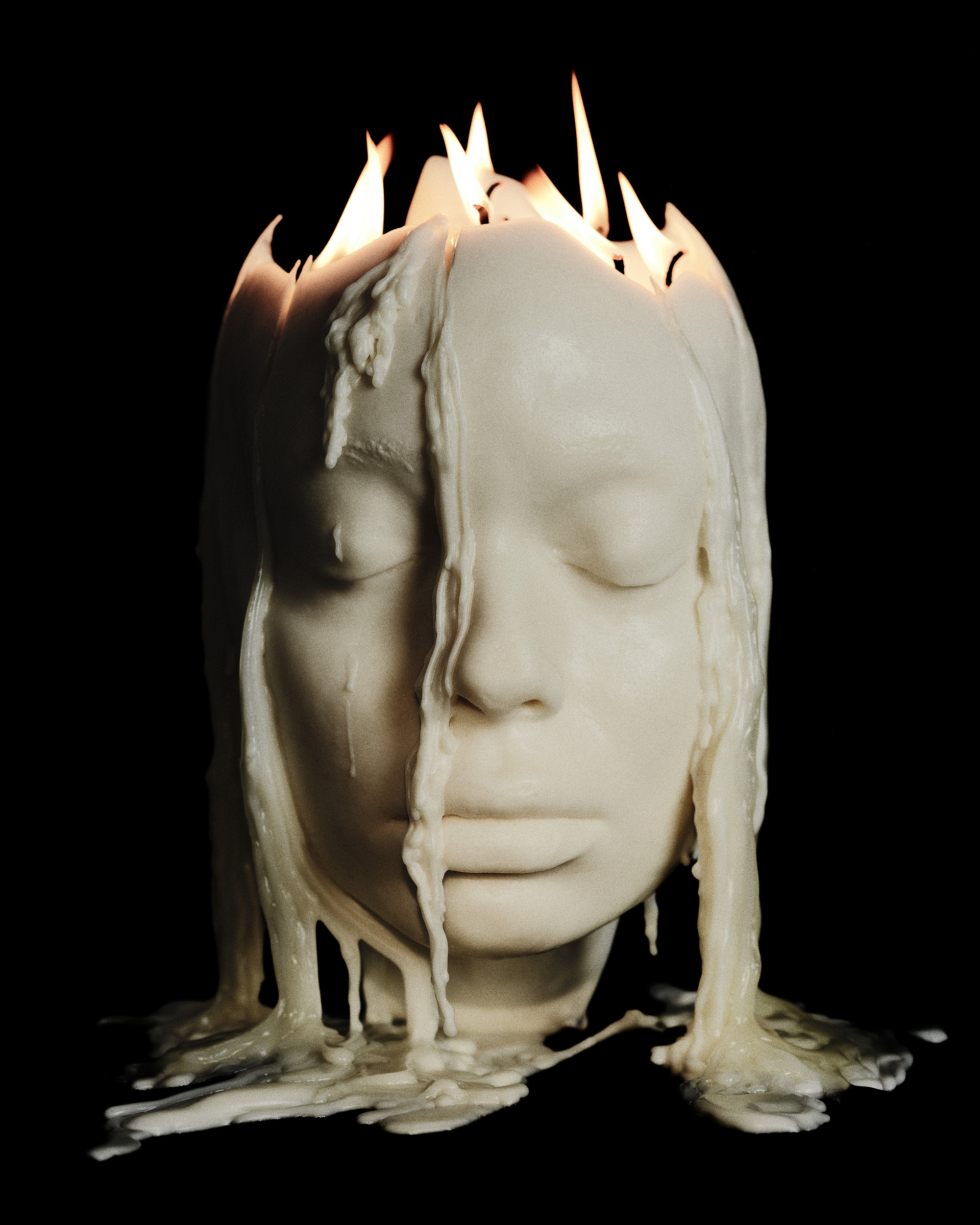
From the series Carranca by Ode Hilaire, RPS Young Photographer to Watch 2026
What are your personal future ambitions as an artist?
My ambition as an artist is to continue developing projects that bring together photography, spirituality and Afro-diasporic ways of understanding embodiment and relationality. I am particularly interested in creating long-term bodies of work that move across different forms, from exhibitions and photobooks to moving image and installation, while remaining rooted in care, research and collaboration.
I am preparing to move to Paris, which marks an important new chapter in my practice. More than a geographical change, it represents the possibility of building the conditions I have long hoped for as an artist – the time, support and institutional relationships that allow ambitious projects to grow over time.
I hope to secure further funding for The Shape of Divine Love so that I can expand the project beyond its current scope, deepen its research and share it with wider international audiences. I see this work as the beginning of a larger artistic inquiry rather than a finished statement.
Much of my journey has been about creating the conditions that make it possible to continue making work. More broadly, I hope my practice can contribute to conversations around spirituality, representation and Afro-diasporic knowledge that are often absent from contemporary photographic discourse.
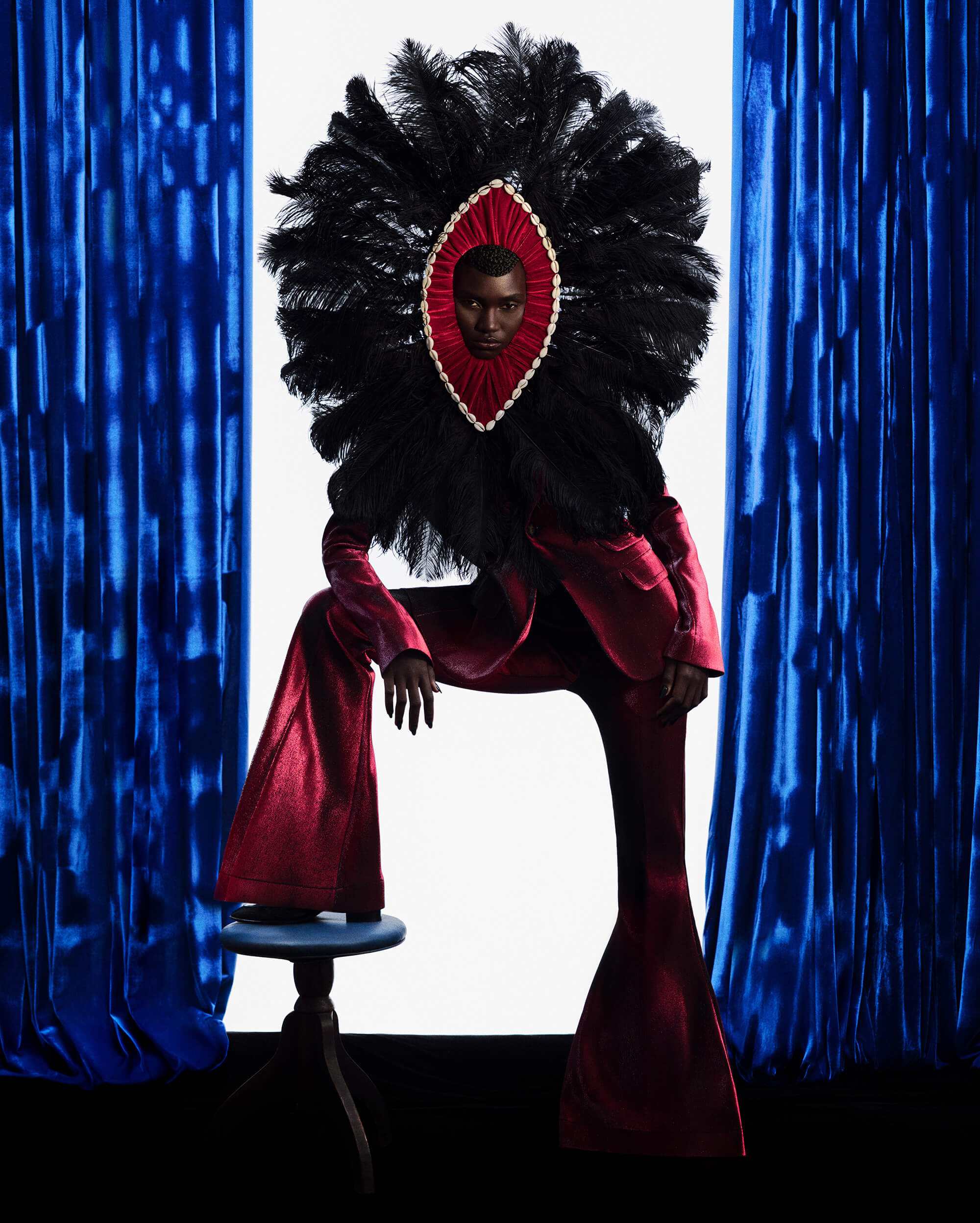
From the series Carranca by Ode Hilaire, RPS Young Photographer to Watch 2026
Read more about Ode Hilaire and the RPS Young Photographers to Watch in the October-December 2026 issue of the RPS Journal.
The RPS Journal is available exclusively to members. Join the RPS to receive our award-winning magazine and read more inspiring features. Explore full member benefits here.