
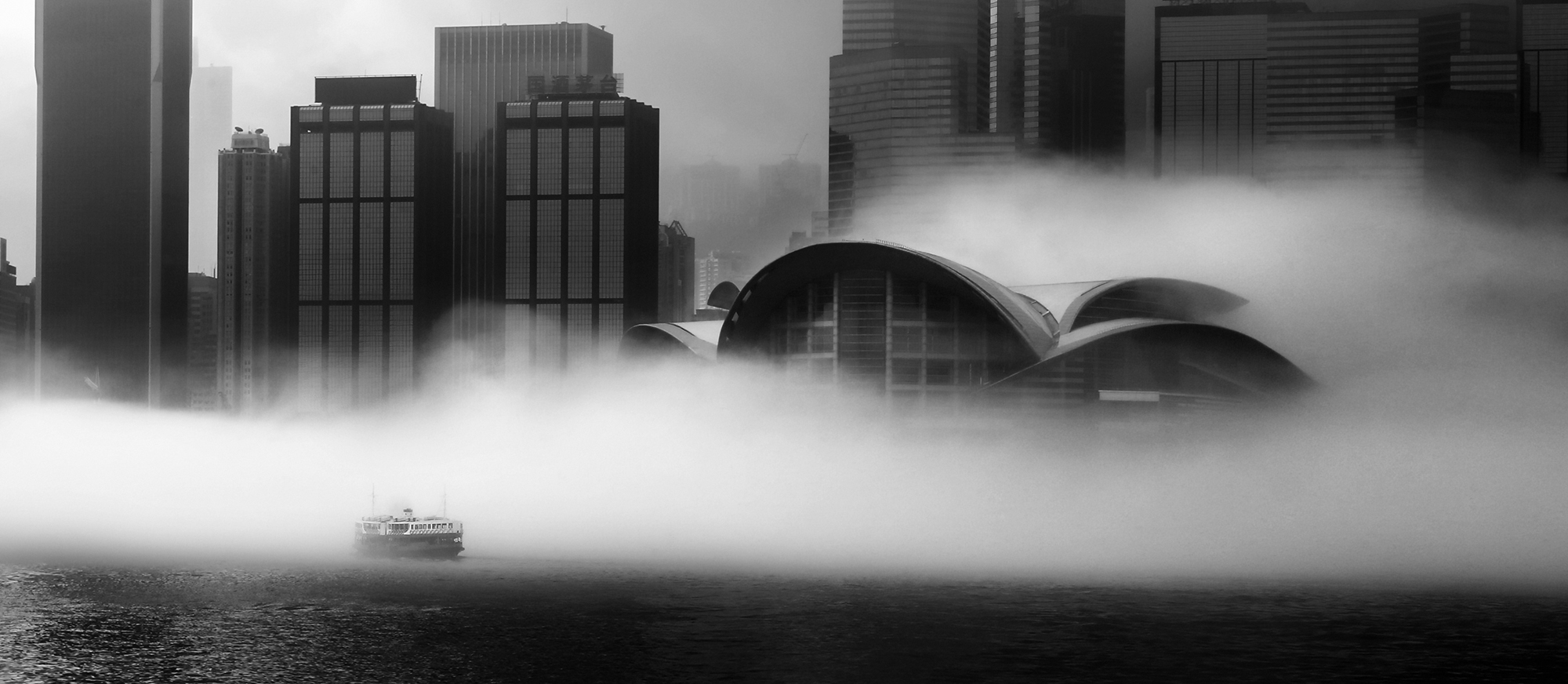
‘A foggy morning’ by Jacky Lee ASICI FRPS
He is at pains to mention he has no formal training, but Jacky Lee ASICI FRPS has enjoyed a lifetime of learning about photography.
The Hong Kong-born visual artist and educator now based in Australia first began taking pictures with his father’s camera during a visit to a flower show with a primary schoolfriend.
“It was a very simple point-and-shoot film camera, but I was taken with the idea that something so small could capture light and hold on to a moment,” he says.
Here, he shares his photographic journey with us.
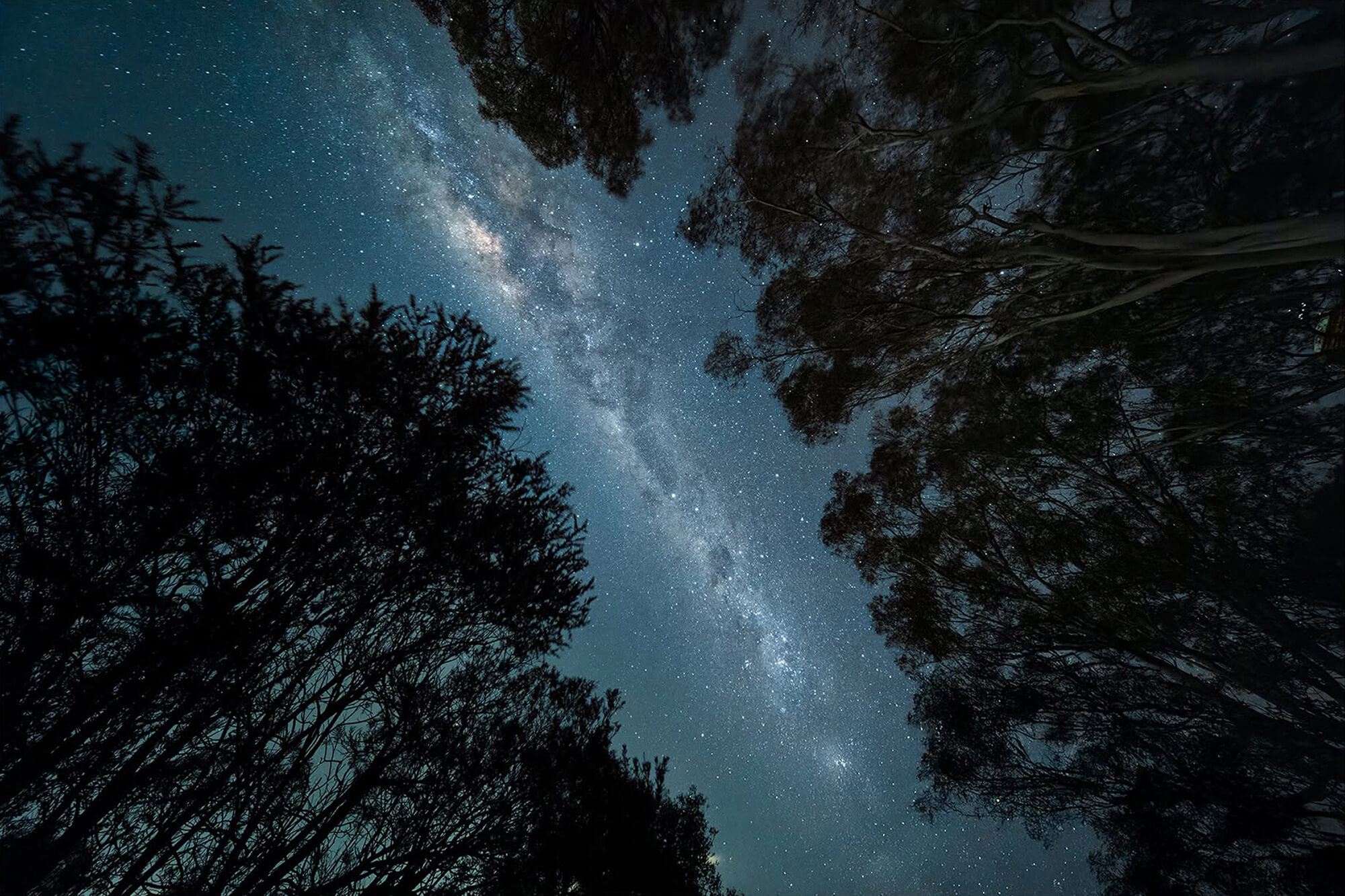
‘Ancient light’ by Jacky Lee ASICI FRPS
Describe yourself as a photographer.
I am a Hong Kong-born, Canberra-based photographer and educator who came to photography without formal training. My work centres mainly on landscape, nightscape, architectural and aerial photography, much of it in black-and-white.
I am drawn to light, atmosphere and structure, and to the way natural and built environments sit alongside one another. My professional background as a chartered building surveyor and chartered building engineer probably influences how I notice space, form and detail. Photography is an act of curiosity for me, a way of looking more carefully at ordinary things.
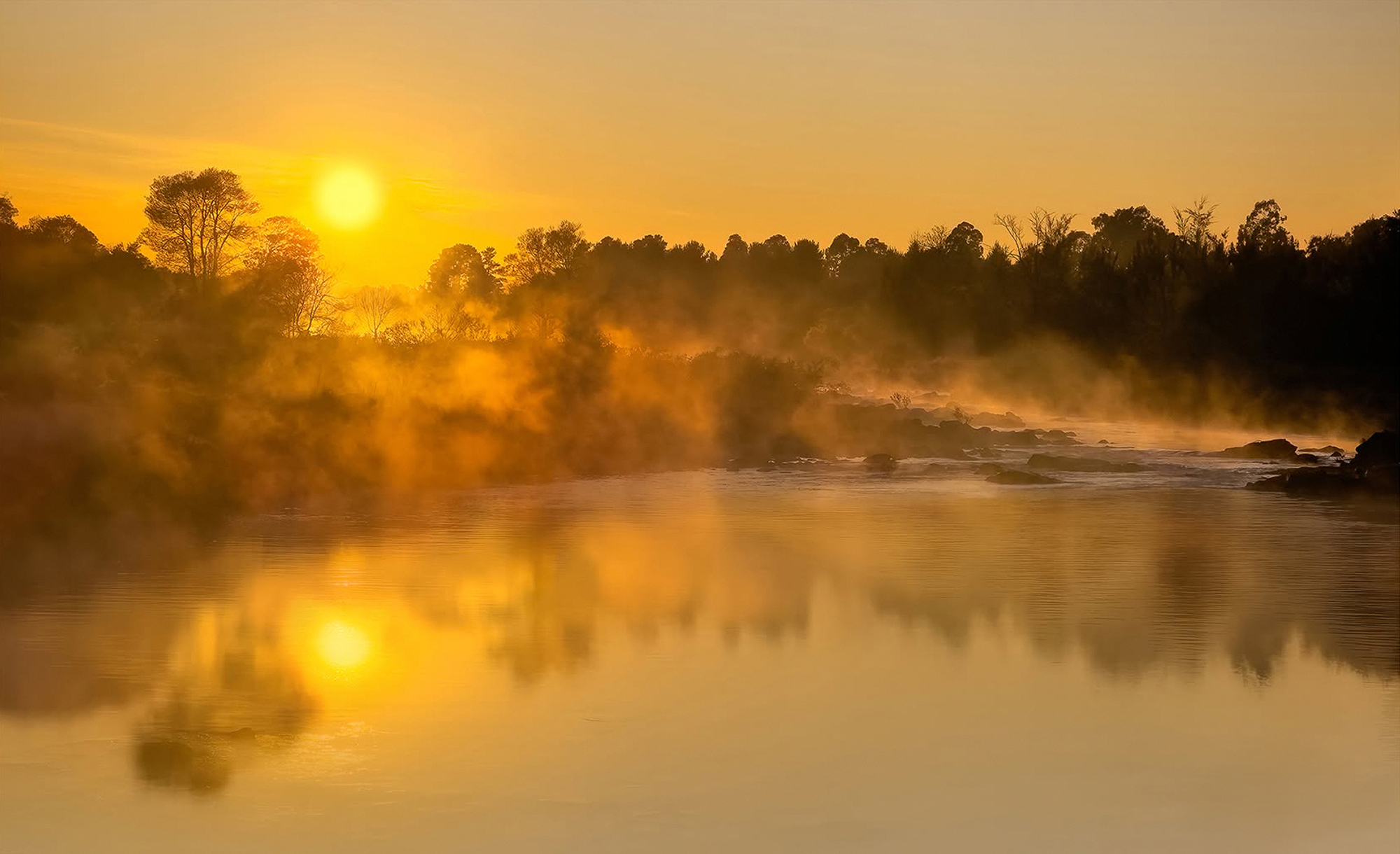
‘Breath of the river’ by Jacky Lee ASICI FRPS
Why does landscape fascinate you?
After I finished my university degree I began hiking, and taking a camera along felt like the natural thing to do. I would spend both Saturday and Sunday on Hong Kong’s trails whenever work allowed.
Hong Kong is known internationally as a densely developed city but around three quarters of its land is not built up, and roughly 40% of the total is designated as country parks and special areas. Its hills, woodlands, reservoirs and rugged coastline offer a remarkable variety of scenery within a small area.
As a coastal city, the meeting of land and water also offers an almost endless range of possibilities. Those years of walking gradually taught me to appreciate nature at every scale, from the vastness of sky and sea to the smallest plants and animals along a trail.
I do not think of landscape as only the natural environment. I am equally drawn to human-made landscapes – the lines and rhythms of buildings, the density of the urban environment and the cityscape after dark. Hong Kong never seems to switch off its lights. At night, its illuminated windows, signs, roads and reflections offer an entirely different landscape to explore.
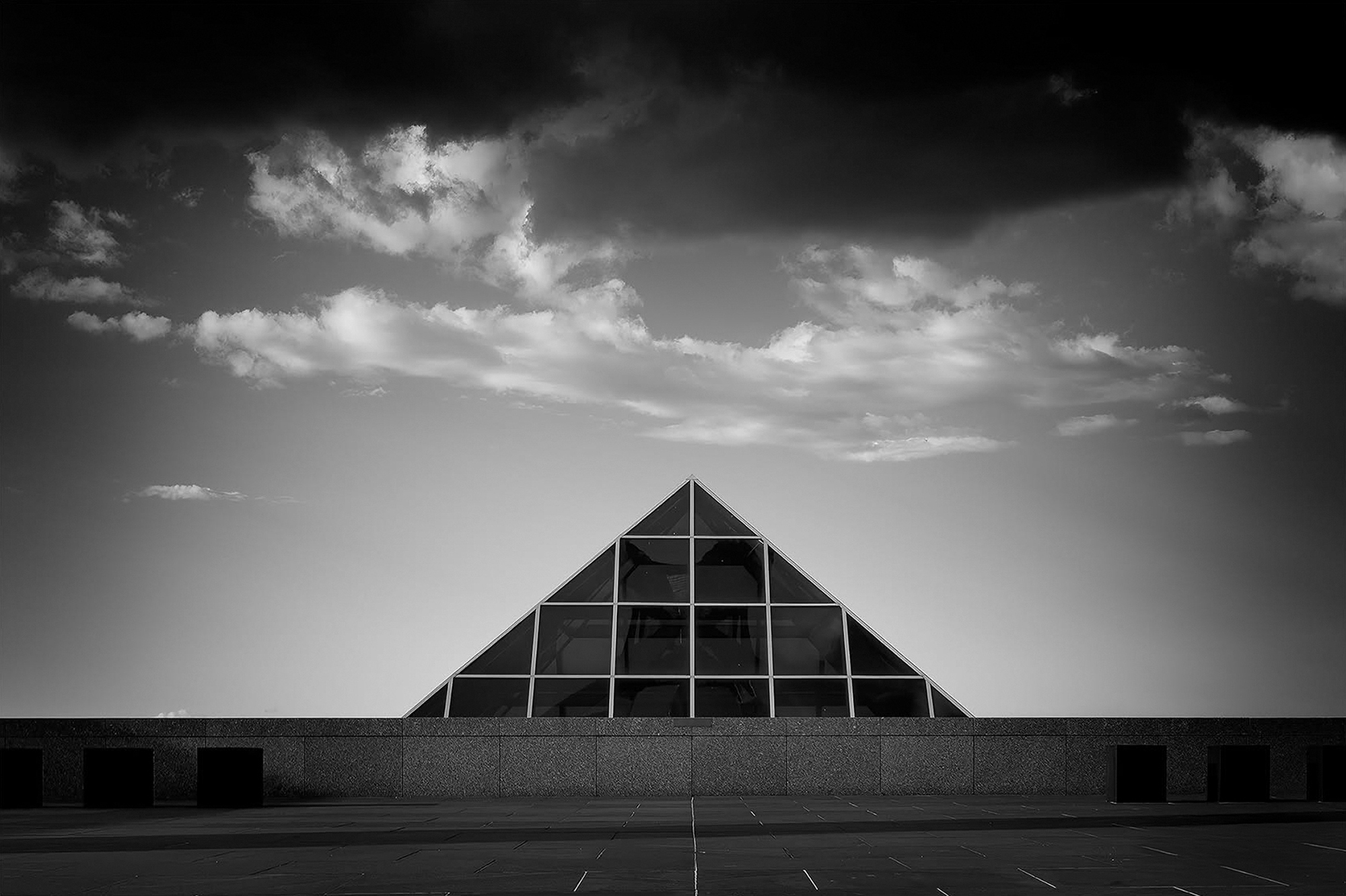
‘Pyramid’ by Jacky Lee ASICI FRPS
How long have you been an RPS member and what are your roles within the Society?
I joined the RPS in 2023 after moving to Australia in 2022. I serve as honorary secretary of the Australian Chapter, web editor of the Landscape Group and content manager for the International Team and am a member of the RPS AI Working Group. More recently, I have begun working with members of the Imaging Science Group on some AI-related research.
You were recently awarded ASICI FRPS. What does this recognition mean to you?
I was honoured to receive Accredited Senior in Imaging in the Creative Industries (ASICI), with the corresponding Fellowship of the RPS (FRPS).
Preparing the submission made me look back across 25 years of continuous engagement with photography. I began commercial wedding and portrait work in Hong Kong in 2001, later broadening into landscape, nightscape, architectural, aerial, monochrome and visual art.
Photography has also gradually led me into publishing, education, mentoring, judging national and international competitions, community building, and work on AI, authorship and professional standards.
As an entirely self-taught photographer, the recognition feels especially meaningful. I see the award less as an endpoint than as encouragement to keep learning, make more thoughtful work and contribute wherever I can.
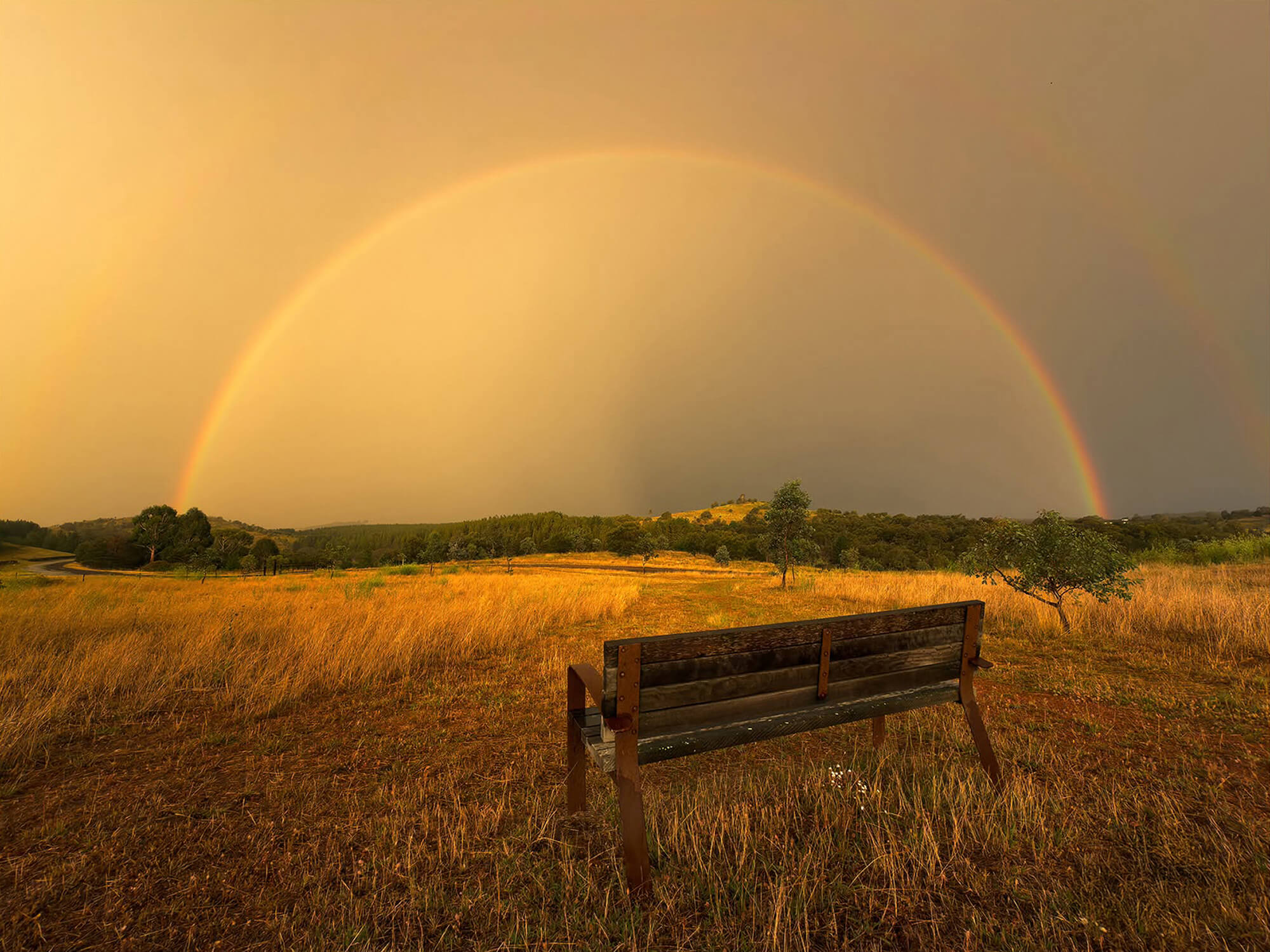
‘Still here’ by Jacky Lee ASICI FRPS
Is there an image you’re particularly proud of?
One image I often return to is ‘A foggy morning’ [see main image, above], made at Victoria Harbour in Hong Kong, my hometown.
The evening before, I noticed the forecast was for heavy fog. Many photographers planned to climb the surrounding hills where they might rise above the fog and photograph it from a distance. I wanted to show the fog meeting Hong Kong’s urban landscape rather than sitting above it.
Oddly enough, having to be at work that day helped shape the photograph. There was not enough time to hike and still get to the office that morning, so I went to Victoria Harbour instead.
When I arrived, the fog was so dense I could not see the buildings on the opposite side of the harbour. I waited almost an hour and nothing appeared, so I packed up and prepared to leave.
Just then, the sun began to break through and thin the fog. Faint outlines of buildings started to emerge across the harbour, so I took out the camera and tripod again and began photographing.
About 15 minutes later I heard the horn of a ferry, although the vessel was still hidden. I followed the sound and hoped the ferry might emerge from the fog, because it would bring an element of everyday Hong Kong life into the scene. A faint shape gradually appeared and moved forward through the mist, and I made the photograph.
The ferry passing through the fog says something about Hong Kong’s energy and resilience. It changed the scene from a beautiful but static cityscape into a photograph about movement and perseverance. I later converted the image to black-and-white so that the fog, silhouettes and gradual layers of tone could carry the story without the distraction of colour.
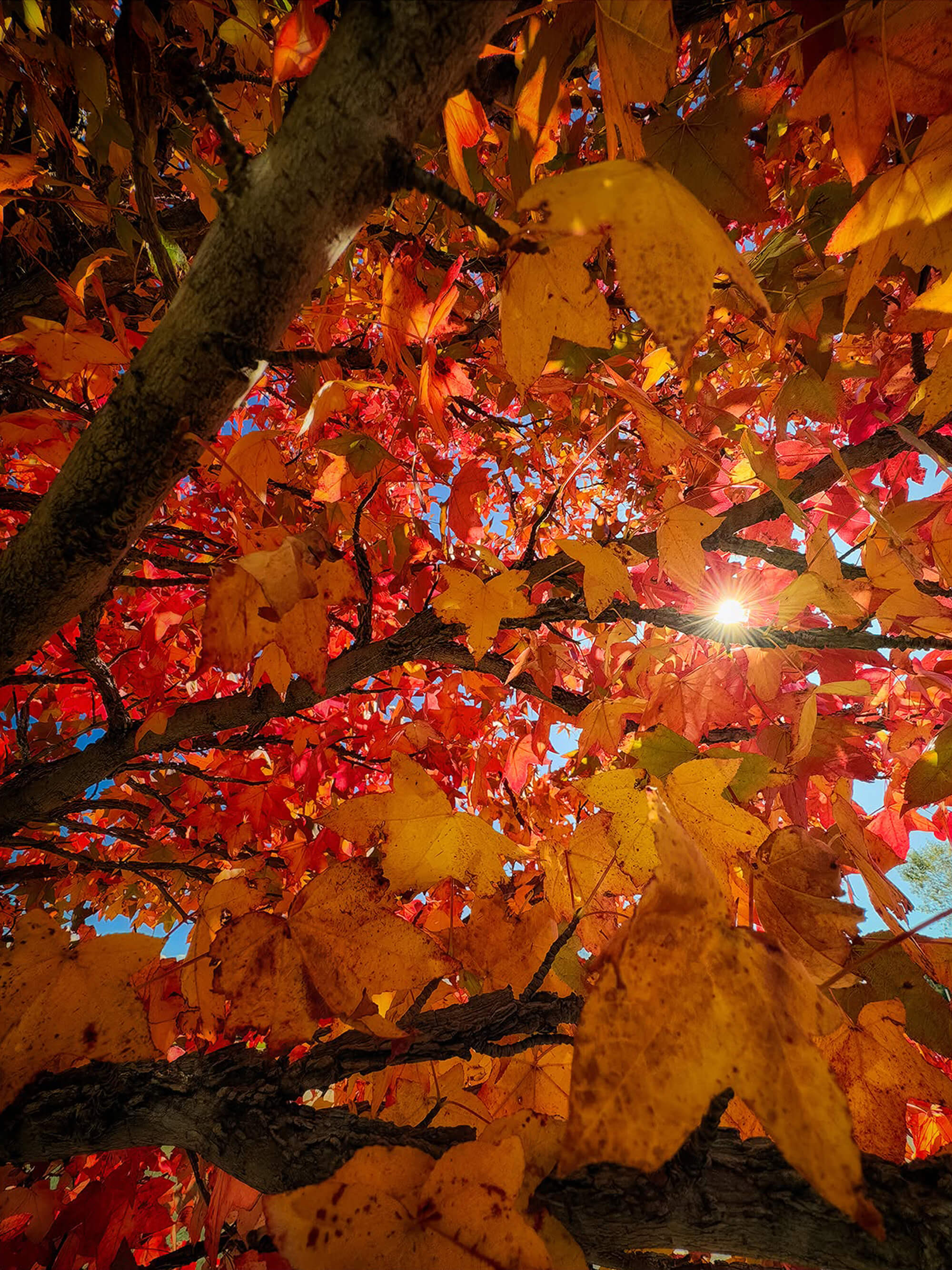
‘Autumn ablaze’ by Jacky Lee ASICI FRPS
What’s the future for photography?
I suspect the future of photography will be diverse rather than following a single path. Computational imaging and AI are likely to make cameras and editing tools more capable and accessible. At the same time, as synthetic imagery becomes increasingly convincing, questions of trust, provenance and transparency are likely to matter much more than they do now.
One distinction I find useful is between assistive technologies, which help a photographer realise an image they have captured, and generative technologies, which add or construct visual content the camera did not record. Both may have creative value. What seems most important to me is that viewers can understand what they are looking at and how it was made.
There is a great deal for all of us to keep learning, and I hope manufacturers become clearer about what their tools actually do. Photographic organisations, including our own, will probably need to keep revisiting their definitions and standards as the technology develops.
Traditional camera-made photographs, artistic composites and AI-generated imagery are likely to coexist. My own hope is simply that they are not presented as though they were interchangeable, and that authenticity, authorship and accountability remain part of the conversation.
Technology can widen what is possible, but it cannot decide what we care about, where we choose to stand or why a particular moment matters to us. Photography will continue to depend on curiosity, intention and the wish to say something through a picture.