
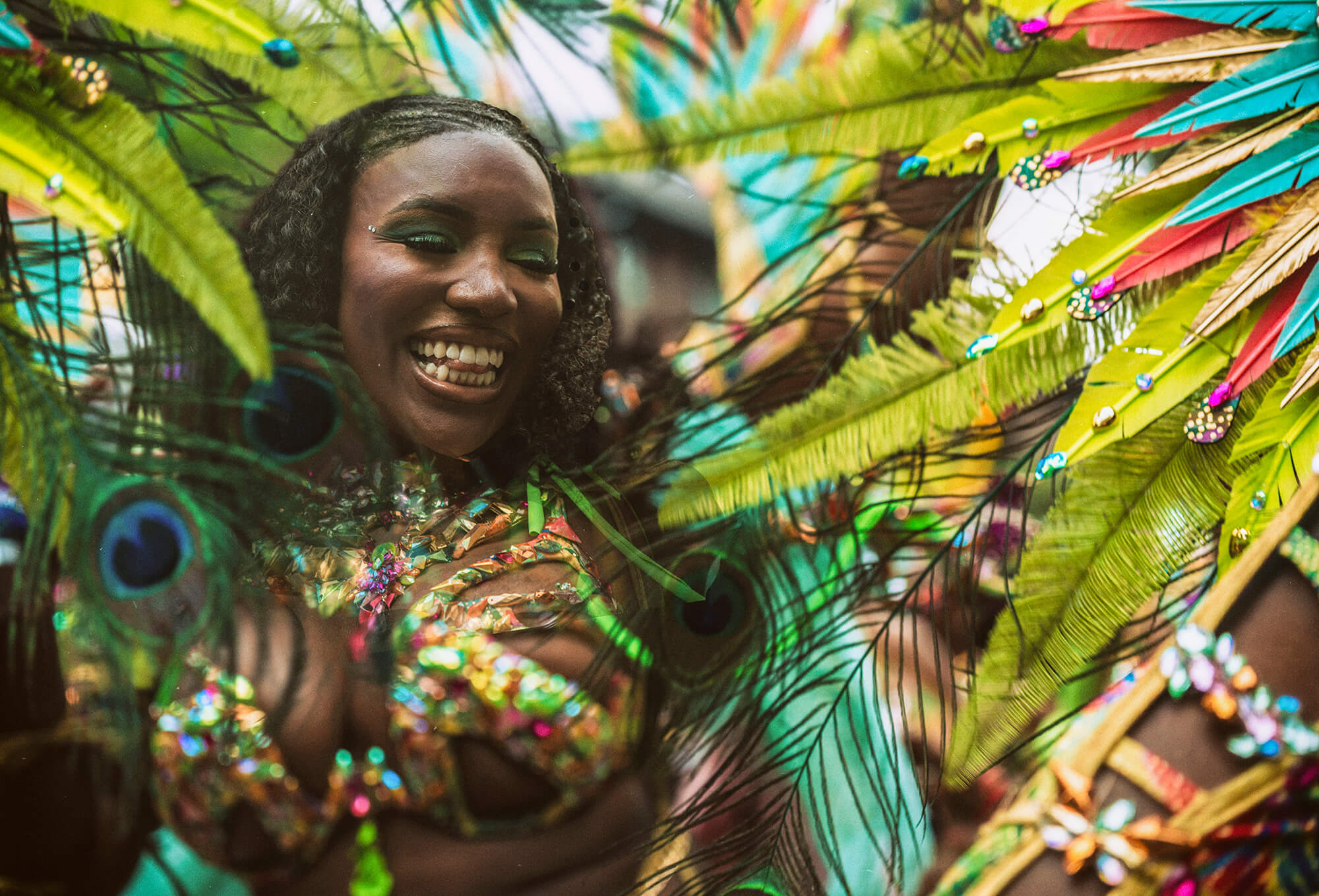
From the series Carnival 60 – A Legacy Carried Forward by Aneesa Dawoojee FRPS. Costume by One Mas
The lineage of Notting Hill Carnival runs deep into the veins of Caribbean culture. I first immersed myself in that world during childhood, while growing up in south London. Later, I began telling visual stories of the people who made this event one of unity in response to acts of division and separation.
The 60-year Carnival story includes elements of history, pain and joy, but also resolution through dance and the sharing of knowledge.
The time I now spend between Trinidad and Tobago and the UK gives me a dual view that has guided me as a photographer. A simple childhood joy has become a desire to unfold the story backwards, to where it started.
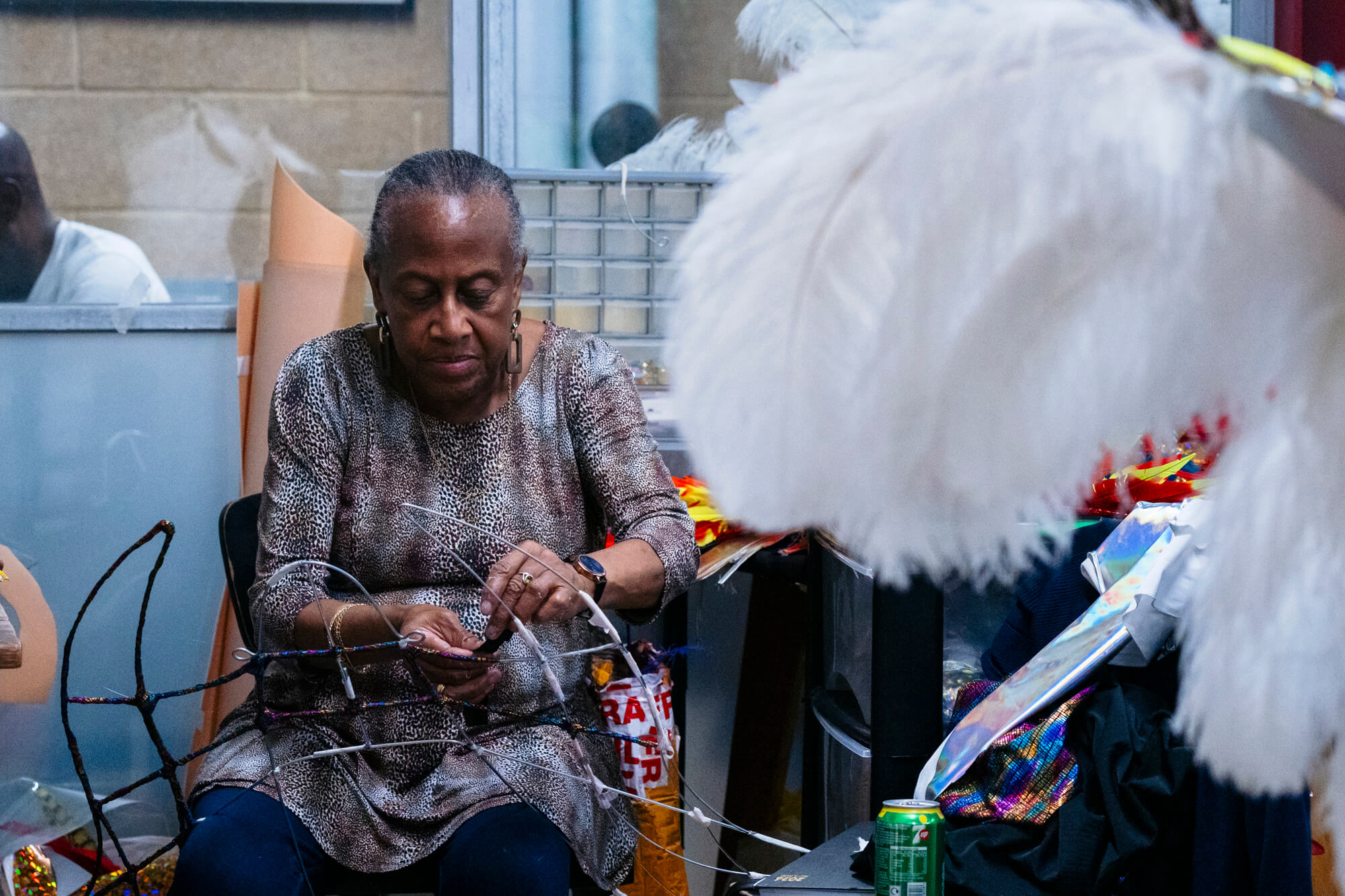
'Kathy, Masology' from the series Carnival 60 – A Legacy Carried Forward by Aneesa Dawoojee FRPS
The negativity in the media surrounding the aftermath of the 2025 Carnival seemed inaccurate and belittled the work I had witnessed going into the event’s preparation – the personal sacrifices made by designers, musicians, steelpan leaders and artists. In the same way that my RPS Fellowship project The Fighting Spirit of South London was a response to social pain and discrimination, this work is an attempt to lift up the communities I have known and worked alongside.
Carnival is heavily documented, so I never intended to do much with the images I had taken, but I became driven to break down the misrepresentation – and celebrate those who work tirelessly behind the scenes to let the rest of us be part of it.
The 60th anniversary year of Carnival, 2026, felt like the right time to start releasing some of that work through exhibition and print.
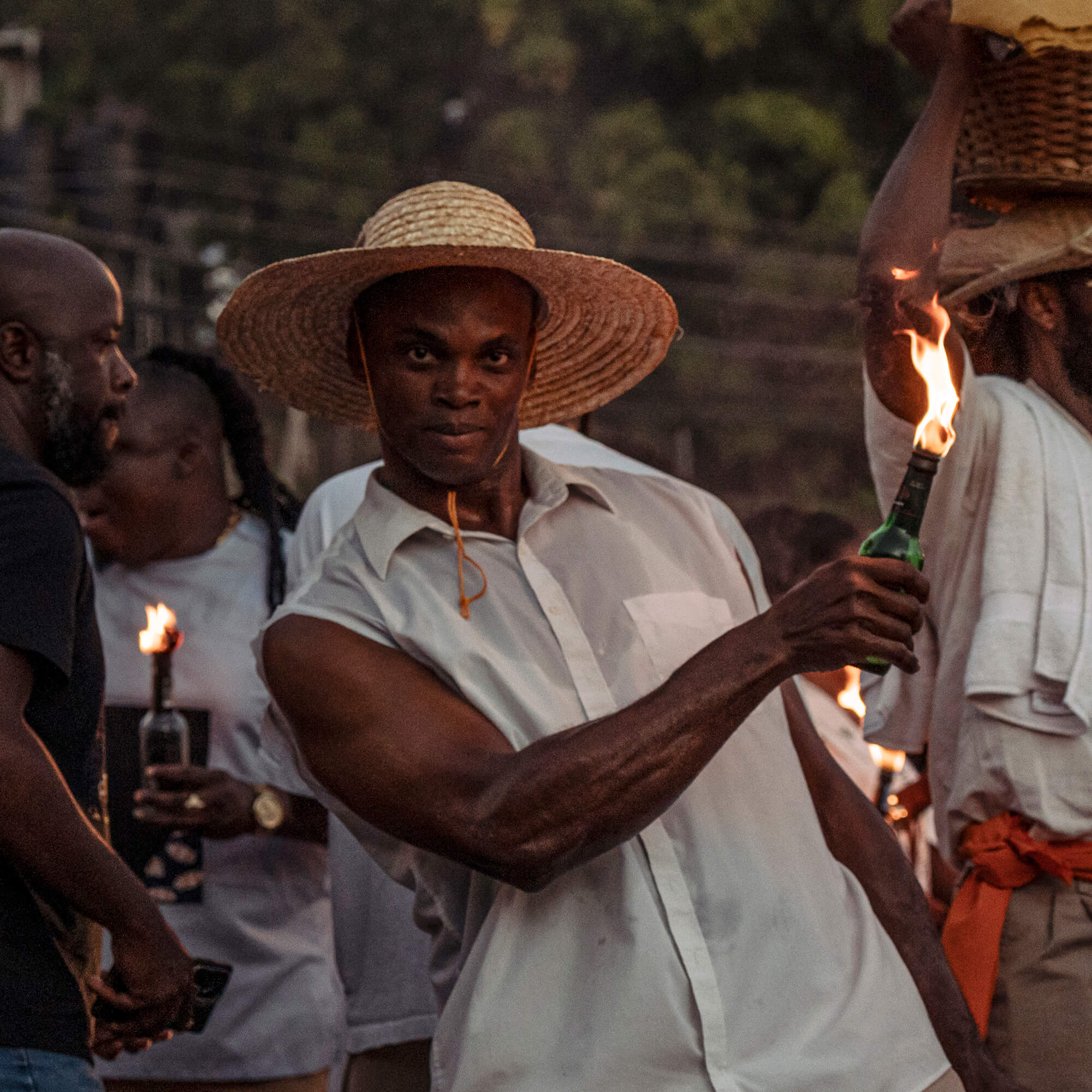
'Flambo' from the series Carnival 60 – A Legacy Carried Forward by Aneesa Dawoojee FRPS
Today’s Carnival was born when the event moved onto the streets in 1966. Central to its festivities were Russell Henderson’s steelpan band, playing the national instrument of Trinidad and Tobago traditionally made from discarded oil drums.
While a local street festival had given the event a legitimate reason to happen, everything that still makes it Carnival – the pan, the mas, the soca – was brought, built and carried forward by the Caribbean community.
Carnival is rooted in the plantation era of Trinidad and other islands, during which enslaved people created their own version of the French masquerade, a parade of defiance and satire, parody becoming performance and performance becoming freedom. Its story is infused with emancipation, indentured servitude and Commonwealth migration. Most retellings compress that lineage into one image of feathers on a west London road. I try to photograph the whole line.
There is a distinction rarely registered by audiences looking in from the outside – ‘pretty mas’ (feathers and gems) and ‘cultural mas’ (the Moko Jumbies, jabs, steelpan and traditional characters conveying the older story). Both are legitimate elements of the Carnival story – neither represents the whole.
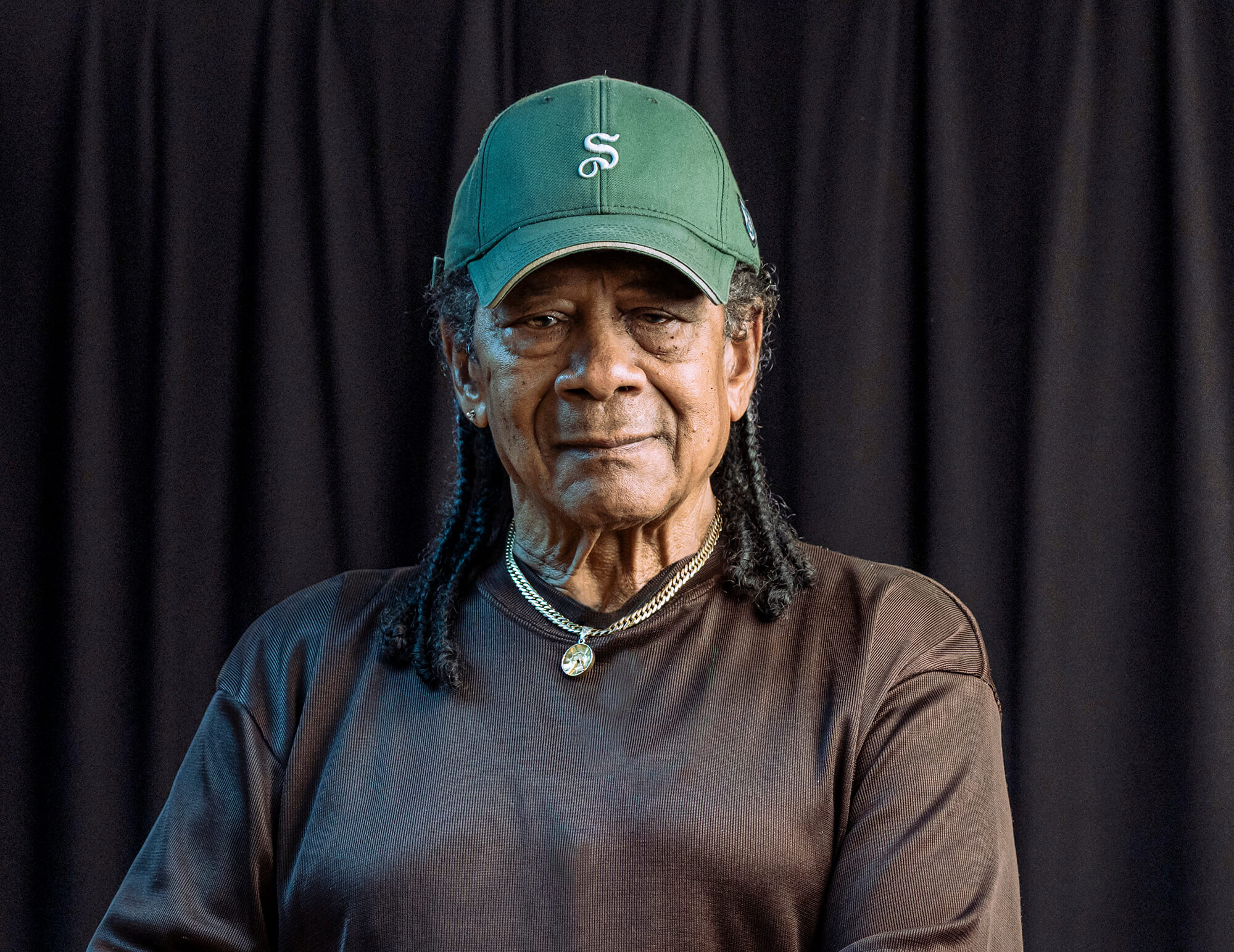
'Augustine Pepe Frances MBE, president of the British Association of Steel bands' from the series Carnival 60 – A Legacy Carried Forward by Aneesa Dawoojee FRPS
Carnival has sometimes in recent years been politicised to divide rather than unite, so I focus more on its ethos of love and joy across British society. Even the sound of the road carries that history. On Carnival’s procession trucks it is soca – Caribbean dance music made to unite not divide – that inspires the crowd. In the early 1970s, musician Lord Shorty deliberately fused calypso with Indian musical forms in a Trinidad still carrying the scars of colonial ‘divide and rule’ between its African and Indian communities.
Some of the people carrying that line are barely known beyond Carnival communities. Pioneers like Augustine ‘Pepe’ Francis MBE, who has led Ebony Steel Band for 60 years, sharing the sound and culture globally to continents and children who would never have had the opportunity to learn about this incredible history. And the Moko Jumbie costume-makers who believe that, as moko and designer Alan Vaughn says, “a costume is nothing until it has a spirit in it”.
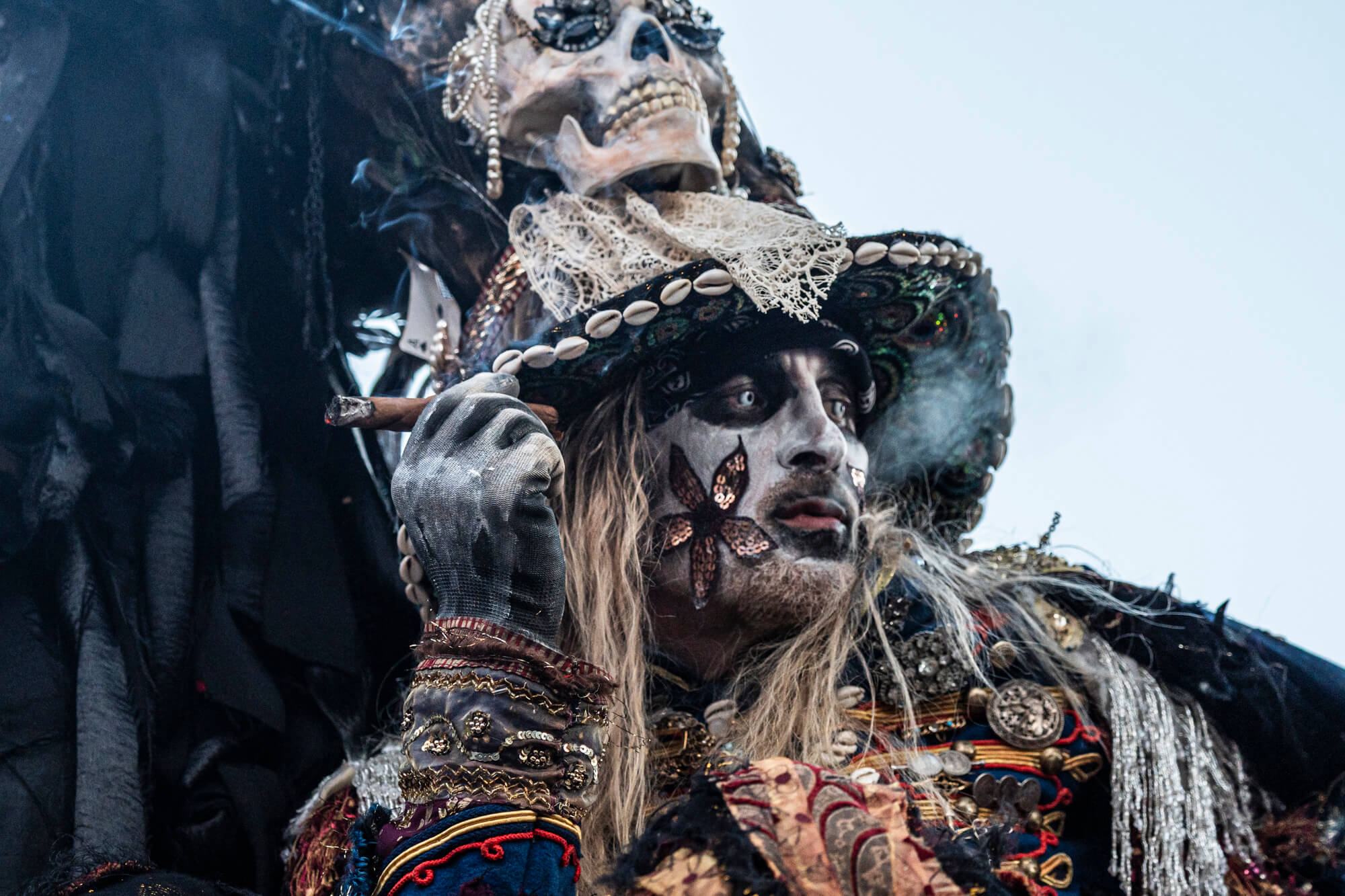
'Alan Vaughn' from the series Carnival 60 – A Legacy Carried Forward by Aneesa Dawoojee FRPS
I have made my own Carnival and soca community over the years, and most of us are connected through common purpose. I return year after year and photograph people, with their help and support, doing work they are proud of and that deserves a spot in our history.
Rather than spectacle, I want my images to convey inheritance, pride, exhaustion, tenderness. It is a big responsibility to carry something like this forward, giving people the legacy they deserve. Carnival isn’t just a party Britain watches once a year, but a family legacy that welcomes all races and creeds.
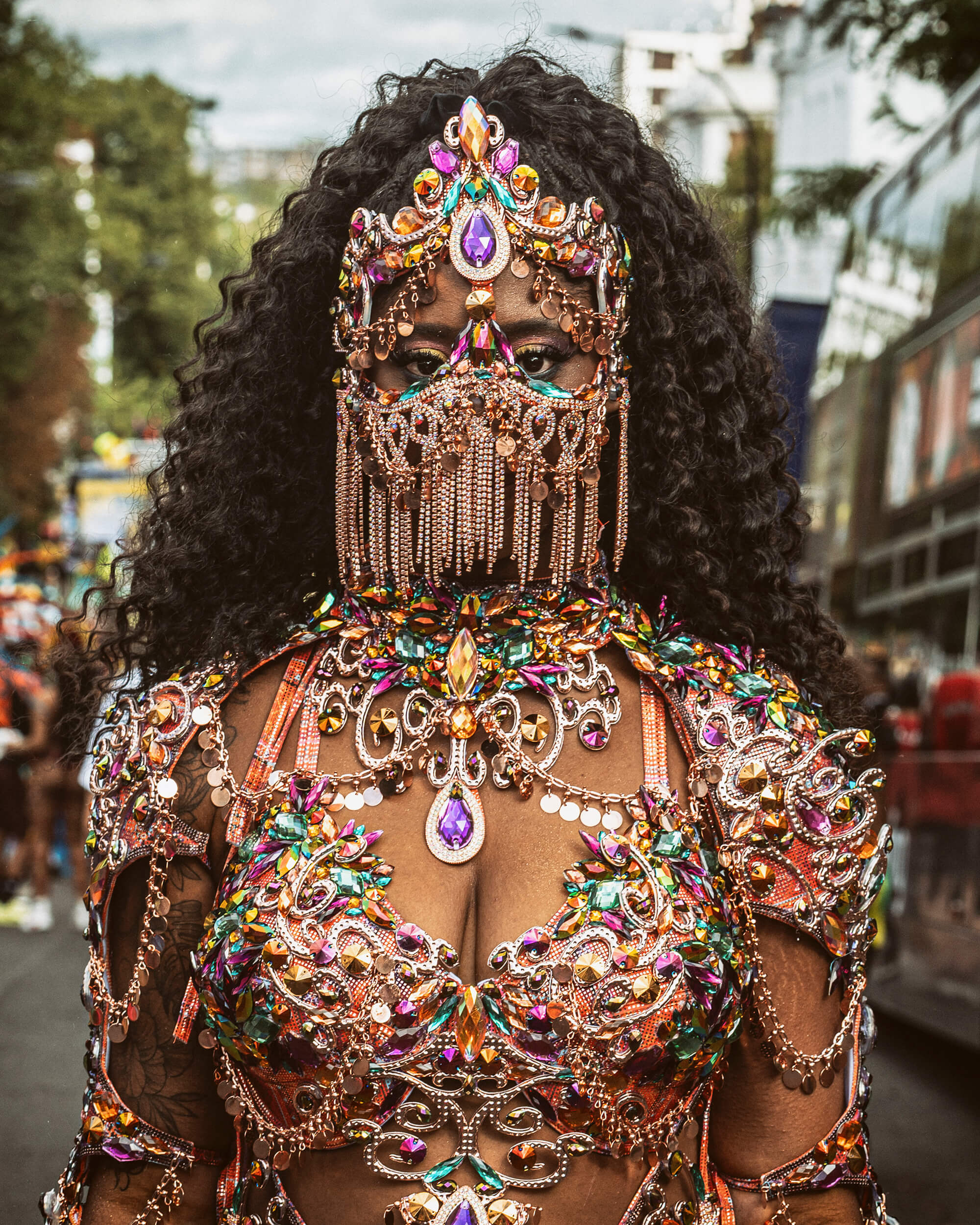
'Jasmine Barker' from the series Carnival 60 – A Legacy Carried Forward by Aneesa Dawoojee FRPS. Costume by One Mas
Aneesa Dawoojee FRPS is a social documentary photographer and associate university lecturer living between the UK and Trinidad and Tobago. She was recipient of the IPE 163 Solo Exhibition Award.
The RPS Journal is available exclusively to members. Join the RPS to receive our award-winning magazine and read more inspiring features. Explore full member benefits here.