
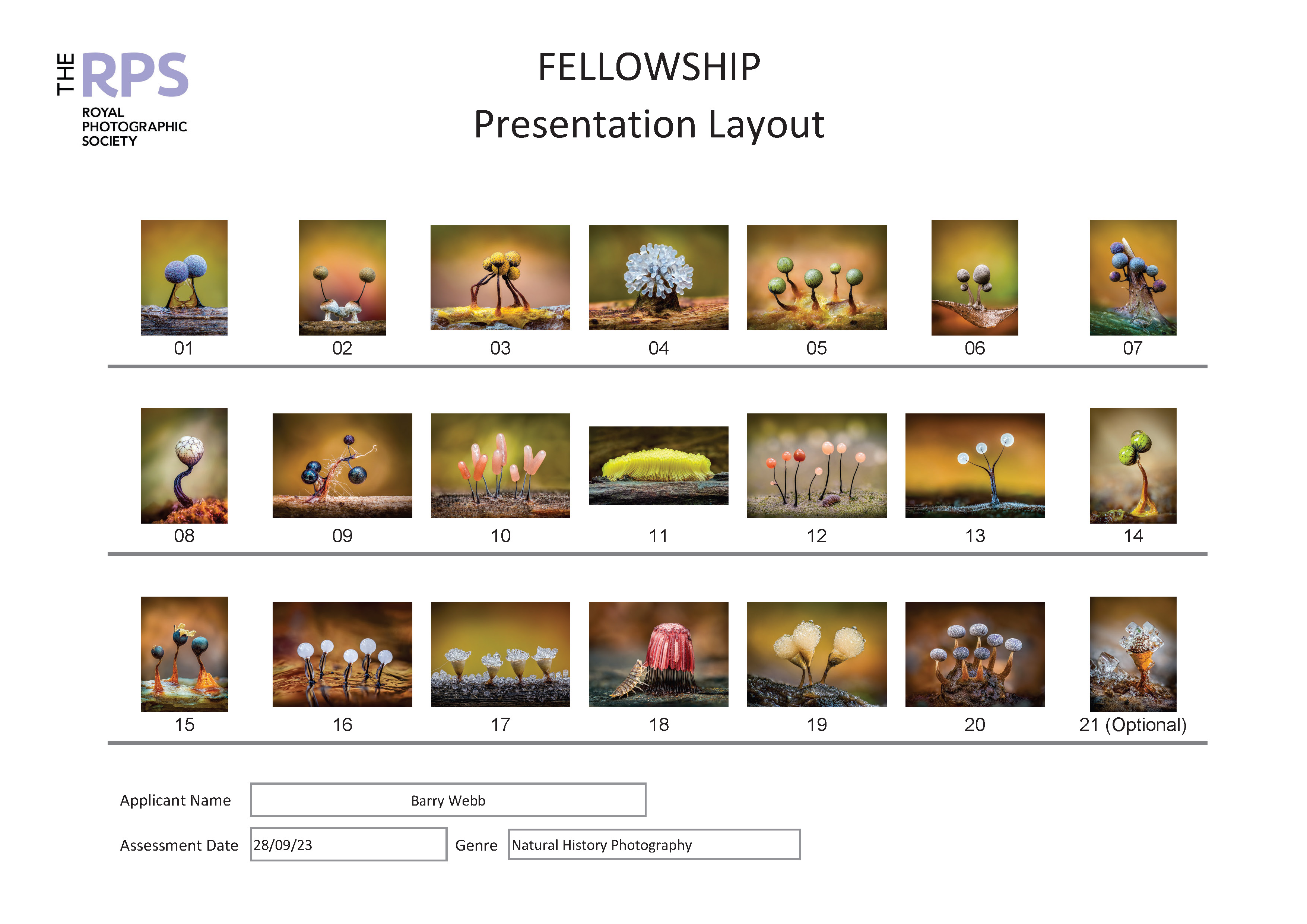
Revealing the Unseen World of Slime Mould
The incredible diversity of shape, colour and form of Myxomycetes (slime mould) is impossible to appreciate with the naked eye, due to their diminutive size. Most of them are only between 1-4mm tall. My intention has been to produce a body of work that reveals their astonishing, unseen beauty and diversity.
Slime moulds are usually found on decaying wood and vegetation; feeding on bacteria, yeasts, fungal hyphae and algae. Their fruiting bodies are ephemeral: changing colour rapidly during their early development. This panel aims to show these different stages of maturation as well as a variety of species.
These slime moulds were growing on a range of substrates on the floor of local, ancient woodland. They were photographed in situ, using entirely natural, unobtrusive backgrounds, to focus attention on the delicate, other-worldly structures of the minuscule slime mould fruiting bodies.
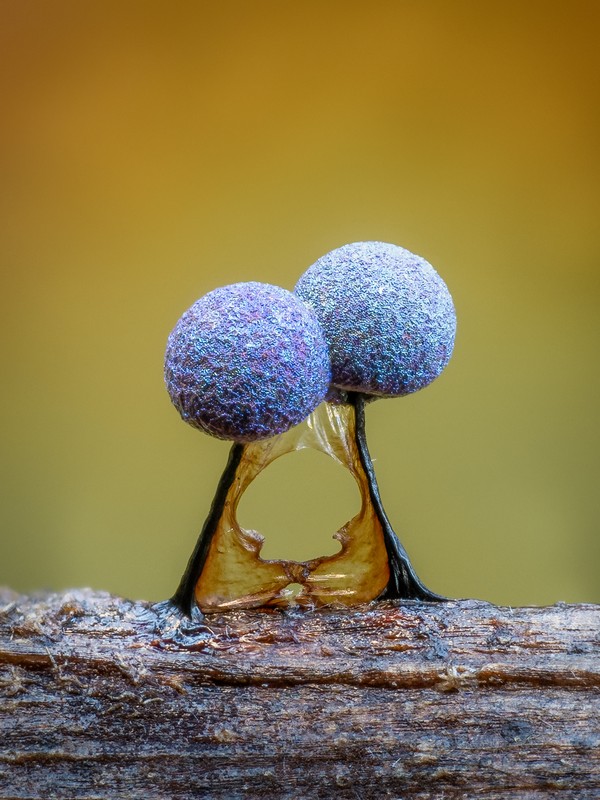
Lamproderma scintillans

Didymium squamulosum & Lamproderma scintillans
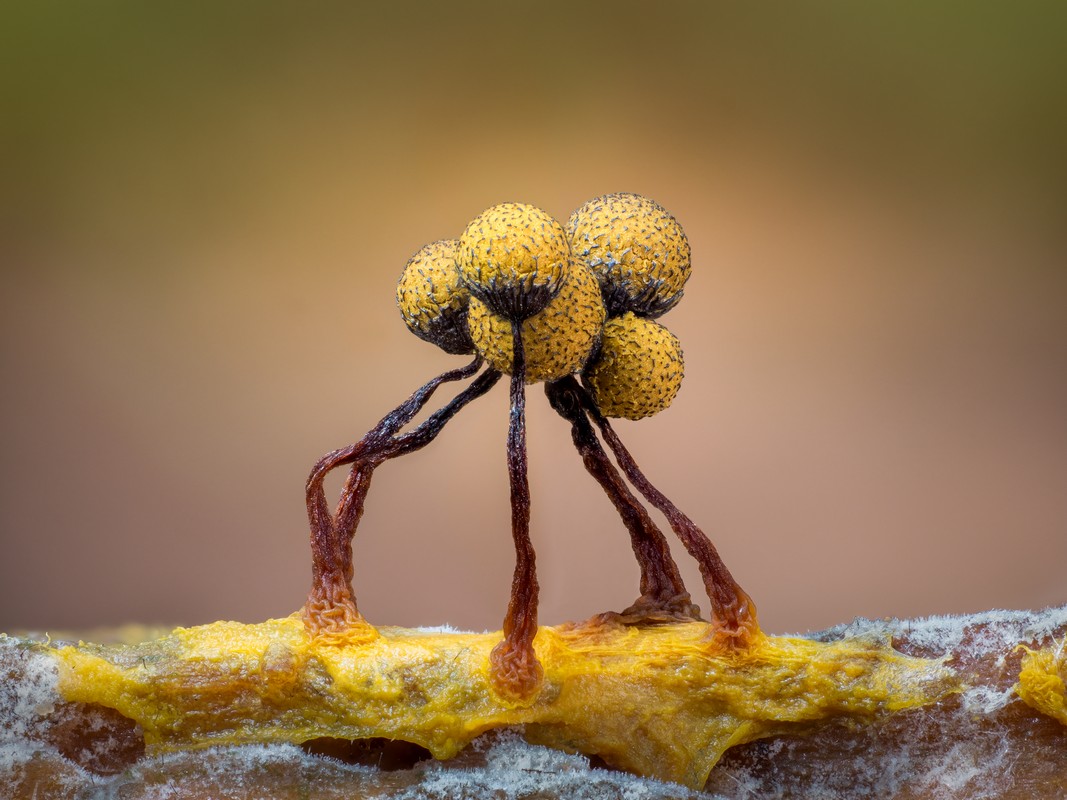
Cribraria aurantiaca
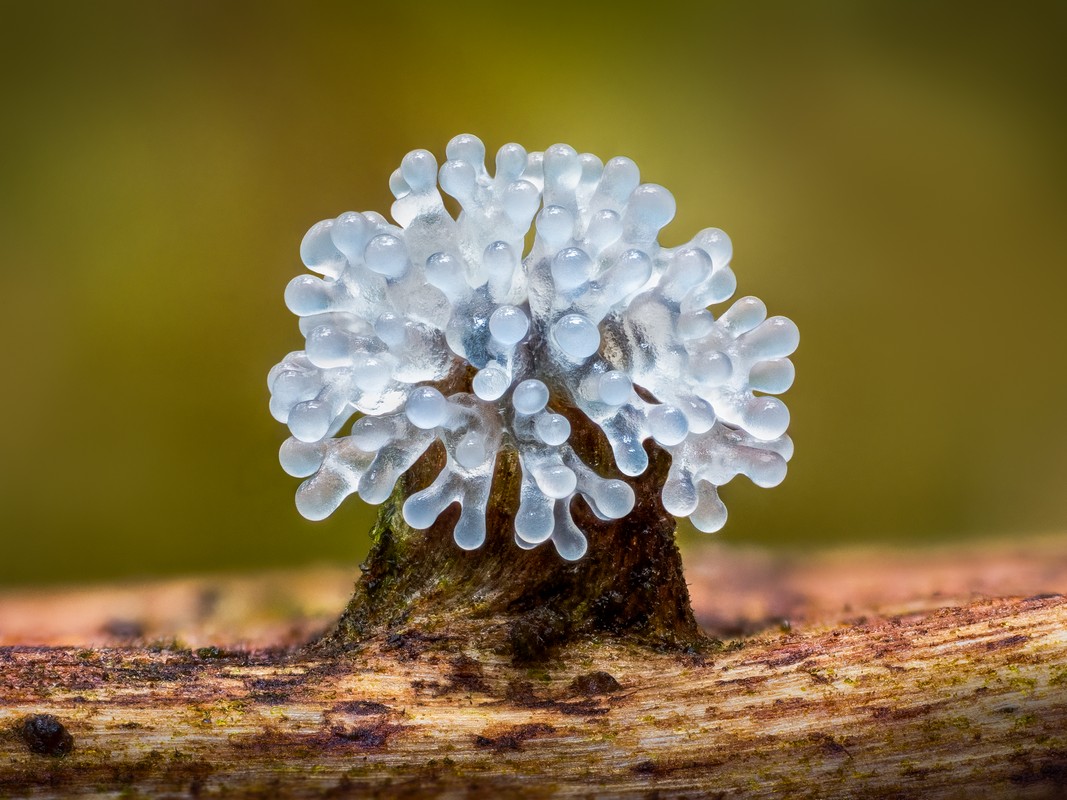
Ceratiomyxa fruticulosa
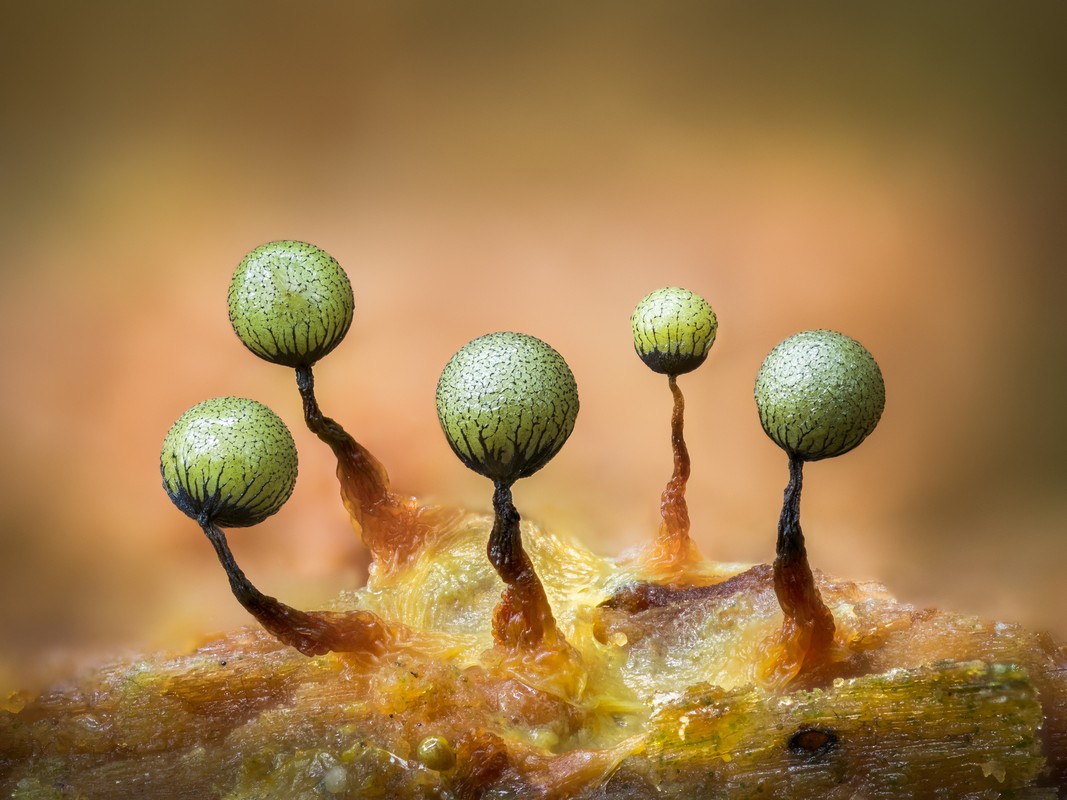
Cribraria sp
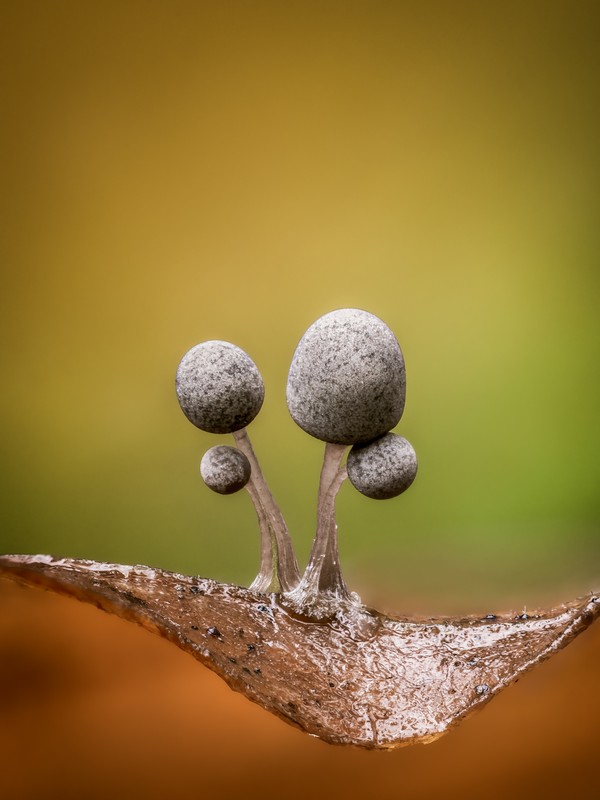
Arcyria cinerea
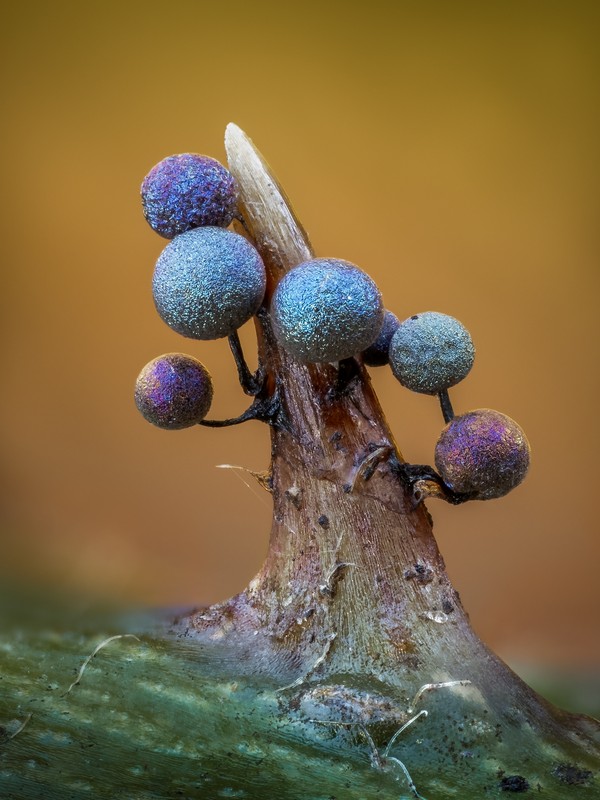
Lamproderma scintillans
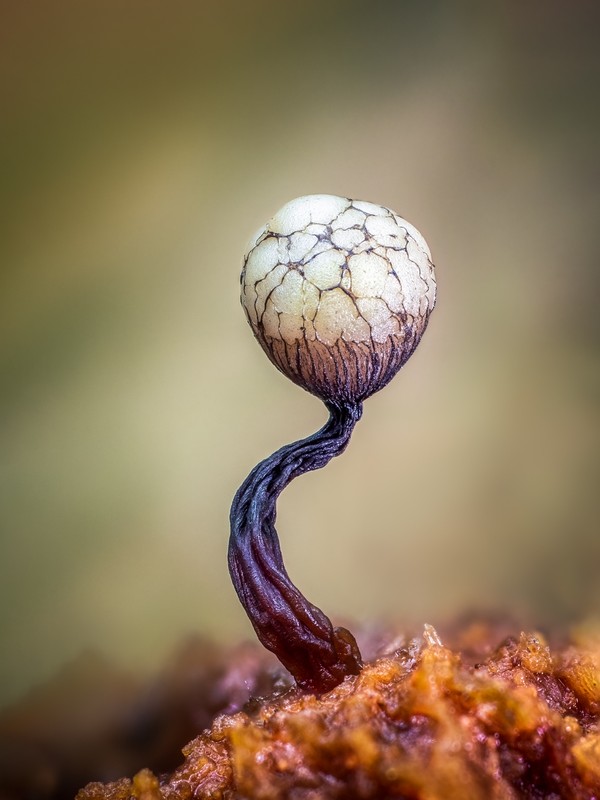
Cribraria rufa
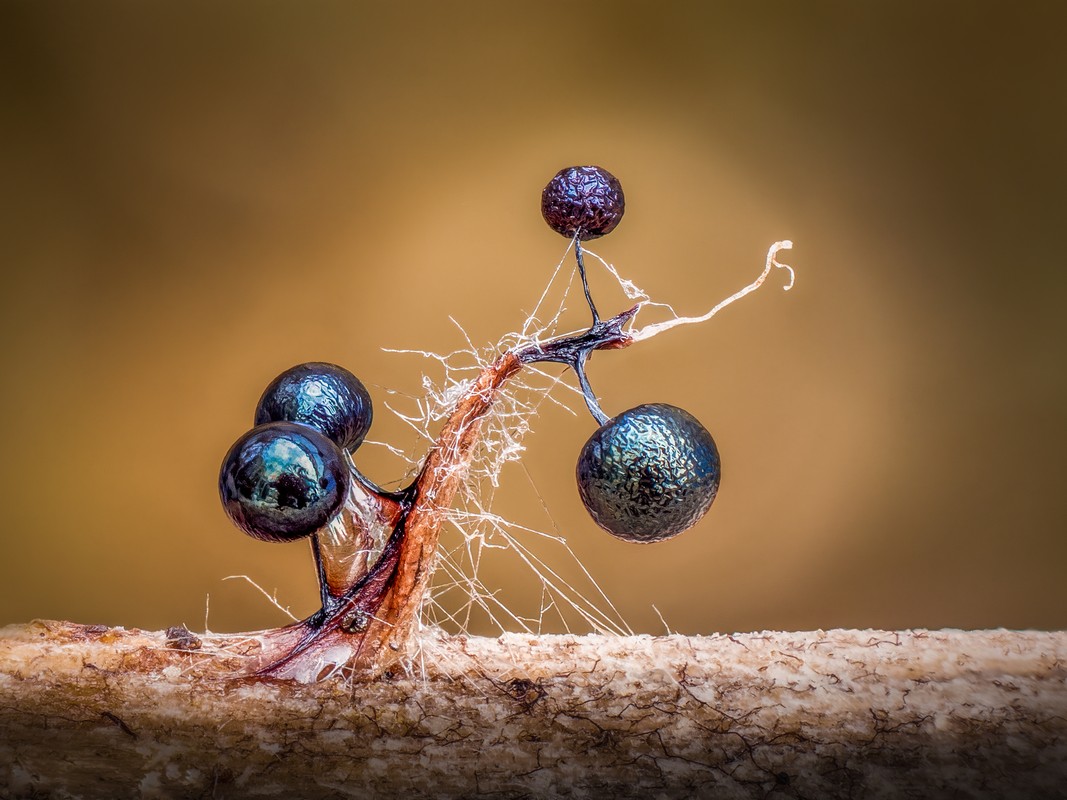
Lamproderma scintillans
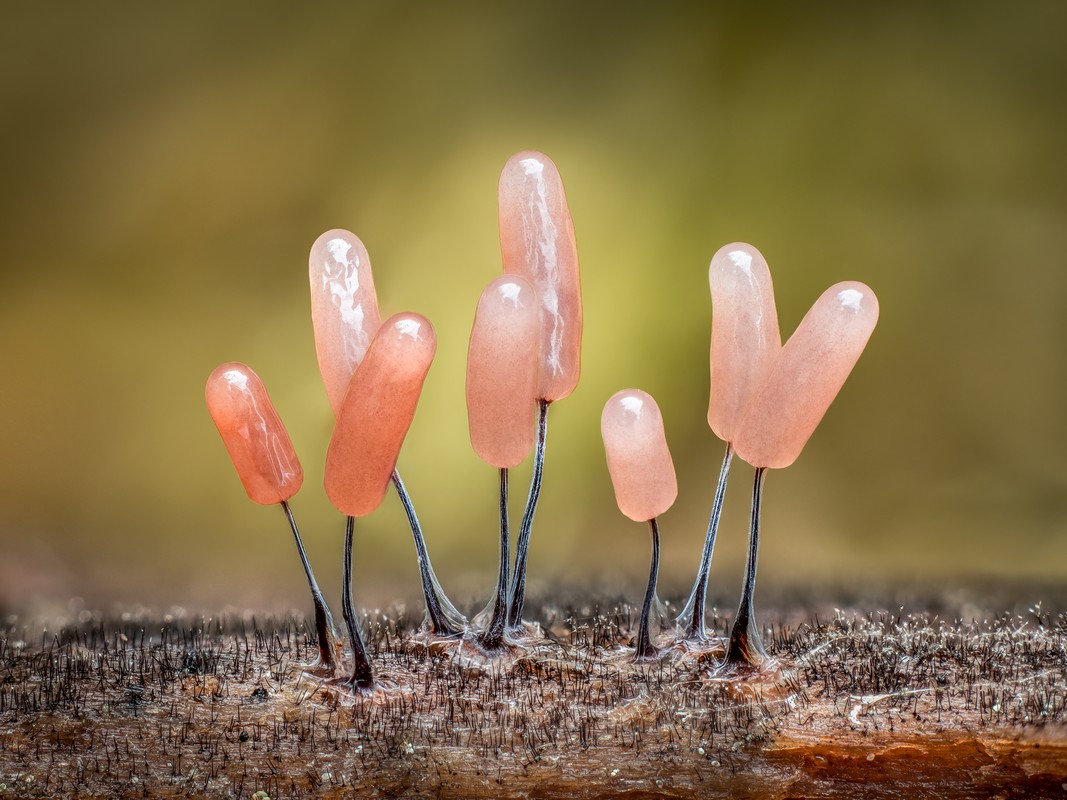
Stemonitopsis typhina
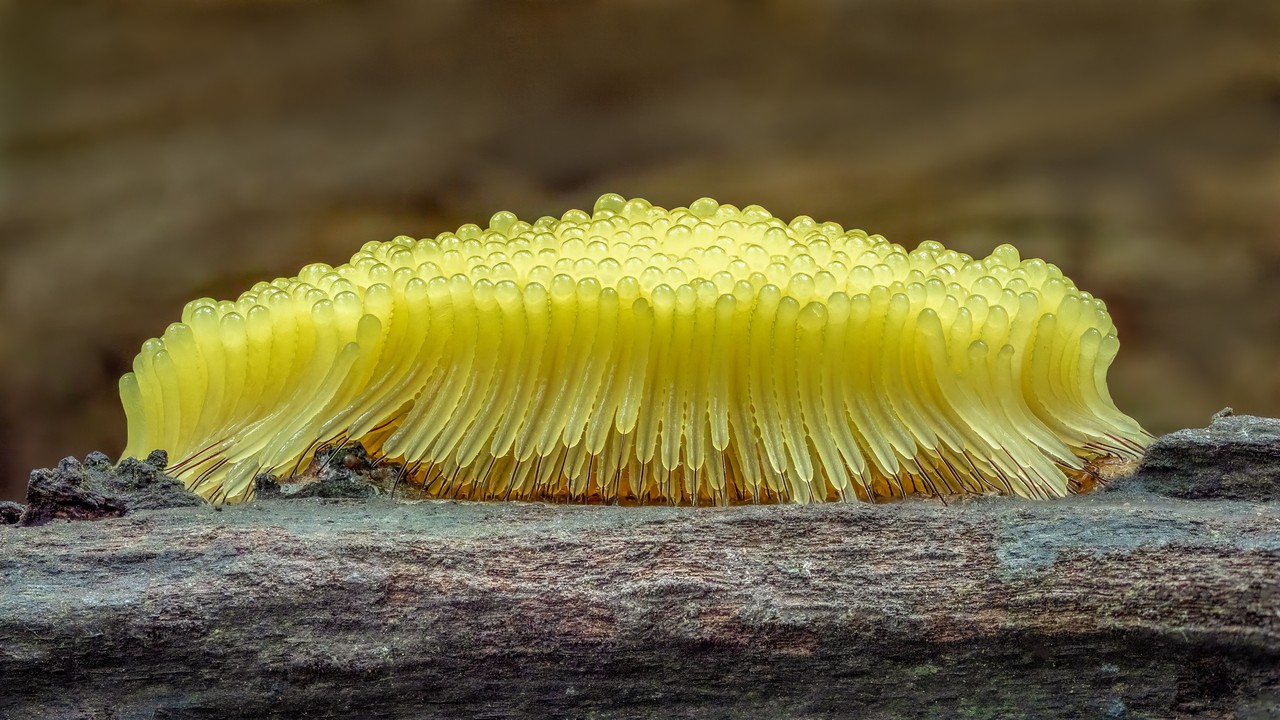
Stemonitis flavogenita
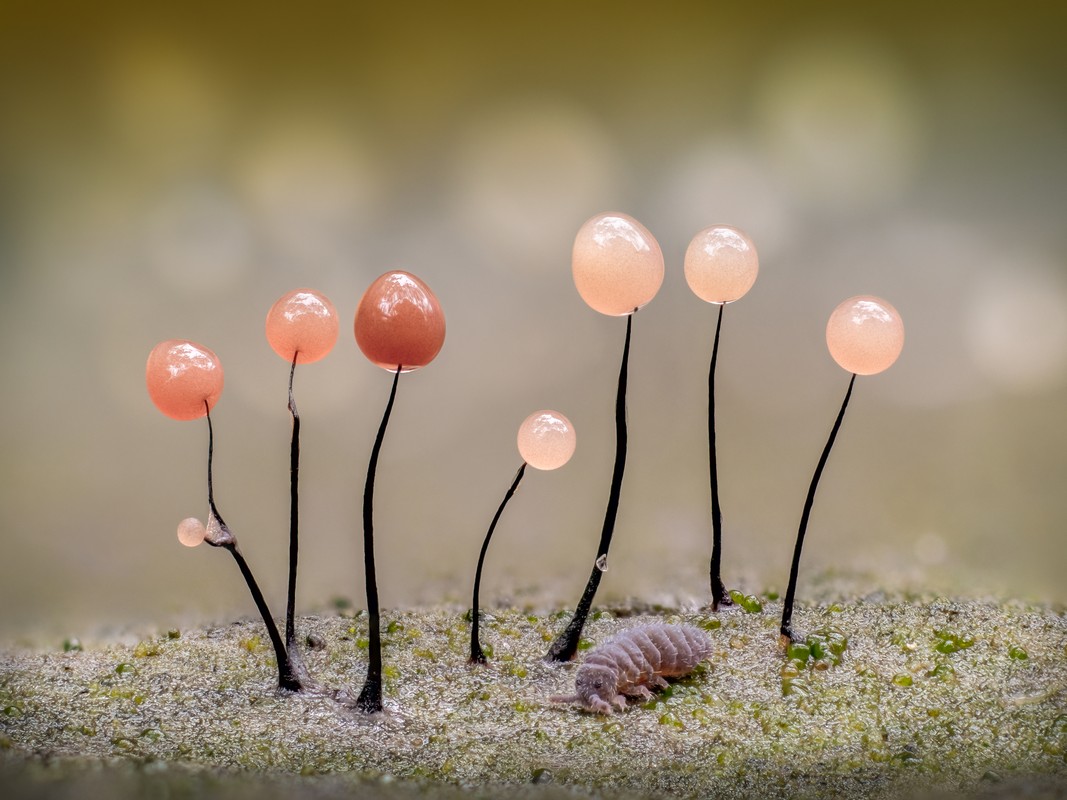
Comatricha nigra
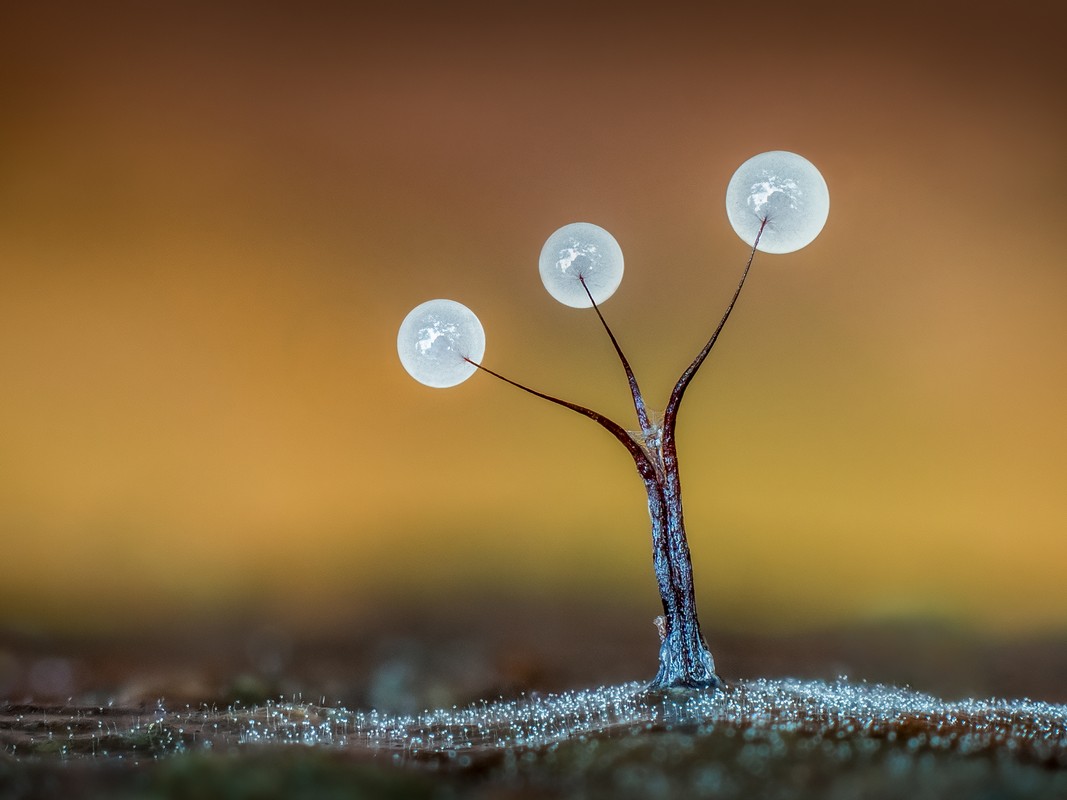
Comatricha nigra
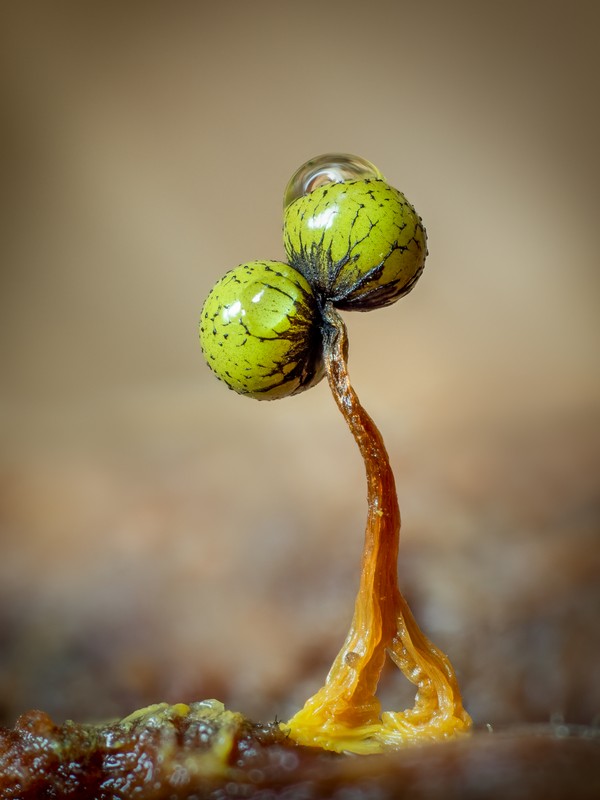
Comatricha nigra
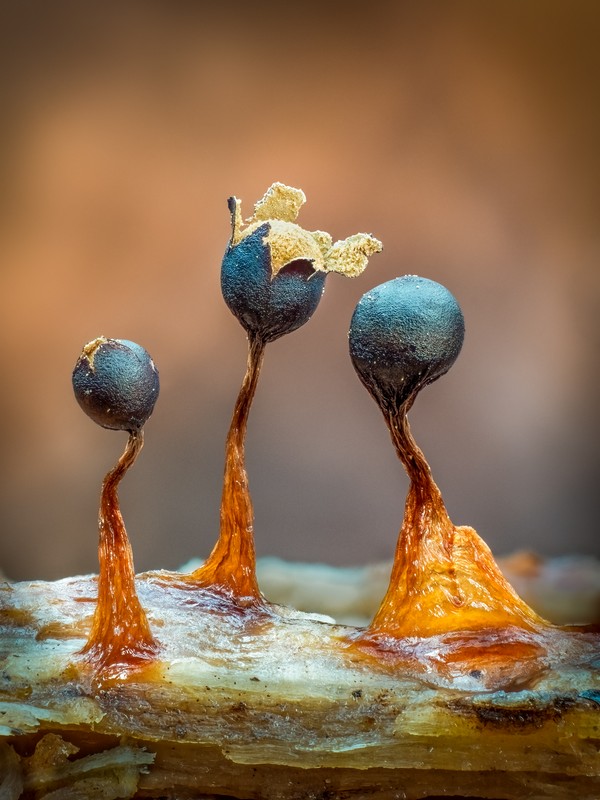
Metatrichia floriformis
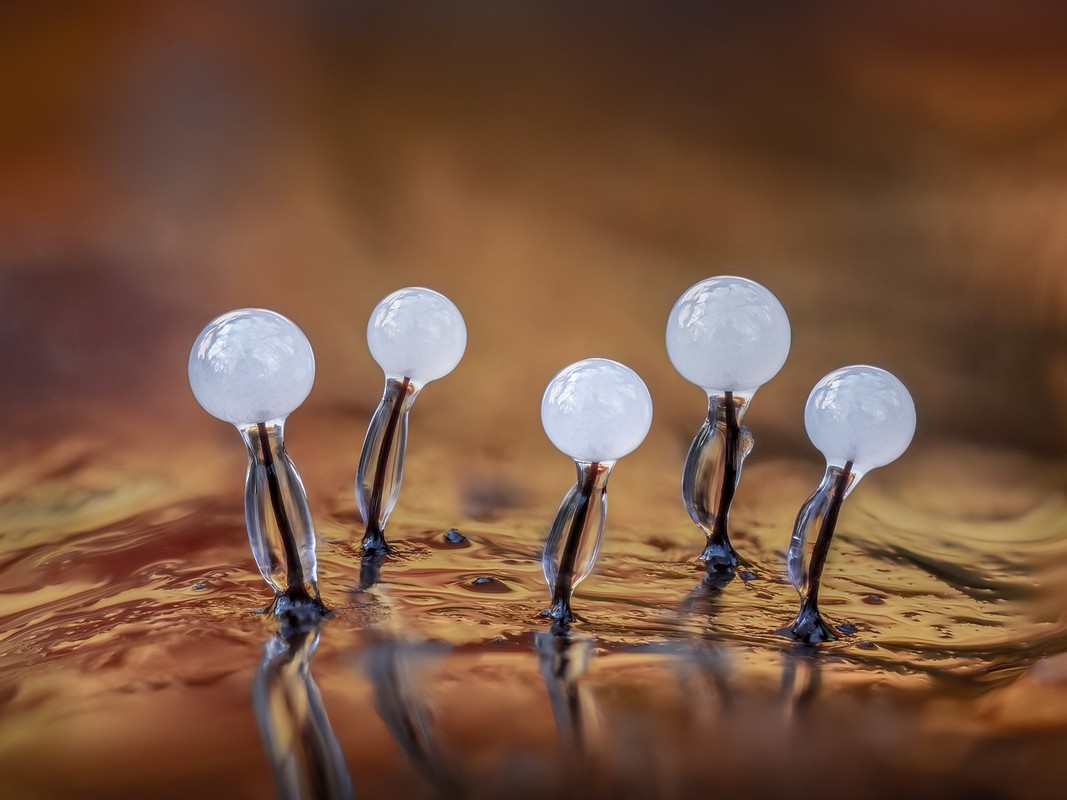
Lamproderma scintillans
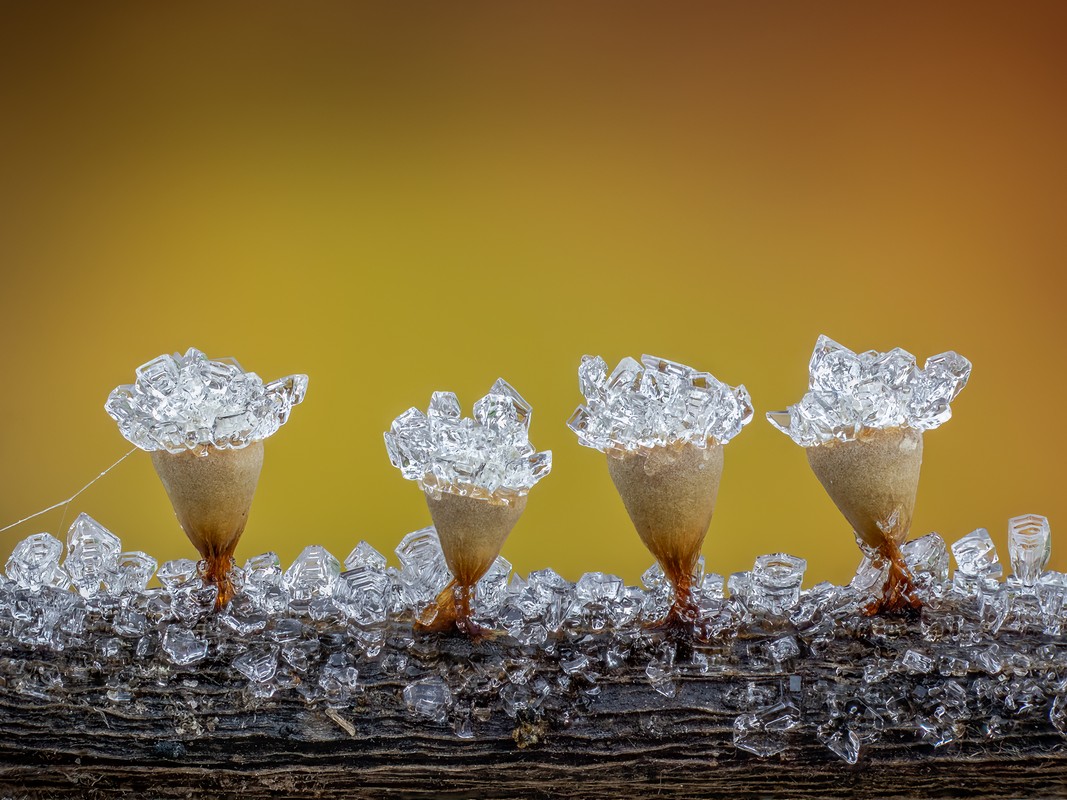
Craterium minutum
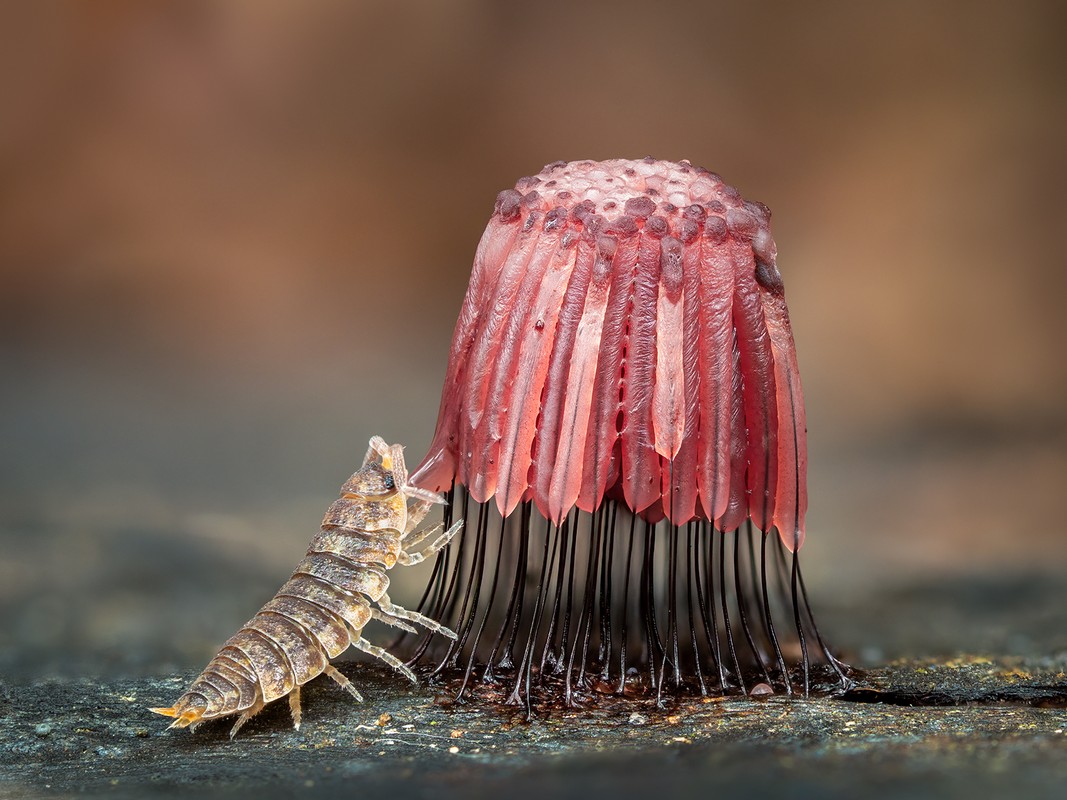
Stemonitis sp and Porcellio scaber (Common rough woodlouse)
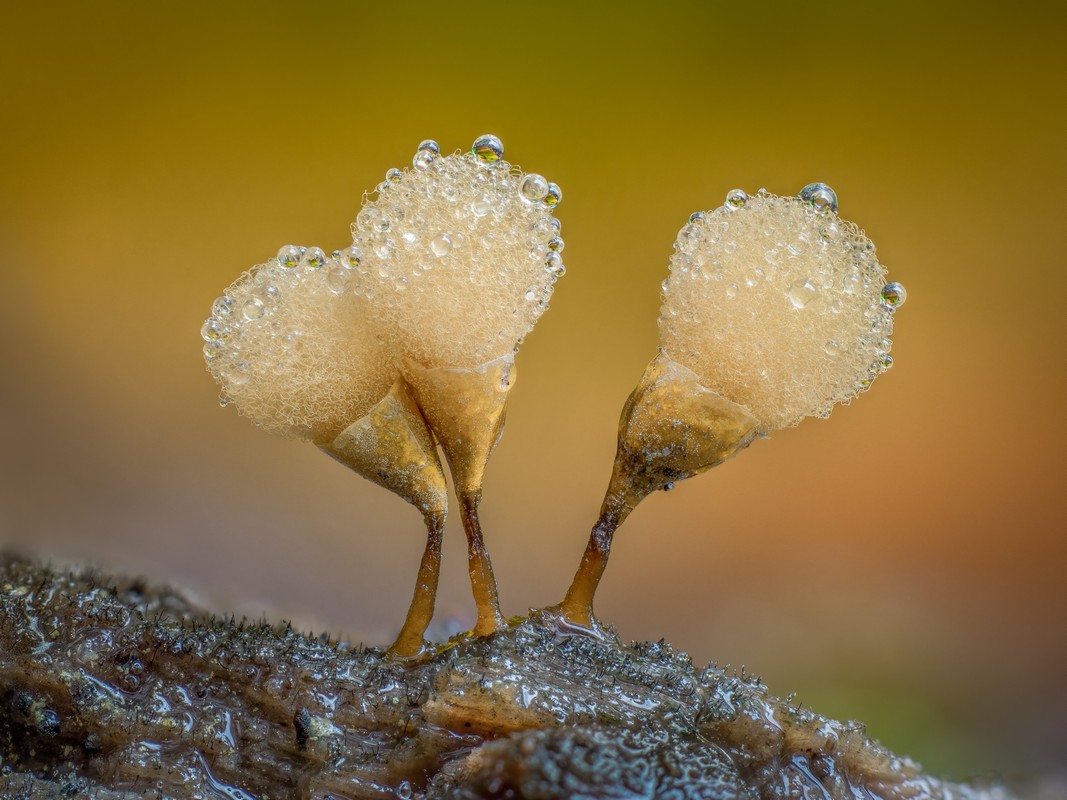
Hemitrichia calyculata
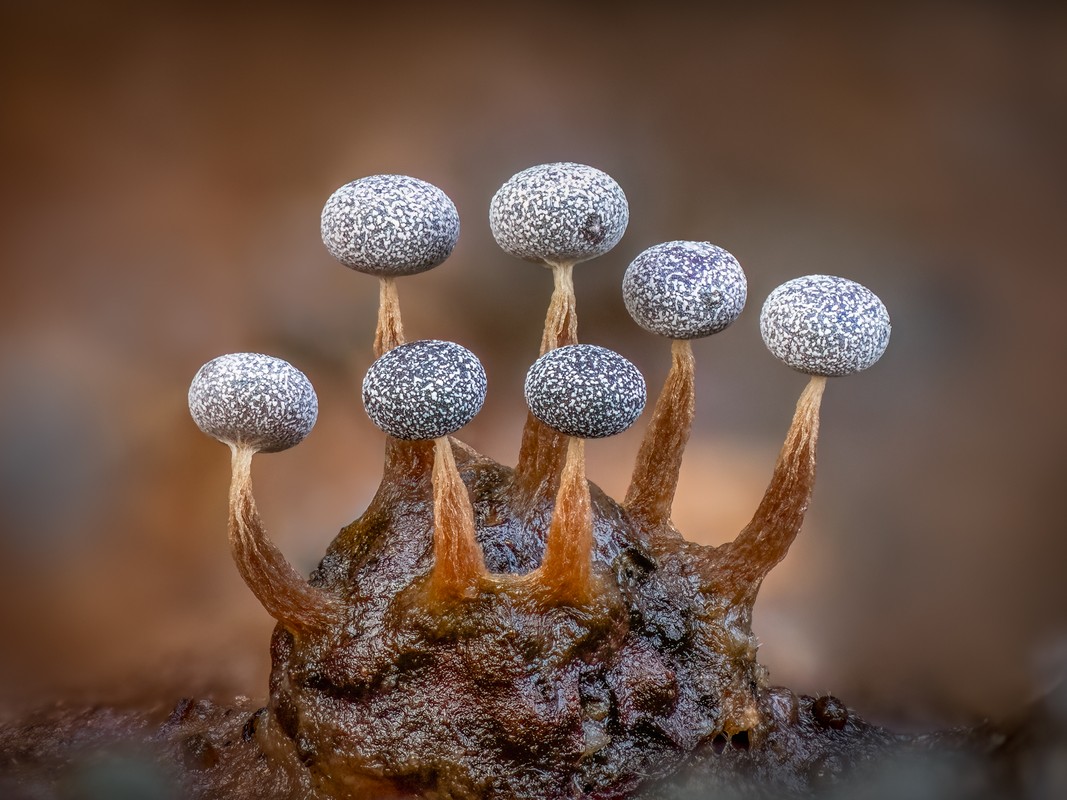
Physarum sp
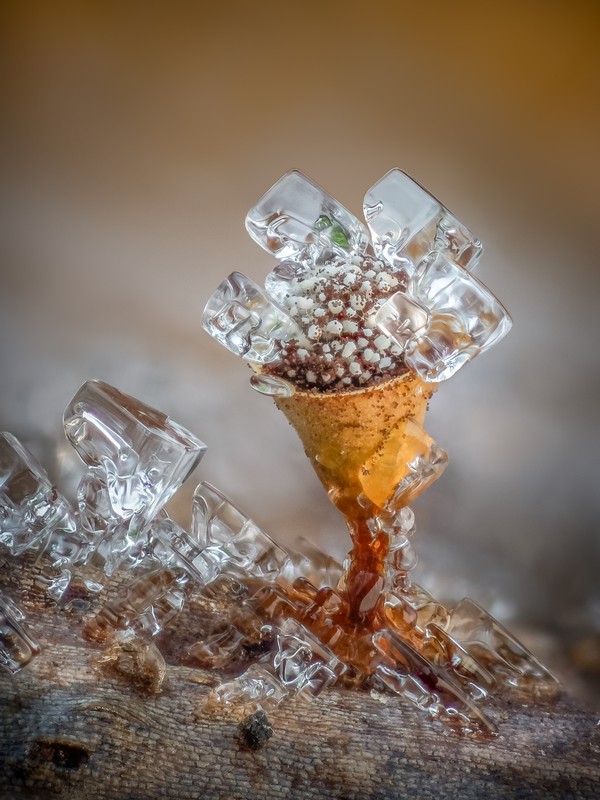
Craterium minutum