
Karen Brickley ARPS
Interview by Frankie MacEachen.
The Surrey, UK-based photographer shares her experience of applying for — and receiving — the Licentiate and Associate distinctions with her outdoor and abstract work.
Tell us about yourself and how you got started in photography.
I am a retired accountant, married with three grown-up children. My degree subject was biophysics so I have an analytical, scientific background. As a teenager, I got interested in photography using my Dad’s camera for photos of family and friends. My husband and I bought an OM2 film camera and developer when I was in my twenties and had fun developing our photos. I bought my first DSLR before going on holiday to Norway but had no idea how to use it.
In 2017, I found an online course called “A Year With My Camera,” run by Emma Davies, which taught photography from the bottom up and had a camera club with a supportive, non-competitive community. It was a breath of fresh air to do something creative. I’ve also attended many courses and workshops and have taught myself using online resources.
Who were your earliest influences and how have they shaped your work?
Initially, I wasn’t aware of many photographers; I was more interested in art. I like the illustrative style of Edward Bawden and Eric Ravilious, but also the movement you find in a Turner painting. Loving the sea, I was attracted to photographers like Rachael Talibart and Margaret Soraya. The first photobook I ever bought was Shaped by the Sea by Theo Bosboom which focused on small details and abstracts. All three photographers influence how I photograph. Sandra Bartocha and Werner Bollmann’s book Lys opened my eyes to a different kind of landscape photography, one that resonated with me.
You describe yourself as an “outdoor and abstract photographer”. Do you start with a concept or do you respond to situations presented to you?
When I go out with my camera, I'm very aware of my surroundings. A lot of the time I just see what interests me and take it from there. If I’m working on a project then I go out with much more purpose. Generally, though, I'm quite spontaneous.
You have been awarded both the Licentiate (2019) and Associate (2023) distinctions. What inspired you to apply for the Licentiate?
I’d heard of the RPS but wasn't a member before I applied for the distinctions. I knew of the FRPS and Hon FRPS letters but was unaware there were several levels of distinction. In the camera club, we work on a big project each year and one of the suggestions was to go for an LRPS. I wasn’t specifically looking for validation but thought it would be a good way to peg my progress having started afresh in 2017, and I liked the idea of compiling a cohesive panel of 10 images.
Tell us about the LRPS process and your journey to Licentiate status.
I checked the RPS website for guidelines and researched both successful and unsuccessful panels and blogs written about the process. I attended an advisory day as a spectator to understand what the assessors were looking for, such as not having any blown highlights, cropping considerations, etc. I went through my archive to try to put some panels together and signed up to show a panel at an advisory day. You learn a lot about what the assessors are looking for by observing and listening to the feedback given to all those participating. Only a couple of images from that session made the final panel. I hadn't done any printing before and learned about this for the LRPS. I chose to have the images printed externally.
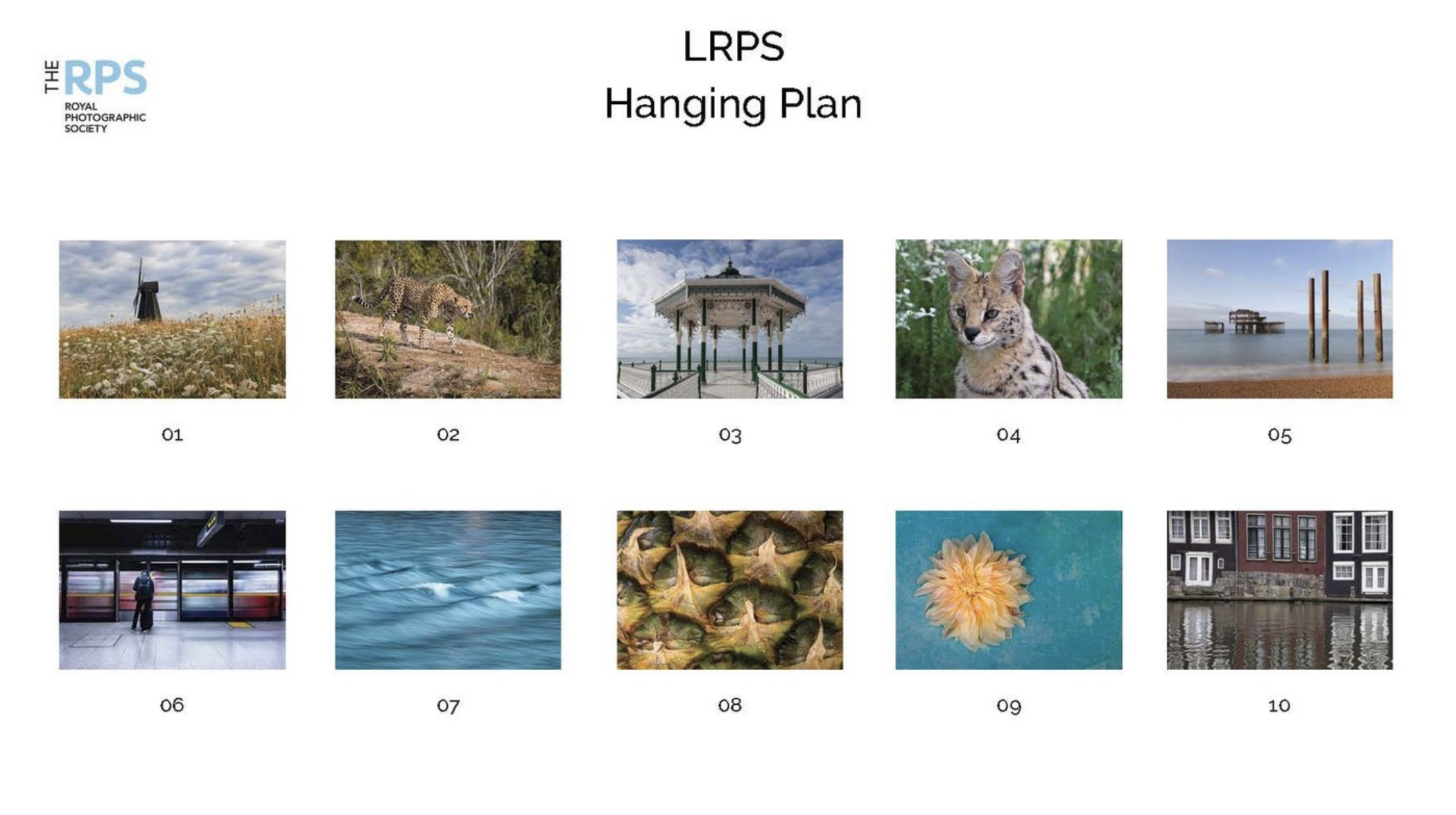
I need to work to a deadline, so I booked an assessment after the advisory day. Before that, I submitted a set of 10 photographs and five spares for online advice. There was no dialogue, just a written critique. The feedback was pretty dreadful, and I was somewhat crestfallen. Once I got over that I went through each of the images, noting down their technical details so I could identify which criteria were being met and those I was missing.
I sent my images to Bristol and went down for the assessment day. I was first up and had no real expectation of success. However, the assessors were positive and complimentary about my panel. It was very nice to hear my name read out, which meant that I had attained the distinction.
How did you choose your 10 images and what did you need to consider in putting your Licentiate submission together?
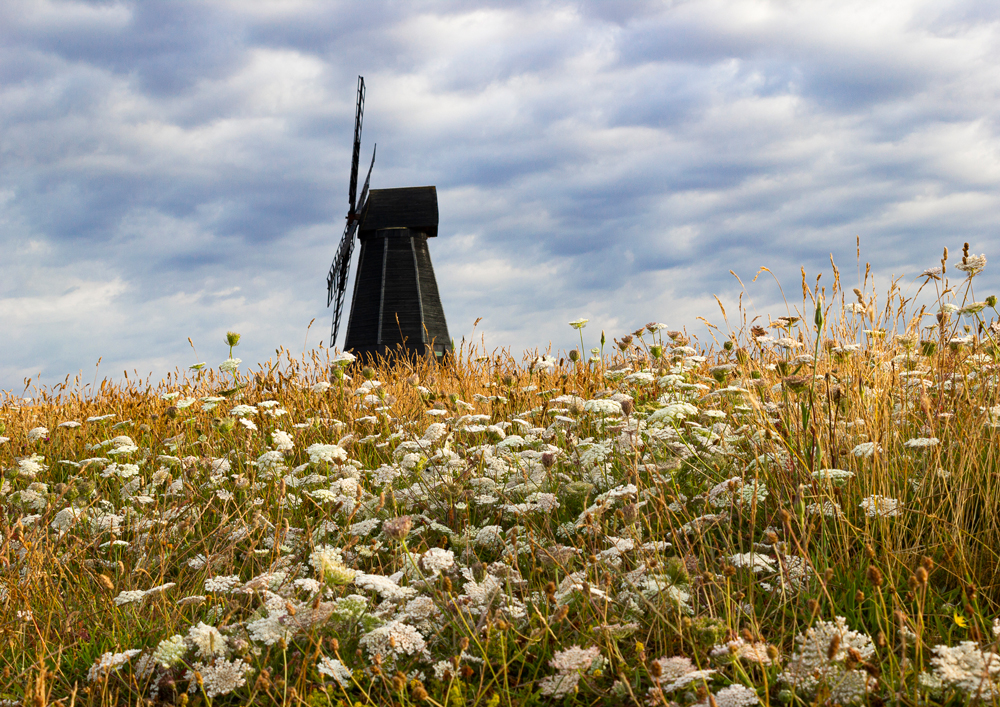
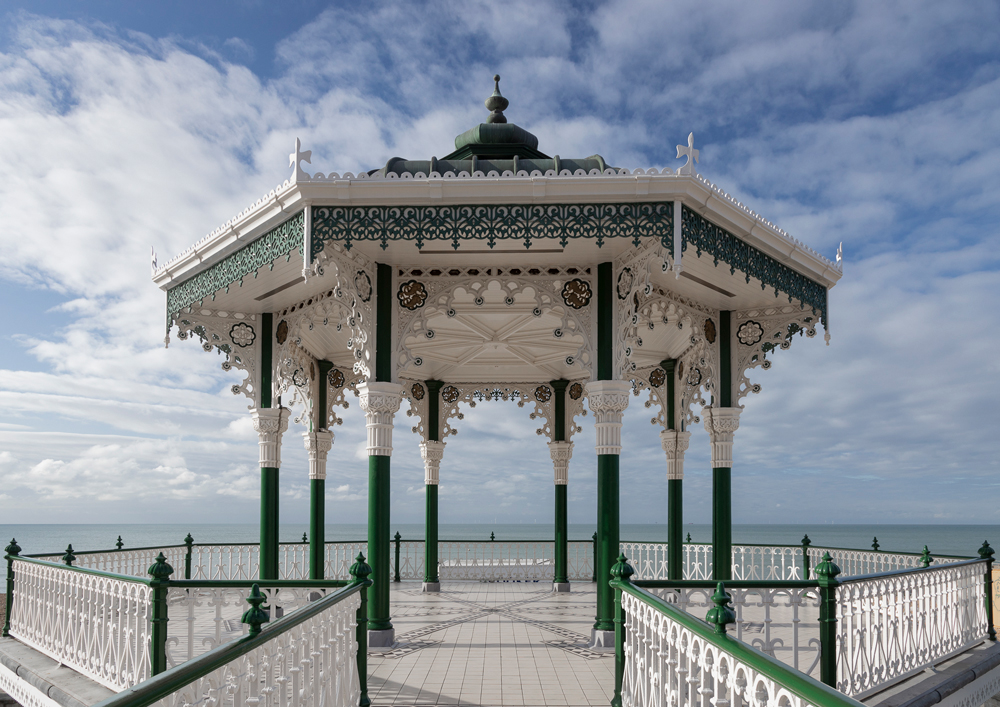
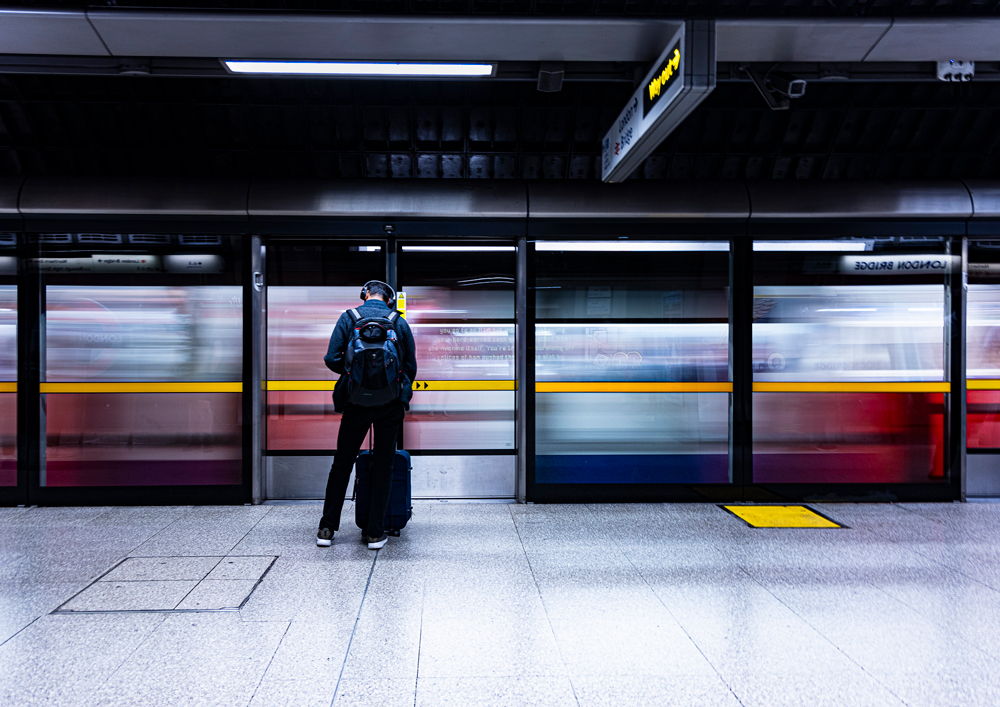
I started going through my archives and initially picked images on the basis of colour as I was looking for cohesion. I chose blues, greens and golds. I took some shots while on holiday in South Africa — the two “big cat” images made it onto the panel. After the online feedback, I went through an analysis process which helped me identify what I needed in terms of further images. A visit to Brighton gave me the Windmill, Bandstand and Pier images. I didn't decide on the final shot — of the houses by the canal in Amsterdam — until the day before I had to send everything to be printed.
In arranging the panel I thought about pairs of images, for instance top and bottom row, along with the four corners. I tried to get a couple of triangles going around the middle and a strong image for the centre. It helps to arrange images to look in towards the middle and create echoes among colours and shapes. I had the images all printed the same size and on the same paper and mounts to aid cohesion.
How challenging was the Licentiate process?
The challenge was understanding what was needed and how the work would be assessed. I also had to learn about printing images. By the end of the process, I felt it was a bit prescriptive and wanted to do something different. In fact, I didn't use my camera properly for a couple of months afterwards. When I did I wanted to do something for me, rather than to tick boxes. The whole Licentiate process took me about 10 months.
What was different about preparing a submission for the Associate distinction?
I knew I wanted to go for the Associate as soon as I achieved the Licentiate. For the ARPS you have to choose a photographic genre; I chose Visual Art. The panel size increases to 15 images and the other difference from the LRPS is the requirement for a written statement of intent (SOI). This explains what you want to achieve with the panel and why you made the images you are showing. The assessors constantly refer back to the SOI, so the images must demonstrate your stated vision.
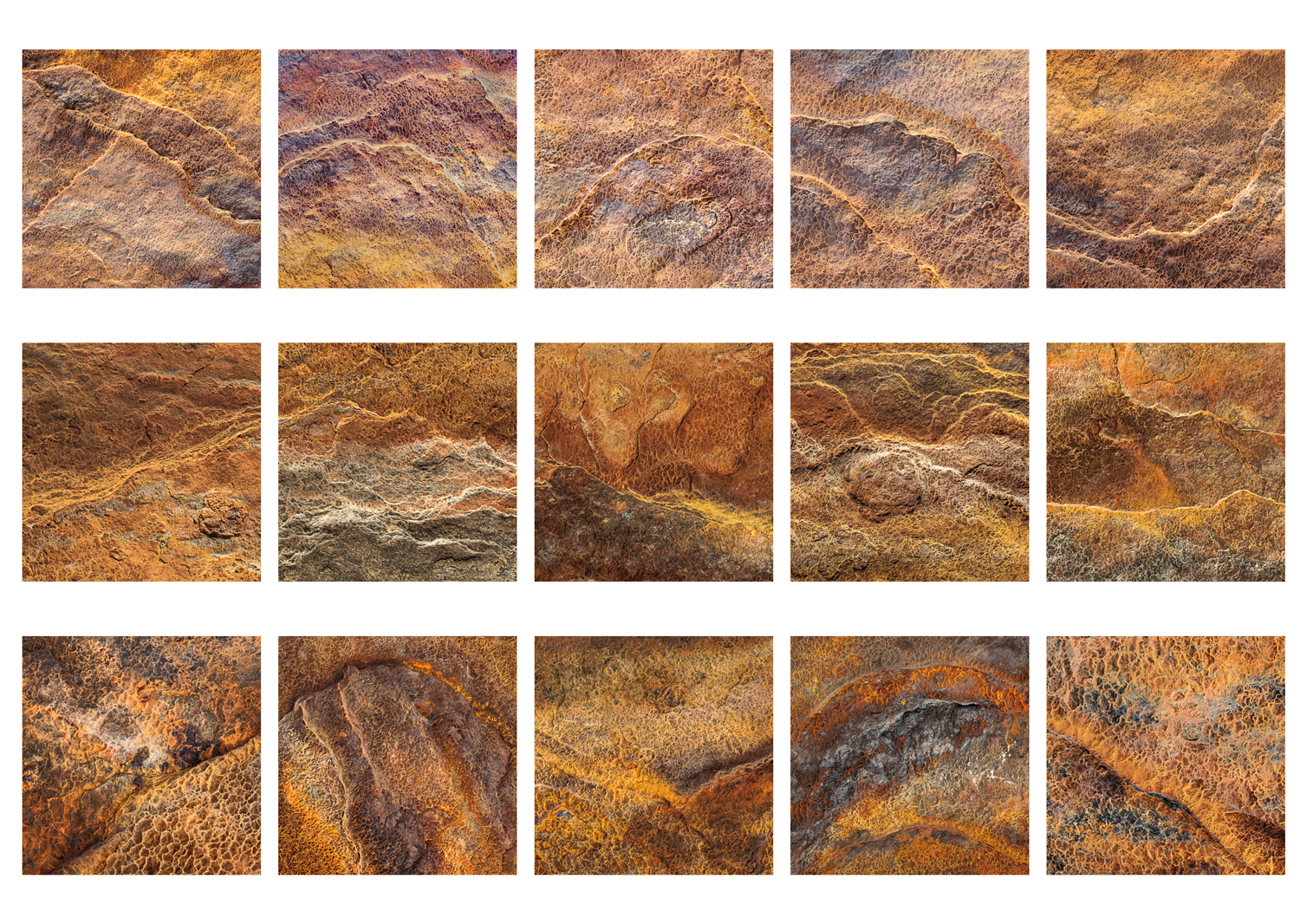
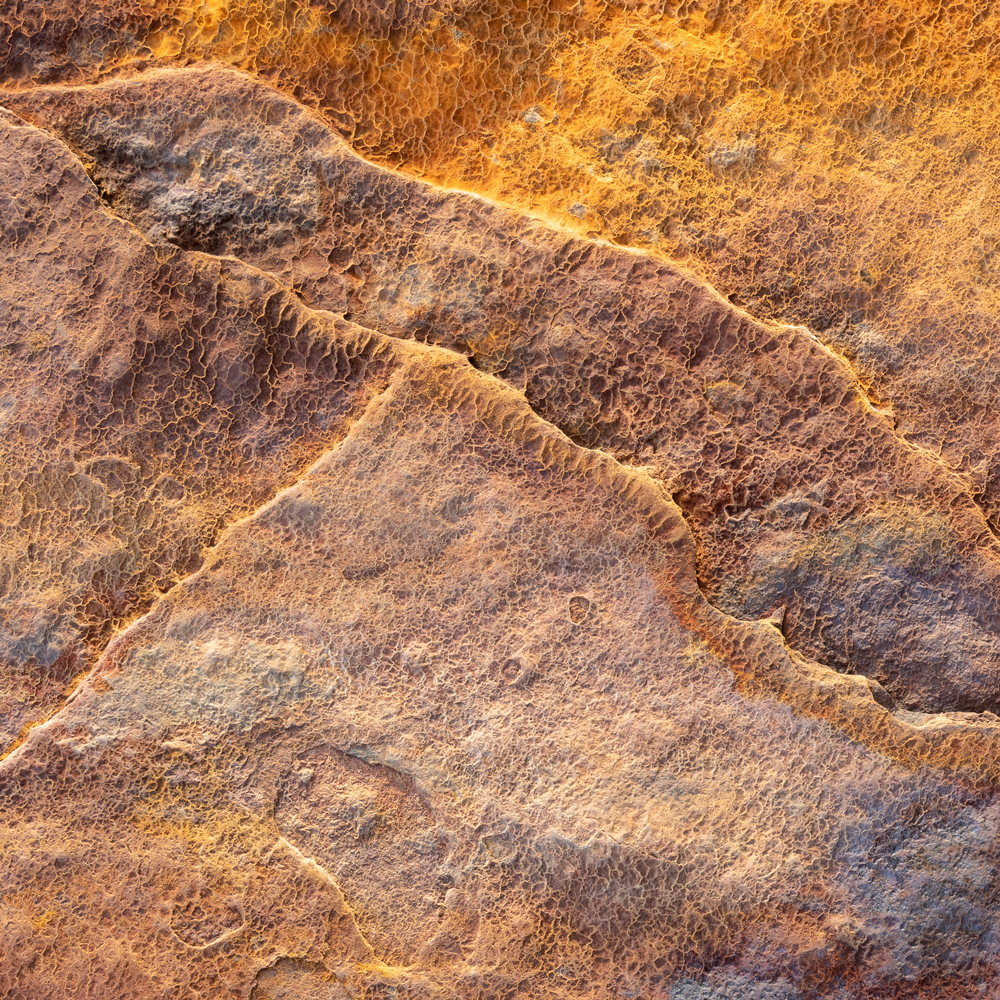
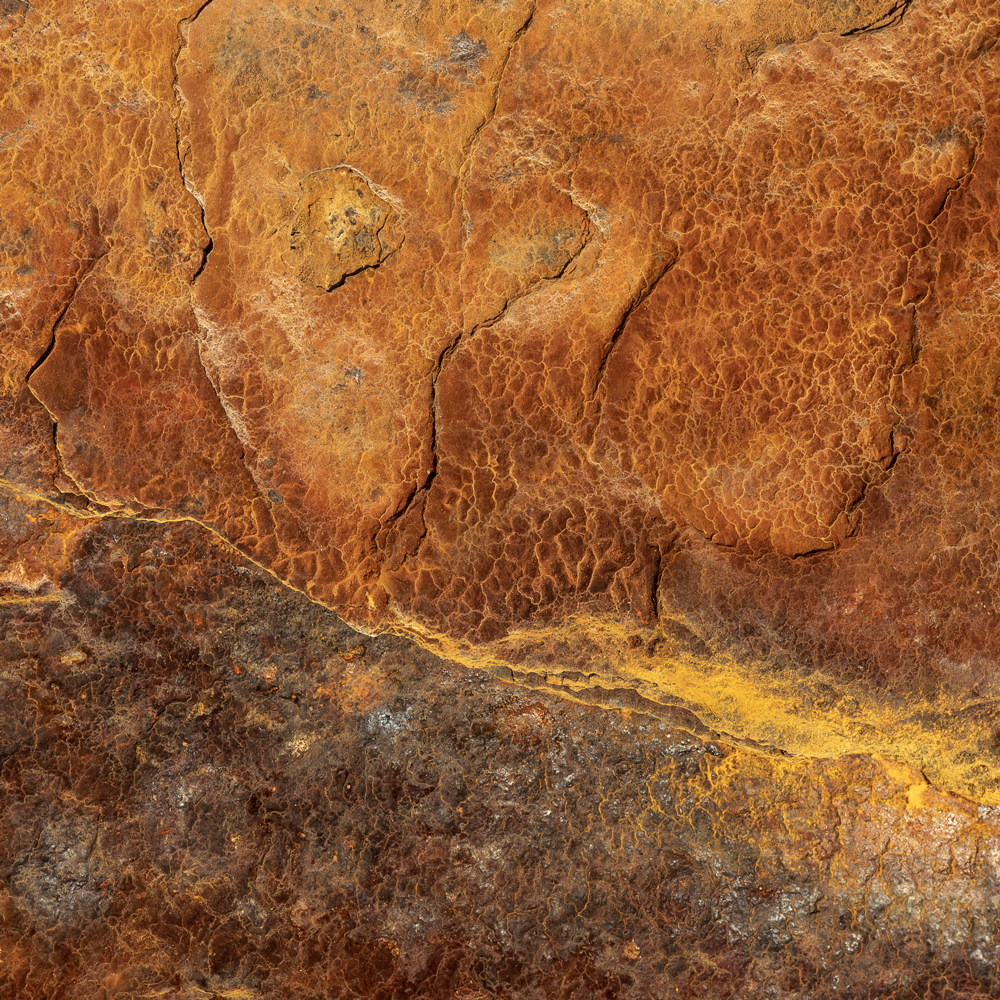
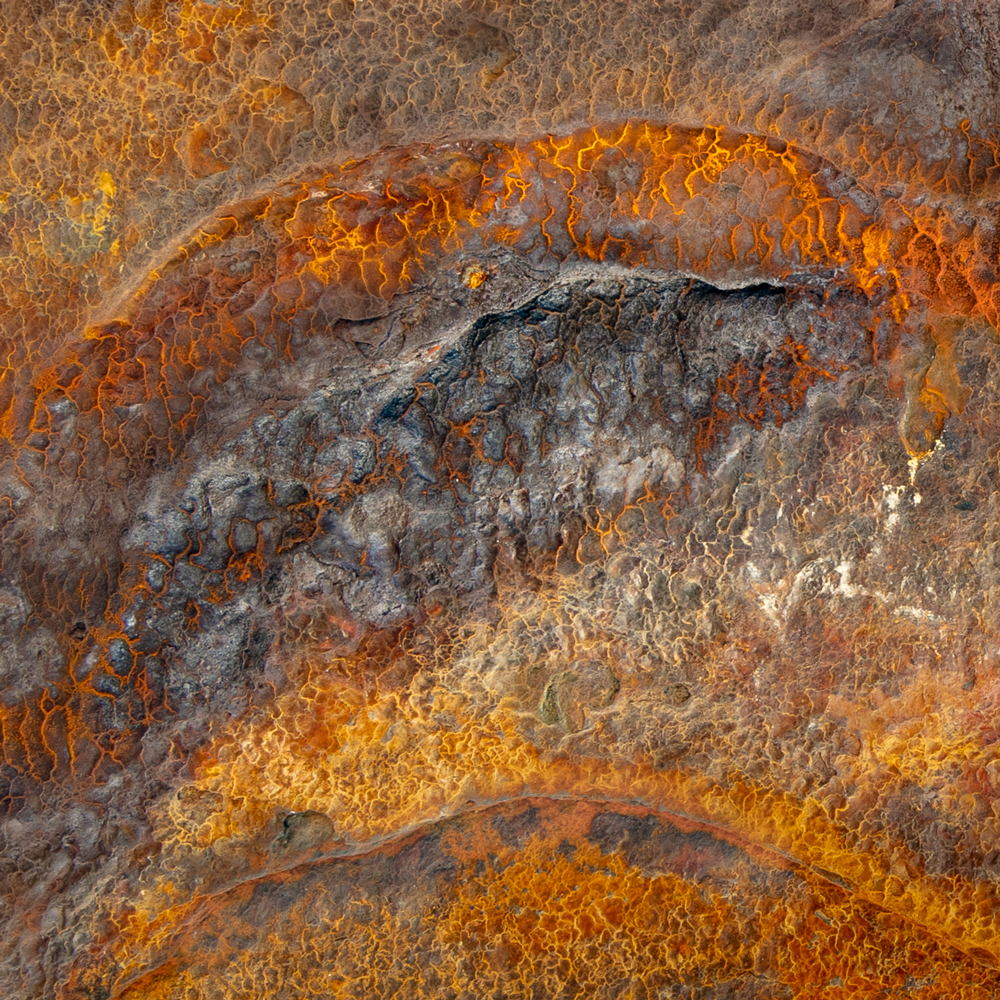
Coming up with an idea took a while because I wanted a project to come to me and then consider if it would work for the Associate. I knew I wanted the panel to be about the sea. I hadn’t anticipated it would be about sea rust but it was the colours and textures on the sea wall at Seaford that caught my eye whilst on the beach there. The challenge was keeping everything cohesive but not repetitive. The panel images must work together, but not be so similar that they all look the same. This time I did all the printing myself and I really enjoyed having complete control of the final outcome.
It took two years from having the idea to being awarded, at my second attempt, with an amended panel. I thoroughly enjoyed putting the panel together and finding all the different colours, textures and patterns. I have subsequently shown some of those images in an exhibition in London.
Did you receive ongoing support and advice either online or one-to-one?
The RPS London Region runs a group to talk about distinctions. When preparing for the Associate qualification, I put forward my ideas to the group and received a positive response. I had two one-to-one sessions — one to discuss my SOI with a few images and a second to review my draft panel. The panel was considered ready for submission, although I was unsure about a few of the images.
I wasn’t successful at my first attempt, but was deemed close to the required standard so was offered a resubmission. The panel failed on the images I had questioned at the second one-to-one. I wished I’d gone with my gut instinct.
I replaced five images for the resubmission and had a further useful one-to-one on the amended panel, which was successful.
For both distinctions, I had support from family and friends and the camera club. There are a lot of people willing to offer advice but I would probably just start with two or three people whose opinions you value.
What advice would you give to photographers thinking of applying for a distinction?
Go for it if you're thinking about it. The Licentiate made me feel as though I was a competent photographer, and the Associate let me explore my own creative vision. Doing both has enhanced my photography and will lead to new projects.
You must be prepared to take criticism. The assessors are blunt, but think of that critique positively and it will help you. Do read the guidelines and criteria carefully, and book a one-to-one session for detailed advice. It can feel daunting but if the qualification is to have meaning, standards must be maintained.
I have learned a lot about myself and my photography. I thoroughly enjoyed the process for both distinctions and would recommend it.
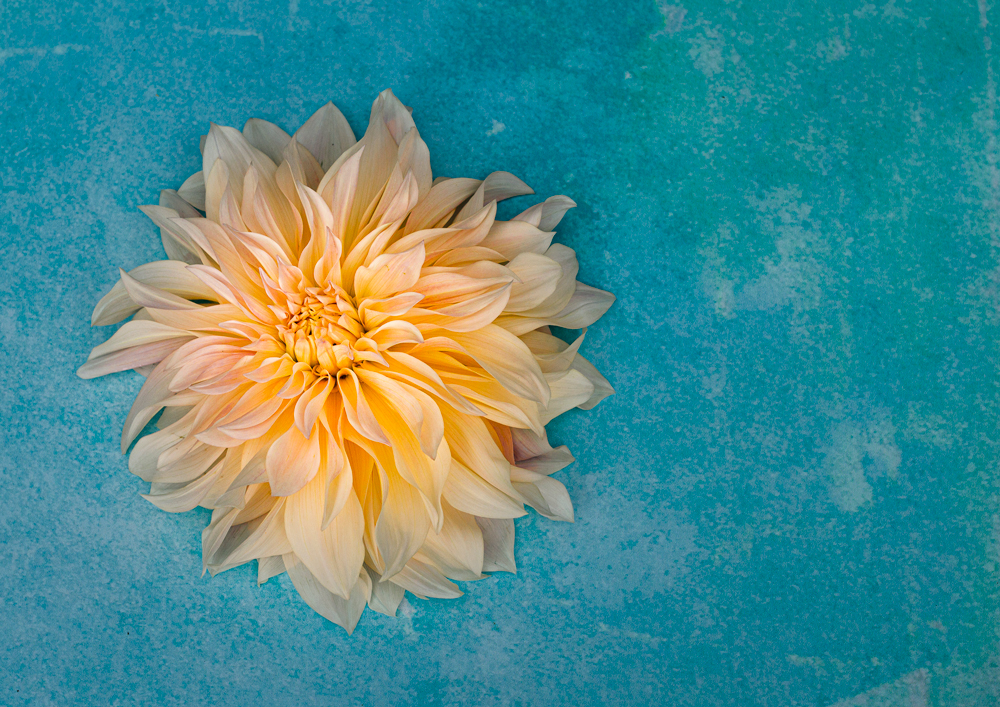
Header Image: Dahlia © Karen Brickley ARPS
Learn more about distinctions on the RPS website.
About Karen Brickley ARPS
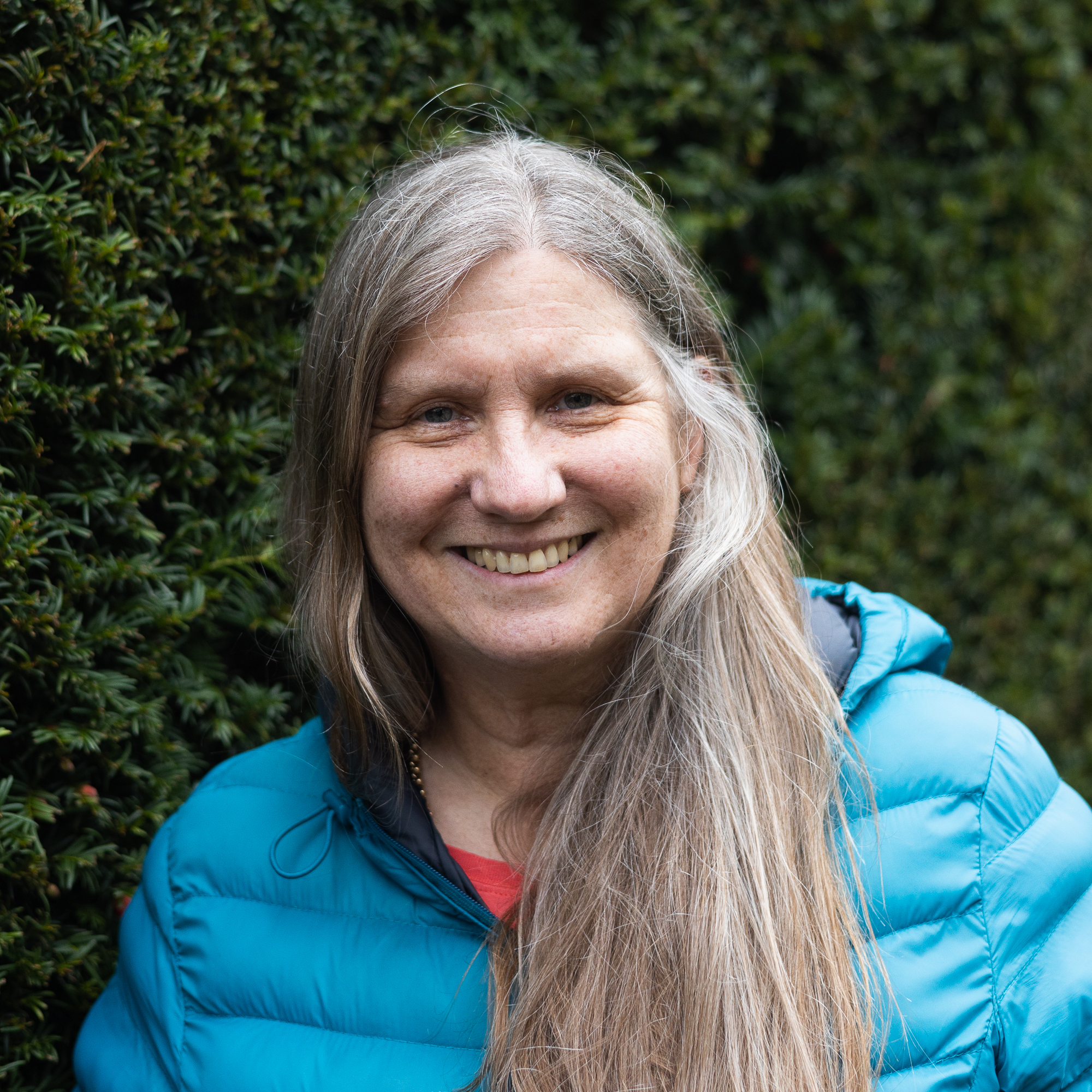
Karen Brickley is an amateur photographer living in Surrey. Seeking an antidote to the analytical skills of her day job in accountancy, she re-ignited her interest in photography by signing up for an online course in 2017 and was immediately hooked.
Karen relishes the mental peace that comes from being outside with her camera. Happiest near water and especially the sea, she seeks out images where others may not. Naturally drawn to order and pattern, she also likes to experiment with creative techniques.
The winner of the Urban Life category of LPOTY 2021, Karen has participated in exhibitions across the UK. She enjoys developing ideas into projects, often bringing these together in a book. Her current work explores how listening to music whilst photographing influences the look and feel of the final image.
Website: https://www.karenbrickleyphotography.com/
Instagram: https://www.instagram.com/karenbrickleyphotography/
This article was first published in the March 2025 edition of WE ARE: The RPS Women in Photography Magazine — explore the full issue below.
Become an RPS Women in Photography member
If you are not an RPS Women in Photography group member, we invite you to join our community of passionate photographers. By becoming a member, you can participate in exciting competitions, gain exposure through features in our prestigious WE ARE Magazine, and enjoy numerous other exclusive benefits.
We extend a warm welcome to photographers of all backgrounds and experience levels.
← Visit the Women In Photography homepage, to find out more about us and what we get up to!