
In Our Hands: Stories of the Environment, a photography project for RPS Women in Photography
This thought-provoking project invited photographers to explore the complex relationship between people and the planet—capturing powerful visual stories that reflect both environmental fragility and resilience. RPS Women in Photography members responded with striking submissions across four categories: Hope & Renewal, Nature & Wild Places, Everyday Earth, and Human Impact.
From moments of quiet care to urgent warnings, these images highlight the beauty of the natural world and the consequences of human action—reminding us that the future of our environment is, quite literally, in our hands.
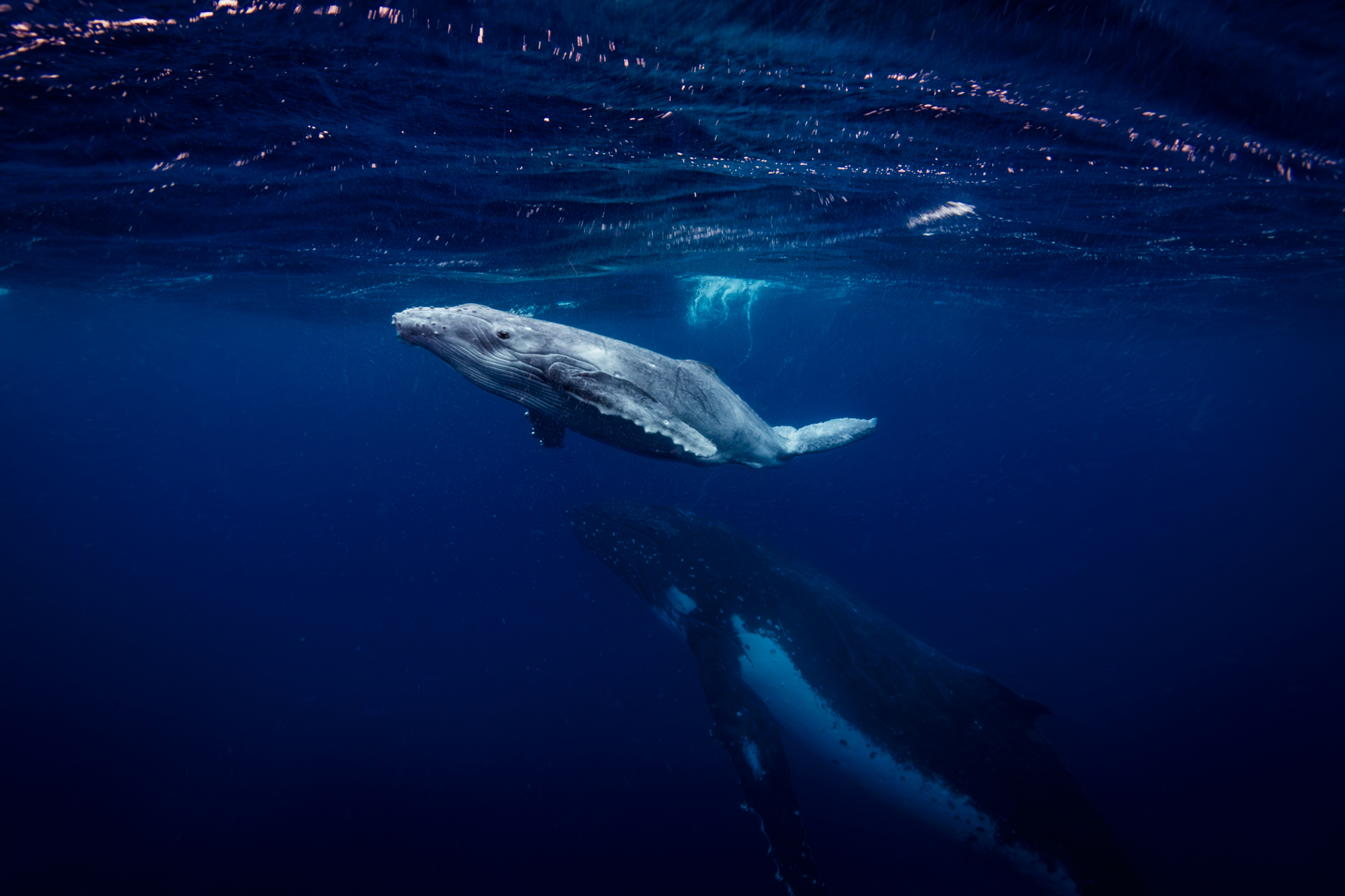
Beneath the surface, time moves differently. The coral polyps that built these reefs over millennia, the octopus whose brief but brilliant life is a celebration of intelligence and adaptation and the humpback whales whose century long lives witness the ocean's transformation, all exist in the most important place on Earth, our oceans. This diverse, untamed and awe-inspiring place is not only the foundation of our own existence, but one we depend on for every breath we take. At the halfway point of the UN Ocean Decade our understanding of oceanic life has never been more urgent, yet this vital ecosystem remains under unprecedented threat from human activity. These images represent not only what we stand to lose, but what we can still save. As Attenborough recently said, "The ocean can recover faster than we had ever imagined." We just need to act.
By Victoria Stokes ARPS
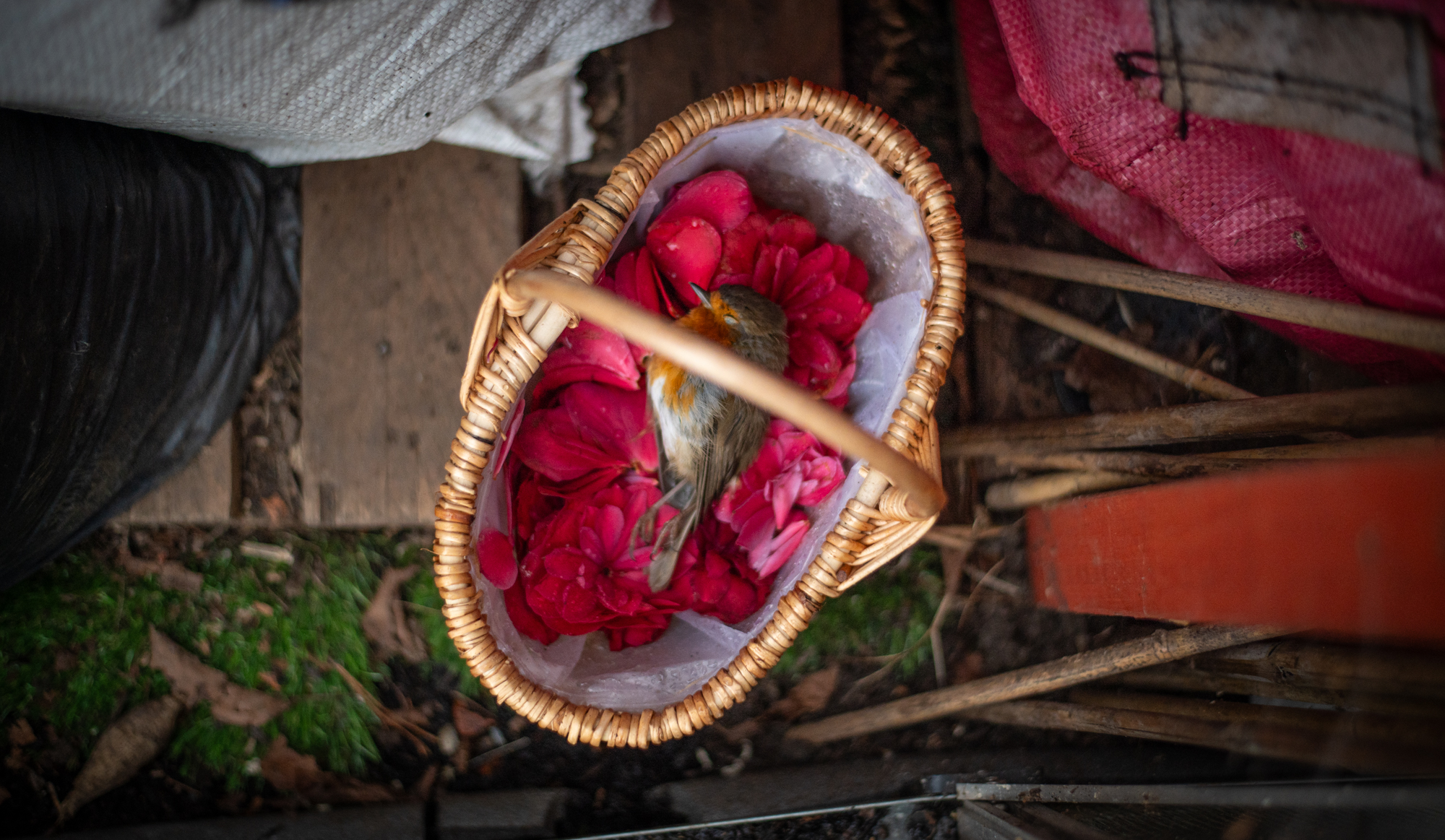
Some people believe the souls of our lost loved ones inhabit the body of a Robin. They are a beloved British garden bird and after a failed rescue attempt, I was sorry to see this one pass. We held a funeral in the rain for this friend of the garden. This is part of a series of images to honour those short and tiny lives that often get forgotten. All creatures great and small play a part in our world and I wanted to respect that and provide a funeral of sorts. All the animals and insects photographed were buried afterwards.
By Lisa J Brinkworth
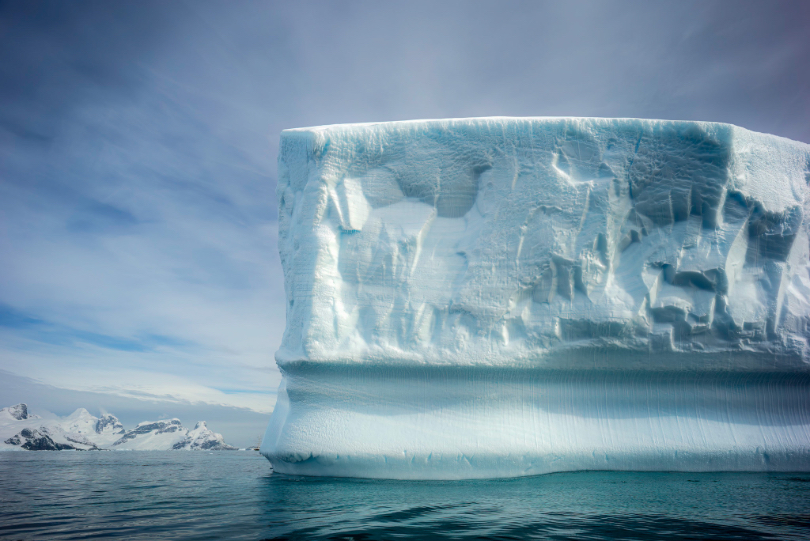
A colossal iceberg, sheer and symmetrical, appears almost man-made in its perfection. But behind its stillness is urgency. This ice carries the weight of millennia—now melting into the sea within decades. What we’re witnessing is not just a natural cycle—it’s accelerated loss driven by human impact.
By Sue Wright
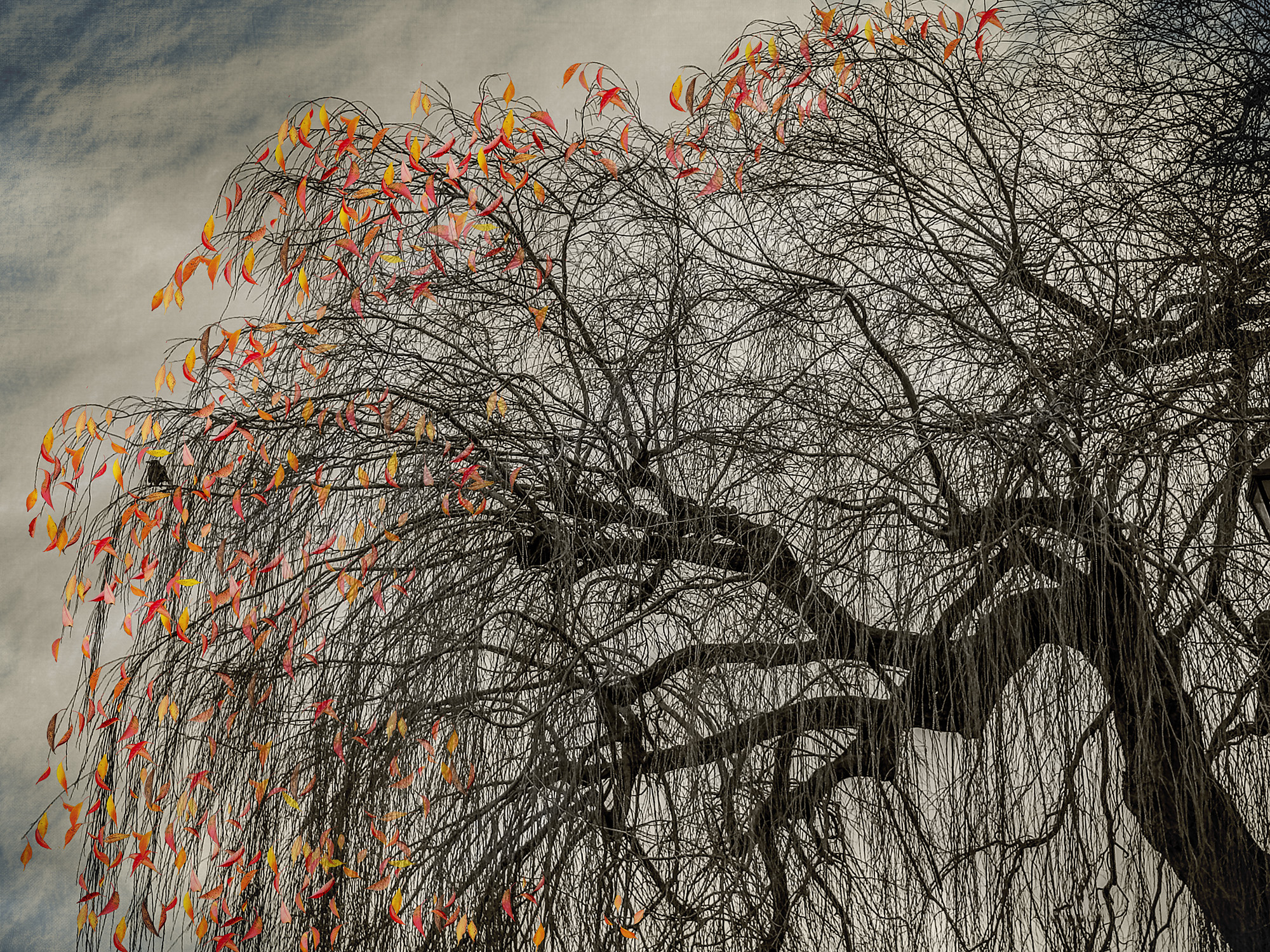
The Last Bird Song series explore the effects of environmental damage told through three motifs - the bird, the leafless tree and the fallen leaf. They become something more than symbols. They are witnesses. They are warnings. They are reminders of what still exists, and what may soon not and what we lose when memory replaces presence. These works are post-anthropocene - what will we paint when there are no trees or birds left to observe?
By Shamani Surendran
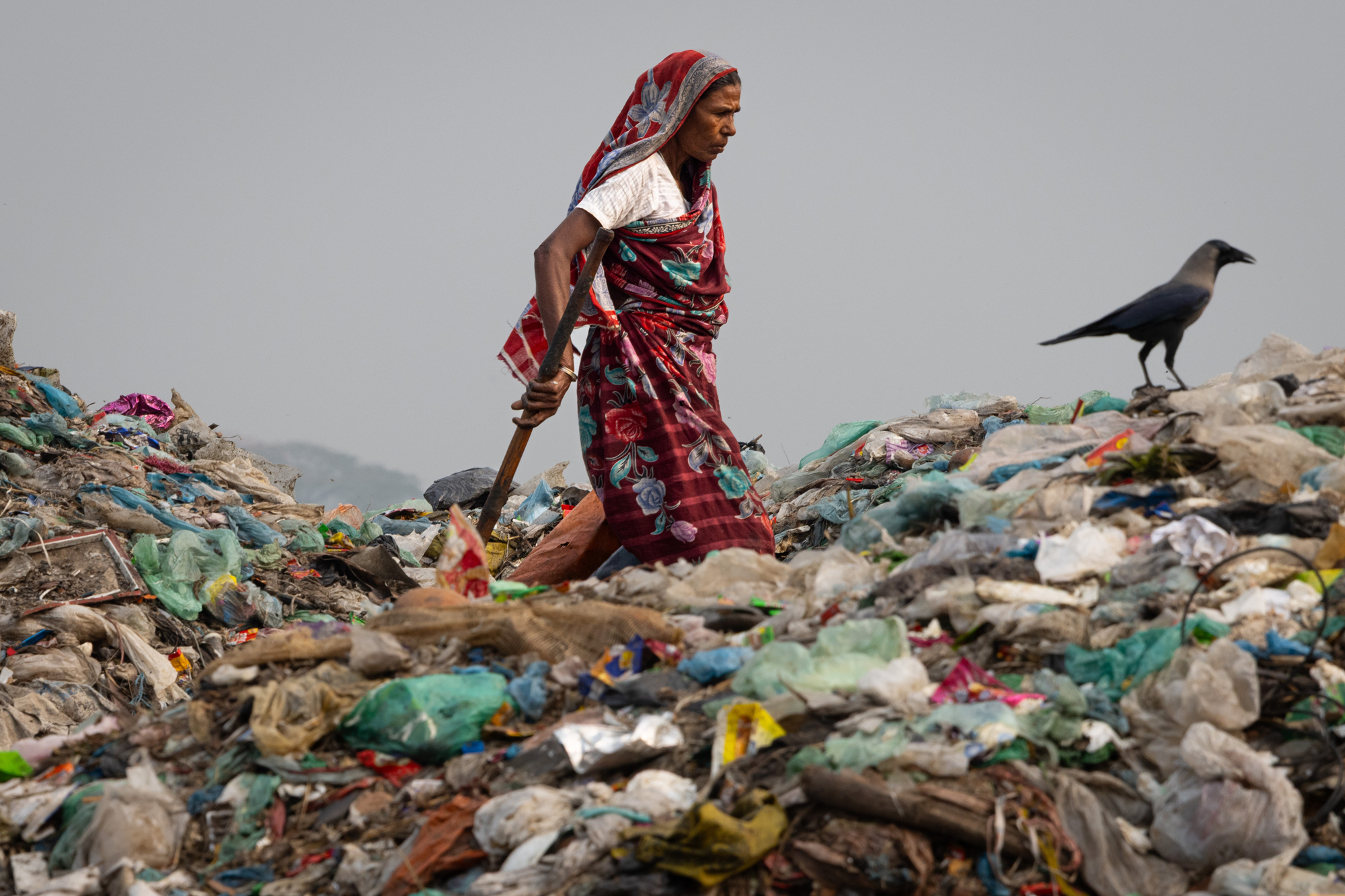
Visiting a garbage dump in Dhaka, Bangladesh, was a shocking experience. I wanted to look away from the horrific sight & smell. However, if we ignore the impact of human activity on the environment, then there will be no hope for the planet, or for the future generations who will inherit it. So, I determined to photograph the scene in a powerful way, in order to force the viewer to confront the impact that plastic and non-biodegradable waste has on our environment.
By Valerie Mather ARPS
View all images submitted here https://rps.org/groups/women-in-photography/wip-competitions/in-our-hands-stories-of-the-environment/
Why These Images Matter
As part of the In Our Hands project, we were delighted to collaborate with Greenpeace, who shared their insights on the powerful role photography plays in environmental activism....
"The relationship between people and the planet — explored in the photo project “In Our Hands: Stories of the Environment” — has been central to Greenpeace's mission since its founding in 1971.
Exposing environmental injustice and bearing witness through powerful photography and visual storytelling have always been at the core of Greenpeace’s approach to environmental activism. Some of the most iconic images from Greenpeace campaigns have been captured by women like Marizilda Cruppe, Kate Davison, Suzanne Plunkett, Elizabeth Dalziel and Abbie-Trayler Smith.
In 1973 Ann-Marie Horne, one of the first women to sail on a Greenpeace ship onboard the Vega, secretly captured the beatings of David McTaggart and Nigel Ingram when French commandos stormed the vessel during a protest against nuclear tests. Her photos not only proved that the French government lied about the attack, they also stoked the debate over nuclear testing.
Photographers like Anne-Marie continue to play a crucial role in exposing and investigating environmental destruction, advocating for policy changes, mobilising public support, and taking direct action to safeguard the environment.
The images captured by the RPS Women in Photography group are thought provoking, powerful visuals showcasing the natural beauty of our planet’s fragile ecosystems as well as documenting the destructive, environmental impact we have. Crucially, they also present sustainable solutions and inspire hope".
Angela Glienicke -- Picture Editor, Greenpeace UK, London
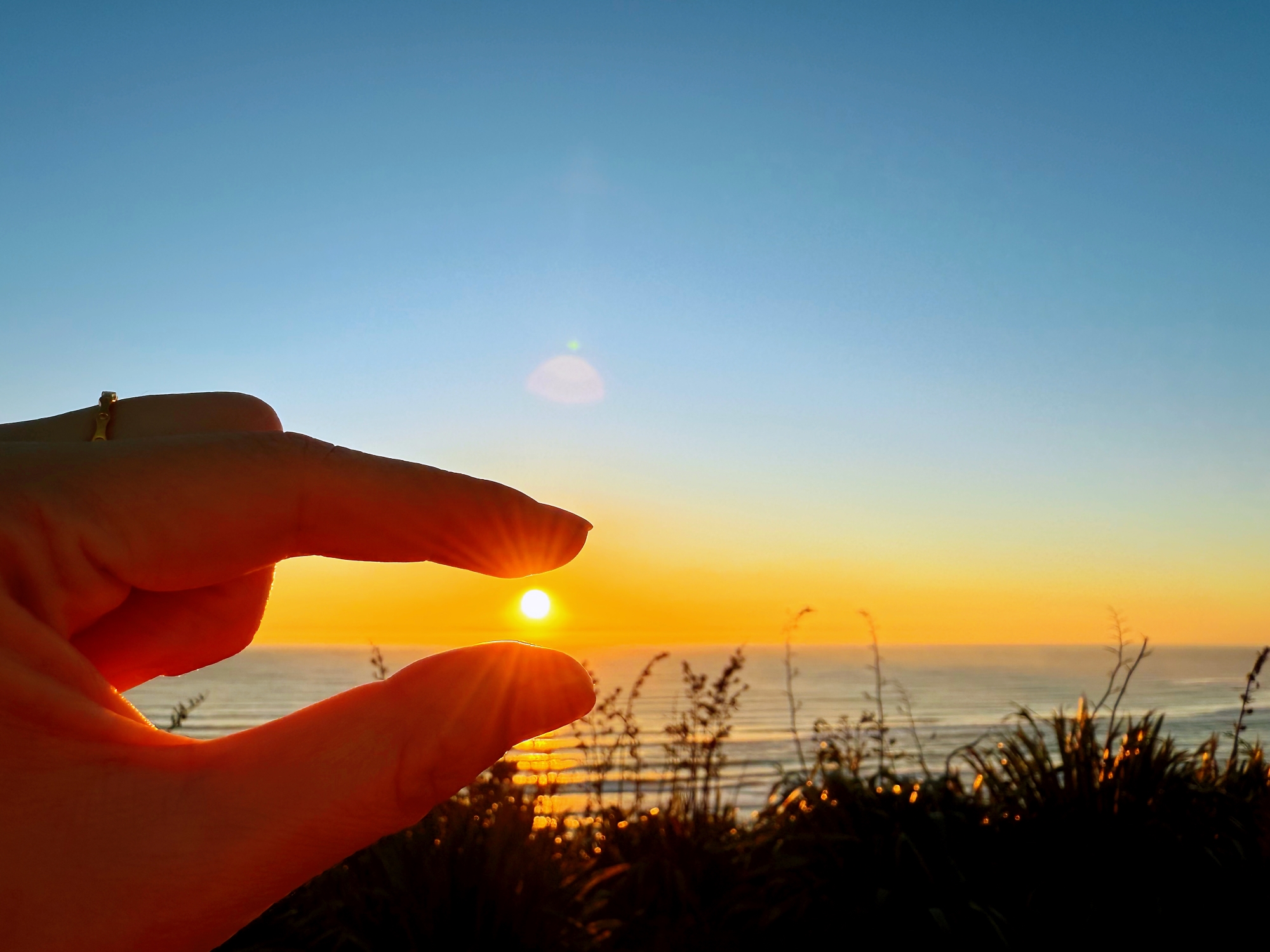
Captured on the coast of Raglan, New Zealand, this image portrays the sun gently held between two fingers, symbolising the delicate yet powerful connection between humans and nature. The glowing sunset over the ocean reminds us of the beauty that exists around us, while the human gesture subtly conveys our role as caretakers of this planet. In a time of environmental uncertainty, this photograph offers a quiet reflection on hope, reminding us that the future of our Earth is truly in our hands. By holding light rather than dominating it, we echo the need for respectful, mindful interaction with nature and a renewal of our commitment to protect what we still have.
By Lei Gao
Join us
If you are not yet a member of Women in Photography, we strongly encourage you to join us. By becoming a member, you will have the opportunity to participate in our competitions, showcase your photography in our members' spotlight series, and enjoy discounted ticket prices for our events. In addition, you'll be able to attend our exclusive member-only events for free, which can be very beneficial in getting to know our growing, friendly community.
We welcome all photographers to join us. Join the RPS Women in Photography