
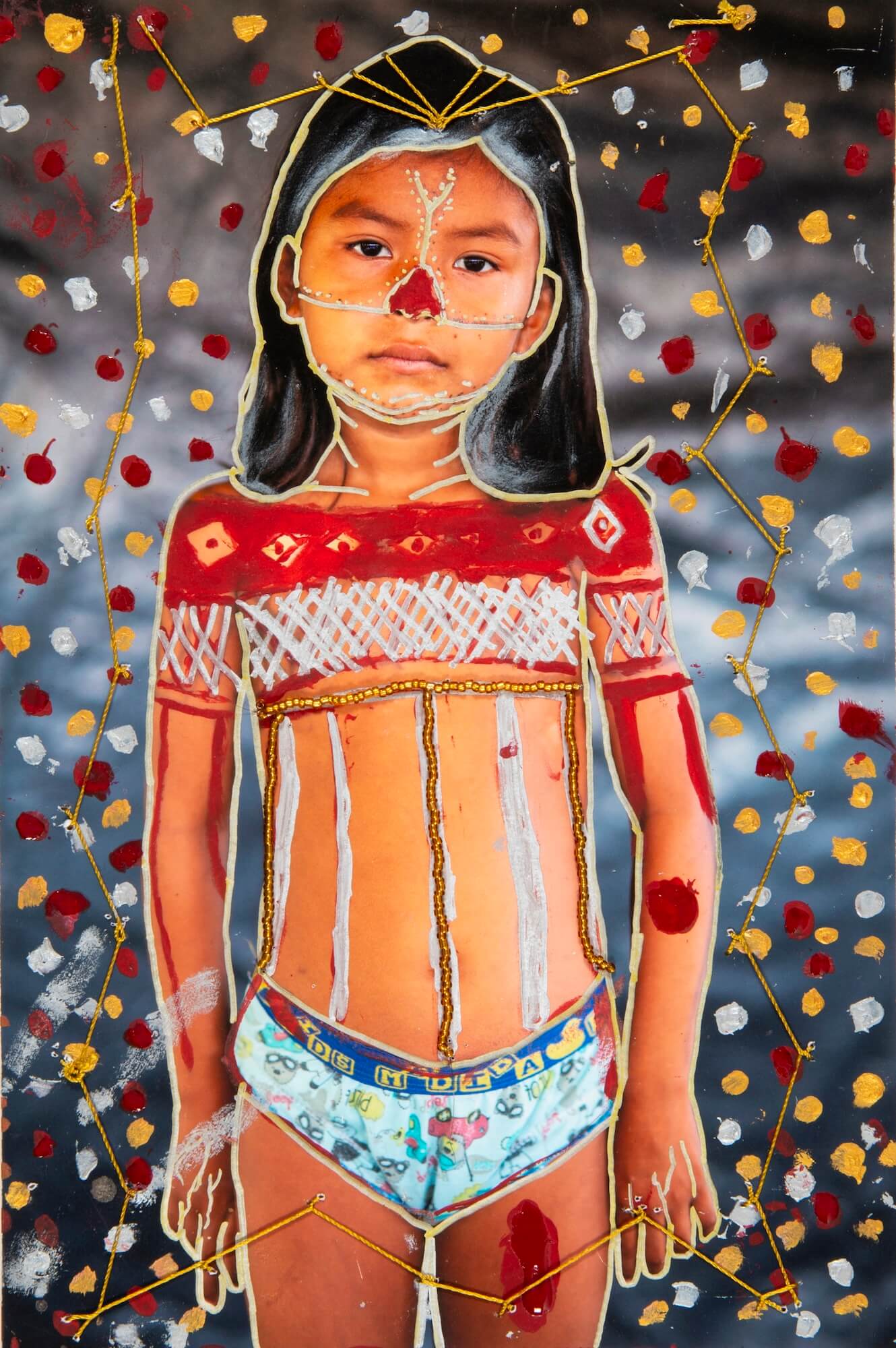
From the series And Now the People Know by Leticia Valverdes
When photographer Leticia Valverdes began exposing the impact of mercury poisoning on Brazil’s Indigenous Munduruku people, she had little idea the project would come full circle.
Now, images from her series And Now the People Know, supported by the 2024 TPA/RPS Environmental Bursary, are part of a group show coinciding with COP30 in Belém, Brazil.
Images to Postpone the End of the World is at UFPA Museum, Federal University of Pará, Belém, until 17 December 2025. Belém, host city of the 30th United Nations Climate Change Conference, is in the Amazonian state where the Munduruku people live.
The group exhibition features images produced by or in collaboration with Indigenous people “that reveal what we are – or could be – doing to postpone the end of the world,” says co-curator João Kulcsár.
Brazil-born Valverdas, who studied fine art and photography at London Metropolitan University, collaborates with communities around the world, particularly focusing on Indigenous conservation issues in the Amazon.
Here, she tells us more about the bursary project supported by the charity The Photographic Angle.
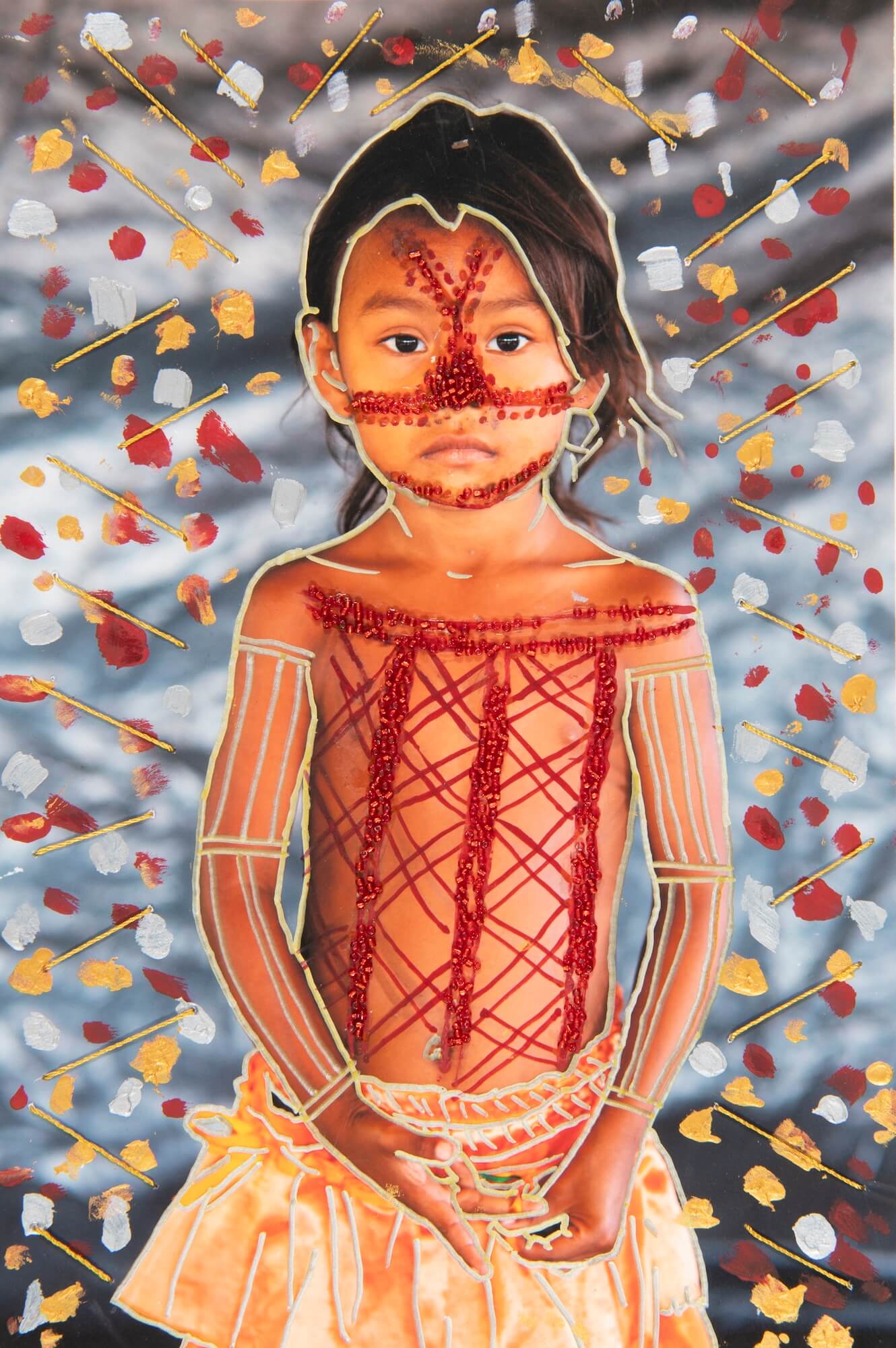
From the series And Now the People Know by Leticia Valverdes
What’s behind your TPA/RPS Environmental Bursary series And Now the People Know?
And Now the People Know is a collaborative project created with the Indigenous Munduruku people of the Brazilian Amazon in the village of Sawré Muybu. The series was born from my desire to give space and visibility to voices that live at the frontline of the climate crisis, those who protect the forest and pay a high price for its destruction.
I arrived in the village with a dream and an open invitation. Together with the children, women and elders, the aim was to transform photography into a form of artivism. Using paint, earth, leaves, water, beads and fire, they [decorated] their own printed photos, creating images that speak of contamination by mercury from gold mining, but also of resilience, beauty and collective strength. The process was open and participatory, a weaving together of generations, knowledge and resistance. We also explored cameraless processes using forest materials and the mercury contaminated water of their beloved Tapajós river.
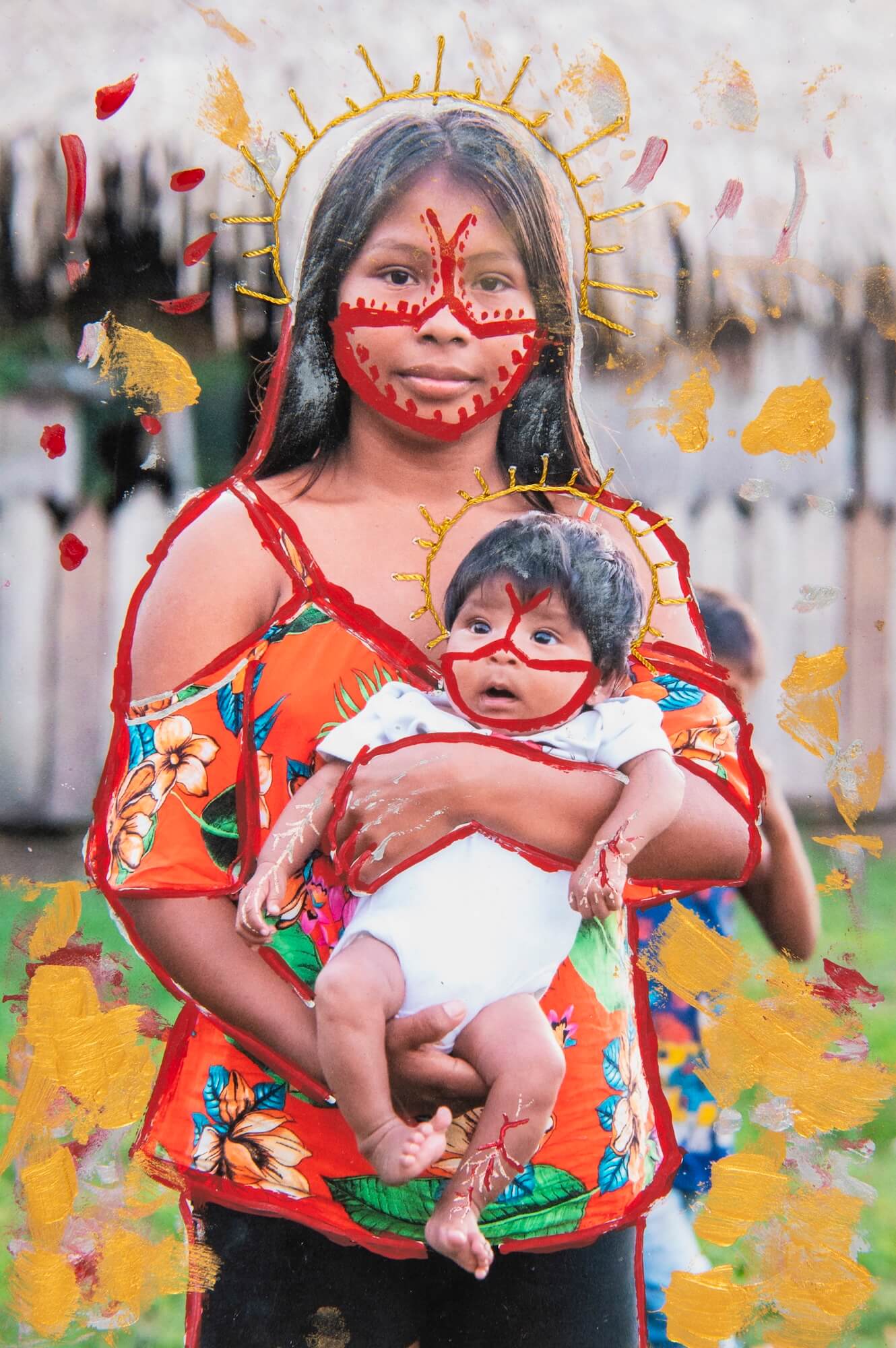
From the series And Now the People Know by Leticia Valverdes
The series is being exhibited in a group show during COP30 in Belém, Brazil. Why is that so significant?
It feels incredibly important. COP30 will take place in the state of Pará, where the Munduruku live, the very heart of the forest that so often gets spoken about from afar but rarely from within. This will be a historic conference with a record Indigenous presence. For the first time, their voices will be in the same city global leaders meet in to discuss the future of the Amazon.
For me, this exhibition is one of the various art shows that represent a chance to create dialogue beyond the display of beautiful images. It’s also about bringing the art back to its origin and allowing the world to hear the people who live within the forest, who embody both its fragility and its strength. Some of the participants of And Now the People Know will be in Belém during the conference.
How did you gain the trust of the Munduruku people?
This was my third time working with the Munduruku over the last five years. The first time I visited for a magazine cover feature for Sunday Times Magazine. The second was for a BBC Planet Earth film about their leader, Alessandra Korap. Each visit deepened our connection and my understanding of their culture, situation and resilience.
Trust is built slowly, through time, listening and respect. I never arrive with a rigid plan. I prefer to come with an invitation to collaborate, to co-create. The process unfolds naturally once people realise their perspective, their gestures, their stories truly matter in shaping the final work. I see myself as an enabler that brings the tools for possible co-creations. Photography is one of my tools.
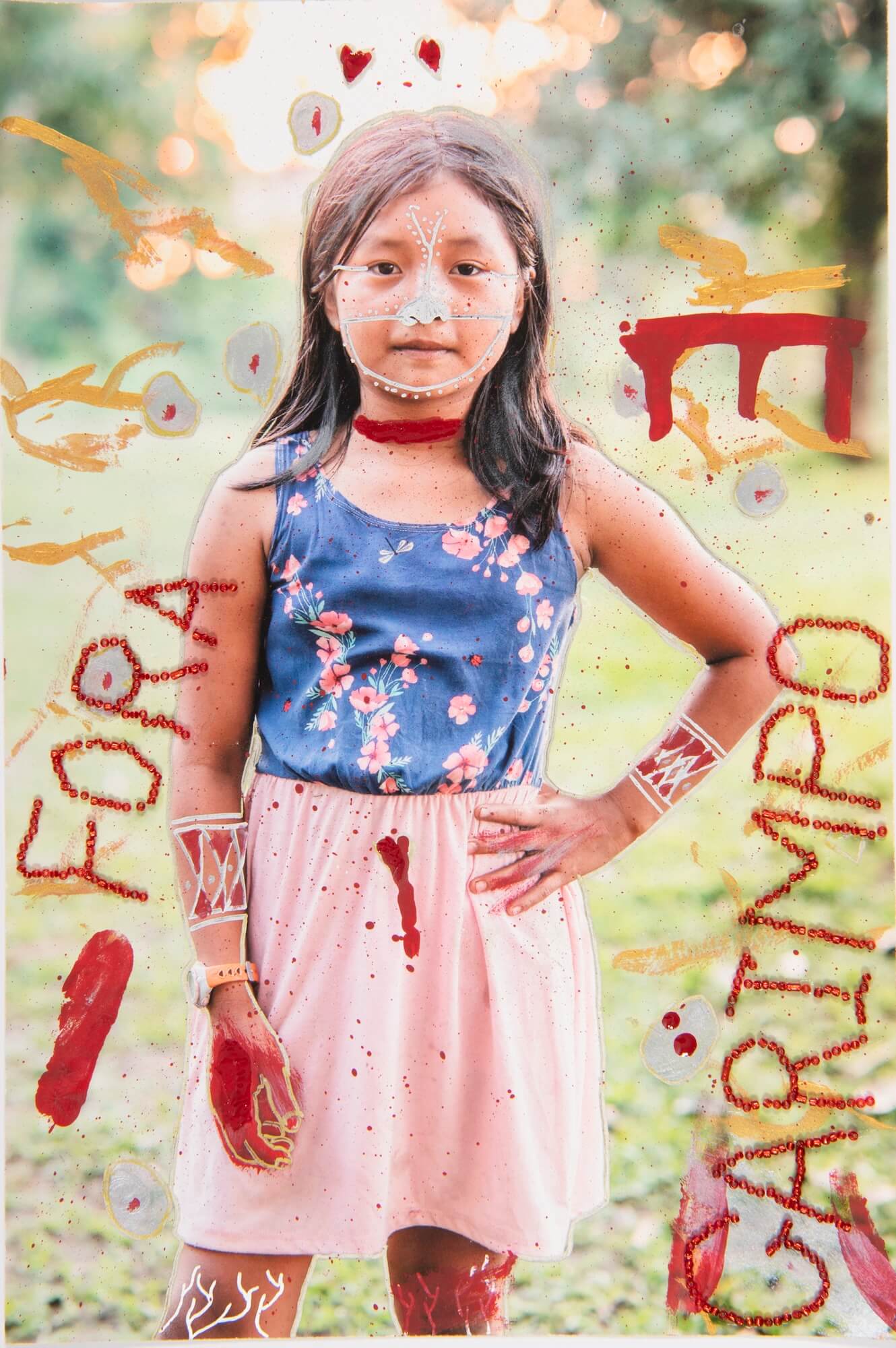
From the series And Now the People Know by Leticia Valverdes
Which of your images from the series means the most to you and why?
It’s hard to choose just one image. I brought the originals back home to be photographed before sending the photos back to the community and every time I look at them I discover something new. Each piece is exquisite and unique, layered with marks made by multiple hands.
The images of mothers and babies move me deeply, knowing that mercury passes through the placenta and through the milk. The ones that combine the spontaneous mark-making of young people with the embroidery of older women are also incredibly special. I think of Chief Juarez, who told me he had not done painting before, sprinkling red, gold and silver on a photo of the forest undergrowth, then passing the image to his wife, Juquita, who carefully embroidered it.
If I had to choose one, it would probably be the portrait of Bela, daughter of Aldira, a Munduruku activist (above). Bela created the image with her mother, who embroidered the words ‘Fora garimpo’ (‘Out with mining’) onto it, as it is gold mining that is contaminating their land and their bodies.
Bela was one of the bright, generous and curious young collaborators I met during my stay. She was the one who suggested the name of the project, And Now the People Know, inspired by my previous series And Now My Children Know, which I created with my own children during the pandemic. It felt like a circle closing, a dialogue between my children, her generation and the natural world that connects us all.
Images to Postpone the End of the World is at UFPA Museum, Federal University of Pará, Belém, until 17 December 2025.
The RPS Journal is available exclusively to members. Join us to receive our award-winning magazine and read more inspiring features. Explore full member benefits here.