Your web browser is out of date. Update your browser for more security, speed and the best experience on this site.
Find out more
Amanda Davies LRPS 01
CREDIT: Amanda Davies LRPS

Areas of Photographic Practice

Photography encompasses a wide range of subjects, approaches and ways of working. The RPS Distinctions Programme recognises this breadth through a number of broad areas of photographic practice. 

These areas are intended to provide useful context for understanding photographic work. They do not define fixed genres or prescribe how photography should be made. 

Photographic practice does not always fit neatly within a single area. Work may draw on different traditions and approaches, or be interdisciplinary, collaborative, participatory or developed in relation to other media, materials, people or communities. 


Choosing an area of photographic practice

At Associate, you select the area of photographic practice that best represents the main intention, approach and context of your submission. 

Your selected area does not determine your subject matter, visual approach, technique or influences. Nor does it mean that your work must conform to established conventions associated with that area. 

For example, work concerned with a particular place might draw on documentary, landscape and visual art approaches. What matters is which area provides the most useful context for understanding the submission as a whole. 

If your work could reasonably sit within more than one area, choose the one that best represents it overall. You do not need to identify every influence or approach present in the work. 

There is one Associate standard. Selecting an area of photographic practice does not change the standard you need to demonstrate or the assessment criteria used to consider your submission. 

If you are unsure which area of photographic practice best represents your work, the Distinctions team can help you understand the scope of the areas. Applicant tutorials can also help you reflect on the context, intention and presentation of your work, but the decision about your area of practice remains yours. 

CREDIT: Clive Bevan ARPS
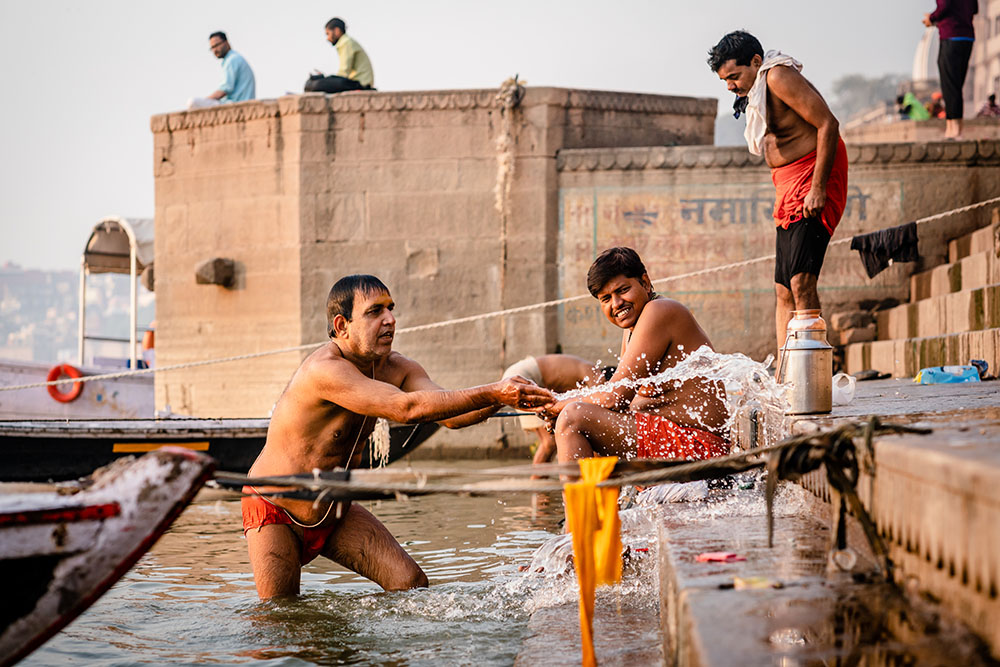
Documentary and photojournalism

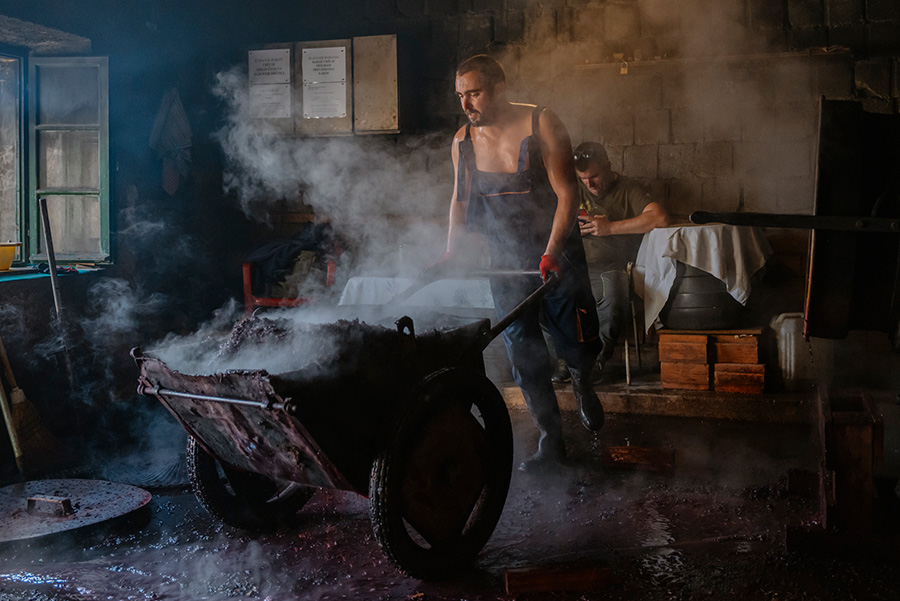
Documentary and photojournalism encompasses photographic practice concerned with people, events, communities, situations and issues in the world. 

The work may seek to observe, record, investigate, describe, communicate or interpret aspects of lived experience. It may include long-form documentary projects, social or cultural documentary, reportage, photojournalism, documentary portraiture or other approaches grounded principally in engagement with real people, places, events or circumstances. 

Work may be observational or collaborative, immediate or developed over a sustained period. It may address personal, local, national or international subjects. 

Documentary practice does not have to follow a single visual language or traditional idea of objectivity. The photographer's position, choices and relationship to the subject can themselves form part of the work. 
CREDIT: Mark Hetherington ARPS
Landscape, place and environment

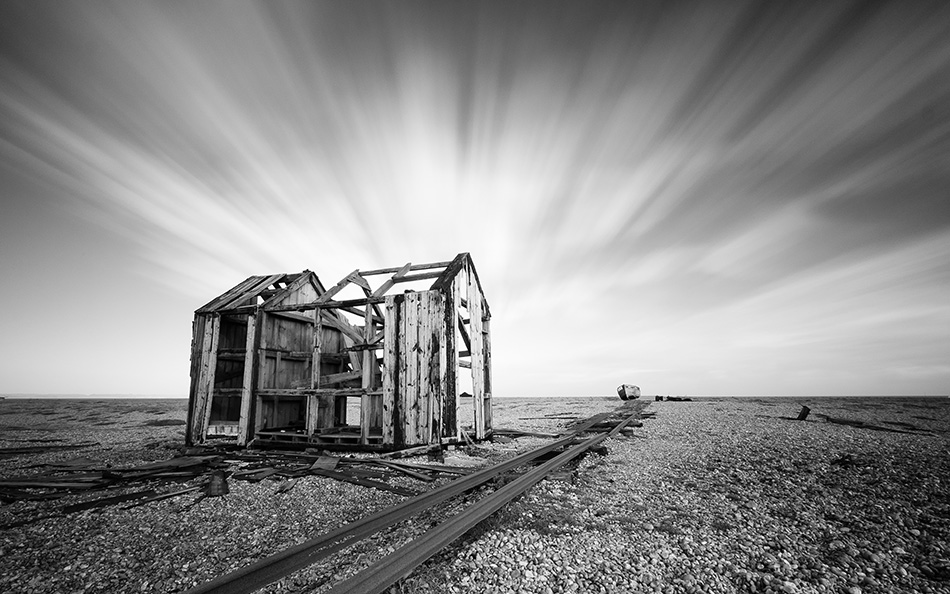
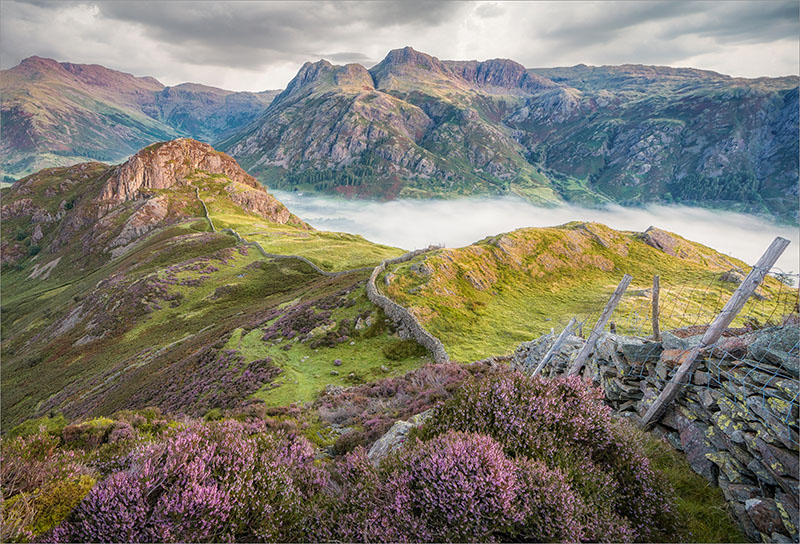
Landscape, place and environment encompasses photographic practice concerned with land, place, space and the environments we inhabit. 

The work may explore natural, rural, urban, industrial, built or altered environments and the relationships between people, place and landscape. It may be descriptive, documentary, conceptual, personal, environmental or interpretive in approach. 

Work might explore the visual character of a landscape or place, environmental change, land use, architecture, belonging, memory, history, geography, ecology or the social and political meanings attached to particular places. 

This area does not require a conventional landscape aesthetic or the absence of people from the photographs. 

CREDIT: Than Ko Ko ARPS
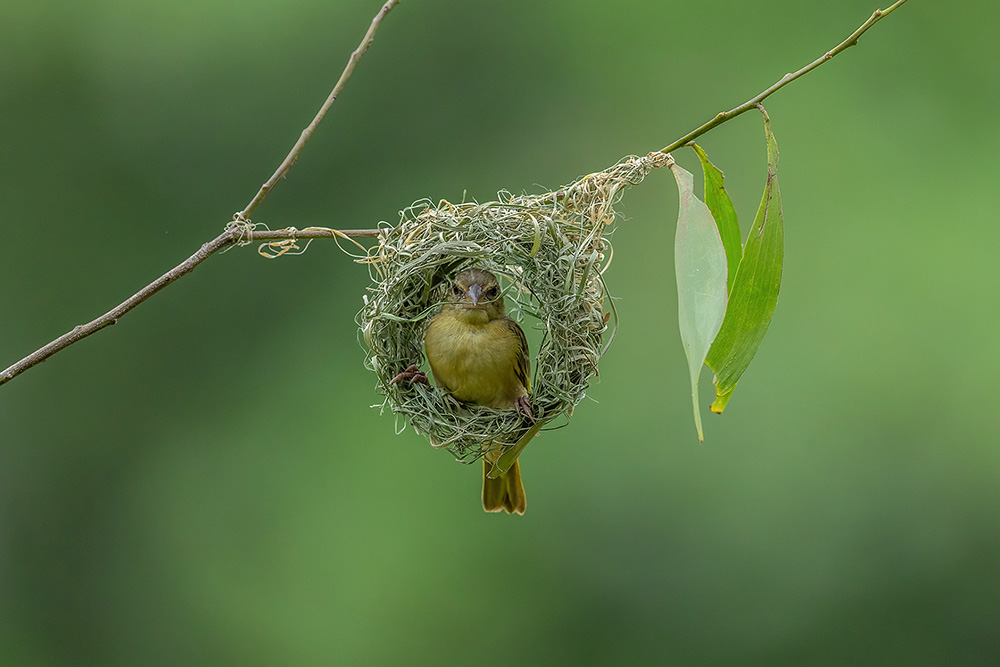
Nature and wildlife

Nature and wildlife encompasses photographic practice concerned principally with the natural world. 

This may include animals, plants, habitats, ecosystems, geological subjects and other aspects of natural history or the environment. 

The work may focus on observation and representation, behaviour, ecology, conservation, environmental relationships or other photographic engagement with nature. 

Submissions may range from close observation of individual subjects to bodies of work concerned with species, habitats, ecosystems or broader environmental questions. 

The photographic intention remains important. A submission should function as a coherent body of work rather than relying only on the rarity, difficulty or spectacle of the subject. 

CREDIT: David Hugget ARPS
Travel and culture

Travel and culture encompasses photographic practice concerned with places, people, communities, activities and cultural experience beyond the photographer's everyday context. 

Travel does not need to involve going abroad and may include places, events and experiences closer to home. The work may explore journeys, encounters, cultural practices, ways of life, events or relationships between people and place. 

A submission may be observational, documentary, interpretive or personal. 

Travel itself does not have to be the subject of the work. This area is concerned more broadly with photographic engagement with places and cultures encountered through travel. 

CREDIT: Mike Taylor ARPS
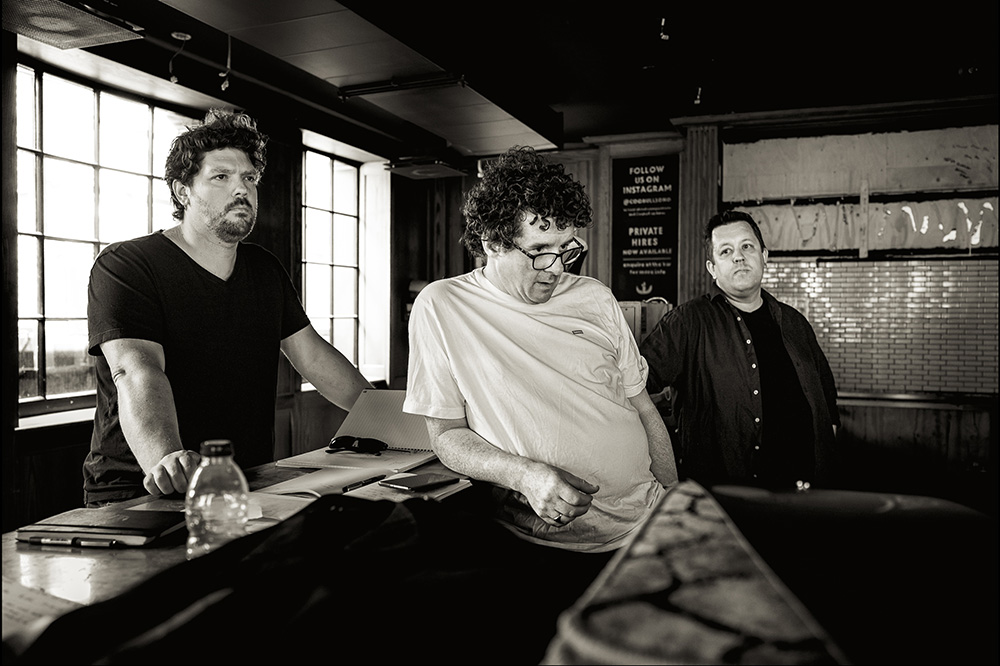
Applied and professional photography

Applied and professional photography encompasses photographic practice developed principally in response to a professional, commercial, editorial, organisational or commissioned purpose. 

This may include advertising, editorial, fashion, architecture, interiors, food, product, corporate, events or other professional photographic contexts. 

Work may be self-initiated, commissioned or produced in response to a brief. The client, audience, purpose and context of use may be particularly important in understanding the photographer's decisions. 

Professional status is not in itself the basis for assessment. The submitted work must demonstrate the standard for the relevant Distinction through the photography presented. 

Professional photography may also involve wider production processes and collaboration with art directors, designers, stylists, assistants, models or other contributors. Where another person has made a material contribution to the development, creation or presentation of submitted work, this must be declared in accordance with the RPS Distinctions AI, Authorship and Collaboration Policy. 

CREDIT: David Travis FRPS
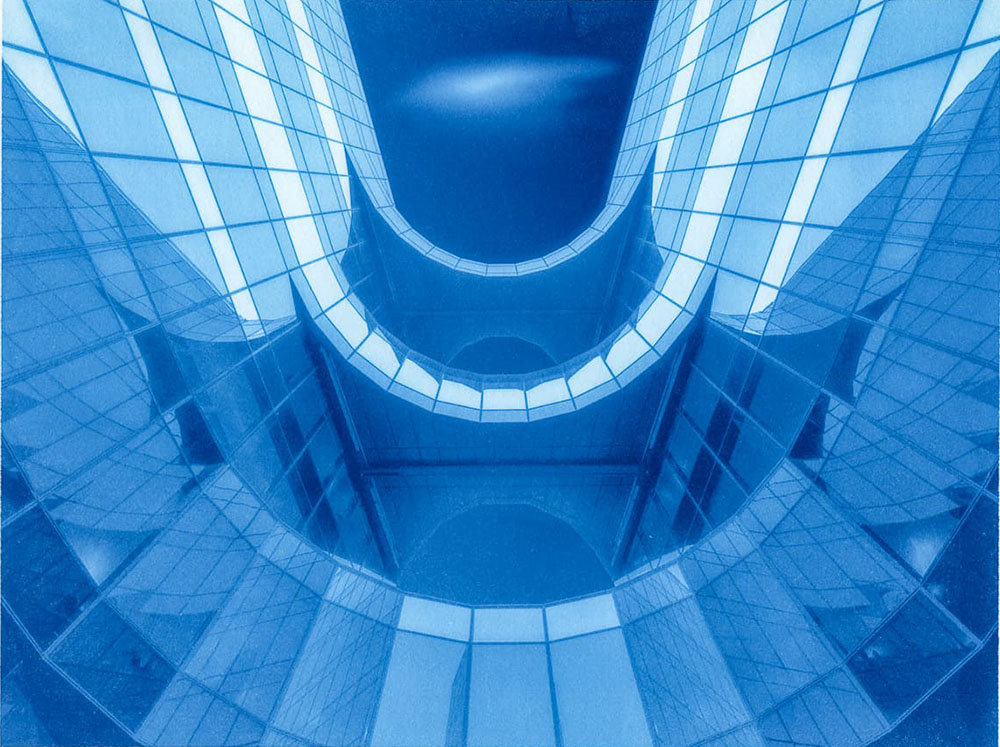
Visual art and constructed photography

Visual art and constructed photography encompasses practice in which photographs are developed principally as a means of artistic, conceptual, expressive or constructed enquiry. 

The work may involve staged or directed photography, constructed environments, performance, self-portraiture, abstraction, collage, montage, appropriation, alternative processes or other approaches in which the image is deliberately shaped in response to an artistic intention. 

The work may respond to personal experience, ideas, imagination, research, other artistic practices or wider cultural and social contexts. 

It does not have to be highly conceptual or experimental. Nor does the presence of manipulation, staging or construction automatically place work within this area. What matters is the overall intention and approach of the body of work. 

CREDIT: Simon Ciappara FRPS
Photobooks

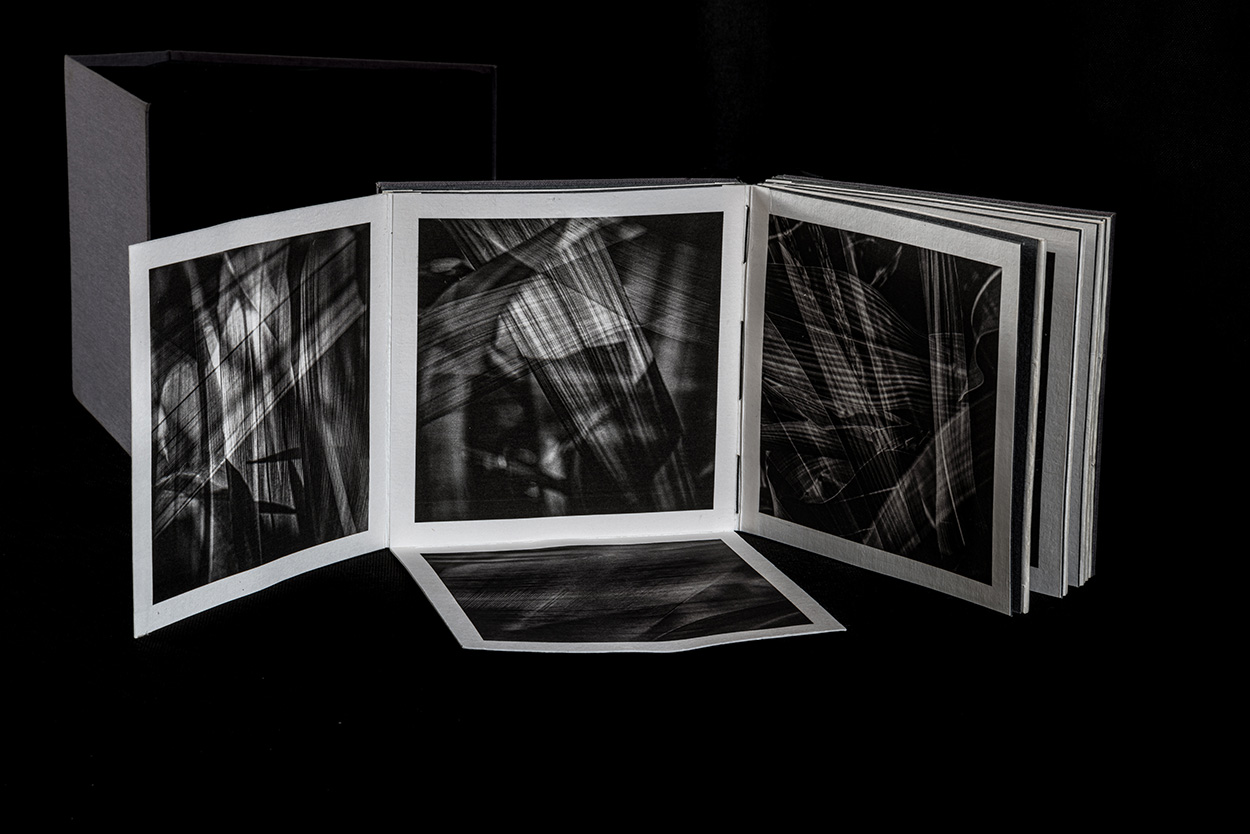
Photobooks encompasses photographic practice in which the book itself is the intended form of the work. 

A photobook is more than a way of presenting a collection of photographs. Images, editing, sequence, pacing, text, typography, design, scale, materials and the physical experience of the book may all contribute to how the work communicates. 

The publication may be documentary, narrative, conceptual, personal, archival, collaborative or experimental. The photographs may draw on any subject or photographic approach. 

What distinguishes this area is that the work has been conceived, developed and resolved through the form of the book. 

Moving image and expanded photographic practice

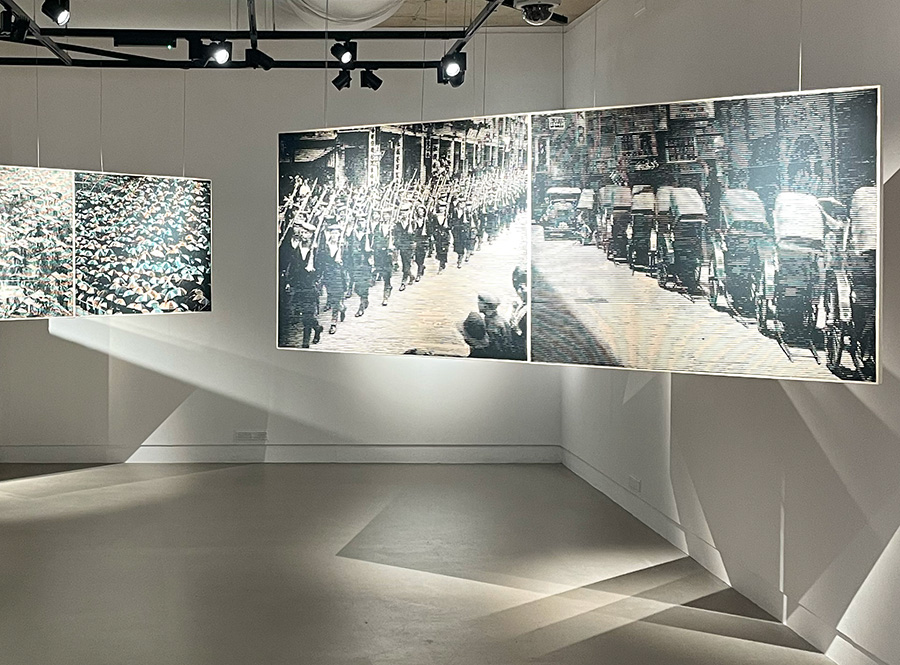
Moving image and expanded photographic practice encompasses photographic practice that extends beyond a conventional body of still images or a photobook. 

It may include moving image, photography combined with sound or text, installation, projection, interactive or digital forms, archive-based and socially engaged practice, and other approaches in which photography forms part of a wider work or experience. 

This area can include interdisciplinary, participatory and collaborative approaches, as well as photography developed in relation to other media, materials, people or communities. 

Photography should remain a meaningful component of the practice, but the work may move across media and may depend upon relationships between still and moving images, sound, text, objects, space, interaction or other elements. 

Contact the Distinctions team: distinctions@rps.org