Imaging Science
How photography works, and how this can help make you a better photographer
About Imaging Science
The origins of the Imaging Science Group can be traced back to 1919 when the concept of a Scientific and Technical Group was developed to provide a forum for those members interested in the science behind photography. In 1986 the group was renamed the Imaging Science and Technology Group and in 1998 it became the Imaging Science Group, reflecting the changing scientific, technological and imaging landscape. Now over a century later the Group has a wider purpose than just the underlying science behind photography. While maintaining our interest in the core technologies, we share knowledge of issues such as colour space, resolution and hardware as well as experience with scientific imaging techniques. Knowing what can and cannot be done allows us all to push the boundaries of our photography, no matter in what part of the medium we practice. In 2020 we celebrated our centenary as the Scientific and Technical Group’s inaugural meeting was held on the 1st January 1920.

Imaging Science Group Newsletters
Here you can access our archive of series 2 of the group newsletters
RPS Good Picture Online: Saturday 11th April 2026, 1 - 3 pm
Following the successful inaugural meeting of the new Good Picture series of Online talks on Zoom in October 2025, the Imaging Science Group of the RPS is pleased to announce its first meeting of 2026. There will be two speakers who will, as previously with our Good Picture meetings, provide photographic practitioners, keen amateur and students with insights into Imaging.
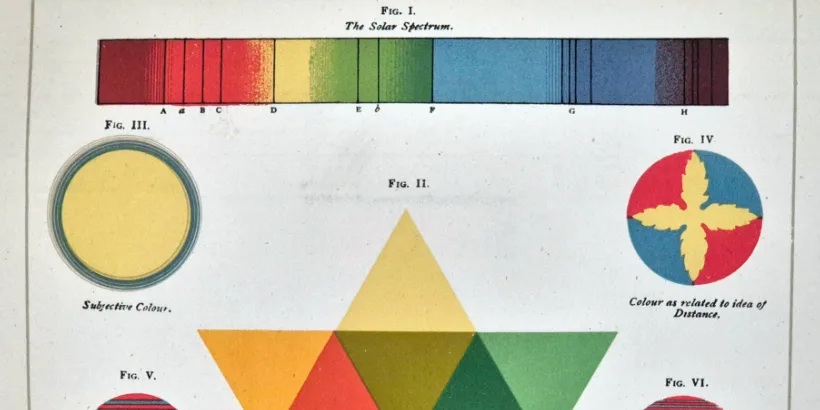
Fraunhofer spectra – their place in the evolution of photography.
On 2nd December the RPS Historical and Imaging Science Groups jointly presented Dr Alan Hodgson speaking about Fraunhofer spectra – their place in the evolution of photography.
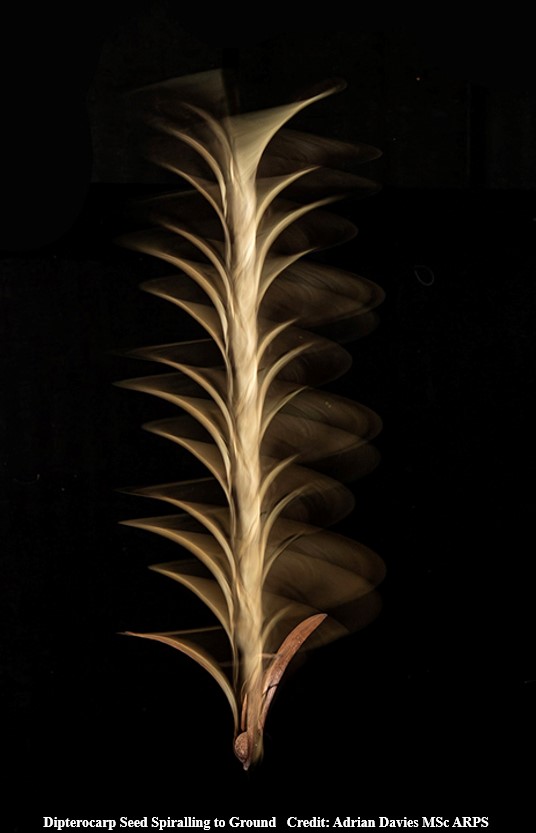
RPS Good Picture Symposium 2025 - Online
For over 20 years the Imaging Science Group of the RPS has hosted an annual series of 1 day symposia under the title “Good Picture” on selected technical aspects of Imaging. Unfortunately, due to ever rising costs, the Group is unable to continue to sponsor these meetings without unacceptably large increases in delegate’s fees. Therefore the Group committee has decided to replace them with a series of shorter meetings via Zoom.
The Group is planning to run at least 2 of these meetings per year and they will be free to attend.
Our first online Good Picture event took place on Saturday 18th October 2025
For more information and to view the programme and presentation recordings, click here
RPS Good Picture Symposium Archive
Check out our archive of material from past RPS Good Picture Symposia

Symposium held on Wednesday 22nd September
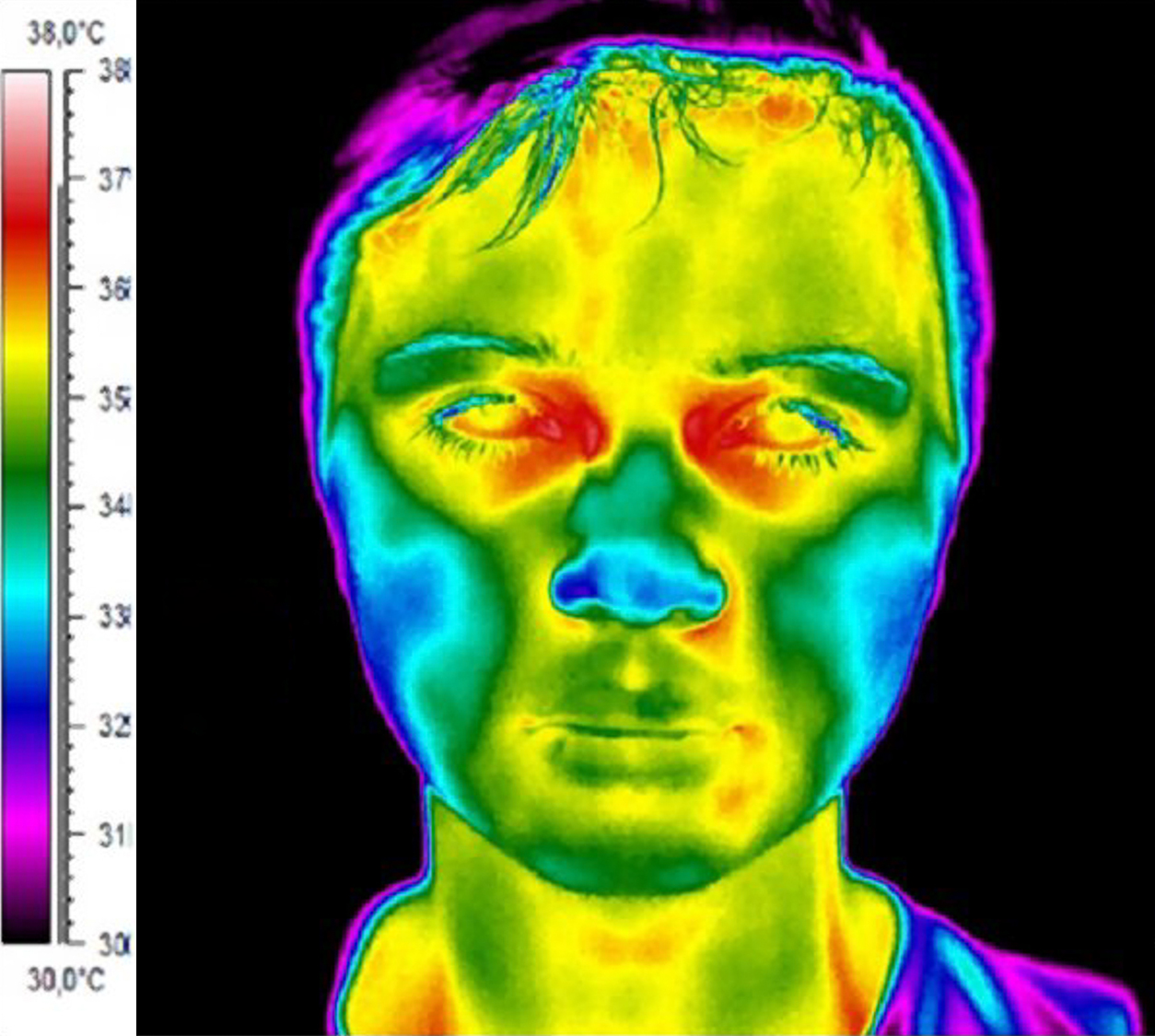
The vast majority of our photography is done using the wavelengths of light that our eye responds to. However, capturing images at wavelengths we cannot see, opens up a whole new world for us. Our two speakers focused on two very differing subjects, photographs of human skin and photographs of plants. However, both utilise light that is beyond the range of visible wavelengths (400nm – 700nm).
This event was recorded, please follow the link below for more information about this symposium and to view the recording.

Symposium held on Wednesday 20th October
Pinholes and Artificial Intelligence. The earliest known descriptions of pin hole images (camera obscura) are found in the Chinese Mozi writings (circa 500 BCE) and the Aristotelian Problems (circa 300 BCE – 600 CE). The field of artificial intelligence (AI) research was born at a workshop at Dartmouth College in the US in 1956, where the term "Artificial Intelligence" was coined by one of the attendees, John McCarthy a computer scientist and cognitive scientist. Today’s digital world allows us to see and utilise pinholes in a different way, and bring AI to bear on our everyday photography.
This event was recorded, please follow the link below for more information about this symposium and to view the recording.

Symposium held on Wednesday 24th November
Colour Gamuts and the Colour Response of Cameras. To avoid unpleasant surprises, it is very helpful to understand the range of colours your camera can capture and the range of colours that you can see on a monitor and subsequently print. Our two speakers will give you an insight into how to choose equipment and consumables best suited to your imaging needs.
This event was recorded, please follow the link below for more information about this symposium and to view the recording.
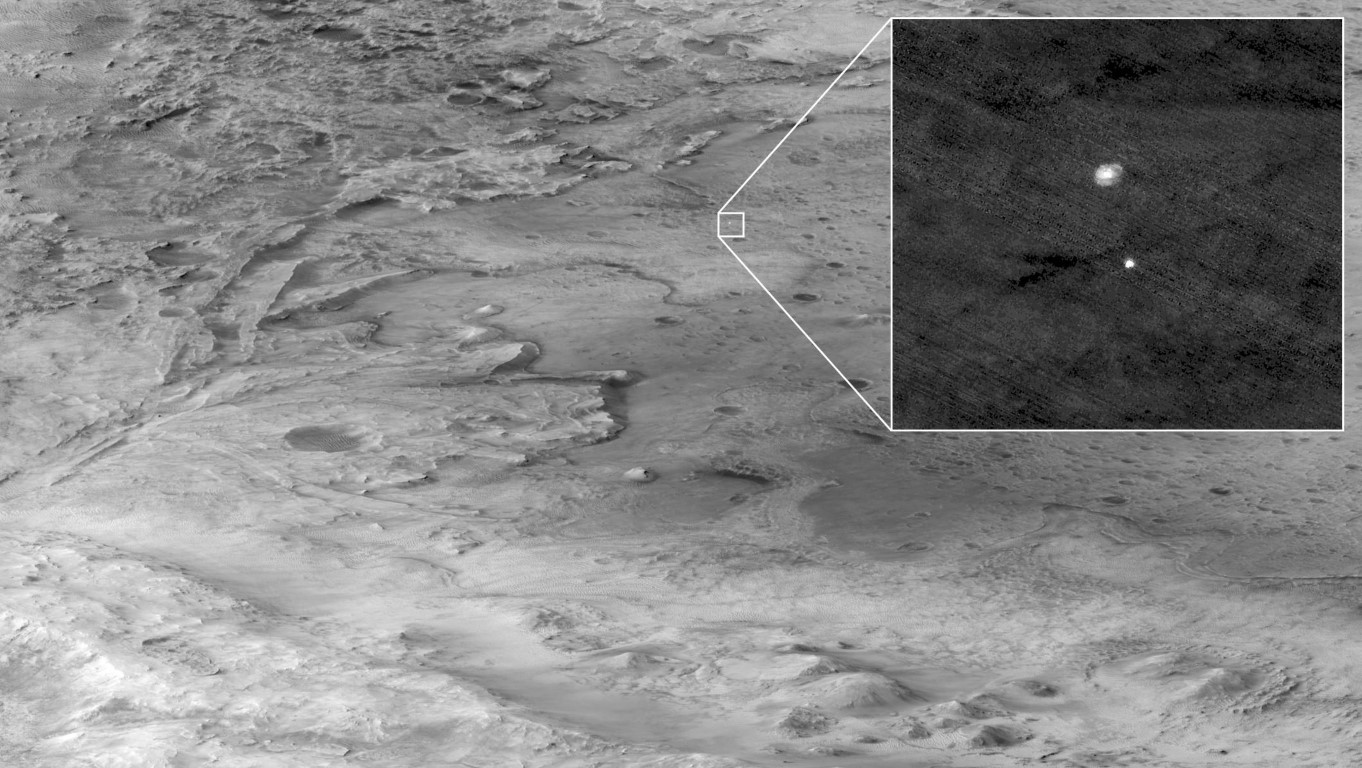
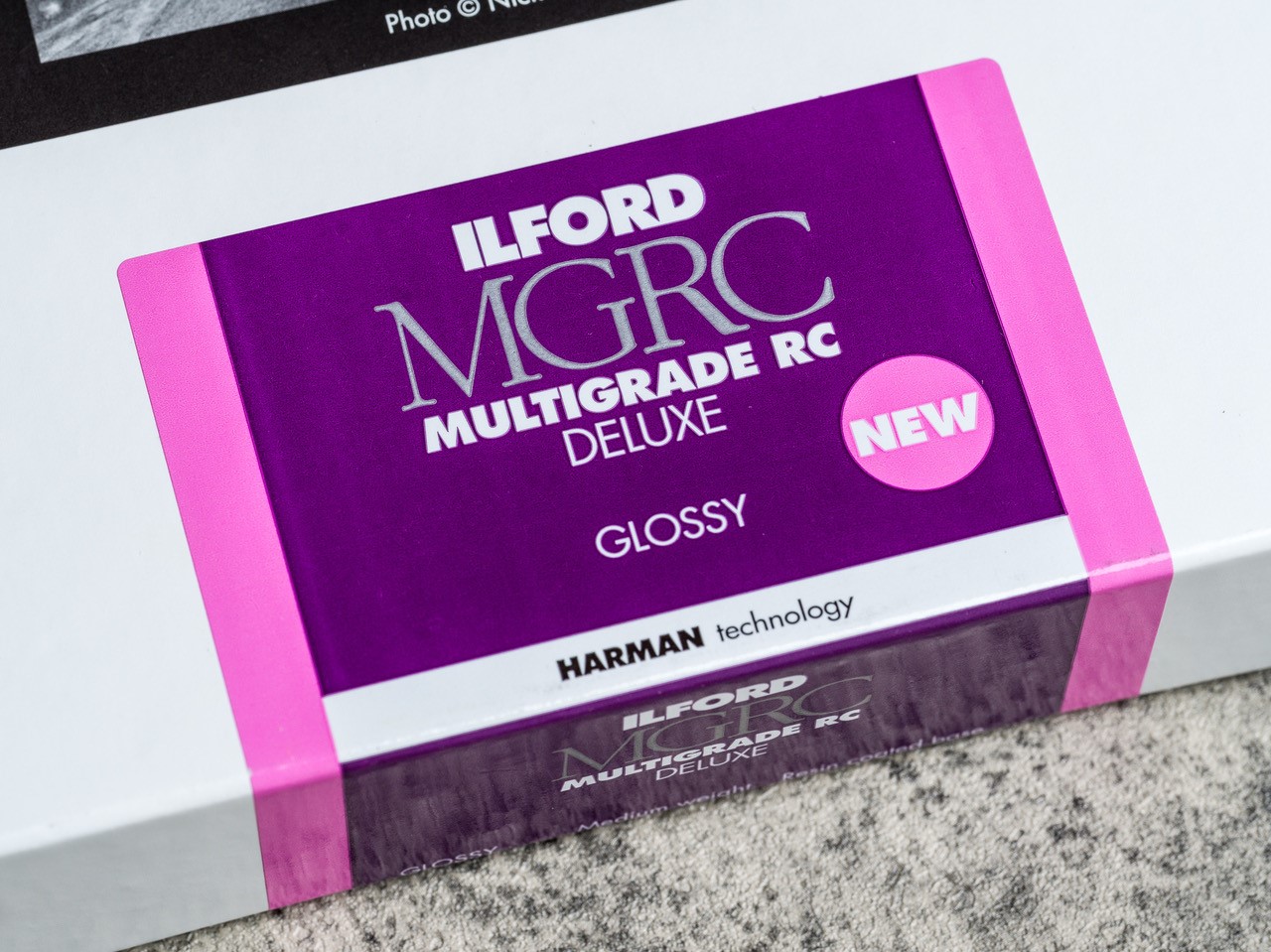
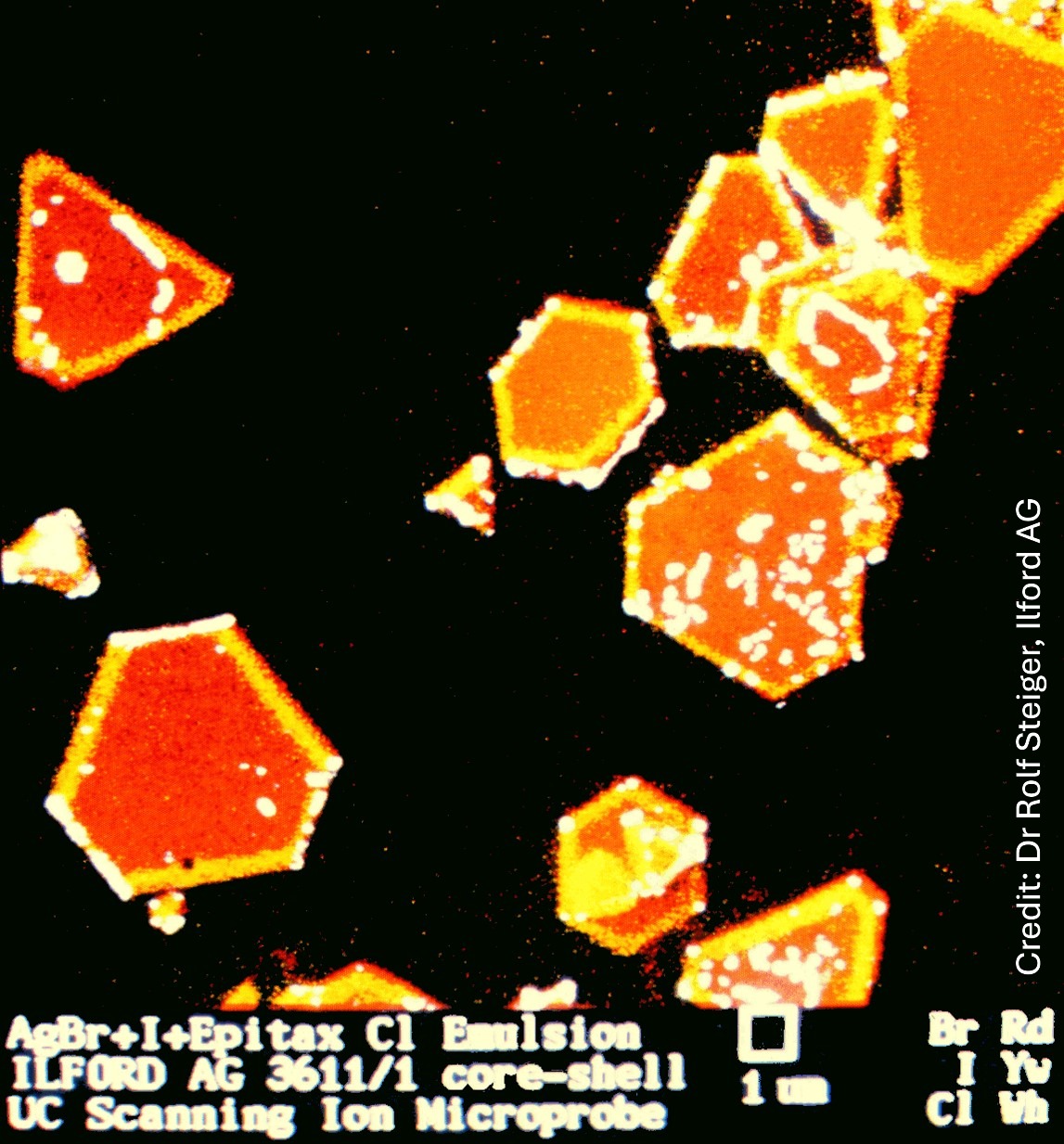
The Science Behind Multigrade
If you have read Simon Hill’s news article about Frank Forster Renwick HonFRPS and his work on Ilford Multigrade Paper you may be wondering about the imaging science behind it. If so, you can find out here.